Recovery
Amazfit Helio Strap Review: A £100 Whoop Alternative With No Subscription
Amazfit Helio Strap review: £99.99 screenless band with 10-day battery, BioCharge readiness, rep counting and HR broadcast. No subscription. Is it a real Whoop rival?

By Paul Kendrick, Cardio & Endurance Editor · Updated 14 November 2026
Most people searching for a WHOOP alternative want one thing: the same screenless, wear-it-and-forget-it recovery tracking without paying around £229 every year to keep the band working. That is now easy to get. The Garmin Cirqa (£179), Amazfit Helio Strap (£99.99), Polar Loop (£109) and Google Fitbit Air (£84.99) are all screenless bands that you buy once and own, and none needs a subscription for sleep, heart rate and recovery data. My pick for most people is the Cirqa. If you'd rather wear something on your finger, the Samsung Galaxy Ring and Ultrahuman Ring AIR also skip the monthly fee, while Oura doesn't.
How we put this together
This guide draws on manufacturer listings and spec pages, our own reviews of each device (linked below), recurring owner feedback and published accuracy research. We haven't run a side-by-side test of these trackers ourselves, so battery and accuracy figures are manufacturer claims unless we say otherwise.
WHOOP's hardware is good. Our WHOOP Peak review rates the recovery score as coherent and the sleep analysis as the most actionable around, and the band claims 14 days or more per charge. The problem is the model: the band comes bundled with a membership, so the day you stop paying it becomes a strap with no screen and nothing to read. Three years of Peak costs about £687, and you finish with nothing you own.
Every band below costs less than one year of WHOOP and keeps working forever, and in return you give up some polish in the recovery scoring and a few days of battery.
| Tracker | Price | Subscription needed? | Claimed battery | Screen |
|---|---|---|---|---|
| WHOOP Peak (WHOOP 5.0) | ~£229 a year | Yes, band is bundled with it | 14+ days | No |
| Garmin Cirqa | £179 | No (Connect+ optional) | Up to 10 days | No |
| Amazfit Helio Strap | £99.99 | No | Up to 10 days | No |
| Polar Loop | £109 | No | Up to 8 days | No |
| Google Fitbit Air | £84.99 | No (Premium coach optional) | Up to 7 days | No |
| Oura Ring 5 | £399 | Yes, £5.99/month or £69.99/year | 6 to 9 days | No |
| Samsung Galaxy Ring | ~£334 | No | Up to 7 days | No |
| Ultrahuman Ring AIR | ~£199 | No (optional add-ons) | 4 to 6 days | No |
Prices are what we saw on Amazon UK or in our reviews in November 2026, and they move about.
The Cirqa is Garmin's first screenless band, released in July 2026, and it's the closest thing to a WHOOP that you actually own. It gives you a sleep score with coaching on how much sleep you need, HRV status, skin temperature, Body Battery energy monitoring, stress, Pulse Ox and women's health tracking, all in the free Garmin Connect app. Garmin's listing quotes up to 10 days of battery. It tracks 80+ activity types, detects some automatically, and there's a button on the band to start a workout by hand. For outdoor runs or rides it borrows your phone's GPS.
Garmin Connect+ is an optional paid plan that adds training plans, live activities and AI insights, but the recovery data WHOOP users care about works without it. The real argument for the Cirqa is the ecosystem. If you ever buy a Garmin watch, the two share the same app and the same metrics. At £179 it's the dearest band here, and it's the one I'd buy. Read our Garmin Cirqa review for the full breakdown, or check the Garmin Cirqa price on Amazon.
WHOOP's weak spot is lifting, where its strain score struggles to make sense of heavy sets with short bursts of effort. The Helio Strap goes after exactly that gap. Amazfit says it counts reps, sets and rest periods in the gym, and it has a dedicated HYROX Race mode. After a workout the free Zepp app gives you VO2 max, training load, training effect and recovery time, and a HybridCharge score that works like WHOOP's daily readiness figure.
At £99.99 with up to 10 days of battery it's the best value band in the group for people who train hard. It also syncs to Strava and TrainingPeaks. Our Amazfit Helio Strap review goes deeper, and you can see the Helio Strap on Amazon UK.
The Loop is Polar's answer to WHOOP: a 29g screenless band at £109 with no monthly fee and full access to the Polar Flow app. The features that matter here are Nightly Recharge, which scores how well your body recovered overnight, and SleepWise, Polar's guidance on sleep timing and consistency. It also tracks 24/7 heart rate and activity and picks up training automatically.
Battery is the shortest of the three main rivals at up to 8 days, and the Loop leans more towards wellness than structured training. If you want a quiet band that tells you whether last night's sleep was good enough for a hard session, it's a cheaper and simpler choice than the Cirqa. Our Polar Loop review has the detail, or check the Polar Loop price on Amazon.
At £84.99 the Fitbit Air is the cheapest screenless tracker worth buying. It's tiny (12g with the band), water resistant to 50 metres and covers heart rate, HRV, SpO2, skin temperature and sleep without charging you anything. The Gemini coaching sits behind Google Health Premium after a 3 month trial, at about £7.99 a month, so "no subscription" here means the tracking is free and the coach isn't.
The trade-offs are the shortest battery of the bands (up to 7 days), a mandatory Google account and no GPS of its own. It's the right first tracker if you're curious about WHOOP-style data but not sure you'll stick with it. Our Fitbit Air review and Fitbit Air vs WHOOP comparison cover it properly, and you can see the Fitbit Air on Amazon UK.
A ring is the other screenless route, and it's the most comfortable option for sleep because you stop noticing it after a few nights. The downside for anyone who lifts is that a ring sits right where a bar or kettlebell handle presses into your palm, so most lifters move it to the other hand or take it off for heavy sets.
Oura has the strongest independent evidence of any consumer tracker, but if a monthly bill is why you're leaving WHOOP, this swaps one subscription for another. The Ring 5 costs £399, and after the first month Oura charges £5.99 a month or £69.99 a year, without which the ring offers limited functionality. Battery is quoted at 6 to 9 days. It's a good buy if accuracy matters more to you than cost; see our Oura Ring 5 review and WHOOP vs Oura for the head to head.
The Galaxy Ring has no membership and uses the free Samsung Health app, with up to 7 days of battery (Samsung measured that on sizes 12 and 13, so smaller rings last less). It needs Android 11 or later and doesn't support iPhone. Nobody independent has published a validation of it yet. Our Samsung Galaxy Ring review covers sizing, which you need to get right before you buy.
At around £199 the Ring AIR gives you sleep stages, resting heart rate, HRV and skin temperature with app access that Ultrahuman describes as free for life. Some optional add-ons cost extra, such as AFib Detection at £4.90 a month, but the core ring works without them. The 4 to 6 day battery means charging about twice a week. Read our Ultrahuman Ring AIR review for the two-year cost comparison with Oura.
Nobody has published independent tests of the Cirqa, Helio Strap, Polar Loop or Fitbit Air yet, so be wary of any site that tells you one is more accurate than WHOOP. What we do have is research on older devices. A 2024 systematic review in JMIR mHealth and uHealth compared the Fitbit Charge 4, Garmin Vivosmart 4 and WHOOP against polysomnography across 8 studies. WHOOP's total sleep time came within 1.4 minutes of the lab figure but missed REM by 21 minutes, while both Fitbit and Garmin showed moderate accuracy, and the authors concluded that all three need to get better at classifying sleep stages.
Overnight HRV, the number that drives most recovery scores, has a similar spread. A 2025 study in Physiological Reports tracked 13 adults over 536 nights against an ECG reference and found that Oura's Gen 3 and Gen 4 rings were the most accurate for HRV, WHOOP 4.0 was moderate, and a Garmin Fenix 6 and Polar Grit X Pro agreed less well. Those were older watches, not the new bands. The practical takeaway is to watch your own trend over weeks and not to obsess over a single morning's number, whichever device you wear.
If you like WHOOP's coaching and don't mind the cost, staying put is reasonable; our Garmin vs WHOOP piece explains where WHOOP still wins. For everyone else, £85 to £179 once beats £229 a year.
For most people it's the Garmin Cirqa at £179, because Garmin Connect is free and it gives you sleep score, HRV status, Body Battery and up to 10 days of battery without a monthly fee. If you'd rather spend under £100, the Amazfit Helio Strap at £99.99 is the pick for gym training, and the Polar Loop at £109 suits people who mainly care about sleep and recovery.
Yes, several. The Garmin Cirqa, Amazfit Helio Strap, Polar Loop and Google Fitbit Air are all screenless bands that track heart rate, sleep and recovery in the background and show everything in a phone app. Smart rings such as the Oura Ring 5, Samsung Galaxy Ring and Ultrahuman Ring AIR do the same job from your finger.
The Peak membership, which most people buy, costs around £229 for 12 months, or roughly £19 a month. The band is bundled with the membership, so if you stop paying you're left with a strap you can't read. Over three years that comes to about £687.
It's a good alternative if you mainly want sleep data and don't mind a subscription, because Oura also charges one: £5.99 a month or £69.99 a year in the UK after the first month, on top of £399 for the Ring 5. It has better published accuracy evidence than most rivals. If avoiding a monthly bill is the reason you're leaving WHOOP, it isn't the answer.
Nobody has published independent validation of the Cirqa, Helio Strap, Polar Loop or Fitbit Air yet, so the honest answer is that we don't know. Research on older devices shows wrist trackers get total sleep time roughly right and struggle with individual sleep stages, and in one 2025 study Oura rings beat WHOOP, Garmin and Polar for overnight HRV accuracy. Treat any of them as a trend tool.
Garmin says the Cirqa pairs to your phone's GPS for outdoor activities, so you get route and distance as long as you carry the phone. The Fitbit Air has no built-in GPS either and relies on the phone. If you want GPS on your wrist without a phone, buy a running watch instead of a band.
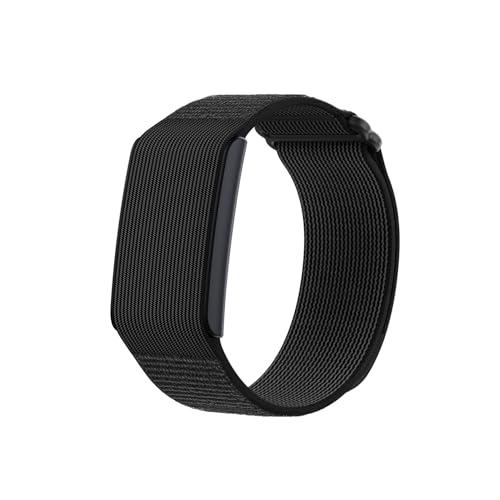
Amazfit Helio Strap review: £99.99 screenless band with 10-day battery, BioCharge readiness, rep counting and HR broadcast. No subscription. Is it a real Whoop rival?
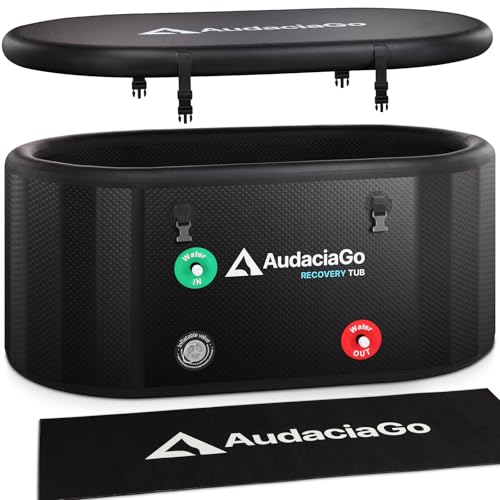
Our AudaciaGo XL ice bath review: a 140 gallon inflatable cold plunge with lid, pump and chiller ports, and why £602 is hard to justify against rivals.
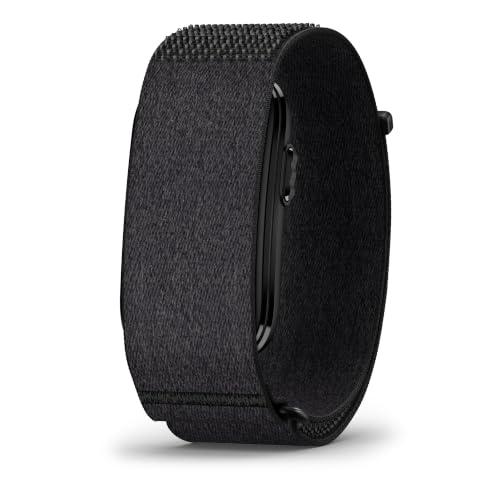
Garmin CIRQA review: a £179 screenless band with 10 day battery, sleep coaching, HRV status and no subscription. How it compares with Whoop and Fitbit Air.
Garmin Cirqa vs Fitbit Air for UK buyers: £179 against £84.99. Battery, sensors, subscriptions, Garmin Connect vs Google Health and who each band suits.
Best Exercise is a participant in the Amazon EU Associates Programme, an affiliate advertising programme designed to provide a means for sites to earn advertising fees by advertising and linking to Amazon.co.uk. As an Amazon Associate we earn from qualifying purchases. This comes at no extra cost to you and never influences our independent reviews or rankings.