Recovery
Thumper Mini Pro Review: The Corded Massager Chiropractors Use
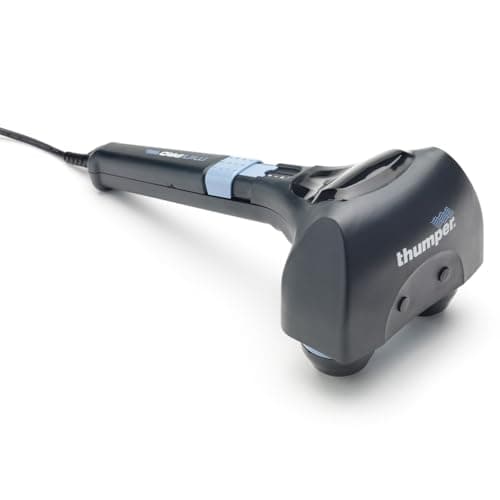
Our Thumper Mini Pro review: a corded, broad-head percussive massager with 6mm stroke and a long handle for your back. How it compares with massage guns.

By Mike Shilling, Recovery & Training Editor · Updated 29 August 2026
Most people use the gym sauna wrong, and it is usually a timing problem rather than a temperature one. They finish a hard set of squats, walk straight in still breathing hard, sit for half an hour, drink nothing, then wonder why the stairs to the car park feel like an event. Heat after training is a good habit; it just needs a bit more structure than "sit in the hot room until bored."
Here is what the evidence supports, what it does not, and a protocol you can follow this week.
Heat raises your skin and core temperature, pushes blood towards the surface, and drives sweating. Your heart rate climbs to something like a light walk, blood vessels dilate, and after repeated exposures your body starts adapting to that stress the way it adapts to training stress. That is the mechanism behind most of the interesting claims.
The research splits cleanly into two piles. On adaptation, the case is decent: a 2025 systematic review of post-exercise heat exposure concluded that heat can support training-induced adaptations, especially heat acclimation and plasma volume expansion, which matters if you race in warm conditions (Sports Med Open, 2025). On acute recovery, the same review found the evidence thin. Sitting in a sauna will not meaningfully speed up how quickly your legs stop hurting after a heavy session.
Then there is the general health pile, which is where saunas get their reputation. A systematic review of regular dry sauna bathing found consistent improvements in blood pressure and reported wellbeing among habitual users (Clinical Effects of Regular Dry Sauna Bathing), and a large Finnish cohort study tracking middle-aged men over two decades linked frequent sauna use with lower cardiovascular mortality (sauna bathing and cardiovascular outcomes). Those benefits come from the habit, not from any single session.
The honest summary
Use a sauna after training because it feels good, helps you switch off, and builds a heat habit with real long term evidence behind it. Do not use it because you think it will make tomorrow's soreness disappear. That is not what the studies show.
Numbers first, because "listen to your body" is useless advice when you have never done it.
If you are training for a hot event, the adaptation research suggests being deliberate: same time each day, consistent duration, for two to three weeks before the race. Ad hoc sessions do not produce heat acclimation.
There is a reasonable argument for keeping heat away from heavy lifting sessions by a decent margin. Your muscles are already dealing with damage and inflammation, you are likely a litre or two down on fluid, and adding a big thermal load on top is not obviously helpful. Nothing catastrophic happens if you do it, but a sauna on a rest day, or several hours after lifting, is the easier version.
Endurance work is different. Post-run heat has the better evidence base, and if you are building towards a summer race then a sauna after easy runs is one of the few genuinely supported uses.
Going straight in from the gym floor. Your heart rate is already elevated and heat pushes it higher. Sit down, drink something, wait.
Drinking nothing. People routinely lose half a kilo to a kilo of sweat in a 20 minute session, on top of what they lost training. Weigh yourself before and after for a week if you want to know your own number.
Alcohol. The Finnish sauna literature is unusually blunt about this, and so is every safety guideline. Heat plus alcohol impairs the responses that keep your blood pressure stable.
Ignoring the warning signs. Dizziness, nausea, headache, cramp, confusion or a heart rate that will not settle all mean get out now, cool down and drink. The NHS page on heat exhaustion and heatstroke is worth reading once so you recognise the pattern.
Treating a 50C tent like a 90C sauna. They are not the same stimulus. Portable infrared units are pleasant and useful; they just do not reproduce the conditions the research was done in.
Alternating heat and cold has a devoted following and a messier evidence base than either on its own. If you enjoy it, the practical version is heat first, then two to three minutes of cold, repeated a couple of times, finishing on cold if you want to feel alert or heat if you want to sleep. Cold water immersion straight after strength training is the one combination worth avoiding, since regular post-lifting cold exposure appears to blunt some of the adaptations you trained for. Our best ice bath UK guide covers the kit side.
Gym saunas are the cheapest route if your membership already includes one. At home, the two realistic options are a portable tent, like the SereneLife infrared sauna tent, or a sauna blanket if floor space is tight. Both run at lower temperatures than a cabin, so lengthen the session and lower your expectations about matching Finnish sauna studies. Our best home sauna UK guide compares the categories, and the recovery section has the rest of the kit worth considering.
Whatever you use, the habit matters more than the equipment. Three sessions a week for a year beats an expensive cabin used twice.
Fifteen to twenty minutes at 80C to 90C in a traditional sauna, or 25 to 35 minutes in a lower temperature infrared cabin or tent. Beginners should start at 8 to 10 minutes and build up over a few weeks. Get out early if you feel dizzy, nauseous or your heart is racing in a way that does not settle.
After, in almost every case. Heat before lifting raises your core temperature and reduces the quality of the session, and there is decent evidence that heat blunts strength output in the hours afterwards. The exception is a short, gentle warm-up in cold weather, and even then a bike and a set of ramp-up reps do the job better.
It helps how you feel more than it changes the underlying damage. A 2025 systematic review of post-exercise heat exposure found the evidence for speeding up acute recovery is weak, while the case for heat driving training adaptations like plasma volume expansion is stronger. Expect comfort and relaxation, not a shortcut past DOMS.
It is fine on a rest day or several hours after lifting, but avoid going straight from your last set into 90C heat if the session was heavy. Give yourself 30 to 60 minutes, eat something with protein, get fluids in, then use the sauna as a wind-down rather than part of the workout.
Roughly 500ml before you go in and another 500ml to a litre afterwards, more if you sweated heavily during training itself. Weigh yourself before and after if you want a number: every kilogram lost is about a litre of fluid to replace.
Anyone with unstable heart disease, uncontrolled blood pressure, a recent heart attack or stroke, and anyone who is pregnant should talk to a doctor first. Alcohol and saunas are a genuinely dangerous combination. If you take medication that affects blood pressure or sweating, check with your GP or pharmacist.
Our Thumper Mini Pro review: a corded, broad-head percussive massager with 6mm stroke and a long handle for your back. How it compares with massage guns.
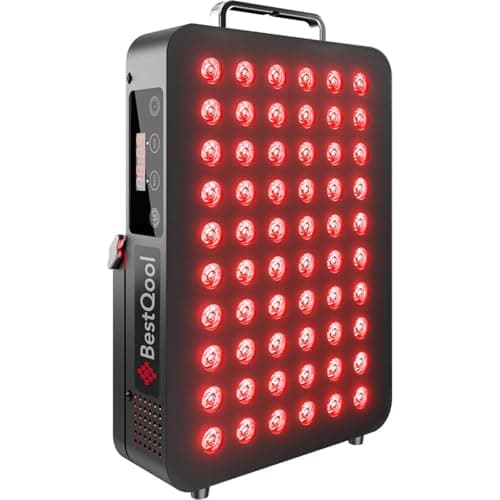
BestQool 105W red light therapy panel review: 660nm and 850nm, 95.6 mW/cm² at 3 inches, three modes, stand and hanging kit. Who it suits at £189.
Are massage chairs good for you? What randomised trials show for back pain, neck pain, stress and muscle soreness, who should avoid them, and how long and often to use one.

Our NAGLIFOR massage chair review: 14 fixed nodes, 8 airbags, back and calf heat, 165 degree zero gravity, Bluetooth and a 66cm door clearance, plus what fixed rollers miss.
Best Exercise is a participant in the Amazon EU Associates Programme, an affiliate advertising programme designed to provide a means for sites to earn advertising fees by advertising and linking to Amazon.co.uk. As an Amazon Associate we earn from qualifying purchases. This comes at no extra cost to you and never influences our independent reviews or rankings.