Sauna vs Steam Room: Which One Should You Actually Use?
By Mike Shilling, Recovery & Training Editor · Updated 1 September 2026
Walk into any decent leisure centre and you get a choice: the wood-panelled box at 85C, or the tiled cave full of fog at 45C. They feel like variations on the same idea. Physiologically they're doing different things to you, and only one of them has twenty years of Finnish population data behind it.
Here's the short version. The dry sauna is the more serious stimulus and carries almost all the long-term health evidence. The steam room is gentler, easier to tolerate, and better if your airways are the reason you're there. Neither will make tomorrow's DOMS disappear.
What each one is doing to you
A traditional sauna runs somewhere between 70C and 100C with humidity down around 10 to 20 percent. Sweat evaporates freely, which is your body's main cooling route, so you can sit in remarkably hot air without your core temperature running away. Your skin gets hot fast, blood shifts towards the surface, your heart rate climbs to something like a brisk walk, and the whole cardiovascular system spends fifteen minutes working.
A steam room reverses the numbers: about 40C to 45C, humidity pinned at 100 percent. Because the air is already saturated, sweat has nowhere to evaporate to, so it sits on your skin and your body loses its most effective cooling mechanism. That's why 45C in steam feels more oppressive than 85C in a sauna, and it's also why people misjudge how long they've been in there.
The counterintuitive bit
Lower temperature does not mean lower risk. In a steam room your core temperature can drift upwards while you feel merely warm, because the humidity has switched off the feedback you normally rely on. Time yourself rather than waiting for the room to tell you.
What the evidence supports
The heavyweight findings all come from dry sauna research, largely Finnish. A systematic review of regular dry sauna bathing reported consistent improvements in blood pressure and self-reported wellbeing among habitual users (clinical effects of regular dry sauna bathing), and a large cohort study following middle-aged Finnish men across two decades linked frequent sauna use with lower cardiovascular mortality (sauna bathing and cardiovascular outcomes). Those are observational findings on people who sauna several times a week for years, not a promise attached to a single session.
Steam rooms have no comparable body of work. That's an evidence gap rather than a demonstrated absence of benefit, and it's worth being clear about the difference. If someone tells you the steam room lowers your cardiovascular risk, they're extrapolating from sauna data.
On training specifically, a 2025 systematic review of post-exercise heat exposure concluded that heat can support training adaptations such as heat acclimation and plasma volume expansion, while the case for it accelerating acute recovery stayed weak (Sports Med Open, 2025). Our guide on using a sauna after a workout breaks down what that means for session timing.
Which one to pick
Choose the sauna if you want the cardiovascular and wellbeing effects the research actually describes, if you're heat-acclimating for a hot race, or if you simply prefer being able to breathe normally in the room. It's also the better environment for stretching, since the dry air doesn't make everything slippery.
Choose the steam room if you're congested, if your skin gets irritated by very dry heat, or if 85C is genuinely unpleasant for you. It's the more sociable room and the easier one for beginners, and there's no shame in that. A habit you keep beats a stimulus you avoid.
Choose both if the facility has both. Sauna first while your skin is dry, a proper cool-down in between, steam room last. The order matters mainly because starting wet in a dry sauna is unpleasant.
The home versions are not the same thing
This is where a lot of money gets spent on the wrong assumption. A portable steam tent runs at maybe 45C to 55C and a sauna blanket heats your skin rather than the air around you. Both feel great. Neither reproduces the conditions the Finnish research was conducted in, which involved a 80C to 90C wooden room several times a week for decades.
That doesn't make them pointless. Twenty minutes of pleasant heat that helps you switch off in the evening has real value, and the alternative for most people is no heat at all. Just buy one for the reason it can deliver rather than for a mortality statistic it cannot. Our best home sauna guide sets out what each format does honestly, and the SereneLife portable steam sauna review covers the most popular tent in detail.
Safety, briefly but seriously
Heat plus alcohol is the combination that appears in the accident literature, because both interfere with the responses keeping your blood pressure stable. Skip the beer.
Get out at the first sign of dizziness, nausea, headache, cramping or a heart rate that won't settle, then cool down and drink. The NHS page on heat exhaustion and heatstroke is a five-minute read that teaches you the pattern. Anyone pregnant, taking blood pressure medication, or living with a heart condition should ask their GP before making either room a habit, and if you're combining heat with cold water afterwards, read our guide to contrast therapy before you start alternating.
A sensible weekly pattern
Three or four sessions a week is where the observational benefits start showing up in the sauna literature, so aim for that rather than one heroic hour on a Sunday.
Dry sauna: 12 to 15 minutes, cool down for 5, repeat once or twice. Water between rounds, not after.
Steam room: 10 to 15 minutes, once or twice, with a cool shower in between to reset your skin.
After training: wait until your heart rate has settled and you've had a drink, then go in. Straight from the last set into 85C is how people end up sitting on the changing room floor.
If your goal is recovery rather than heat itself, remember that sleep and food do more than either room will. The heat is a good habit stacked on top of the basics, which is roughly how the recovery section treats everything else too.
What is the main difference between a sauna and a steam room?
Temperature and humidity, and they trade off against each other. A dry sauna runs at roughly 70C to 100C with humidity around 10 to 20 percent. A steam room sits far cooler at about 40C to 45C but at 100 percent humidity. The sauna heats you harder; the steam room feels hotter than it is because sweat cannot evaporate.
Which is better for muscle recovery after training?
Neither speeds up soreness much, which is the honest answer most people do not want. A 2025 review of post-exercise heat found decent support for heat helping training adaptation and heat acclimation, and thin evidence for it fixing next-day muscle pain. Pick whichever one you will actually sit in for fifteen minutes.
Is a steam room better for a blocked nose?
For symptom relief while you are in there, yes. Warm, fully saturated air feels good on irritated airways and loosens mucus, which is why steam rooms are the more popular choice during a cold. It shortens nothing; it just makes an hour more comfortable.
Which one is better for your heart?
The long-term cardiovascular evidence sits almost entirely with the traditional dry sauna, including Finnish cohort data linking frequent use with lower cardiovascular mortality. Steam rooms have not been studied anywhere near as much, so the fair statement is that the sauna has the evidence rather than that the steam room lacks the effect.
How long should you stay in each?
In a dry sauna, 10 to 20 minutes is a normal session, and regular users often do two or three rounds with a cool-down between. In a steam room, 10 to 15 minutes is plenty, because you cannot shed heat by evaporating sweat and your core temperature climbs steadily whether you notice or not.
Can you use both in the same session?
Yes, and plenty of spa-goers do. Take the sauna first while you are dry, cool down properly, then finish in the steam room where the humidity is kinder to your airways. Drink water between rounds and stop if you feel light-headed at any point.
WHOOP vs Apple Watch compared for UK buyers: WHOOP 5.0 and MG memberships against the Apple Watch Series 12, SE 3 and Ultra 4. Battery, recovery, HRV, sleep, GPS, accuracy research and the real cost over three years.
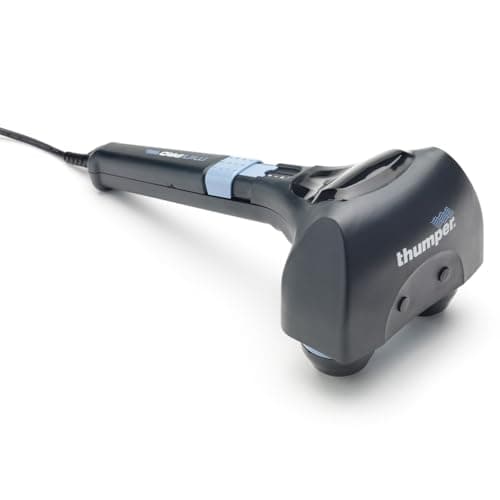
Our Thumper Mini Pro review: a corded, broad-head percussive massager with 6mm stroke and a long handle for your back. How it compares with massage guns.
Are massage chairs good for you? What randomised trials show for back pain, neck pain, stress and muscle soreness, who should avoid them, and how long and often to use one.
Best Exercise is a participant in the Amazon EU Associates Programme, an affiliate advertising programme designed to provide a means for sites to earn advertising fees by advertising and linking to Amazon.co.uk. As an Amazon Associate we earn from qualifying purchases. This comes at no extra cost to you and never influences our independent reviews or rankings.