Recovery
Yewglen Massage Chair Review: Zero Gravity, 14 Rollers and a Height Limit
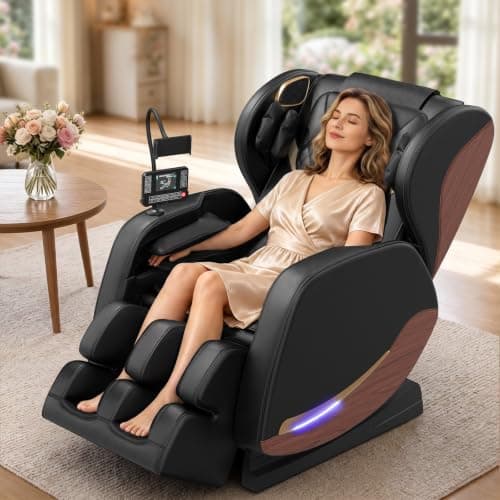
Our yewglen massage chair review: 14 fixed rollers, 8 airbags, back and leg heat, 165 degree recline and a 175cm height cap, compared with rival budget chairs.

By Mike Shilling, Recovery & Training Editor · Updated 3 September 2026
We may earn a commission from qualifying purchases made through links on this page, at no extra cost to you. This never affects our ratings.
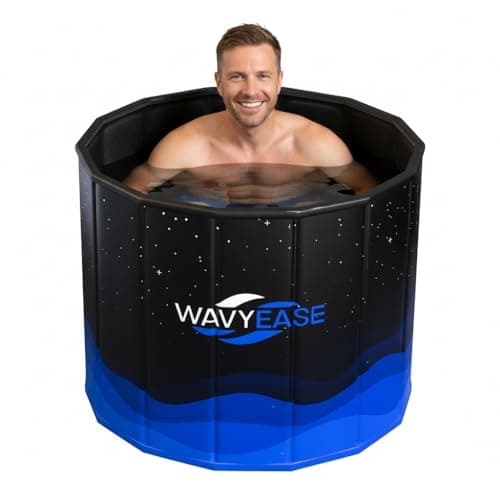
Forty quid gets you a cold plunge tub in 2026, which would have sounded ridiculous a few years ago when the realistic options were a builder's trug, a wheelie bin, or a wetsuit and a cold lake. The WAVYEASE sits at the bottom of that market without feeling like a bin bag on a frame, mostly because of one design decision: nothing on it inflates.
How we review
This review draws on WAVYEASE's published dimensions and materials, the patterns in verified UK owner reviews, and straightforward heat calculations for the ice figures. We have not run a multi-year durability test on this specific tub, so treat anything about long-term outdoor use as owner consensus rather than our own finding.
Most tubs at this price are inflatable barrels. They come with a hand pump, a ring that needs topping up every fortnight, and a puncture repair kit you will eventually need. The WAVYEASE instead uses 14 stiffened support panels sewn into the wall, so it unfolds like a laundry basket and stands up on its own. Setup is genuinely under a minute, and there is no valve to fail in February.
That rigidity has a second benefit. Inflatable walls flex inward when you sit down and squeeze water up over the rim; the panelled walls barely move, so you lose less water and the tub stays where you put it.
Check the WAVYEASE ice bath price on AmazonThe unfolded tub is about 80cm across and 66cm tall. WAVYEASE claims it fits adults up to 190cm, and that is true in the same way a bath fits you: you sit, you draw your knees in, and your shoulders go under. Nobody is stretching their legs out. If you are broad across the shoulders or you want to lie back, look at a 340 litre tub instead, such as the VEVOR 80cm, or step up to a rigid insulated model like The Cold Pod 320L.
At 66cm tall the working water depth lands around 50cm once you allow freeboard for displacement. That is chest-deep on most people when seated, which is what you want. Shoulders under, head out, hands out of the water if you are new to it.
| Unfolded size | Approx 80 cm diameter x 66 cm tall |
|---|---|
| Folded thickness | Approx 10 cm |
| Empty weight | 3.2 kg |
| Estimated capacity | Roughly 230 to 250 litres at a usable fill |
| Construction | 7 layer coated fabric, 14 structural support panels |
| Temperature range | -10C to 60C |
| Setup | Unfold, no pump or inflation |
| Drainage | None fitted: siphon, bail or tip |
| Price at review | £39.99 |
The tub is £39.99 once. The ice is forever. Chilling roughly 240 litres from a 15C July tap down to 5C takes around 30kg of ice, which is seven or eight bags from a supermarket freezer and about £4 to £5 a session depending on where you shop. Do that four times a week through summer and the ice costs more in a month than the tub did.
Two things soften that. First, you do not need 5C. Ten degrees is cold enough to trigger everything that matters, and most July tap water gets there on about half the ice. Second, British winter does the job for free: from late November the mains often arrives between 7C and 9C, and you just fill and get in.
Emptying. There is no drain valve, so you are siphoning 240 litres through a hose or bailing it into a watering can. Plan for this before you buy, because a tub you dread emptying is a tub you stop using. A £6 garden siphon hose solves it if you have anywhere lower than the tub for the water to run.
The other complaint in owner reviews is heat retention, which is a fair criticism of the category rather than this product. Seven layers of coated fabric is not insulation; it is a wall. Water chilled in the morning will be noticeably warmer by evening, and covered or not, a sunny patio undoes your ice in hours. Fill it, use it, drain it.
See today's WAVYEASE priceThe strongest case for cold immersion is how you feel afterwards, and that effect is real and reasonably well documented, alongside genuine cardiovascular risk in the first thirty seconds when the cold shock response hits (health effects of voluntary cold water exposure). If you have any heart history at all, read the British Heart Foundation's take before your first session (BHF on cold water swimming).
Lifters need one extra warning. Plunging straight after resistance training blunts the signalling that drives muscle growth, and controlled work has measured smaller long-term strength and size gains than active recovery (cold water immersion and strength adaptation). Put several hours between the two, or save the tub for rest days and hard conditioning work where feeling recovered beats adapting.
Sixty to ninety seconds at 10C is plenty to start with. Our guide on how long to stay in an ice bath covers the progression, and if you want to pair it with heat, read contrast therapy first.
Roughly 80cm across and 66cm tall when unfolded, and it packs down to about 10cm thick. WAVYEASE says it suits adults up to 190cm, which is fair as long as you accept sitting with your knees drawn up rather than stretched out.
There is no official litre figure. Filled to a usable level of around 50cm, the 80cm diameter works out at roughly 230 to 250 litres, which is our calculation from the published dimensions rather than a manufacturer number.
Taking about 240 litres of 15C summer tap water down to 5C needs somewhere near 30kg of ice, so seven or eight supermarket bags. From November to March the mains water often arrives at 7C to 9C and you can skip the ice entirely.
No, and that is the main reason to pick it. There is no pump, no valve and no ring to top up. You unfold it, the 14 support panels hold the walls upright, and you fill it.
By hand or by tipping, because there is no drain valve on the base. Most owners siphon it with a hose or bail the first half out with a bucket, which is the least appealing part of owning one.
Yes. WAVYEASE rates the material from -10C to 60C, so it doubles as a soaking tub if you live somewhere with only a shower. Do not pour boiling water straight in.
Our yewglen massage chair review: 14 fixed rollers, 8 airbags, back and leg heat, 165 degree recline and a 175cm height cap, compared with rival budget chairs.
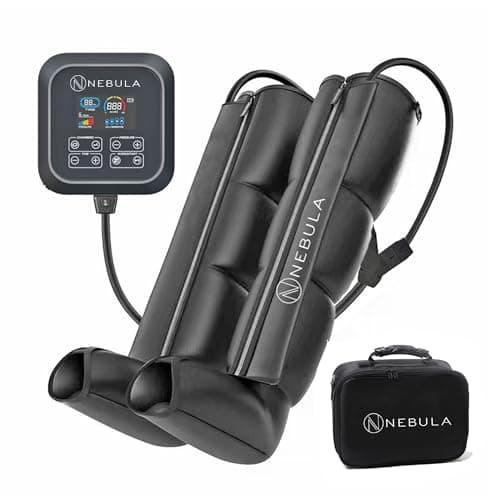
Our Nebula compression boots review: 6 modes, 30 to 260 mmHg, a 90 minute timer and mains power for £229.99. How they compare with Normatec 3 and FIT KING.
WHOOP vs Apple Watch compared for UK buyers: WHOOP 5.0 and MG memberships against the Apple Watch Series 12, SE 3 and Ultra 4. Battery, recovery, HRV, sleep, GPS, accuracy research and the real cost over three years.
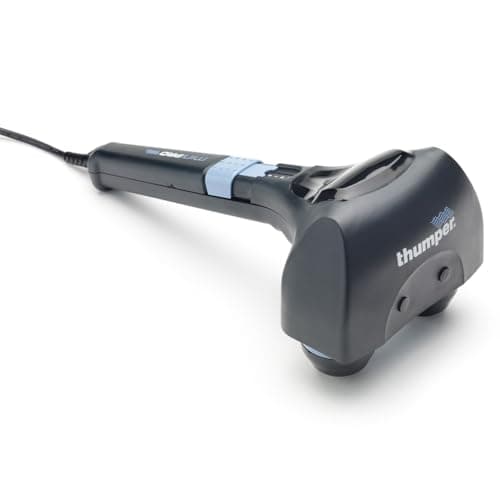
Our Thumper Mini Pro review: a corded, broad-head percussive massager with 6mm stroke and a long handle for your back. How it compares with massage guns.
Best Exercise is a participant in the Amazon EU Associates Programme, an affiliate advertising programme designed to provide a means for sites to earn advertising fees by advertising and linking to Amazon.co.uk. As an Amazon Associate we earn from qualifying purchases. This comes at no extra cost to you and never influences our independent reviews or rankings.