Recovery
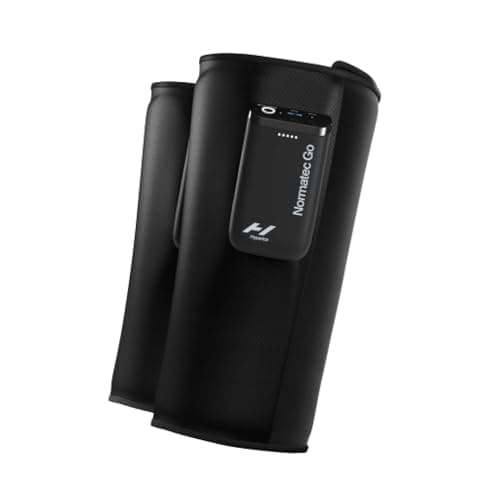
Hyperice Normatec Go Review: Wireless Calf Compression for £329
Our Hyperice Normatec Go review: wireless calf sleeves with 7 pressure levels, HyperSync and a 3-hour battery for £329, plus who should buy full-leg boots instead.

By Mike Shilling, Recovery & Training Editor · Updated 30 October 2026
Good sauna etiquette comes down to this: shower first, wear swimwear unless the venue says otherwise, always sit on a towel, keep quiet, leave your phone in the locker and ask before you pour water on the stones. Those six habits cover about 90% of what regulars care about in a UK gym or leisure-centre sauna. Spas and continental saunas add a few more rules, and a home sauna has its own quirks when guests come round, so we'll go through each setting in turn, then finish with the safety side, which matters more than any of the manners.
Most UK saunas sit next to a pool or inside a gym changing area, and they're shared by people who've just swum, just trained or just come in for a sweat. That mix is why the rules exist.
Rinse off before you step in. You're removing sweat from your workout, deodorant, perfume and pool chlorine, all of which smell much stronger once they're heated. A rinse also takes the edge off any body odour you didn't notice in the changing room. Pat yourself dry afterwards, because water on your skin has to evaporate before you start sweating properly.
This is the one rule nobody bends. Put a towel under everything that touches the bench, including your feet if you're lying down or sitting with your legs up. Wooden benches absorb sweat, and a towel is the only thing stopping yours soaking into the slats for the next person. Bring a bath towel big enough to sit on comfortably, not a hand towel that leaves your thighs on bare wood.
British leisure centres and gym chains almost always require swimwear in mixed saunas, and many have signs saying so. A swimming costume or swim shorts is the norm. What you shouldn't wear is gym kit: sweaty leggings and T-shirts carry everything you've just done on the treadmill into a small, hot box. Trainers and flip-flops stay outside too, though some people leave flip-flops just by the door.
A gym sauna isn't a library, and a quiet word with a mate is fine. Loud conversations, music from earbuds and group chats across the benches aren't. Read the room when you walk in. If everyone's silent with their eyes shut, that's the vibe.
Phones are banned in almost every public sauna, partly for privacy (people are in swimwear or less) and partly because the heat is bad for them. Lithium batteries don't like being cooked. Leave it in your locker and give your eyes a break for ten minutes.
Lying flat across a top bench in a busy sauna is the fastest way to annoy regulars. If the room's empty, stretch out. Once others come in, sit up and make space. The top benches are hottest, so newcomers often sit low and move up once they're used to the heat.
Every second the door stays open, heat pours out and everyone inside feels it. Step in, shut it behind you, and don't stand chatting in the doorway.
It sounds obvious, but people do it. The sauna is not an extension of your bathroom. Same goes for applying oils, scrubs or face masks in a shared cabin unless it's a spa that specifically allows it.
The one-minute version
Rinse, dry, towel down, swimwear on, phone in the locker, voice low, door shut fast. Ask before touching the water bucket. That's it.
In Finland, the steam that rises when you throw water on the hot stones is called löyly, and it's the best part of a traditional sauna. It also changes the room for everybody. A single ladle can make the air feel several degrees hotter within seconds, even though the thermometer barely moves, because humid air stops sweat evaporating and your skin can't cool itself.
So the etiquette is simple. If there's a bucket and ladle, the sauna is built for it, but you still ask the people already in there ("mind if I put some water on?") before you pour. Pour one small ladle at a time, aimed at the stones, and wait for the steam to settle before adding more. Never empty the bucket in one go.
Some rules that catch people out:
Spa saunas are usually quieter, more ritualised and more relaxed about clothing than gym ones. Expect these differences:
If you're weighing up a sauna against the steam room at your spa, the two need slightly different habits. Our sauna vs steam room guide covers the temperature and humidity differences.
This is the bit that surprises Brits abroad. In Finland, saunas are traditionally used naked, usually in single-sex sessions or with family. In Germany, Austria and much of the Netherlands, many public sauna areas are textile-free, and they're often mixed. Wearing swimwear there can actually break the rules, because the venue treats costumes as unhygienic: they trap pool water and chemicals against hot wood.
The etiquette in a textile-free sauna is relaxed and entirely non-sexual. Nobody stares, nobody comments, and you sit fully on your towel so no skin touches the bench. If that's not for you, look for a venue with a swimwear area, or go at a single-sex time.
Back in the UK, the default flips. Unless a sign says a sauna is textile-free, wear swimwear.
Owning a sauna changes the rules a bit, because you're now the host. A few things make it work when friends or family come round:
If you're still deciding which kind to buy, our roundup of the best home saunas in the UK covers barrel, cabin, infrared and portable options at different prices.
Etiquette keeps the room pleasant. Safety keeps you out of hospital. Sauna bathing is well tolerated by most healthy adults, according to a widely cited review in the American Journal of Medicine (Hannuksela and Ellahham, 2001). That same review lists real exceptions, so take these seriously.
You lose a fair amount of fluid through sweat, and it's easy to underestimate. Drink water before you go in and again after each round. If you've just come out of a hard workout, you're already partly dehydrated, so give yourself a few minutes and a drink before you head in. We cover the timing in more detail in using a sauna after a workout.
Don't drink before or during a sauna. The 2001 review notes that alcohol during sauna bathing raises the risk of low blood pressure, heart rhythm problems and sudden death. A few pints at the spa bar followed by a sauna round is exactly the pattern to avoid.
The same review lists unstable angina, a recent heart attack and severe aortic stenosis as reasons not to use a sauna. It also found sauna use is safe for most people with stable coronary heart disease, but "most" is not "all". If you have a heart condition, high or low blood pressure, are pregnant, or take medication that affects blood pressure or sweating, speak to your GP before starting. A later review of the cardiovascular research (Laukkanen and colleagues, 2018) links regular Finnish sauna use to lower cardiovascular risk, but that's observational data in people who were healthy enough to use saunas, not a reason to push through symptoms.
For most healthy adults, 8 to 15 minutes per round is enough, and beginners should start nearer 5 to 10. Cool off with a shower and rest for a few minutes before another round. Two or three rounds is a normal session.
Get out straight away if you feel dizzy, sick, confused, or develop a headache or a racing heart. These overlap with the early signs of heat exhaustion listed by the NHS, which advises moving somewhere cool, lying down with your feet raised and drinking water. Stand up slowly when you leave, because blood pressure can drop as you rise from a hot bench.
If you enjoy the hot-cold routine, it pairs well with a cold plunge or cold shower between rounds; our guide to contrast therapy explains how to sequence it safely.
In almost every UK gym, leisure centre and hotel spa you wear swimwear, usually a costume or swim shorts, and sit on a towel. Some spas are swimwear-optional in specific areas, and they'll say so clearly at reception or on signs. Don't wear gym kit, trainers or cotton T-shirts into the cabin: sweaty clothes are unhygienic and synthetic gym fabrics can get uncomfortably hot.
Yes. A quick rinse before you go in is standard in Finland, Germany and almost every UK facility that posts rules. It takes off sweat, deodorant, perfume and pool chlorine, so the cabin stays fresh for everyone. Dry off afterwards too, because you'll actually sweat faster with dry skin.
Only if the sauna is designed for it (there'll be a bucket and ladle) and the people already sitting in there are happy. Ask first. A single ladle raises the felt heat sharply, so pour small amounts. Never pour water on an electric heater that has no stones, and never use anything other than plain water unless the facility supplies the scent.
For most healthy adults, 8 to 15 minutes per round is plenty, and newcomers should start at 5 to 10. Get out sooner if you feel dizzy, sick or get a headache. Two or three rounds with a cool shower and a rest in between is a typical full session.
Quiet conversation is fine in most UK gym saunas, but loud chatting, phone calls and group banter aren't. Spa saunas tend to expect near silence. If the room is silent when you walk in, keep it that way.
No. Phones are banned in nearly every public sauna because of privacy (people are in swimwear or less) and because heat damages batteries. Most manufacturers list a maximum operating temperature well below sauna heat. Leave it in your locker.
Our Hyperice Normatec Go review: wireless calf sleeves with 7 pressure levels, HyperSync and a 3-hour battery for £329, plus who should buy full-leg boots instead.
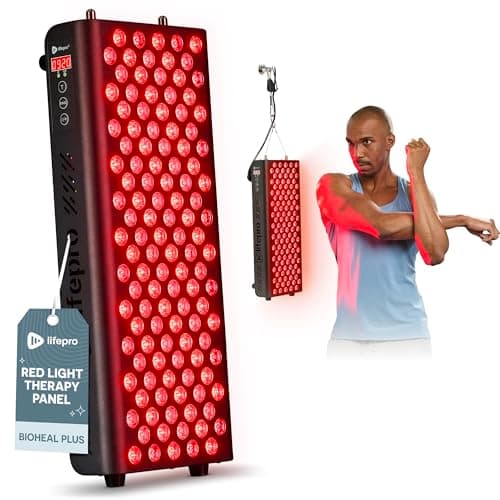
LifePro red light therapy panel review: 660nm and 850nm, 10Hz pulse, wall mounts and hard case at £320.76, plus the specs LifePro's listing leaves out.
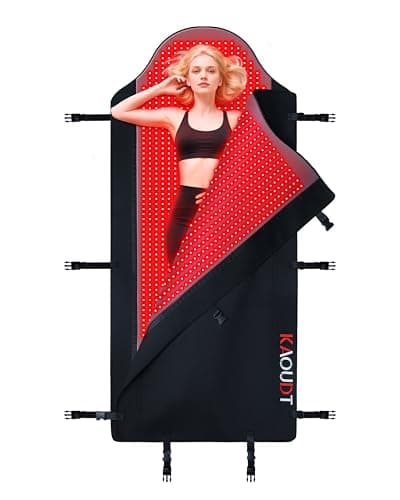
An honest Kaoudt red light therapy mat review: 2,600 LEDs at 660nm and 850nm, a 183cm wrap design, no published irradiance and a £720 price tag.
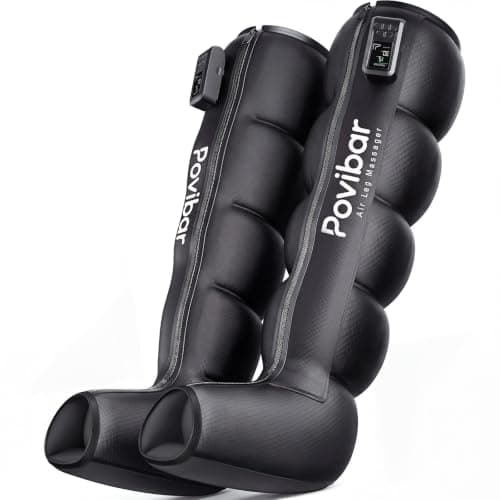
Our Povibar cordless compression boots review: 5 air chambers, 3 modes, 5 intensities and 180 minutes of battery for £200, but no published pressure figure.
Best Exercise is a participant in the Amazon EU Associates Programme, an affiliate advertising programme designed to provide a means for sites to earn advertising fees by advertising and linking to Amazon.co.uk. As an Amazon Associate we earn from qualifying purchases. This comes at no extra cost to you and never influences our independent reviews or rankings.