Best Ice Bath UK 2026: Cold Plunge Tubs Tested Against the Research
By Mike Shilling, Recovery & Training Editor · Updated 21 July 2026
We may earn a commission from qualifying purchases made through links on this page, at no extra cost to you. This never affects our ratings.
Ice baths went from an obscure recovery ritual to a garden fixture in about three years, and Amazon UK is now full of tubs that look almost identical in the photos and behave nothing alike in a British February. The difference between a tub you will still be using in six months and one that ends up folded behind the shed comes down to three things: how well it holds temperature, how quickly it drains, and whether you can actually get in and out of it comfortably. This guide picks the ones that get those right, and it is honest about what the research does and does not support.
How we chose
We researched the ice baths and cold plunge tubs currently in stock on Amazon UK rather than running our own long-term hands-on test of each one. We compared insulation construction, capacity, drainage, lid design and owner feedback, and we checked every product was genuinely buyable at the time of writing. Prices and specs change, so always confirm the current details before you buy.
What the science actually says
This matters more than the kit, so it is worth getting straight before you spend anything.
Cold water immersion is genuinely good at making sore muscles feel less sore. The broader health claims are shakier. A large review of the literature on voluntary cold exposure concluded that while there are promising signals around body composition and insulin sensitivity, the evidence base is thin, inconsistent and confounded by the fact that people who plunge tend to do other healthy things too (review of voluntary cold water exposure).
There is also a real trade-off if you lift. A well-known trial found that regular cold water immersion after strength training suppressed anabolic signalling and blunted long-term gains in muscle mass and strength (post-exercise cold water immersion and strength training). If you are training for size or strength, keep the plunge away from your lifting days, or use it on rest days and before sessions rather than straight after.
And it is not risk-free. The British Heart Foundation notes that cold water raises heart rate and blood pressure sharply and can trigger abnormal heart rhythms, and it advises anyone with a heart condition to check with their doctor first (BHF on cold water swimming and the heart). Never plunge alone, never after alcohol, and get out if you start shivering violently.
None of that means do not buy one. It means buy one for soreness, mood and the discipline of it, not because a podcast promised you a metabolic transformation.
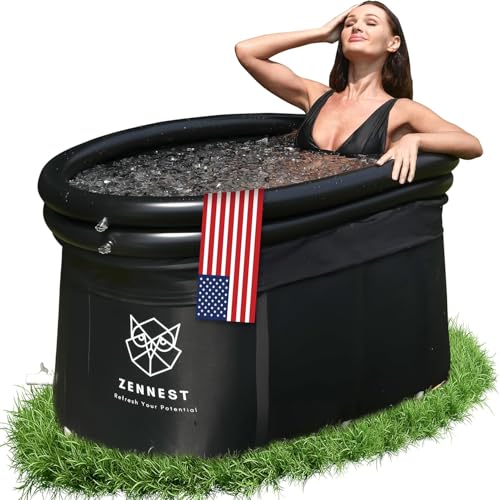
1. Zennest XXL Oval Ice Bath Tub: Best Overall
The Zennest is the tub we would point most people to first, and the reason is simple: it is big enough to lie in. Most budget pods are round barrels that force you into a knees-to-chest crouch, which is fine for two minutes and miserable for ten. The oval shape here lets you stretch your legs out and get your shoulders under, which is the difference between a session you tolerate and one you repeat.
The build is a six-layer insulated wall rather than the single-skin PVC of the cheap pods, and that is where the money goes. Filled and covered, it will hold a usable temperature overnight in cool weather, so you are topping up with a bag of ice rather than starting from zero. It comes with a fitted cover, which is not optional in a UK garden unless you enjoy fishing leaves out of cold water.
The honest downsides: at around 150 gallons it takes a lot of water and a lot of ice to bring down on a warm day, it is heavy and awkward to move once filled, and the drain is a basic valve that empties slowly. Set it up somewhere it can live permanently and you will not care.
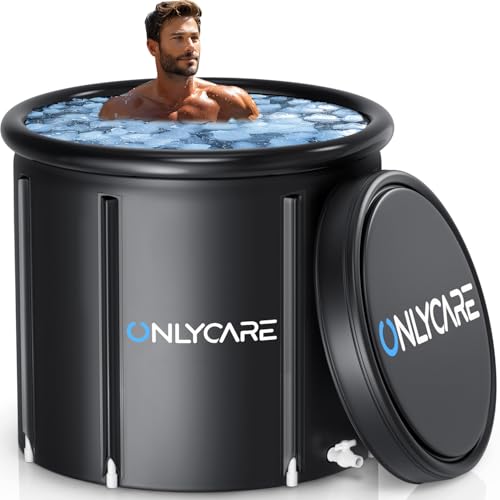
2. ONLYCARE XXL Insulated Ice Bath Tub: Best Insulation
If your main frustration with cold plunging is the cost and faff of ice, this is the one to look at. ONLYCARE builds it around a thick multi-layer insulated shell and a close-fitting lid, and it is marketed on holding temperature for hours rather than minutes. In practice that means a bag of ice in the evening still gives you a cold bath in the morning, which changes the economics of plunging every day.
It is sized for two adults, so there is plenty of room to sit properly upright with your shoulders submerged, and the reinforced base means it stands up on its own rather than sagging when filled. The frame poles are sturdier than the flimsy tent-pole affairs on cheaper pods.
The catch is bulk. All that insulation makes it heavier and slower to pack away, so this is a leave-it-out tub rather than something you fold into a cupboard between sessions. At around £90 it is also not the cheapest way in. If you plunge two or three times a week or more, the ice you save pays for the difference quickly.
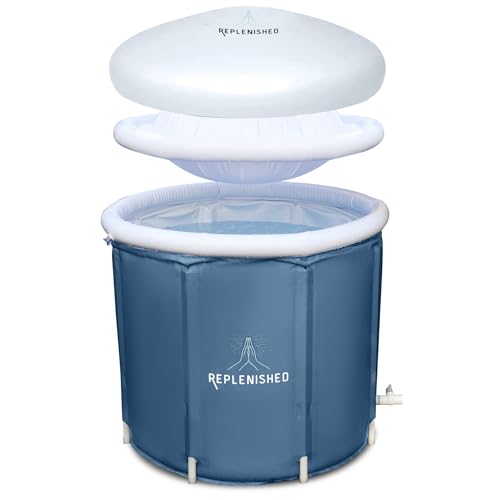
3. Replenished Portable Ice Bath with Dome Lid: Best for Small Gardens
Not everyone has a corner of a lawn to give over to a 400L oval tub. The Replenished is the sensible pick for a small patio, a courtyard or a shared garden where the thing needs to look tidy and disappear when guests come round.
It is a 370L upright barrel with an insulated wall and a domed lid, and the dome is a genuinely good detail: it sheds rain and leaves rather than collecting a puddle on top like a flat cover does. The footprint is small, the grey finish is less garish than the usual black-and-blue sports styling, and it packs down into its own bag in a few minutes.
The trade-off is posture. This is a sit-upright barrel, so tall users will have their knees up and their shoulders will need a deliberate slouch to submerge. It also holds less water than the bigger tubs, which cuts both ways: less ice to chill it, but the temperature climbs faster once you are in it. For a compact, tidy, everyday plunge it is hard to fault at around £70.
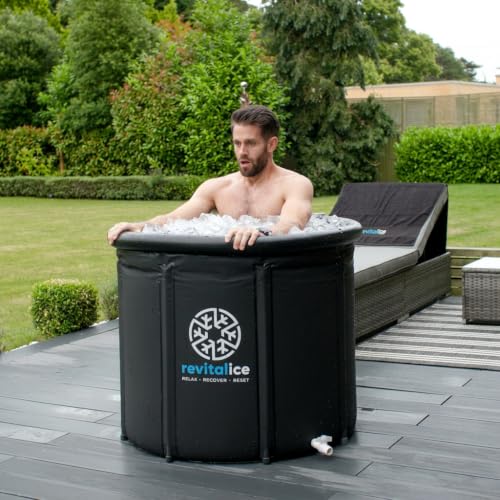
4. Revitalice XL 500L Inflatable Ice Plunge Pool: Best Inflatable
Inflatable plunge pools solve a specific problem: comfort. Rigid-walled barrels are cold and hard against your back, and the frame poles are one more thing to lose. This Revitalice inflates into a self-supporting 500L pool with soft walls you can lean against, which makes longer sessions considerably more pleasant.
It comes as a complete kit with a hand pump, a thermometer, a cover and a carry bag, so there is nothing else to buy. The 500L capacity is the largest here, which means a proper full-body soak, and the inflated walls give reasonable insulation on their own.
Be realistic about the downsides. Inflatables can develop slow leaks, they are more vulnerable to a dropped ice bag or a curious dog than a rigid tub, and 500L of water is a lot of ice to chill from a summer tap temperature. Keep the patch kit somewhere you will find it. At around £65 with everything included, it is still the best-value comfortable option here.
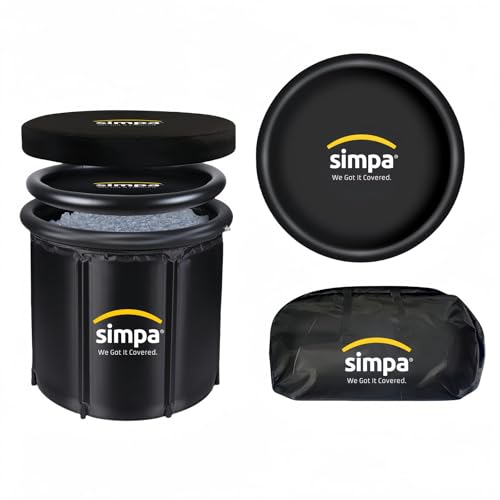
If you are not yet sure whether cold plunging is for you, do not spend three figures finding out. The simpa pod is the honest entry point: a 330L barrel with a lid, an all-weather outer cover and a drain valve, for around £45.
It does the job. You can fill it, ice it, sit in it and get the soreness relief you came for. The lid and cover mean it is not a leaf trap, and the drain valve saves you tipping 300kg of water across the patio. For a first season of plunging, that is genuinely all you need.
What you give up is insulation. The wall is thin compared with the Zennest or the ONLYCARE, so it warms noticeably faster and you will use more ice per session. The frame is the basic pole-and-sleeve design and needs a bit of care when you assemble it. Treat it as a trial rather than a forever tub and it is excellent value.
Insulation is the whole game. A single-skin tub in a British garden loses its cold in an hour or two. A multi-layer insulated tub with a fitted lid holds it overnight. Over a year of regular use, the ice you save on an insulated tub will outweigh the extra £50 you paid for it several times over.
Size it around how you want to sit. Oval and rectangular tubs let you lie back and submerge your shoulders. Round barrels make you sit upright with your knees raised. Neither is wrong, but if you are over about 6ft, a barrel gets uncomfortable fast.
Check the drain. A 400L tub is nearly half a tonne of water. A proper valve with a hose fitting turns emptying into a five-minute job you can walk away from. A tub without one turns it into a wrestling match.
Think about the lid before the tub. An uncovered outdoor tub collects rain, leaves, insects and algae, and it loses temperature far faster. Every pick here comes with a cover for that reason.
Have a warm-up plan. A dressing gown, a towel and a hot drink waiting by the tub matter more than another £30 of insulation. Rewarming gently is part of the session, and the shivering afterwards is normal.
Ice baths versus the alternatives
Cold water is not the only recovery tool, and it is not always the right one. If your problem is stiffness and trigger points rather than general post-session soreness, a massage gun or a foam roller targets it more precisely and does not interfere with your training adaptations. If you want the ritual and the mood lift without the cold, a sauna blanket gets you the heat side of contrast therapy for a similar spend.
The most sensible setup for most home trainers is a cheap tub used two or three times a week on non-lifting days, plus decent soft-tissue kit for everything else. Cold plunging is a supplement to sleep, food and sensible programming, not a replacement for any of them.
For most people the Zennest XXL Oval Ice Bath Tub is the best all-round choice. It is big enough for a full-length soak rather than a knees-to-chin huddle, the multi-layer insulated wall holds temperature far longer than a single-skin tub, and it packs away when you are not using it. At around £110 it costs more than the basic pods but far less than a plumbed-in plunge unit.
How cold should an ice bath be and how long should I stay in?
Most protocols used in research sit between 10C and 15C for roughly 5 to 15 minutes, and colder water needs shorter exposure. If you are new to it, start at the warm end for 2 to 3 minutes and build up. Going colder and longer is not automatically better, and it raises the risk of cold shock and hypothermia.
How much ice do I actually need?
In a 300L to 400L tub, expect to use roughly 10kg to 20kg of ice to drop tap water into the low teens, more in summer. This is why insulation matters so much. A well-insulated, covered tub can hold a usable temperature overnight, so you are topping up rather than starting from scratch every session.
Do ice baths help you recover?
Cold water immersion reliably reduces the feeling of muscle soreness and is popular for that reason, but the wider health claims are still contested in the literature. Importantly, regular post-workout cold plunging appears to blunt long-term strength and muscle gains, so lifters should keep it away from their hard sessions.
Are ice baths safe?
For healthy adults, short and sensible exposures are generally well tolerated, but cold water triggers a sharp rise in heart rate and blood pressure. Anyone with a heart condition, high blood pressure or who is pregnant should speak to their GP first, and nobody should plunge alone or after drinking alcohol.
Where should I put an ice bath?
Outside on a flat, solid surface is ideal, since a 400L tub full of water weighs over 400kg and you will splash. Patios, decking and gravel bases all work. Avoid balconies and upstairs rooms entirely, and if you are using one indoors, put it in a room with a drain and a hard floor.
WHOOP vs Apple Watch compared for UK buyers: WHOOP 5.0 and MG memberships against the Apple Watch Series 12, SE 3 and Ultra 4. Battery, recovery, HRV, sleep, GPS, accuracy research and the real cost over three years.
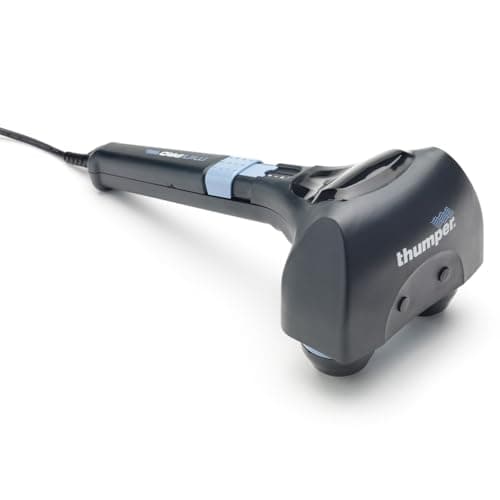
Our Thumper Mini Pro review: a corded, broad-head percussive massager with 6mm stroke and a long handle for your back. How it compares with massage guns.
Are massage chairs good for you? What randomised trials show for back pain, neck pain, stress and muscle soreness, who should avoid them, and how long and often to use one.
Best Exercise is a participant in the Amazon EU Associates Programme, an affiliate advertising programme designed to provide a means for sites to earn advertising fees by advertising and linking to Amazon.co.uk. As an Amazon Associate we earn from qualifying purchases. This comes at no extra cost to you and never influences our independent reviews or rankings.