Recovery
COROS vs Garmin: Which Running Watch Should You Buy in 2026?
COROS vs Garmin for UK runners: PACE 4, PACE 4 Pro, APEX 4 and NOMAD against Forerunner, fenix and Instinct on battery, maps, apps, Garmin Pay and price.

By Mike Shilling, Recovery & Training Editor · Updated 16 November 2026
We may earn a commission from qualifying purchases made through links on this page, at no extra cost to you. This never affects our ratings.
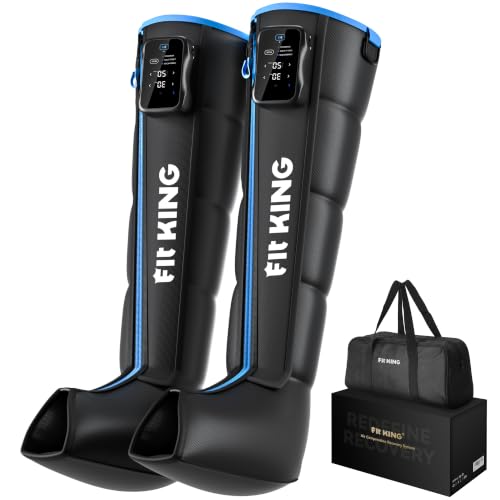
FIT KING
The FIT KING cordless leg massager is a well specified pair of compression boots that costs too much. At £699.99 you get five air chambers per leg, 11 pressure steps from 50 to 150 mmHg, a controller and battery built into each boot, Bluetooth syncing and a 24 month warranty. That's a neat package. The trouble is that FIT KING's own FT-115A already offered the same zones and pressure range for around £400, and once you're paying close to £700 the Hyperice Normatec Premier at roughly £849 stops looking like an extravagance.
So the question this review answers is narrow: is losing the separate controller, and gaining a longer warranty, worth roughly £300 over FIT KING's earlier boots? For most runners and lifters, no. For a small group who'll use the boots every day and hate fiddling with a handheld unit, maybe, ideally on a discount.
How we review
This is a research based review. We haven't tested this unit ourselves. It draws on FIT KING's Amazon UK listing (checked on 16 November 2026), the peer reviewed evidence on intermittent pneumatic compression, and comparison with the other compression boots we've reviewed. As a new listing, it has little long term owner feedback yet, so we can't comment on durability beyond what the warranty implies.
The headline change is the layout. On the FIT KING FT-115A, both boots run from a single handheld touchscreen controller. On this model each boot carries its own controller and 2600mAh battery, and the two talk to each other over Bluetooth: change the pressure on one and the other follows. Unpair them and they become two independent single leg devices, which FIT KING pitches as a way for two people to recover at the same time.
FIT KING also lists "smart pressure sensors" that monitor the fit and adjust the intensity to the shape of your leg, plus an emergency stop switch. We can't independently verify how well the auto adjustment works; it's a listing claim, and the FT-115A managed without it.
Everything else is familiar. Three modes, 10 timer settings from 15 to 60 minutes, and the same 50 to 150 mmHg range across 11 steps. If you've read our FT-115A review, the session itself will feel much the same on paper.
Check FIT KING cordless boots price on AmazonThis is the comparison that matters most, because FIT KING is effectively competing with itself. The FT-115A was £399.99 when we reviewed it, with a 2500mAh battery quoted at 3 to 4 hours and the ability to run while charging. The cordless model's 2600mAh per boot gives you up to 3 hours on both legs; that's two batteries rather than one, but the quoted run time for a two leg session isn't longer.
What you're paying the extra for, then, comes down to two things. One is convenience: nothing to hold, no unit dangling between your legs on the sofa, and less to pack for a race weekend. The other is the 24 month warranty, which is a real improvement on a device with pumps and lithium batteries inside it. If neither of those would change how often you use your boots, buy the FT-115A instead, or look at FIT KING's mains powered four zone leg compression machine if you only ever use them in one chair.
Price is where this falls down. Hyperice's Normatec Premier costs around £849 and also builds everything into the boots. Its pressure range tops out lower (40 to 110 mmHg across 7 levels), but the published research mostly uses pressures around 80 mmHg anyway, so the FIT KING's extra headroom matters less than the number suggests. Normatec's ZoneBoost targeting, Bluetooth app and years of use in professional sport are what the extra £150 or so buys.
Therabody's JetBoots Prime are the sharper comparison. They're fully wireless with the pump and battery in the boots, they run around 3 hours, and they cost about £469. JetBoots Prime only has four chambers and four pressure levels, and Therabody doesn't publish an mmHg range, so the FIT KING is more adjustable. Is that worth £230? We don't think so for most people.
At the cheap end, Povibar's hose free boots cost about £200 with five chambers and an auto adjusting pressure sensor, albeit with only five intensities and a 30 minute maximum timer. They prove that "built into the boot" is no longer a premium feature.
| Design | Controller, pump and battery built into each boot |
|---|---|
| Chambers per leg | 5, foot to thigh, 360 degree wrap |
| Pressure range | 50 to 150 mmHg across 11 levels |
| Modes | 3 |
| Timer | 15 to 60 minutes, 10 settings |
| Sync | Bluetooth dual control; boots can also run independently |
| Battery | 2600 mAh per boot; up to 3 hours both legs, 6 hours one leg |
| Sensors | Auto pressure adjustment to leg shape (manufacturer claim) |
| Safety | Emergency stop switch |
| Weight | Approx 4.2 kg (listed item weight) |
| Size listed | Medium |
| Warranty | 24 months |
| Price | £699.99 on Amazon UK (16 November 2026) |
It's worth being blunt here, because a £700 price tag invites bigger expectations than the research supports. A 2024 meta-analysis of lower limb intermittent pneumatic compression for sports recovery pooled 17 studies and found trivial to small benefits for muscle function and trivial to moderate effects on pain and soreness, with muscle damage markers all over the place. The most common protocol was 20 to 30 minutes at around 80 mmHg.
A separate meta-analysis of pressotherapy for delayed onset muscle soreness found a significant but modest drop in soreness across 12 studies, while jump height and creatine kinase didn't change significantly; its authors suggest using it only as one part of a broader recovery plan. And a 2025 review of compression boots as a post exercise recovery method found only six usable studies and no clear superiority over other recovery methods.
Put simply, your legs will probably feel better and less sore. Your times won't improve because of the boots. Our compression boots benefits guide goes through the studies in more depth, and if you have unexplained swelling in one leg, read the NHS guidance on deep vein thrombosis before strapping anything on.
Buy it if you'll use compression boots most days, you've found handheld controllers a nuisance, and the 24 month warranty matters to you. It also makes some sense for a household where two people train, given the split use option. Wait for a discount if you can; at £500 or so the maths looks very different.
Everyone else has better options. Budget hunters should start with the FT-115A or a £200 hose free pair, and anyone stretching to £700 should seriously consider whether another £150 for Normatec Premier is the better long term buy. Our best compression boots UK guide lines them all up.
See current FIT KING cordless boots priceBoth are cordless five zone boots with 11 pressure steps from 50 to 150 mmHg. The FT-115A runs both legs from one separate handheld controller and battery. This newer model builds a controller, pump and 2600mAh battery into each boot, syncs the pair over Bluetooth, and doubles the warranty to 24 months. It costs roughly £300 more than the FT-115A did when we reviewed it.
Yes. FIT KING says the boots pair over Bluetooth so adjusting one controller updates the other, and once you unpair them each boot works as its own device. That means two people can each wrap one leg at the same time, which is a niche use but a real one for couples who both run.
Each boot has a 2600mAh battery. FIT KING quotes up to 3 hours running both legs together and up to 6 hours on a single leg. At 30 minutes a day that is roughly six sessions between charges.
Not really. Hyperice Normatec Premier costs around £849 and brings a more refined, proven system with an app; Therabody JetBoots Prime is around £469 with the same built-in design; budget hose-free boots start near £200. The FIT KING sits awkwardly in the middle unless it is discounted.
Modestly. Meta-analyses find small to moderate reductions in muscle soreness and a better feeling of recovery, but little or no effect on performance measures such as jump height or on muscle damage markers. Treat them as a comfortable extra, not a replacement for sleep, food and sensible training load.
Anyone with a suspected or recent deep vein thrombosis, serious circulation problems, an open wound or infection on the legs, or heart failure should speak to a doctor first. If one leg is swollen, warm and painful in a way that feels different from training soreness, get it checked before using any compression device.
COROS vs Garmin for UK runners: PACE 4, PACE 4 Pro, APEX 4 and NOMAD against Forerunner, fenix and Instinct on battery, maps, apps, Garmin Pay and price.
Does Revitive work? What the trials show on leg blood flow and symptom relief, whether the NHS recommends it, who shouldn't use it and cheaper alternatives.
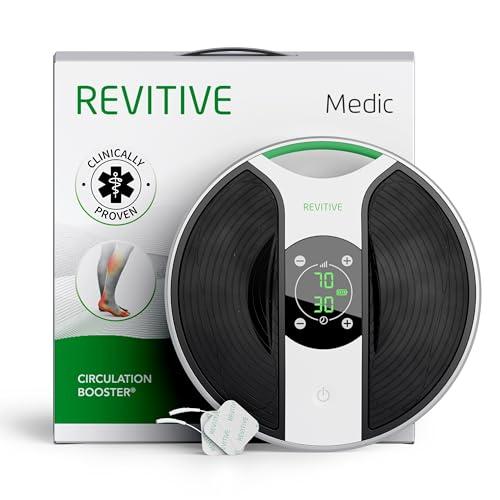
Our Revitive Medic review looks at foot EMS, the clinical trials behind it, who should avoid it and whether it's worth £270 over cheaper EMS foot mats.
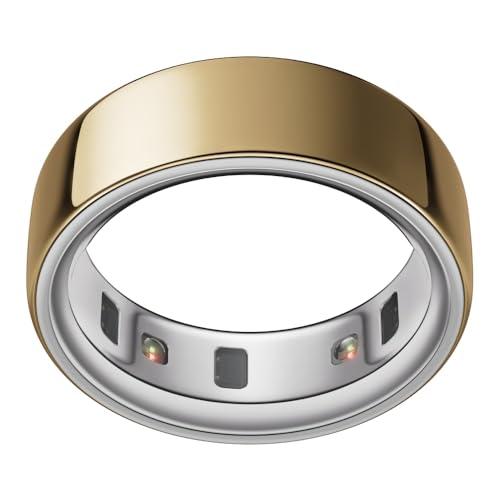
Oura Ring 4 review for UK buyers: sleep accuracy evidence, 5 to 8 day battery, the £69.99 membership, Ring 4 Ceramic, and how it compares with the Ring 5.
Best Exercise is a participant in the Amazon EU Associates Programme, an affiliate advertising programme designed to provide a means for sites to earn advertising fees by advertising and linking to Amazon.co.uk. As an Amazon Associate we earn from qualifying purchases. This comes at no extra cost to you and never influences our independent reviews or rankings.