Cold plunging got expensive fast. Chillers, filtration, stainless barrels, £3,000 setups sold with a lot of talk about mitochondria. The Cold Pod goes the other way: it is a 320 litre insulated barrel with a zip-up silver cover, it costs £129.99 on Amazon UK, and it does the one thing cold plunging actually requires, which is holding cold water still while you sit in it. That is not a criticism. Most of what the expensive tubs add is convenience, and convenience is optional when the ice does the work.
What you get in the box is a rigid-ish walled tub roughly 75cm square and 75cm tall, a lid that zips fully closed, and a drain valve near the base. It stands up on its own once filled, which is the main thing that separates it from the flimsy folding bins sold for half the price. Fill it, cover it, sit in it.
How we review
This review draws on The Cold Pod's published dimensions and capacity, the pattern of complaints and praise across verified owner reviews, and the physics of chilling 320 litres of water, which does not care about marketing. We have not run a twelve-month outdoor durability test on this exact unit, so anything about long-term wear reflects what repeat owners consistently report rather than our own worn-out tub.
Who it is for
Anyone who has decided cold water is going to be a habit rather than a January experiment. If you are still curious, a cold shower costs nothing and answers the question. If you already know you will get in three or four times a week, the maths tips quickly: at £129.99 the tub pays for itself against a couple of months of lido entry fees, and it removes the excuse of driving somewhere.
It is the wrong buy if you want the water cold on demand with no effort. There is no chiller, no pump, no filter. You are managing a barrel of standing water by hand, and if that sounds tedious in July, it will be. Our best ice bath UK guide covers the chilled units for people who would rather pay once than carry ice.
Pros
Stands rigid when full, unlike the folding fabric bins at this price
The zip-up insulated cover keeps daylight, debris and warm air off the water
320 litres covers a seated adult to the collarbone, which is what the research protocols use
Drain valve means you are not tipping 320kg of water over by hand
Cheap enough that a season of use costs less than a gym's recovery suite
Cons
Insulation slows warming, it does not cool: you still buy ice from roughly April to October
Draining by gravity is slow and needs somewhere for 320 litres to go
No filtration, so the water needs changing or treating every week or two
Fabric outer will fade and eventually perish in full sun
Too small to lie back in if you are much over 6ft
The ice question, honestly
This is where most reviews go vague, so here are numbers. Melting a kilo of ice absorbs roughly 80 kilocalories. Chilling 320 litres of water from a summer tap temperature near 15C down to a useful 5C means removing about 3,200 kilocalories, which needs somewhere around 35 to 40kg of ice, or eight to ten of the 4kg bags supermarkets sell. At £2 to £3 a bag that is a genuine running cost, and it is why serious plungers either buy a chest freezer, make ice in 2 litre bottles overnight, or simply plunge in winter when the mains supply is already at 6 to 9C and no ice is needed at all.
The insulated cover changes how often you pay that cost, not whether you pay it. Sealed and shaded, owners commonly get a day or two of usable temperature indoors before the water drifts back up. In direct August sun the cover is fighting a losing battle and you will be re-icing before every session.
The Cold Pod 320L key specs
Capacity
320 litres
External dimensions
Approx 75 x 75 x 75 cm
Working water depth
Approx 57 cm
Cover
Silver reflective zip-up insulated lid
Drainage
Valve near the base, gravity fed
Chilling
None: ice or cold weather only
Filtration
None
Siting
Indoor or outdoor, needs a flat solid base
Price at review
£129.99
Living with it
The first surprise is weight. Full, this is over 320kg sitting on whatever you put it on, so decking, patio slabs or a garage floor are fine and a raised balcony probably is not. Check what is underneath before you fill it, not after.
The second is water management. Without filtration you are choosing between changing the water every week or so, or treating it. Plenty of owners run a small dose of chlorine or a hydrogen peroxide solution and stretch a fill to a month; others just drain and refill and accept the hose time. Either works. Doing neither gets you a green tub by week three.
Owners who love this thing tend to describe the same routine: cover stays on, thermometer floats inside, ice goes in the night before, session happens first thing. The people who give it two stars are usually the ones who expected the word "insulated" to mean "refrigerated".
Cold water has a solid evidence base for how it makes you feel and a much shakier one for the bigger claims attached to it. A review of voluntary cold water exposure found reasonably consistent effects on mood, alertness and perceived recovery, alongside real cardiovascular risk during the initial cold shock response (health effects of voluntary cold water exposure). The British Heart Foundation makes the same point about that first minute, which is when the gasp reflex and the spike in blood pressure happen (BHF on cold water swimming).
Then there is the trade-off lifters keep ignoring. Regularly plunging straight after resistance training blunts the anabolic signalling that drives adaptation, which was shown clearly in a study where cold water immersion after strength sessions reduced long-term gains compared with active recovery (post-exercise cold water immersion and strength adaptation). If you are training for size or strength, put hours between the barbell and the tub, or plunge on rest days. For endurance blocks, competition days and general feeling-human purposes, the timing matters far less.
If you have a heart condition, high blood pressure or you are pregnant, ask your GP before starting cold immersion, and never plunge alone until you know how you react. Our guide on how long to stay in an ice bath covers sensible durations, which are shorter than social media suggests.
The tub is rated at 320 litres and measures roughly 75cm across and 75cm tall. Filled to its working level that gives you about 57cm of water, which covers most adults to the collarbone when they sit with their knees bent. Nobody is lying flat in it.
How much ice do you need for The Cold Pod?
More than you expect. Taking 320 litres of 15C tap water down to about 5C takes roughly 35 to 40kg of ice, which is eight to ten supermarket bags. In winter you need far less, sometimes none, because the mains water already arrives at 6 to 9C in January.
Does the insulated cover actually work?
It slows the warming, it does not chill. Owners typically report the water holding a usable temperature for a day or two indoors and less than that in summer sun. The silver zip cover is doing two jobs, keeping heat and daylight out and keeping leaves, insects and cats out, and the second job matters more than people expect.
Can you leave The Cold Pod outside all year?
Yes, and most people do. The obvious cautions apply: empty it before a hard frost if the water is not being used, keep it off grass that will rot underneath, and rinse it every couple of weeks. UV is the enemy of the outer fabric, so a shaded spot buys you time.
How long does it take to fill and empty?
Filling from a garden hose takes around 15 minutes. Draining is the annoying part, since the valve empties slowly by gravity and you will want a hose on it pointed somewhere that can take 320 litres. Budget half an hour if you are changing the water rather than topping it up.
Is 320L big enough, or should you get the 440L?
If you are under about 6ft and plunging alone, 320L is the right buy and the cheaper one to fill with ice. Taller people, anyone who wants to stretch their legs out, and households where two people plunge back to back are better served by the 440L version, which we review separately.
WHOOP vs Apple Watch compared for UK buyers: WHOOP 5.0 and MG memberships against the Apple Watch Series 12, SE 3 and Ultra 4. Battery, recovery, HRV, sleep, GPS, accuracy research and the real cost over three years.
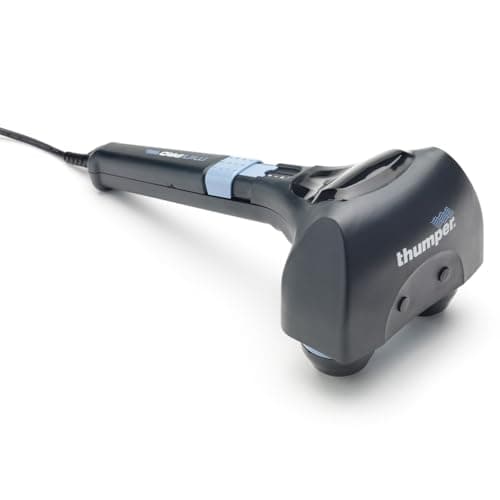
Our Thumper Mini Pro review: a corded, broad-head percussive massager with 6mm stroke and a long handle for your back. How it compares with massage guns.
Are massage chairs good for you? What randomised trials show for back pain, neck pain, stress and muscle soreness, who should avoid them, and how long and often to use one.
Best Exercise is a participant in the Amazon EU Associates Programme, an affiliate advertising programme designed to provide a means for sites to earn advertising fees by advertising and linking to Amazon.co.uk. As an Amazon Associate we earn from qualifying purchases. This comes at no extra cost to you and never influences our independent reviews or rankings.