Recovery
Google Fitbit Air Review: A £85 Screenless Tracker Worth Buying?
Google Fitbit Air review: £84.99 screenless tracker with 7-day battery, SpO2 and HRV, and a Gemini coach behind Premium. Is it better than Whoop or Charge 6?

By Paul Kendrick, Cardio & Endurance Editor · Updated 13 November 2026
If you want a screenless tracker for sleep and recovery, buy the Fitbit Air. It's £84.99 once, it works without a subscription, and even with Google's optional Premium plan it costs less than a WHOOP membership over two years. Pick WHOOP only if you train hard and want its Strain score, the 14 day battery and an official bicep band, and you're happy to rent the hardware at £169 or more every year.
That's a real price gap, and it matters because the two do overlapping jobs. Both are screenless bands that track heart rate, HRV, sleep, skin temperature and blood oxygen, then turn them into a morning score. We've covered the other side of this market in WHOOP vs Oura and Garmin vs WHOOP; this one is about the cheap newcomer.
How we compared them
This guide draws on Google's launch details as reported by the press, a detailed third-party Fitbit Air review, WHOOP membership prices from UK press coverage, and peer-reviewed validation studies. WHOOP's own site blocks our checks, so WHOOP prices are "at the time of writing" and worth confirming before you buy. We haven't worn the two side by side, so battery and accuracy figures are the makers' claims unless a study says otherwise.
| Upfront cost | Fitbit Air: £84.99. WHOOP: none, hardware bundled with the membership |
|---|---|
| Ongoing cost | Fitbit Air: free tier, or Google Health Premium from £7.99 a month. WHOOP: £169 One, £229 Peak, £349 Life a year (reported) |
| Battery | Fitbit Air: up to 7 days, 5 minute charge gives about a day. WHOOP 5.0: 14 plus days |
| Charging | Fitbit Air: comes off the wrist (60 to 90 minutes for a full charge). WHOOP: slide-on pack, stays on |
| Sensors | Both: optical heart rate, HRV, SpO2, skin temperature, accelerometer. Air adds a gyroscope and background AFib alerts |
| Weight | Fitbit Air: 5.2g pebble, 12g with band. WHOOP 5.0: about 26g |
| Water resistance | Fitbit Air: 50 metres (5 ATM). WHOOP: check WHOOP's site |
| Training load | Fitbit Air: Cardio Load and Daily Readiness. WHOOP: Strain (0 to 21) and Recovery |
| Coaching | Fitbit Air: AI Health Coach (Premium). WHOOP: Sleep Coach and AI features, all membership tiers |
| Arm wear | Fitbit Air: third-party sleeve only. WHOOP: official bicep band |
Look at the sensor list and you'll struggle to find a gap. The Air has an optical heart rate sensor, accelerometer, gyroscope, SpO2 and skin temperature, plus HRV, breathing rate and background AFib alerts, according to one of the most detailed reviews so far. WHOOP's 5.0 has the same core set; its ECG sits on the dearer Life tier and the WHOOP MG hardware.
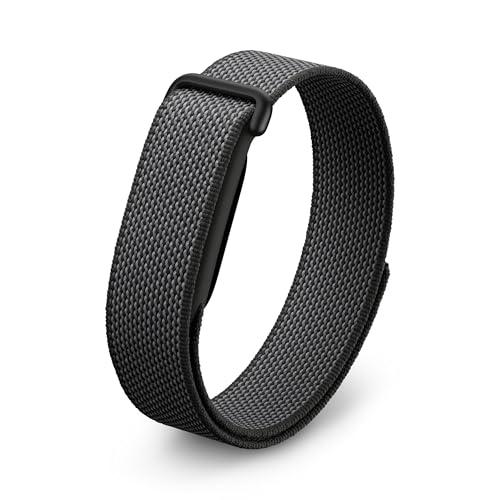
The real difference is size. The Air's pebble weighs 5.2g, or 12g with the band, which is less than half the weight of the WHOOP 5.0 on its own. That's a nicer thing to sleep in. It's also rated to 50 metres, so showers and pool lengths are fine.
WHOOP wins this, and it isn't close on paper: 14 plus days against up to seven. The charging method widens the gap. WHOOP's battery pack slides on while you wear the band, so you never lose a night of data. The Air has to come off.
In practice the Air's fast charge softens that. Five minutes gets you about a day, so a quick top-up while you shower covers most of the awkwardness. If you forget for a week, you'll lose a night. That's the kind of small irritation that makes people drift away from a tracker.
Here's the maths. The Air comes with three months of Google Health Premium, and Premium is £7.99 a month in the UK (we couldn't find an official UK annual price). I've assumed you pay monthly from month four. WHOOP prices are the UK figures reported at the time of writing.
| Option | Year 1 | Two years |
|---|---|---|
| Fitbit Air, free tier only | £84.99 | £84.99 |
| Fitbit Air + Premium from month 4 | about £157 | about £253 |
| WHOOP One (£169 a year) | £169 | £338 |
| WHOOP Peak (£229 a year) | £229 | £458 |
| WHOOP Life (£349 a year) | £349 | £698 |
So the Air with full-time Premium is cheaper than WHOOP's cheapest tier in year one by about £12, and £85 cheaper over two years. Skip Premium and the Air is a one-off £84.99; WHOOP has no equivalent, because it doesn't work at all once you cancel. Our WHOOP Peak review goes through that rental model in more detail.
The third year is where it really tells. Premium alone is about £96 if you pay monthly, against £169 to £229 for WHOOP.
Check the Fitbit Air price on Amazon UK£84.99WHOOP's whole product is the loop between Strain and Recovery. You get a daily load target, the app compares it with how well you slept and recovered, and Sleep Coach tells you how much rest you need tonight. It's prescriptive in a way people either love or find nagging.
Google's version leans on Cardio Load and Daily Readiness, borrowed from the Pixel Watch platform, with an AI Health Coach on top if you pay for Premium. The reviewer at the5krunner calls the Air's recovery scoring simpler than WHOOP's and notes it may not satisfy someone training seriously. I agree with that reading. If you do structured training five or six days a week, the Strain score is the one feature the Air doesn't match. If you want to check your sleep and see whether you're run down, the free tier does that without charging you.
There are no head-to-head tests of the Air and WHOOP, so any claim that one is "more accurate" is guesswork. The closest evidence is older hardware.
A 2024 lab study put 35 healthy adults in a sleep lab wearing an Oura Ring Gen3, a Fitbit Sense 2 and an Apple Watch Series 8 against polysomnography. The Fitbit Sense 2 got total sleep time right and detected sleep versus wake with about 95% sensitivity, but it underestimated deep sleep by 15 minutes, and agreement for deep and REM sleep was poor (accuracy of three commercial wearables for sleep tracking). That study was funded by Oura, so keep that in mind, and it tested a watch rather than the Air.
For WHOOP, a six-person study of the older WHOOP 2.0 against an ECG found heart rate agreement was strong, but overnight HRV error approached the smallest change you'd want to act on (validation of WHOOP heart rate and HRV against ECG).
The Air's workout heart rate has known weak spots too. The5krunner's testing found treadmill intervals read about 37 bpm high in one session because of cadence lock (some of which Google blamed on an export bug), and open-water swimming was poor. WHOOP's 5.0 has had similar complaints. Neither is for people who need exact numbers; a chest strap beats both.
Buy the Fitbit Air if you want sleep, resting heart rate and readiness data without a yearly bill. It's also the better pick if you're curious about screenless trackers and don't want to commit £169 or more to find out you hate wearing one. The free tier is enough for most people, and the three months of Premium let you test the coaching before paying. If you already use the Fitbit app, that settles it.
Buy WHOOP if you train hard most days and want a Strain target, you'll use the bicep band in the gym, or the 14 day battery matters because you hate charging. Peak is the sensible tier; One is fine if you don't need the health extras.
Neither tracks lifting well, because wrist heart rate barely moves during a heavy set. If GPS runs or rides matter, a watch is the better call, and our recovery section covers the alternatives. We've also written a full Fitbit Air review for the detail on the hardware itself.
For most people, yes. It's a screenless band with the same basic idea as WHOOP, it costs £84.99 once, and it works without a subscription for sleep stages, heart rate and activity. You lose WHOOP's Strain score, its 14 day battery and its official bicep band, and the AI coaching needs Google Health Premium. If you just want sleep and recovery data on your wrist, it's the better value.
At the time of writing the Fitbit Air is £84.99, with three months of Google Health Premium included. WHOOP has no hardware price: its memberships were reported at £169 (One), £229 (Peak) and £349 (Life) a year. Over two years the Air costs £84.99 with no subscription, or about £253 if you pay £7.99 a month for Premium from month four, against £338 for WHOOP One and £458 for Peak.
No. The free tier covers health metrics, sleep stages, activity tracking and smart wake. Premium, which starts at £7.99 a month in the UK, adds the AI Health Coach. Every Air includes three months of it, so you can try the coaching before deciding whether to pay.
WHOOP. It's rated at 14 plus days against up to seven for the Air, and you can charge it without taking it off. The Air needs to come off the wrist to charge, though a five minute top-up gives roughly a day of use, so the gap matters less than the numbers suggest.
Nobody has tested the Air head to head against WHOOP. A Fitbit Sense 2, which uses the same family of sleep algorithms, matched lab sleep studies well for total sleep time but was weak on deep and REM. WHOOP's older 2.0 band matched an ECG closely for heart rate but less well for overnight HRV. Treat both as trend trackers, not medical devices.
Only with a third-party sleeve at the moment. A reviewer who wore it on the bicep found it matched a chest strap for running, but Google hasn't released an official bicep band, while WHOOP sells one.
Google Fitbit Air review: £84.99 screenless tracker with 7-day battery, SpO2 and HRV, and a Gemini coach behind Premium. Is it better than Whoop or Charge 6?
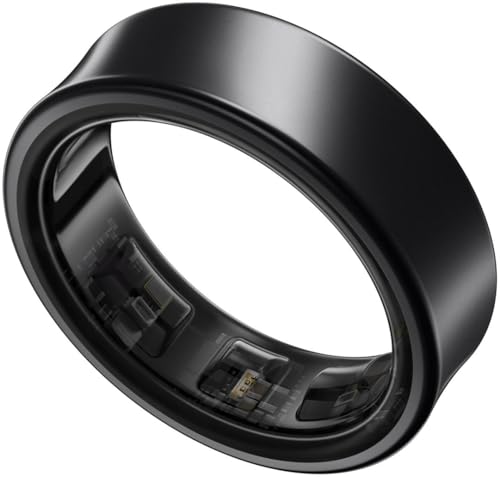
Samsung Galaxy Ring review for UK buyers: titanium build, up to 7 day battery, no subscription, Android only, sizing kit advice and how it compares with Oura.
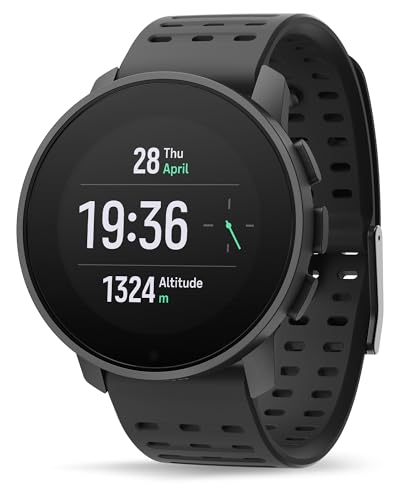
A Suunto 9 Peak Pro review for UK buyers: 40 hours of GPS, 21 days of daily use, sapphire glass and a £189 price, plus what's dated next to the Race 2.
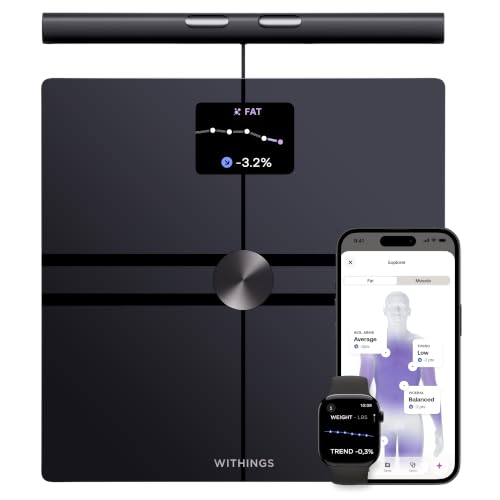
Withings BodyFit review for UK buyers: a handle-equipped scale with 6-zone fat and muscle readings, what the DEXA claim covers, and the BodyScan 2 comparison.
Best Exercise is a participant in the Amazon EU Associates Programme, an affiliate advertising programme designed to provide a means for sites to earn advertising fees by advertising and linking to Amazon.co.uk. As an Amazon Associate we earn from qualifying purchases. This comes at no extra cost to you and never influences our independent reviews or rankings.