Recovery
Crydip XXL Inflatable Cold Plunge Review: Drop-Stitch Comfort, No Chiller
Our Crydip XXL cold plunge review: a drop-stitch inflatable tub with a reclining backrest and chiller ports, plus the real fill volume and ice costs.

By Mike Shilling, Recovery & Training Editor · Updated 1 November 2026
A massage office chair is a normal swivel desk chair with small vibration motors and usually a heat pad built into the cushions. It doesn't knead or roll like a real massage chair. The typical £100 to £250 model on Amazon has 4 to 6 vibrating points in the backrest and seat, a heated lumbar panel, a handheld remote on a cable, and a 15 minute auto-off timer. That can feel pleasant during a long day at the desk, but if you're picturing the deep pressure of a recliner with rollers, you'll be disappointed. Here's what these chairs really do, what separates a decent one from a bad one, and when you should spend the money on a full massage chair instead.
How we researched this
We haven't sat in these chairs ourselves. This guide is built from manufacturer spec sheets, Amazon listings, the relevant ergonomics standards, NHS and HSE guidance, and patterns in owner feedback across the best-selling UK models.
The phrase "massage chair" covers two very different products, and listings blur them on purpose.
A vibrating office chair uses eccentric-weight motors, the same idea as the buzz in your phone but larger. They sit behind the foam, so the sensation reaches you as a broad hum spread across the lower back, the thighs and sometimes the upper back. Most offer a handful of patterns and two or three intensity levels. Nothing moves along your spine and nothing presses into a knot.
A full massage chair is a recliner with a motorised roller track running up the back, plus airbags in the arms, calves and seat that inflate to squeeze. Rollers apply targeted pressure, which is what most people mean by "a massage". These machines weigh 50kg to 100kg, need floor space behind them to recline, and you can't type at a desk from one.
So a massage office chair is really a comfort feature added to a desk chair. Judge it first as an office chair, then treat the vibration and heat as a bonus. Our guide on whether massage chairs are good for you covers what the research says about the roller type.
Looking across the best-selling UK listings from Vinsetto, HOMCOM and similar brands, the spec sheet is remarkably consistent:
Prices start around £90 and most land below £200. Pay more and you'll mainly get thicker padding, a footrest or a fancier fabric, not a stronger massage.
Since you'll spend far more hours sitting in it than using the massage, the chair part deserves most of your attention.
Six points beats four if you want the thighs and upper back covered, though a chair with more motors isn't automatically better. Check where they sit in the product images, because points placed low on the backrest can miss the lumbar area of taller users.
For many people the heated lumbar pad is the more useful half of the package. The NHS lists a heat pack for joint stiffness or muscle spasms among its back pain self-care options, which is roughly what a heated panel does. Look for an auto-off on the heat as well as the massage.
Here's where cheap chairs fall down. A fixed, overstuffed cushion that bulges in the wrong place is worse than plain mesh. You want adjustable lumbar height or depth, a seat height that lets your feet sit flat with thighs roughly level, and armrests that don't stop you pulling in close to the desk. The HSE's workstation checklist is a decent reference for setting a chair up.
The gas cylinder is what holds the seat up, and it's the part most likely to fail on a budget chair. Look for a listed "Class 3" or "Class 4" gas lift; Class 4 handles heavier loads and generally lasts longer. Check the maximum user weight too. Budget limits vary widely, so compare the listed figure against your own weight with some margin. If you're near the limit, size up.
BIFMA (the US standard) and EN 1335 (the European standard for office work chairs) test things like stability, durability and adjustment ranges. Very few massage office chairs under £250 claim either. That doesn't make them dangerous, but a chair that does cite EN 1335 testing has at least been checked for adjustability and strength. Treat a vague "ergonomic" claim with no standard behind it as marketing.
Vibration motors hum. If you take video calls, a desk microphone may pick up the hum. There's no decibel figure on most listings, so read the reviews for "noise" or "loud".
The power cable runs from the side of the seat to a plug or power bank. On a swivel chair, that means it can wrap around the base or snag under a castor. Chairs with a power bank pocket on the side avoid the trailing lead entirely, and that's worth a few pounds more.
The Vinsetto Massage Office Chair is one of the most visible models in UK search results and sits at the bottom of the price range. Its listing describes a linen-fabric executive chair with lumbar heating, a high reclining back and tilt. At around £100 it's a reasonable way to find out whether you actually like vibration and heat while you work, without committing to a much bigger spend. As with any chair at this price, check the listed weight limit against your own before ordering.
Check the Vinsetto massage office chair price on Amazon£99.99A vibrating office chair suits someone who wants a bit of warmth and a gentle buzz during a long desk day. It's the wrong purchase if:
For any of those, a dedicated massage chair with rollers is the honest recommendation, used in the evening rather than at your desk. Our FURNIMAT zero gravity massage chair review looks at a fixed-node model around £470, and the Yewglen massage chair review covers a 14-roller zero gravity chair, including the height limit that catches out taller buyers. If you go that route, how to use a massage chair covers session length and settings.
No chair, massage or otherwise, cancels out the effect of sitting for hours. The NHS notes that many adults spend more than 7 hours a day sitting, and that you can hit your weekly activity target and still be at risk if you spend the rest of the day sedentary. For back pain specifically, the NHS advice is to stay active and keep up daily activities, not to rest more.
The HSE recommends short, frequent breaks for screen users, giving 5 to 10 minutes every hour as better than 20 minutes every 2 hours. Get up, walk, change position. A few minutes of lower back stretches will do more for a stiff back than 15 minutes of vibration, though there's no reason you can't do both.
If your back pain hasn't improved after a few weeks, is getting worse, or comes with numbness or tingling in your legs, see a GP rather than buying equipment.
Amazon is full of near-identical chairs under different brand names. A few things should make you look harder:
Buy a massage office chair if you'd like warmth and a mild buzz while you work and you've confirmed the chair itself fits your body. Don't buy one expecting a proper massage or a fix for back pain. If deep muscle work is what you're after, put the money towards a full massage chair for the evenings and keep a plain, well-adjusted desk chair for the day.
Not in the way a proper massage chair does. Almost every massage office chair under £300 uses small vibration motors (usually 4 to 6 of them) inside the backrest and seat cushion, often with a heated lumbar pad. They buzz and warm the area, which many people find relaxing, but there are no rollers or airbags pressing into the muscle.
They can make sitting feel more comfortable, and gentle heat can ease stiffness, which the NHS lists as a self-care option for back pain. But vibration doesn't fix the underlying cause. The NHS advice for most back pain is to stay active and keep moving, so the chair's ergonomics and your break habits matter more than the massage feature.
Most sit between £90 and £250 on Amazon. Above that price you're mostly paying for nicer upholstery or a footrest rather than better massage. If you want real kneading, you need a full massage chair with rollers, which starts at roughly £400 to £500 and won't work as a desk chair.
You can sit in it all day, but the massage and heat functions usually run on a timer of around 15 minutes, and that's sensible. Constant vibration gets irritating quickly, and long periods of heat against the skin are worth avoiding. Treat the massage as an occasional break, not a background setting.
Yes. Most run from a mains adapter or a USB power bank via a cable that hangs from the side of the seat. That cable can catch on the castors when you swivel or roll, so check where it exits the seat.
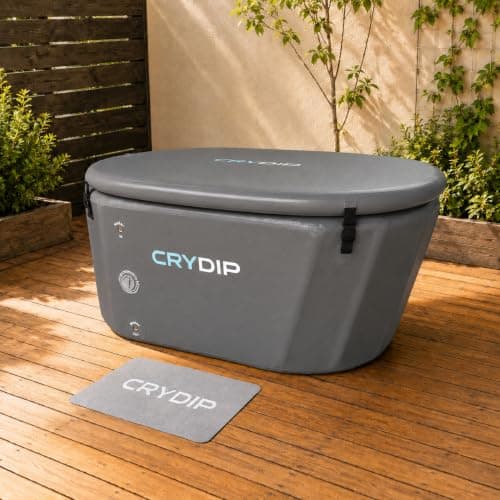
Our Crydip XXL cold plunge review: a drop-stitch inflatable tub with a reclining backrest and chiller ports, plus the real fill volume and ice costs.
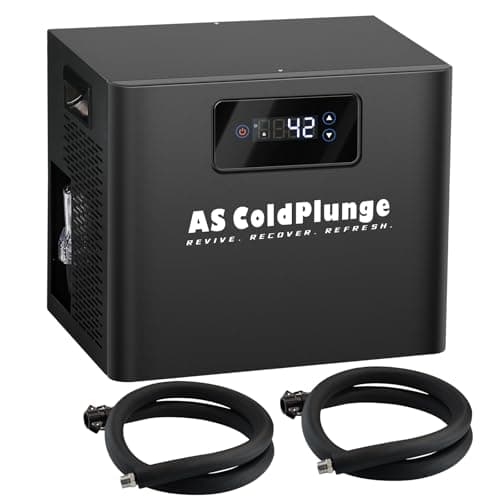
Our AS ColdPlunge ice bath chiller review: a 1/3 HP cooler for tubs up to about 300 litres, with the ice-versus-electricity maths and the listing's gaps.
How often to change ice bath water, which sanitiser to use and how much, how to scrub inflatable and rigid tubs, and the signs your cold plunge water has gone bad.
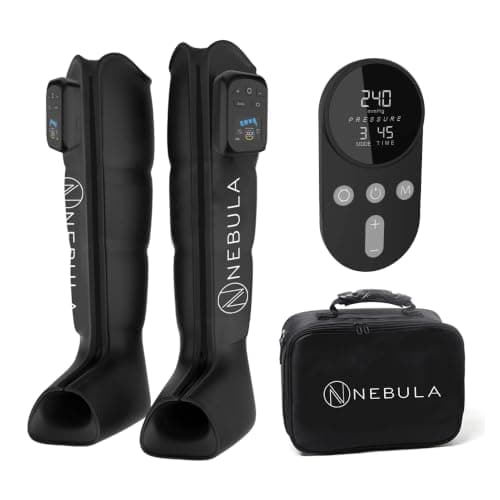
Nebula wireless compression boots review: cordless, USB-C, a 120 minute battery and foot to thigh coverage for £249.99, but no published pressure figure.
Best Exercise is a participant in the Amazon EU Associates Programme, an affiliate advertising programme designed to provide a means for sites to earn advertising fees by advertising and linking to Amazon.co.uk. As an Amazon Associate we earn from qualifying purchases. This comes at no extra cost to you and never influences our independent reviews or rankings.