Recovery
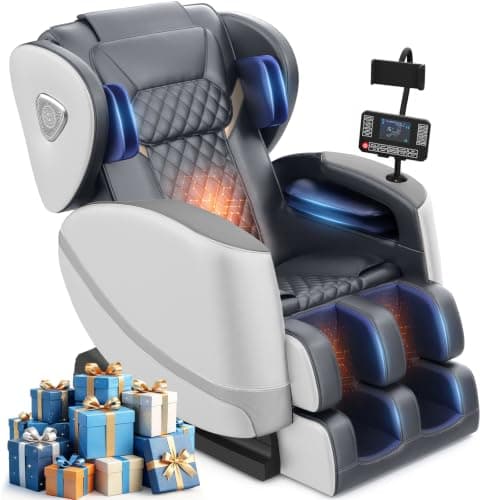
FURNIMAT Zero Gravity Massage Chair Review: Fixed Nodes for £470
Our FURNIMAT massage chair review of the £470 zero gravity model: 14 fixed nodes, 8 airbags, heat and 165 degree recline, plus a footrest that suits shorter users.

By Mike Shilling, Recovery & Training Editor · Updated 15 August 2026
We may earn a commission from qualifying purchases made through links on this page, at no extra cost to you. This never affects our ratings.
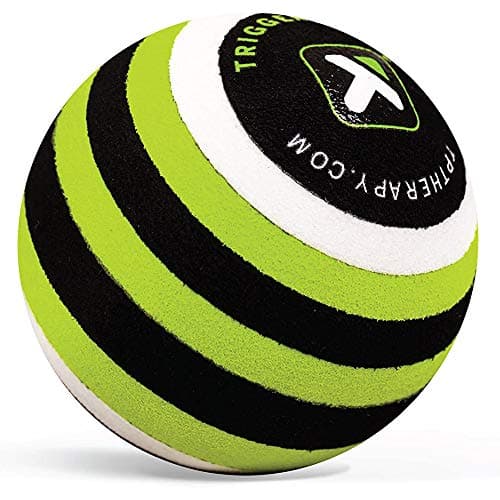
Foam rollers get all the shelf space, but a £12 ball reaches places a roller physically cannot. Under the shoulder blade. The knot in the middle of a glute. That spot in the arch of your foot that makes your whole calf feel tight. Pressure over a small area digs into tissue in a way that a 15cm cylinder rolling across your whole back never will, which is why physios keep a box of them.
The choice is less about brand than about firmness and diameter, and getting those two wrong is why most people buy a massage ball, use it twice and lose it under the sofa. Too hard and it hurts enough that you stop. Too big and it stops being a trigger point tool. These five cover the useful range on Amazon UK, from a £7 lacrosse ball to a double ball built for either side of the spine.
How we chose
We researched the most popular massage balls sold on Amazon UK rather than running a hands-on long-term test of each one. Selections weigh published specifications, consistent patterns in owner feedback and how each ball suits a specific body area. Prices were correct at the time of writing and change often, so check the listing before buying.
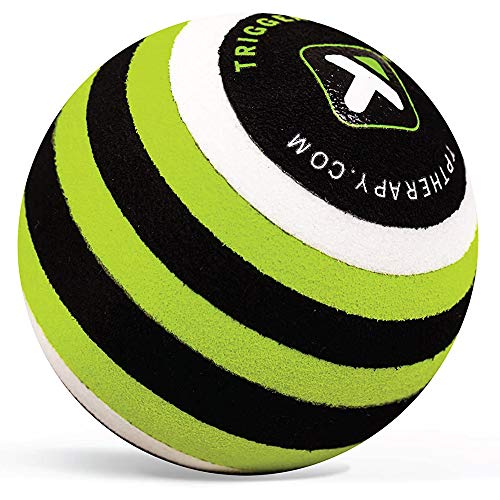
The MB1 is the ball most people should own. It is 6cm across, built from layered EVA foam rather than solid rubber, and that construction is the whole point: the outer layer gives slightly under load, so the pressure builds instead of arriving all at once. Compared with a lacrosse ball it is noticeably more forgiving, which in practice means you actually use it rather than wincing and putting it away.
Size is what makes it versatile. At 6cm it fits between the shoulder blade and the spine, into the hip, along the forearm and under the foot without bottoming out on bone. It also costs around £12, weighs nothing, and survives being thrown in a gym bag indefinitely.
The trade-off is depth. If you are a heavier or well-muscled lifter chasing serious pressure into a glute, the MB1 will feel too polite, and you will want something firmer. There is also no getting around the fact that a plain rubber ball costs half as much and does 70 percent of the job.
Check price on Amazon
Rolling a single ball along your back means either riding over the vertebrae or constantly sliding sideways off the muscle. The MB5 fixes that with two 6cm balls joined into a peanut shape, so the groove sits over the spine while both halves press into the erector muscles either side. For upper back and neck work against a wall, nothing else here comes close.
It also works well on the calves and along the IT band area, where the twin contact points spread load rather than concentrating it. Around £25 is a lot for what is fundamentally two balls stuck together, and that is the honest criticism: you are paying for the shape. If you specifically want spinal work without poking the spine, the shape is worth it.
Pair it with the best foam roller picks for full-body coverage.
Check price on Amazon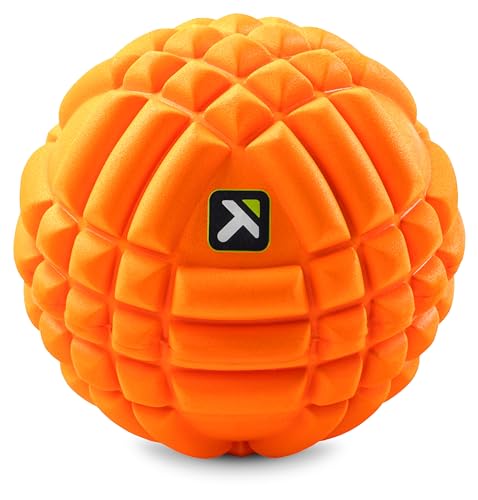
At 12cm the GRID ball is double the diameter of the MB1, and it uses the same ridged surface pattern as TriggerPoint's foam rollers. That extra size changes what it is for: this is a tool for glutes, quads, lats and hamstrings, where you want broad pressure across a big muscle rather than a pinpoint dig.
The ridged surface means the contact is not uniform, so as you roll, the pressure alternates between the raised sections and the channels. Some people find that far more comfortable than a smooth ball; others find it fussy and prefer a plain surface. At around £21 it is priced above the MB1 without replacing it, so treat it as a second ball rather than a first one.
Check price on Amazon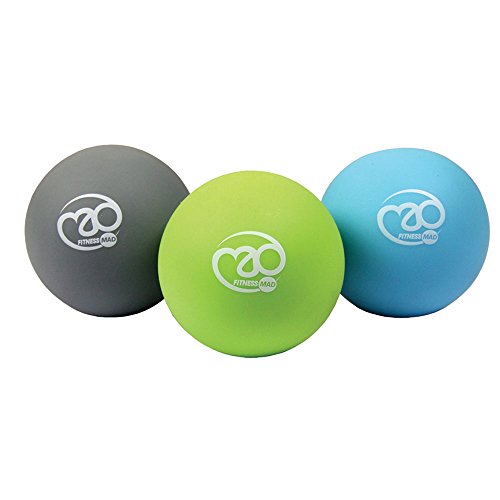
Three balls at three hardness levels for about a tenner, from a long-standing UK supplier to gyms and studios. If you have never used a massage ball and have no idea whether your tolerance is "soft foam" or "solid rubber", buying the whole spectrum for the price of one branded ball is the sensible move.
Working through the set in order is also the right way to introduce this stuff to a stiff, deconditioned area. Start soft on the calves and feet, move up as the tissue tolerates more, and keep the firm one for glutes once you know what you are doing. The balls are smaller and less refined than the TriggerPoint options, and the softest one will feel pointless to anyone already used to a lacrosse ball. As a starting kit, it is hard to beat on value.
Check price on Amazon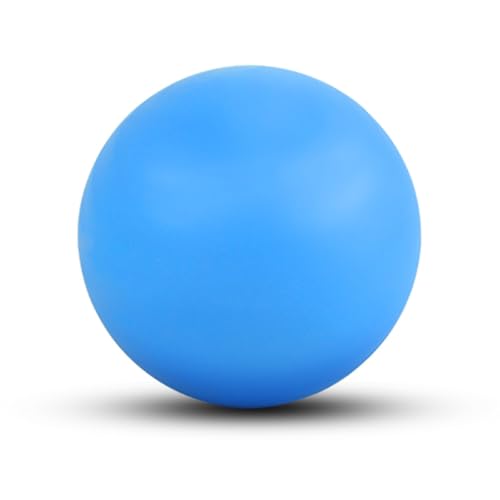
Seven pounds for a solid rubber 6.3cm ball. That is the entire pitch, and for a lot of people it is enough. Firm rubber gives you more pressure per pound than anything else on this page, it will not compress or wear out, and if you lose it you have lost the price of a coffee and a sandwich.
Understand what you are buying though: there is no give at all. Put your bodyweight through this against a hardwood floor and you will find the limits of your pain tolerance quickly, and bruised glutes are a real outcome for beginners. Use it against a wall first, where you control exactly how much load goes in, then progress to the floor once you know the spot. Experienced users will find it the most effective ball here; beginners should start with the Fitness Mad set instead.
Check price on AmazonThe honest version: the evidence supports short-term gains in range of motion and a reduction in perceived soreness, and it does not support the idea that you are breaking up scar tissue or releasing fascia in any structural sense. A systematic review of self-myofascial release using rollers and roller massagers found improvements in joint range of motion without a loss of muscle performance, which is a useful combination before training. A later meta-analysis of myofascial release techniques in athletes reported a moderate effect on range of motion compared with control groups.
On dosage, a review looking specifically at how long to roll found benefits across sessions in the 30 to 120 second range per area, with longer not reliably better. So there is no reason to spend twenty minutes grinding into one glute. A minute a spot, done regularly, beats a marathon session once a fortnight.
Where a ball genuinely earns its place is precision. Feet before a run, glutes before squats, the area around the shoulder blade after a day at a desk. Those are the spots a roller misses, and they are the spots that tend to be the actual limiter on your hip mobility and overhead position.
Pin the ball between the muscle and the floor or a wall, then let your bodyweight in gradually rather than dropping onto it. Breathe out as the pressure builds and give the muscle a few seconds to settle before you start moving. Small slow movements work better than fast rolling; you can also just hold the spot and flex and extend the nearby joint, which drags the tissue across the ball.
Stay off bone, joints and anything that produces sharp or electrical pain. The lower back either side of the spine is fine with a double ball, the spine itself is not. If a spot is still sore two days later, you went too hard.
A massage ball applies concentrated pressure to a small area of muscle, which is why it reaches spots a foam roller rolls straight over: under the shoulder blade, deep in the glute, along the arch of the foot, into the pec near the collarbone. You pin the ball between the muscle and a floor or wall, lean in until you feel a strong but tolerable ache, then hold or slowly roll for 30 to 60 seconds.
A lacrosse ball is firm, cheap and roughly 6.3cm across, which makes it one of the better trigger point tools you can buy. The catch is that it is genuinely hard, so beginners tend to overdo the pressure and end up bruised. If you are new to this, start with a softer foam ball and work up, or use a lacrosse ball against a wall rather than the floor where you can control the load.
Between 30 and 90 seconds per spot is the range most research on myofascial rolling has looked at, and shorter sessions repeated more often beat one long grinding session. Stop before the area goes numb or the pain becomes sharp rather than dull. Two or three minutes total per muscle group is plenty.
It should feel like a strong, dull ache that eases as you hold it, roughly a 6 or 7 out of 10. Sharp, electric or radiating pain means you are on a nerve or a joint, not muscle, and you should move off it immediately. Bruising afterwards means you used too much pressure for too long.
Buy both, but buy the ball first if your problems are in your feet, glutes, upper back or shoulders, because a roller cannot reach them precisely. A foam roller is better for long muscles like quads, hamstrings and calves, where you want to cover ground rather than dig into one point. A ball also costs a fraction of the price and fits in a coat pocket.
Not directly on the spine, and not on the kidney area either side of it. Use a double or peanut ball so the gap straddles the vertebrae and the pressure lands on the muscles running alongside, or work the glutes and hip flexors instead, which are often the real source of lower back tightness. If back pain is persistent or radiating down a leg, see a physio rather than a ball.
Our FURNIMAT massage chair review of the £470 zero gravity model: 14 fixed nodes, 8 airbags, heat and 165 degree recline, plus a footrest that suits shorter users.
Infrared sauna vs traditional sauna compared: heat, sweat, session length, what the research supports, home costs and safety, plus which one to pick and why.
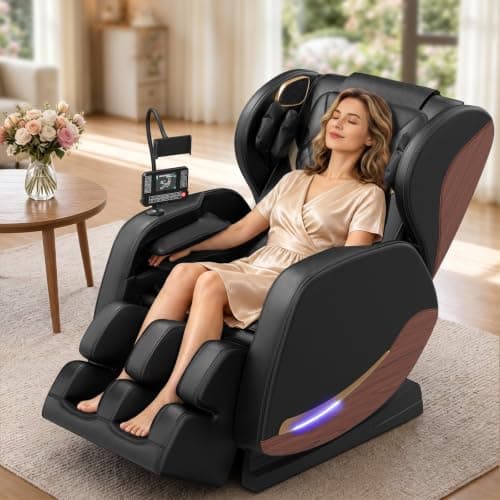
Our yewglen massage chair review: 14 fixed rollers, 8 airbags, back and leg heat, 165 degree recline and a 175cm height cap, compared with rival budget chairs.
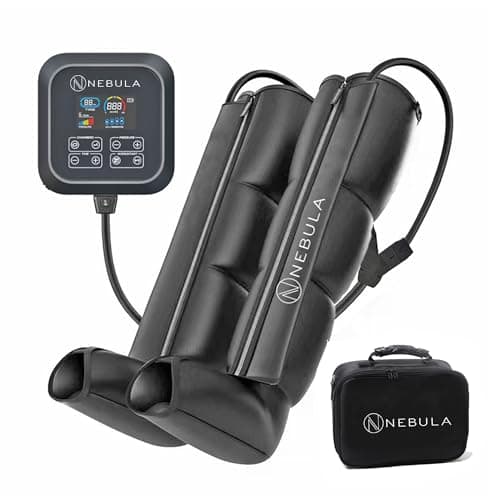
Our Nebula compression boots review: 6 modes, 30 to 260 mmHg, a 90 minute timer and mains power for £229.99. How they compare with Normatec 3 and FIT KING.
Best Exercise is a participant in the Amazon EU Associates Programme, an affiliate advertising programme designed to provide a means for sites to earn advertising fees by advertising and linking to Amazon.co.uk. As an Amazon Associate we earn from qualifying purchases. This comes at no extra cost to you and never influences our independent reviews or rankings.