Recovery
AS ColdPlunge Ice Bath Chiller Review: £687 to Stop Buying Ice
Our AS ColdPlunge ice bath chiller review: a 1/3 HP cooler for tubs up to about 300 litres, with the ice-versus-electricity maths and the listing's gaps.

By Mike Shilling, Recovery & Training Editor · Updated 31 October 2026
A traditional sauna is usually 70°C to 100°C (158°F to 212°F) with low humidity, and most gym and spa saunas in the UK sit around 75°C to 90°C. Infrared saunas run far cooler at 45°C to 65°C, steam rooms at about 40°C to 45°C but near 100 percent humidity, and home steam tents and sauna blankets have their own, lower ceilings. If you're asking what temperature a sauna should be, the honest answer is 70°C to 80°C for a beginner in a Finnish sauna and whatever you can sit in comfortably for 10 to 15 minutes once you're used to it.
The number on the dial is only half the story, though. Humidity changes how hot that number feels, and where the thermometer sits changes what it tells you.
| Type | Typical air temperature | Humidity | Typical session |
|---|---|---|---|
| Traditional Finnish (dry) sauna | 70°C to 100°C | Around 10 to 20%, spiking with water on the stones | 8 to 15 minutes per round, 2 or 3 rounds |
| Infrared cabin or tent | 45°C to 65°C | Low and constant | 20 to 40 minutes, one sitting |
| Steam room | 40°C to 45°C | Close to 100% | 10 to 15 minutes |
| Portable steam tent | Quoted maximums of around 45°C to 54°C | Near saturation | 15 to 30 minutes |
| Infrared sauna blanket | Controllers usually run 25°C to 80°C | Low | 30 to 45 minutes |
The blanket figure needs a caveat. That's the temperature of a heated liner wrapped around you, not the air in a room, so it isn't comparable with a sauna reading. Most owners of the blankets we've covered settle between 60°C and 70°C, because the top setting against bare skin is uncomfortable rather than useful.
For the deeper comparisons between formats, our guides to infrared vs traditional saunas and sauna vs steam room cover how each one heats you and what the research does and doesn't support.
Your body's main way of dumping heat in a sauna is sweat evaporating off your skin. In dry air at 10 to 20 percent humidity that works well, which is why people can sit in 90°C air for ten minutes without their core temperature running away.
Throw a ladle of water on the stones and you get löyly, the burst of steam Finns consider the best part of the whole experience. The thermometer reading hardly changes, but the humidity jumps for a minute or two and your sweat suddenly struggles to evaporate. The heat then lands on your skin (and your ears, which always seem to feel it first) and the room feels several degrees hotter. Take that to the extreme and you have a steam room, where 45°C saturated air can feel more oppressive than 85°C in a dry sauna.
Two practical consequences follow from that. A hot sauna plus lots of water on the stones is a much bigger heat load than the dial suggests, so go easy on the ladle until you know your limits. And in shared saunas, ask before adding steam, since it changes the room for everyone; our sauna etiquette guide covers the unwritten rules.
It depends on who's in it and what they're after, but these ranges work for most healthy adults:
Bench height matters more than most people realise. Heat rises, so the top bench in a stove-heated room is noticeably hotter than the bottom one, and moving down a level is the easiest way to turn a 90°C sauna into something a beginner can handle.
The research reason people chase the hotter end comes from Finland. A 2018 review led by Jari Laukkanen summarised observational and trial evidence linking regular Finnish sauna bathing with lower risk of high blood pressure, cardiovascular disease and death from all causes (Laukkanen et al., Mayo Clinic Proceedings). Those findings come mostly from cohort studies of Finnish men using hot, dry saunas several times a week. They show an association, not proof that the heat itself caused the benefit, and they say nothing direct about a 50°C steam tent.
Sauna thermometers are usually mounted high on the wall above the top bench, roughly where a seated person's head would be, and that's the right place for one. A thermometer near the floor or by the door will read far lower than the air you're actually breathing, which is how people end up believing their sauna is gentler than it is.
A few tips for getting an honest reading:
This is where expectations and reality part ways. A proper electric Finnish sauna with a 4.5kW to 9kW heater will hit 80°C to 100°C, but it usually needs a dedicated circuit and costs several thousand pounds once installed.
The plug-in options are cooler. Infrared cabins such as the Home Deluxe Redsun in our best home sauna guide sit at a gentler 50°C to 60°C. Portable infrared tents mostly peak around 60°C; the CONLONS we reviewed is one of the warmer ones at about that figure, with your head inside the heat. Single-person steam tents are cooler again, with SereneLife quoting 50°C and Manastin about 54°C, and your head usually stays outside in room air.
Check price on AmazonNone of that makes a home unit pointless. Twenty or thirty minutes of steady heat still gets you sweating hard and is a decent way to wind down after training. Just buy one for what it reaches, not for the 80°C-plus research it was never tested against.
A systematic review of regular dry sauna use found 40 studies with broadly positive results and only one reported adverse outcome, a reversible drop in sperm production in a small group of men (Hussain and Cohen, 2018). That's reassuring for healthy people, but the authors also pointed out that data on side effects is thin, so the common-sense rules still apply.
The short version
Start at 70°C to 80°C on the lower bench for 5 to 10 minutes, measure at head height, go easy on the water, and get out the moment you feel dizzy or sick. You can always add heat next time.
A traditional Finnish sauna usually runs at 70°C to 100°C (158°F to 212°F) with low humidity of around 10 to 20 percent. Most public saunas in UK gyms and spas sit somewhere between 75°C and 90°C. Infrared saunas are much cooler at roughly 45°C to 65°C, and steam rooms cooler still at about 40°C to 45°C, though their humidity is close to 100 percent.
Aim for 70°C to 80°C in a traditional sauna and sit on the lower bench, where the air is cooler. Start with 5 to 10 minutes, get out, cool down, and only go back in if you feel fine. In an infrared sauna, 45°C to 55°C for 15 to 20 minutes is a sensible first session.
Most people are comfortable at 50°C to 60°C for 20 to 40 minutes. Infrared panels heat your skin directly rather than relying on hot air, so you'll sweat hard without the air reaching Finnish sauna levels. Most portable infrared tents top out around 60°C.
It's at the very top of the normal range and fine for experienced, healthy users in short rounds, because dry air lets sweat evaporate and cool your skin. It isn't where anyone should start. If you're new, keep below 80°C until you know how your body reacts, and avoid pouring lots of water on the stones at that temperature.
The water flashes into steam, called löyly in Finnish, which raises the humidity for a minute or two. Humid air stops your sweat evaporating, so your skin can't shed heat as well and the room feels several degrees hotter even though the thermometer barely moves.
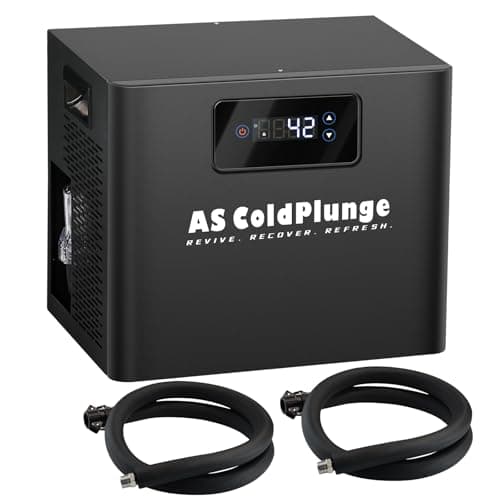
Our AS ColdPlunge ice bath chiller review: a 1/3 HP cooler for tubs up to about 300 litres, with the ice-versus-electricity maths and the listing's gaps.
How often to change ice bath water, which sanitiser to use and how much, how to scrub inflatable and rigid tubs, and the signs your cold plunge water has gone bad.
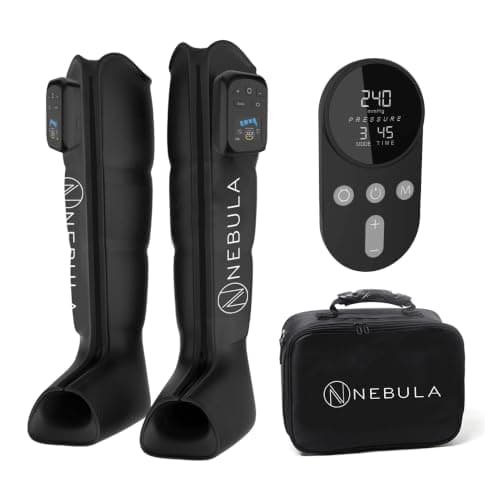
Nebula wireless compression boots review: cordless, USB-C, a 120 minute battery and foot to thigh coverage for £249.99, but no published pressure figure.
What a sauna hat is, why felted wool keeps your head cooler in a hot sauna, whether it helps you stay in longer, how to size, wet and wash one, and which to buy.
Best Exercise is a participant in the Amazon EU Associates Programme, an affiliate advertising programme designed to provide a means for sites to earn advertising fees by advertising and linking to Amazon.co.uk. As an Amazon Associate we earn from qualifying purchases. This comes at no extra cost to you and never influences our independent reviews or rankings.