Recovery
Does Revitive Work? What the Clinical Evidence Actually Shows
Does Revitive work? What the trials show on leg blood flow and symptom relief, whether the NHS recommends it, who shouldn't use it and cheaper alternatives.

By Paul Kendrick, Cardio & Endurance Editor · Updated 16 November 2026
Buy a COROS if you mainly want a running or trail watch: at every price level it gives you more battery, less weight and (from the PACE Pro up) free offline maps for less money than the matching Garmin. Buy a Garmin if your watch also has to be a wallet and a music player, or if you want the deepest recovery and readiness tools in the business. The PACE 4 at £229 is the best value watch in this guide, and the Forerunner 265 at about £255 is the one to get if you'd miss Garmin Pay and Spotify.
That split holds across the range, from the cheapest Forerunner to the fenix. COROS treats a watch as a training instrument and stops there. Garmin builds a smartwatch with a training instrument inside it, and charges for the extra.
How we compared them
This guide is built from COROS and Garmin's published specifications, our existing research-based reviews of each watch, and live Amazon UK prices checked on 16 November 2026. We haven't worn these watches side by side for this piece, so battery figures are the makers' claims. Prices move often, so check the listing before you buy.
| Tier | COROS (price) | Garmin (price) | Battery, GPS (claimed) | Maps |
|---|---|---|---|---|
| Entry road running | PACE 4 (about £229) | Forerunner 165 Music (about £185) | 41 hours vs 19 hours | Breadcrumb only on both |
| Mid-range | PACE 4 (£229) | Forerunner 265 (about £255) | 41 hours vs 20 hours | Breadcrumb only on both |
| Upper mid-range | PACE 4 Pro (about £389) or PACE Pro (about £299) | Forerunner 570 (about £440) | 60 or 38 hours vs 18 hours | COROS: free offline maps. Garmin: none |
| Premium | APEX 4 42mm (£389) or 46mm (£429) | Forerunner 970 (about £580) or fenix 8 47mm (about £485) | 41 or 65 hours vs 26 hours (970) and 47 hours (fenix 8) | Full offline maps on all |
| Outdoor | NOMAD (about £319) | Instinct 3 Solar 45mm (about £251) | NOMAD up to 50 hours | COROS: topo maps. Garmin: breadcrumb |
The pattern is hard to miss: COROS quotes roughly double the GPS battery at every tier, and it puts maps on cheaper watches. Garmin's answer is the smart features column, which this table doesn't show and which is where Garmin wins outright.
This is where most people should be shopping, and it's the closest contest.
The COROS PACE 4 costs about £229 on Amazon UK. It weighs 32g with the nylon band, has a 1.2 inch AMOLED touchscreen, and COROS quotes 41 hours of continuous GPS and up to 19 days of daily use on its PACE 4 spec page. Navigation is breadcrumb only: you import a route and follow a line, with no map underneath. You also get a microphone for voice notes and voice control, which neither Garmin here has.
The Forerunner 265 was about £255 when we checked. Garmin's Forerunner 265 spec page lists up to 13 days in smartwatch mode and 20 hours of GPS, so the COROS lasts roughly twice as long on a run. What the 265 gives back is multi-band GNSS with SatIQ, Training Readiness, Training Status, a race widget, Garmin Pay and offline music from Spotify, Amazon Music or Deezer. Our Forerunner 265 review rates it 4.5 out of 5 and still calls it the runner's watch to beat for the money.
The Forerunner 165 Music is the cheaper Garmin at about £185, with 11 days of smartwatch battery and 19 hours of GPS. It keeps Garmin Pay, music and HRV Status but drops multi-band GPS and Training Readiness. Against it, the PACE 4 costs about £44 more and wins on battery and satellite modes, while the 165 wins on payments and Spotify.
Our pick: the PACE 4 if you run with your phone or without music, the 265 if you want one device on your wrist and nothing in your pocket.
Check the COROS PACE 4 price on Amazonaround £229 at the time of writing Check the Garmin Forerunner 265 price on Amazonaround £255 at the time of writingGarmin's Forerunner 570 is a lovely watch with an awkward price. At around £440 (it was showing as currently unavailable on Amazon's main listing when we checked), it brings a bright AMOLED screen, a speaker and microphone for calls, two case sizes and Garmin Pay. It has no offline maps, though; you get breadcrumb course following, the same as the 265. Garmin quotes 11 days of smartwatch battery and 18 hours of GPS on the 47mm.
The COROS PACE 4 Pro costs about £389 and is better hardware on paper. It has a 1.47 inch AMOLED screen rated up to 3,500 nits behind sapphire glass, a grade 5 titanium bezel, 32GB of storage for downloadable global maps, and up to 60 hours of all-systems GPS or 21 days of daily use. It also weighs 43g with the nylon band. Our PACE 4 Pro review gave it 4.4 out of 5 and docked marks for the same two gaps every COROS has: no contactless payment and no Spotify.
The older PACE Pro is still listed at about £299 (stock was running low when we checked), with a 1.3 inch AMOLED, free offline maps and 38 hours of all-systems GPS. That's maps for less than the price of a 265, which Garmin simply doesn't offer.
If you'd compare the 570 with the 265 instead, it's a fair question. The 265 does the core training job for close to £200 less, and the 570's real extras are the speaker, the smaller 42mm option and the newer screen. At this tier we'd buy the PACE 4 Pro for trail running and navigation, or the 265 for road running with Garmin Pay, and skip the 570 unless the 42mm case is the deciding factor.
Check the COROS PACE 4 Pro price on Amazonaround £389 at the time of writingThe premium tier is where the price gap widens most.
The COROS APEX 4 sells for £389 (42mm) or £429 (46mm). It's a mountain watch with a grade 5 titanium bezel, sapphire glass, an always-on memory-in-pixel screen you can read in direct sun, dual-frequency GPS, ECG, a speaker and microphones, and global offline maps with street and trail names. COROS's APEX 4 spec page rates the 42mm at up to 41 hours of all-systems GPS and the 46mm at 65 hours. The screen is the trade-off: it's a 240 x 240 panel on the 42mm and looks dull next to AMOLED indoors.
The Forerunner 970 was about £580 when we checked. For that you get a 1.4 inch AMOLED with a sapphire lens, a titanium bezel, an LED torch, ECG, skin temperature, full colour offline maps with round-trip routing, Garmin Pay and music storage. Garmin quotes 15 days of smartwatch battery and 26 hours of GPS. The 970 also introduced Running Tolerance, plus Running Economy and Step Speed Loss, though those last two need the HRM 600 chest strap, which costs well over £100 extra.
The fenix 8 47mm AMOLED had dropped to about £485, below the 970. It adds a stainless steel bezel, a 40m dive rating and up to 47 hours of GPS, with the same mapping and smart features.
So the APEX 4 42mm is close to £200 cheaper than the 970 and outlasts it on GPS. You'd pay the difference for the AMOLED screen, the torch, Garmin Pay and Spotify. For a trail runner or hiker who wants weeks between charges, the APEX 4 is the smarter buy; for someone who'll wear the watch to the office and pay for lunch with it, the fenix 8 at its current price is the better Garmin to buy over the 970.
Check the Garmin Forerunner 970 price on Amazonaround £580 at the time of writingThese two suit people who spend weekends on hills rather than chasing a parkrun PB.
The COROS NOMAD costs about £319 and does something no Instinct does: full offline topographic maps with turn-by-turn navigation on a 1.3 inch memory-in-pixel touchscreen. It quotes up to 22 days of daily use and 50 hours of all-systems GPS, and adds a voice-note journalling feature that pins spoken notes to your route.
The Instinct 3 Solar 45mm was about £251. It has a monochrome screen, breadcrumb navigation only, multi-band GPS, a 100m water rating, an LED torch and solar charging; Garmin quotes 28 days of smartwatch battery without any sun. You also get Garmin's full training suite, including Training Readiness.
The NOMAD wins if you navigate unfamiliar ground. The Instinct wins if you camp (that torch matters at 2am), want solar top-ups or need something that survives being dropped on rock.
Garmin Connect is the deepest training app on the market, and it isn't close. You get HRV Status, Body Battery, Training Readiness on the 265 and above, daily suggested workouts that adapt to your recovery, Garmin Coach plans, a race widget and a huge Connect IQ store of watch faces and data fields. The downside is sprawl: there's a lot of it, and new users take a while to find what matters.
Since 2025 Garmin has also sold Connect+, an optional subscription widely reported at £6.99 a month or £69.99 a year in the UK. It adds AI-generated insights, extra live activity features and some coaching extras. The core metrics in this article don't sit behind it, but some owners resent paying for new features on a £500 watch, and future features may land there first.
COROS charges nothing beyond the watch. The app covers training load, effort pace, recovery time, HRV, sleep stages, a race predictor, a workout builder and marathon plans, and it syncs with Strava, TrainingPeaks and Wikiloc. On the PACE Pro, PACE 4 Pro, APEX 4 and NOMAD, the offline maps are free too. COROS presents all this with less fuss, and there's no daily readiness score nagging you to rest, which some runners like and others miss. You also won't find a third-party app store.
This is the clearest dividing line. No COROS watch offers contactless payment, and none streams or syncs Spotify. The PACE 4 Pro and APEX 4 have music storage, but you drag MP3 files across with a cable, which feels like 2012.
Every Forerunner and fenix here runs Garmin Pay and stores offline playlists from Spotify, Amazon Music or Deezer (subscription required). The 570, 970 and fenix 8 also take calls through a built-in speaker and microphone. If you run to a café and want to pay with your wrist, or leave the phone at home with a playlist, buy the Garmin.
COROS consistently uses better materials at lower prices: sapphire and titanium on the £389 PACE 4 Pro and APEX 4, where Garmin saves sapphire for the £580 970 and the fenix. COROS also charges over USB-C on recent models rather than Garmin's proprietary clip.
On battery, COROS wins every tier on paper. The caveat is the same for both brands: turning on the always-on AMOLED display cuts the figures hard. COROS quotes 7 days of daily use for the PACE 4 Pro with always-on enabled, against 21 without it, and offline music drops its GPS figure from 60 hours to 17.
Buy COROS if you run, hike or ride and want to charge your watch every couple of weeks, you like a calmer app with no subscription, and you'd use offline maps but don't want to pay fenix money for them. The PACE 4 for roads, the PACE 4 Pro or APEX 4 for trails, the NOMAD for walkers and bikepackers.
Buy Garmin if you'll pay with your watch, listen to Spotify on runs, or want Training Readiness and adaptive daily workouts steering your plan. The Forerunner 265 is the sweet spot; the fenix 8 is the premium pick at its current price. If you're torn between ecosystems entirely, our Garmin vs WHOOP guide covers how far Garmin's recovery tools go without a subscription.
For battery life, weight and price, usually yes: a £229 COROS PACE 4 quotes 41 hours of GPS against 20 hours on a Forerunner 265. Garmin is better at everything that happens away from a run, including contactless payment, Spotify and Amazon Music offline playback, a third-party app store and a deeper set of readiness and recovery metrics. Pick COROS if you want a training tool, Garmin if you want a training tool that's also a smartwatch.
No. The COROS app, its training analysis, workout builder and offline maps on models that support them are all free, and COROS pushes free software updates to its watches. Garmin Connect is also free and covers the core training and recovery metrics, but Garmin sells an optional Connect+ plan, widely reported at £6.99 a month or £69.99 a year in the UK, for extras such as AI insights and live activity features.
No COROS watch offers contactless payment, and none supports Spotify or other streaming services. The PACE 4 Pro and APEX 4 have storage for music, but you load MP3 files yourself. Every Forerunner and fenix in this comparison, from the Forerunner 165 Music up, offers Garmin Pay and offline playlists from Spotify, Amazon Music or Deezer.
The COROS PACE 4 is the closest match on price and purpose. It costs about £229 against roughly £255 for the 265, weighs 32g with the nylon band and quotes 19 days of daily use. The 265 adds Training Readiness, Garmin Pay and offline Spotify. If you want maps, the PACE Pro at about £299 is the better COROS to compare.
For trail runners who care about battery and toughness, yes. The APEX 4 42mm costs £389 with a titanium bezel, sapphire glass, offline maps and up to 41 hours of all-systems GPS. The Forerunner 970 costs about £580 and adds a bright AMOLED screen, an LED torch, Garmin Pay and Running Tolerance. You're paying nearly £200 more for the Garmin's screen and smart features.
Does Revitive work? What the trials show on leg blood flow and symptom relief, whether the NHS recommends it, who shouldn't use it and cheaper alternatives.
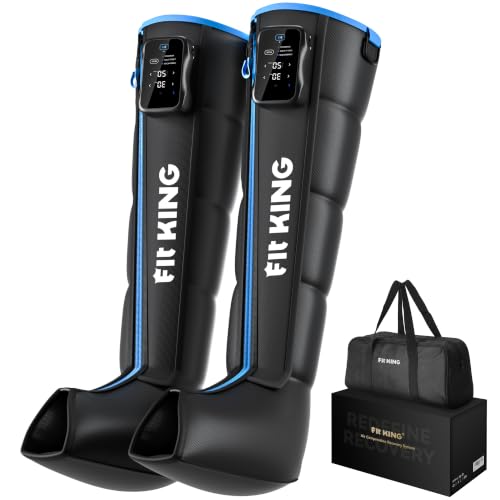
FIT KING cordless compression boots review: built-in controllers, Bluetooth sync, 50 to 150 mmHg and a 24 month warranty, weighed against a £699.99 price.
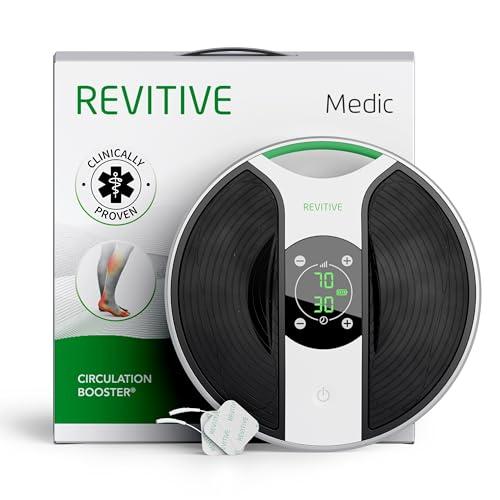
Our Revitive Medic review looks at foot EMS, the clinical trials behind it, who should avoid it and whether it's worth £270 over cheaper EMS foot mats.
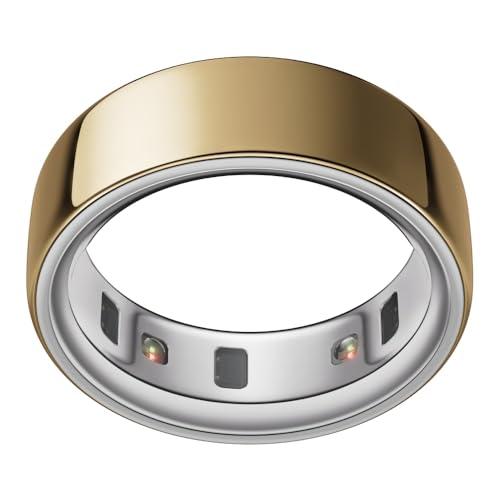
Oura Ring 4 review for UK buyers: sleep accuracy evidence, 5 to 8 day battery, the £69.99 membership, Ring 4 Ceramic, and how it compares with the Ring 5.
Best Exercise is a participant in the Amazon EU Associates Programme, an affiliate advertising programme designed to provide a means for sites to earn advertising fees by advertising and linking to Amazon.co.uk. As an Amazon Associate we earn from qualifying purchases. This comes at no extra cost to you and never influences our independent reviews or rankings.