Recovery
COROS vs Garmin: Which Running Watch Should You Buy in 2026?
COROS vs Garmin for UK runners: PACE 4, PACE 4 Pro, APEX 4 and NOMAD against Forerunner, fenix and Instinct on battery, maps, apps, Garmin Pay and price.

By Mike Shilling, Recovery & Training Editor · Updated 16 November 2026
Revitive does work at the one thing it most clearly claims: increasing blood flow in your lower legs while you use it. Controlled trials measuring flow with ultrasound back that up, and one sham-controlled study in older adults found less leg pain and fewer symptoms like heaviness and cramps after 8 weeks. The evidence for symptom relief is thinner than the marketing suggests, though, because there are only a handful of trials and most were funded by Actegy, the company that makes it. And it doesn't treat the underlying disease in peripheral arterial disease (PAD) or deep vein thrombosis (DVT). If you have either, it's a GP conversation first, not an Amazon order.
Revitive is a footplate that uses neuromuscular electrical stimulation, or NMES. You sit down, rest your bare feet on the pads and turn up the intensity until the current makes your calf muscles contract. Those contractions squeeze the veins in your lower leg and push blood back up towards your heart, which is the same calf muscle pump that works every time you take a step. The Medic model also rocks your feet heel to toe (Revitive calls this IsoRocker) and comes with TENS pads you can stick elsewhere on the body for pain.
The logic is simple: if you can't or don't walk much, the device does some of the pumping for you. Revitive recommends at least one 30-minute session a day.
There's more published research on Revitive than on most consumer health gadgets, which is to its credit. Here's what the main studies actually show.
A 2014 Imperial College London pilot study measured blood flow in the thigh veins and arteries of healthy volunteers using duplex ultrasound. At 15 minutes into a 30-minute session, both venous and arterial flow had risen significantly from baseline. Once the stimulation stopped, the numbers went straight back to where they'd started (Varatharajan et al., Phlebology).
That's the honest picture of what a session does. You get a real, measurable boost while it runs, not a lasting change to your circulation.
The best trial for the question most buyers are asking ("will my legs feel better?") comes from the University of Hertfordshire. Researchers randomised 129 older adults with lower leg pain or symptoms like cramps, tiredness and heavy legs to one of two Revitive programmes or a sham device, used at home for 30 minutes twice a day for 8 weeks. The protocol was published in advance in 2022, which is good practice.
The results, published in 2024, favoured the real device on every outcome: self-reported function, leg pain and an overall leg symptom score all improved more than with the sham, at both week 8 and a week 12 follow-up. Ankle blood flow rose roughly three-fold during treatment, and the researchers reported no device-related adverse events (Kumaran et al., BMC Geriatrics).
One caveat: Actegy funded the trial, and the statistician worked as a consultant for Actegy on it. That doesn't make the results wrong, but you'd want an independent replication before calling it settled.
Imperial's vascular surgery team has also tested Revitive in people with chronic venous disease, which covers varicose veins and swollen ankles. A small 2017 trial of 22 patients found much higher femoral vein flow with the real device than a sham, and it stopped the leg swelling that built up in the sham group over 6 weeks. A larger 2021 follow-up with 76 patients found that 60 minutes of daily use improved clinical severity and quality of life scores, while 30 minutes improved flow but not those scores. Actegy funded both.
An independent 2025 systematic review in Vascular Medicine pooled 8 studies of NMES devices (Revitive, Geko and Veinoplus) for venous disease. It found encouraging results for swelling, pain and quality of life, but flagged imperfect study designs and possible publication bias. That's a fair summary of the whole field: promising, not proven.
What it doesn't do
Revitive doesn't unblock narrowed arteries, dissolve clots or fix damaged vein valves. In PAD, the problem is a narrowing in the arteries, and the treatments that change outcomes are things like stopping smoking, statins, blood pressure control and structured walking. A footplate that raises flow for 30 minutes is, at best, a comfort aid alongside that.
Not in any official sense. We looked for an NHS prescribing route, a NICE recommendation or an NHS page endorsing the brand and found none. That's normal; the NHS rarely names consumer brands.
The confusion comes from Revitive's own marketing. Its Amazon listing says it was developed with vascular surgeons and in partnership with Imperial College Healthcare NHS Trust, which reflects the trials above. That's a research partnership, not an NHS endorsement, and it doesn't mean your GP can prescribe one.
So do doctors recommend it? Some do, informally, for patients with aching or swollen legs who struggle to walk. Plenty don't, and almost all would rather you walked more first. If you search "Revitive reviews NHS UK" hoping for an NHS seal of approval, it doesn't exist.
What does exist is VAT relief. Revitive says its Medic range are registered medical devices, and if you've been diagnosed with a long-term condition such as diabetes, high blood pressure, arthritis or PAD, you can buy the Medic, Medic Knee or Medic Coach without VAT. That's a saving of up to £59, claimed by ticking a box at checkout on Revitive's VAT relief page. The ProHealth model doesn't qualify.
Revitive lists three firm exclusions on its Medic product page:
Its user manuals add more. Most versions say not to use it on broken skin, rashes or slow-healing ulcers on the feet and legs, and several tell you to speak to a doctor first if you have heart disease, epilepsy, or aren't sure the device suits you. Check the manual for your exact model, because the wording varies between versions.
One more point: if your calf pain comes on when you walk and eases with rest, or your legs hurt at night, see your GP before buying anything. The NHS lists those as typical signs of PAD, and they need proper assessment.
At around £270 on Amazon (£289.96 direct from Revitive at the time of writing, or £241.63 with VAT relief), it isn't cheap. Whether it's good value depends on who you are.
It makes most sense if you spend long hours sitting, have limited mobility or get the heavy, tired, achy lower legs that the Hertfordshire trial looked at. The 90-day money-back guarantee lets you find out without losing the money. We've covered the device itself in more detail in our Revitive Medic review.
Check the Revitive Medic price on Amazon£269.99If you're fit and active and just want quicker leg recovery after training, it's the wrong tool. Compression boots suit that job better, and you'll find the evidence for those in our guide to compression boots benefits.
The calf muscle pump is free to use. Every brisk walk does what Revitive does, with the added benefits of actual exercise, and the NHS self-help advice for varicose veins is to exercise regularly, such as walking, to improve blood flow, put your legs up when you can and avoid standing for long periods.
A few practical options, roughly in order of cost:
If you can do these comfortably, start there and see how your legs feel after a month. If you can't, because of mobility, pain or long unavoidable sitting, Revitive is a reasonable thing to try, and the evidence says it'll at least get the blood moving while it's on.
For blood flow, yes. Trials using ultrasound show foot electrical stimulation raises blood flow in the leg veins and arteries while the device is running, though it drops back to normal once you switch it off. For symptoms such as aching, heaviness and cramps, a sham-controlled trial of 129 older adults found real improvements after 8 weeks, but the evidence base is small and largely funded by the manufacturer.
Some vascular surgeons have run trials on it, and some GPs and physios will suggest it to patients with aching or swollen legs. It isn't a standard NHS treatment, though, and we couldn't find any NHS prescribing route or NICE recommendation for the brand. Ask your GP before buying one if you have a circulation condition.
Not routinely. Revitive is a registered medical device that you buy yourself, from Revitive directly or from retailers like Amazon and Boots. If you have a qualifying long-term condition such as diabetes or high blood pressure, you can buy the Medic models without VAT, which takes up to £59 off.
The blood flow increase happens during each session, within minutes. Symptom changes take longer: the main sham-controlled trial measured results after 8 weeks of 30-minute sessions twice a day. Revitive itself recommends at least one 30-minute session daily.
Revitive says not to use it if you have a pacemaker or other implanted electronic device such as a defibrillator, if you are pregnant, or if you have or are being treated for a deep vein thrombosis. Its manuals also warn against use on broken skin or slow-healing leg and foot ulcers, and advise checking with a doctor first if you have heart disease or epilepsy.
If you sit for long spells and get heavy, achy or swollen lower legs, it can be worth it, and the 90-day money-back guarantee lowers the risk. If you can walk comfortably, a daily walk and some calf raises do a similar job for the calf muscle pump at no cost.
COROS vs Garmin for UK runners: PACE 4, PACE 4 Pro, APEX 4 and NOMAD against Forerunner, fenix and Instinct on battery, maps, apps, Garmin Pay and price.
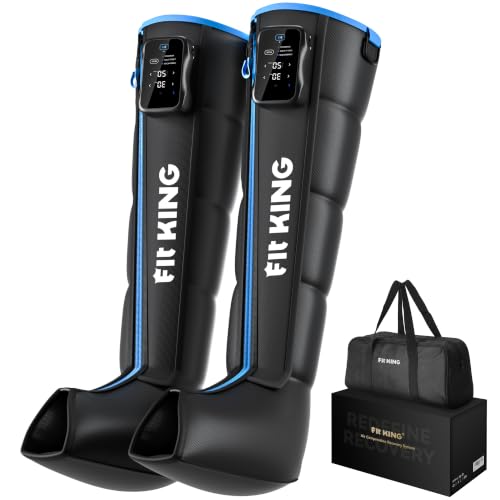
FIT KING cordless compression boots review: built-in controllers, Bluetooth sync, 50 to 150 mmHg and a 24 month warranty, weighed against a £699.99 price.
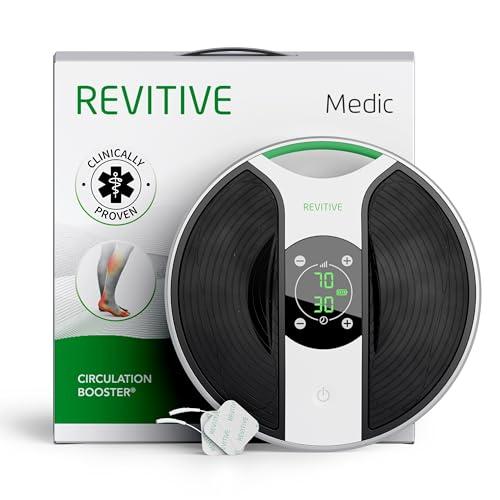
Our Revitive Medic review looks at foot EMS, the clinical trials behind it, who should avoid it and whether it's worth £270 over cheaper EMS foot mats.
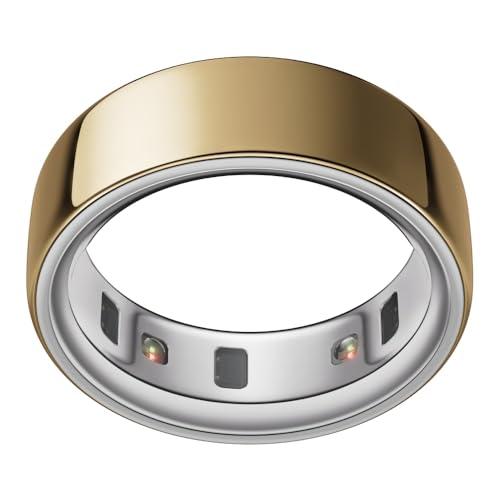
Oura Ring 4 review for UK buyers: sleep accuracy evidence, 5 to 8 day battery, the £69.99 membership, Ring 4 Ceramic, and how it compares with the Ring 5.
Best Exercise is a participant in the Amazon EU Associates Programme, an affiliate advertising programme designed to provide a means for sites to earn advertising fees by advertising and linking to Amazon.co.uk. As an Amazon Associate we earn from qualifying purchases. This comes at no extra cost to you and never influences our independent reviews or rankings.