Recovery
Compression Boots Benefits: What the Research Actually Shows
The real benefits of compression boots, judged against the research: what helps (soreness, feeling recovered), what doesn't hold up, and who should avoid them.

By Mike Shilling, Recovery & Training Editor · Updated 25 September 2026
Infrared saunas get sold on a long list of promises: detox, weight loss, glowing skin, a faster metabolism. Most of those don't hold up. A shorter list does, and for anyone who trains, the useful part is how an infrared session affects muscle soreness and recovery.
Here's what the research found, including the studies where nothing happened.
A traditional Finnish sauna heats the air to 80°C to 90°C, and the hot air heats you. An infrared sauna uses panels that emit infrared light, which warms your skin and tissues more directly, so the air can stay at a cooler 45°C to 65°C. That lower air temperature is why many people find infrared easier to sit in for longer.
It doesn't mean infrared is weak. In a 2026 study, 12 adults sat in a far infrared sauna at 65°C for 45 minutes: core temperature rose by 1.4°C, heart rate climbed from about 74 to 153 bpm, and they sweated around 1.4 litres an hour (far infrared sauna at 65°C). That's a real physiological load, closer to steady exercise than to sitting in a warm bath.
This is the strongest result for people who train. In a randomised crossover trial, 16 basketball players did a hard strength and plyometric session, then either rested for 20 minutes or sat in an infrared sauna at about 43°C. After the sauna, they reported less soreness and better perceived recovery, and their jump height held up better the next morning (infrared sauna after resistance training).
A 2015 Finnish study had 10 active men do either a strength session or a maximal endurance run, then 30 minutes in a far infrared sauna at 35°C to 50°C. After the strength session, the sauna made no measurable difference to recovery. After the endurance session, jump performance was better 30 minutes later than with no sauna (far infrared sauna and recovery). Note the contradiction with the basketball study on strength work; small trials often disagree.
The 2015 Finnish researchers described far infrared bathing as pleasant and relaxing, and that isn't trivial. If a 30 minute sauna replaces scrolling your phone before bed, that's a win in itself.
A 2025 systematic review pulled together 14 trials with 194 participants on heat after exercise, covering both saunas and hot baths. The acute studies gave uncertain, mixed results, and the review didn't find strong evidence that post-exercise heat reliably speeds recovery of maximal performance (post-exercise heat systematic review). So treat infrared as a soreness and comfort tool, not a performance booster.
The other popular claims fare worse:
Our sauna after workout guide goes deeper on timing around strength days, and if you're choosing between heat types, see sauna vs steam room.
Check with your GP before using any sauna if you're pregnant, have a heart condition, have low blood pressure or take blood pressure medication. The heart rate and blood pressure changes in the 65°C study above are exactly why. Never combine a sauna with alcohol, and skip it if you're ill or already dehydrated.
You don't need a £2,000 timber cabin. A portable infrared tent like the CONLONS infrared sauna reaches about 60°C and keeps your whole body inside, while the SereneLife infrared tent leaves your head out, which some people prefer. Our best home sauna UK guide compares tents, blankets and cabins. If you're building a wider recovery routine, red light therapy is the other heat-and-light option people ask about, with its own, patchier evidence base.
The best-supported benefit for people who train is reduced muscle soreness after hard sessions. One randomised crossover trial found a 20 minute infrared session after resistance training cut soreness and limited the next-day drop in jump height. Relaxation and a raised heart rate similar to light exercise are real effects too. Claims about detox and weight loss aren't supported; the weight you lose is water.
It's different rather than better. Infrared saunas run at about 45°C to 65°C, while a Finnish sauna runs at 80°C to 90°C. Infrared feels gentler, so many people tolerate longer sessions, but most of the long-term cardiovascular research comes from Finnish saunas, and those results don't automatically transfer.
Start with 15 to 20 minutes and build up to 30 to 45 minutes over a few weeks. Studies on recovery have used 20 to 30 minute sessions. Get out sooner if you feel dizzy, sick or your heart is racing.
Two to four sessions a week is a sensible target for recovery and relaxation. Daily use is fine for most healthy people once they're used to it, provided they rehydrate properly.
After. Heat before training raises your core temperature and can blunt performance. The recovery studies all used the sauna after exercise.
Anyone pregnant, with a heart condition, low blood pressure or on blood pressure medication should check with their GP first. Don't combine sauna use with alcohol, and don't use one when you're ill or dehydrated.
The real benefits of compression boots, judged against the research: what helps (soreness, feeling recovered), what doesn't hold up, and who should avoid them.
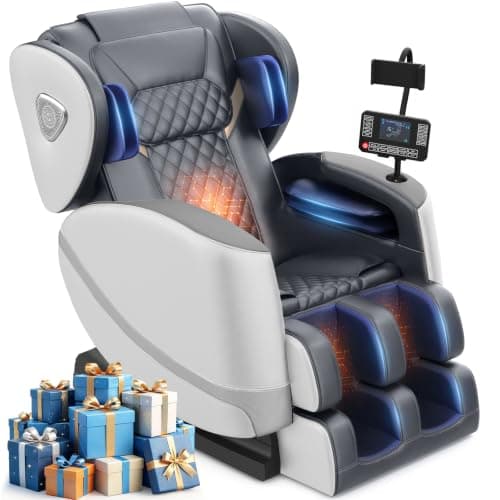
Our FURNIMAT massage chair review of the £470 zero gravity model: 14 fixed nodes, 8 airbags, heat and 165 degree recline, plus a footrest that suits shorter users.
Infrared sauna vs traditional sauna compared: heat, sweat, session length, what the research supports, home costs and safety, plus which one to pick and why.
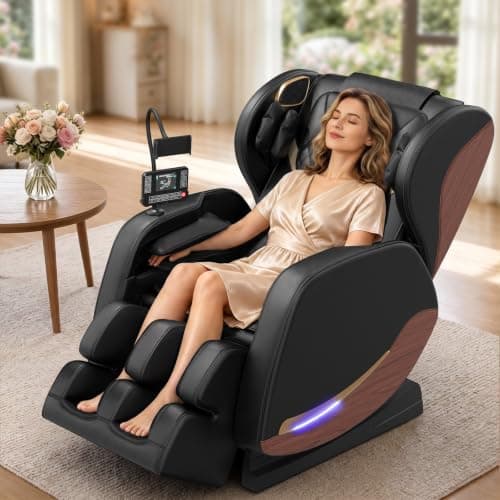
Our yewglen massage chair review: 14 fixed rollers, 8 airbags, back and leg heat, 165 degree recline and a 175cm height cap, compared with rival budget chairs.
Best Exercise is a participant in the Amazon EU Associates Programme, an affiliate advertising programme designed to provide a means for sites to earn advertising fees by advertising and linking to Amazon.co.uk. As an Amazon Associate we earn from qualifying purchases. This comes at no extra cost to you and never influences our independent reviews or rankings.