Recovery
How Much Does a Massage Chair Cost in the UK? Prices by Band
UK massage chair prices explained: what you get under £400, at £400 to £800, £800 to £2,000 and £2,000+, plus running costs, warranty and delivery.

By Mike Shilling, Recovery & Training Editor · Updated 2 November 2026
A garden sauna is a small heated room, usually a timber barrel, cube or cabin, that sits in your garden and runs on an electric or wood-burning heater. For most UK homes it doesn't need planning permission, a small electric one costs somewhere around £1 to £2 a session to heat, and the real bill sits in the base and the electrician as much as the kit. If you'd rather not commit to any of that, an outdoor or portable sauna tent gets you sweating for a fraction of the price.
There are five broad routes, and they differ more in how you live with them than in how hot they get.
The barrel is the shape most people picture: curved staves of spruce, thermowood or cedar held together with steel bands, sitting on two cradles. The round profile means less air to heat than a square room of the same footprint, and it sheds rain well. The trade-off is headroom: you sit on benches either side and only stand up properly in the middle.
Cabins are square or rectangular buildings with a pitched or flat roof, and the bigger ones add a small changing area or porch. Cubes are the modern Scandinavian take, often with a large glass front. You get more usable space and a proper door, at the cost of more volume to heat. Big glass panels look lovely but lose heat fast, which nudges you towards a larger heater.
Pods sit between barrels and cabins: usually an oval or rounded-end design with a flat floor, so you can stand up anywhere. They tend to be pitched at people who want a barrel's looks with cabin comfort. We cover them in more detail in our separate guide to the sauna pod.
These look like small cabins but use infrared panels instead of a stove and stones. They run cooler (roughly 45C to 60C rather than 80C plus), warm up faster and draw far less power, often around 2kW. If the hot, steamy Finnish experience is what you're after, infrared will disappoint, and you can't throw water on it. Our sauna temperature guide explains what each range feels like.
The budget route. Insulated sauna tents, many sold as dual-purpose ice fishing shelters, pitch on a lawn or patio and take a small wood stove through a flue port. They pack away for winter and need no base at all. Expect less insulation, a fiddly fire to manage inside fabric, and a session that feels closer to camping than spa. The indoor alternative is a zip-up portable sauna that plugs into a socket in your garage or spare room.
Kit prices swing wildly with size, timber and heater, so treat these bands as rough guides rather than quotes.
| Option | Rough kit price | Base needed | Electrician needed |
|---|---|---|---|
| Outdoor sauna tent | A few hundred pounds | No | No (wood stove) |
| Small barrel or cube kit | Low thousands | Yes | Yes, if electric |
| Pod | Mid to high thousands | Yes | Yes, if electric |
| Infrared garden cabin | Low thousands upwards | Yes | Often (check the draw) |
| Large cabin with changing room | Five figures | Yes | Yes, if electric |
A sauna full of people, benches and a heater is heavy, and timber sitting on wet ground rots. You need a firm, level, free-draining base. The common options are a concrete slab, paving slabs on a compacted sub-base, or a ground screw frame. Barrels sit on their cradles, so a pair of solid strip foundations can be enough, but follow the manufacturer's spec, because some warranties depend on it.
This is the cost people forget. A typical small electric sauna heater pulls far more than a 13A plug can deliver. Harvia's Qubic 4.5kW heater, for example, lists a 20A fuse and 2.5mm² cable on a single-phase supply. That means a new dedicated circuit from your consumer unit, run in armoured cable to the garden, with RCD protection and an isolator at the sauna end. In England a new circuit is notifiable under Part P, so use a registered electrician who can self-certify the job. The price depends heavily on the distance from the house and whether the cable goes underground, so get a quote before you buy the sauna, not after.
Wood-fired saunas skip this entirely, though you may still want a lighting circuit.
Electricity prices move every quarter, so here's the sum laid out so you can rerun it. We've used Ofgem's price cap GB average of 26.32p per kWh for direct debit customers, which applies from 1 October to 31 December 2026.
The formula is simple: heater power in kW, multiplied by hours running, multiplied by the unit rate.
These are ceilings, not averages. Once the room reaches temperature the thermostat switches the elements off and on, so the real figure is usually lower. A cold January evening and a poorly sealed door push it back up. Twice a week on the 4.5kW example is about £3.56, or around £185 a year at the upper bound.
In England, a garden sauna is usually treated as an outbuilding, and outbuildings can often go up under permitted development without a planning application. The Planning Portal's outbuildings guidance sets the limits:
Permitted development doesn't apply to flats or maisonettes, and any outbuilding within the curtilage of a listed building needs permission. In National Parks, the Broads, Areas of Outstanding Natural Beauty and World Heritage Sites, outbuildings more than 20m from the house are capped at 10 square metres, and on designated land anything at the side of the house needs permission. Some estates also have permitted development rights removed by an Article 4 direction or a planning condition, which you'd only find out from your council.
These rules cover England. Wales, Scotland and Northern Ireland run their own systems, and the details differ, so check with your local authority there.
Building regs are a separate question from planning. Per the Planning Portal, a detached outbuilding under 15 square metres with no sleeping accommodation won't normally need approval. Between 15 and 30 square metres, it usually won't either, provided it's at least 1m from any boundary or built substantially of non-combustible materials. Almost every garden sauna sits comfortably under 15 square metres. The electrics still need certifying, as above.
Wood-fired saunas and smoke
If you live in a smoke control area, which covers large parts of many UK towns and cities, burning wood in an unapproved appliance can land you in trouble. Ask your council whether you're in one before buying a wood-fired heater, and keep the flue well clear of neighbours' windows either way.
Electric is the sensible default for most UK gardens. You switch it on from the house (many control panels allow scheduling or an app), it holds a steady temperature, and there's no ash to clear. The cost sits up front in the electrician.
Wood-fired is the romantic choice and needs no mains supply, which makes it the obvious pick if the sauna sits at the far end of a long garden. It's slower to heat, demands a dry log store, and you'll be popping out to feed it. Harvia's M3 wood-burning heater is rated for small saunas of 6 to 13 cubic metres, which gives you a sense of how much more output a wood stove has compared with a compact electric unit.
Match the heater to the room volume, not the floor area. Work out length x width x height in metres, then pick a heater whose manufacturer-stated range covers it. Harvia lists its 4.5kW Qubic for rooms of 3 to 6 cubic metres, which is about right for a small barrel. Glass walls and doors lose heat much faster than insulated timber, so if your sauna has a big glass front, choose a heater whose range comfortably covers your room rather than one right at the top of its limit, and ask the sauna supplier which they'd fit.
Garden saunas need less looking after than a hot tub, but they aren't zero effort.
Once it's built, read our sauna etiquette guide before you invite the neighbours round.
If the numbers above have put you off, there's no shame in starting small. An outdoor sauna tent with a small wood stove gives you the garden experience for a few hundred pounds, though the quality on Amazon UK is patchy and many are ice fishing tents first. Plenty of people find a plug-in portable unit indoors more practical: it plugs into a standard socket, folds away, and typically draws around 1kW to 2kW.
The SereneLife infrared tent is a one-person indoor unit with a foot-warming pad, and it's the one we'd point a cautious first-timer towards.
Check SereneLife sauna tent priceIf you want steam rather than infrared, the Runitude pop-up tent uses a 1000W steam generator and costs less.
Check Runitude steam sauna priceNeither is a garden sauna in the true sense, and neither gets anywhere near 80C. They're a good way to find out whether you'll actually use a sauna twice a week before spending thousands. For a broader comparison of cabins, tents and blankets, our best home sauna UK guide ranks the lot.
Usually not in England, because a garden sauna normally counts as an outbuilding under permitted development. It must sit behind the front wall of the house, stay single storey, keep eaves to 2.5m, and stay at 2.5m overall if it is within 2m of a boundary. You will need permission if the house is listed, if you live in a flat or maisonette, or if the outbuildings would cover more than half the garden. Wales, Scotland and Northern Ireland have their own rules.
Budget roughly a few hundred pounds for an outdoor sauna tent, low thousands for a small barrel or cube kit, and well into five figures for a large cabin with a changing room. On top of the kit, allow for a level base and, for an electric heater, an electrician to run a dedicated supply from the house. Those two jobs often add more than people expect.
At the October to December 2026 price cap average of 26.32p per kWh, a 4.5kW electric heater running flat out for 90 minutes uses 6.75kWh, or about £1.78. That is a worst case, because the thermostat cuts the elements in and out once the room is hot. A 2kW infrared cabin used for an hour costs about 53p.
Electric suits most UK gardens: you press a button, it holds temperature on its own and there is no smoke to annoy the neighbours. Wood-fired gives you the crackle and softer steam many people love, needs no electrician, but takes longer to heat, needs a flue and a log supply, and can fall foul of smoke control rules in some urban areas.
A detached outbuilding under 15 square metres with no sleeping accommodation does not normally need building regulations approval. Between 15 and 30 square metres it usually does not either, as long as it is at least 1m from any boundary or built mainly of non-combustible materials. A new electrical circuit to the sauna is a separate matter and is notifiable work, so use a registered electrician.
UK massage chair prices explained: what you get under £400, at £400 to £800, £800 to £2,000 and £2,000+, plus running costs, warranty and delivery.
What a portable sauna actually is: steam tents, infrared tents, sauna blankets and wood-fired tents compared on real heat, UK price, space, power and safety.
What a sauna pod actually is: outdoor garden pods vs portable pop-up pods compared on cost, temperature, 13A plug vs hard-wired power, space and who each suits.
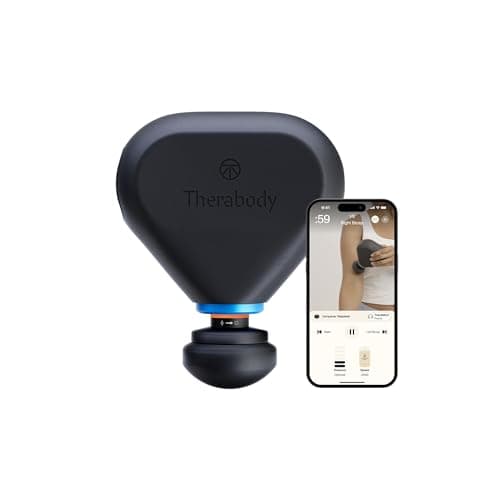
Our Theragun Mini Plus review covers the heated attachment, battery claims, app, size and price, how it compares with the older Mini, and who should buy one.
Best Exercise is a participant in the Amazon EU Associates Programme, an affiliate advertising programme designed to provide a means for sites to earn advertising fees by advertising and linking to Amazon.co.uk. As an Amazon Associate we earn from qualifying purchases. This comes at no extra cost to you and never influences our independent reviews or rankings.