Recovery
AS ColdPlunge Ice Bath Chiller Review: £687 to Stop Buying Ice
Our AS ColdPlunge ice bath chiller review: a 1/3 HP cooler for tubs up to about 300 litres, with the ice-versus-electricity maths and the listing's gaps.

By Mike Shilling, Recovery & Training Editor · Updated 31 October 2026
Most ice baths go bad for the same reason: people fill them, plunge happily for a fortnight, then lift the lid one morning to find green water and a film on the walls. Keeping the water clean is far less work than fixing it afterwards, and the routine is simple. Shower before you get in, keep the lid on, change the water on a schedule that matches how you use the tub, and if you want to go longer between changes, add filtration and a sanitiser. The rest of this guide is the detail behind each of those.
There's no single answer, because it depends on three things: whether the tub has a filter, whether you add a sanitiser, and how many bodies go in it each week. Here's what we'd work to.
| Setup | Typical use | Full water change |
|---|---|---|
| No filter, no sanitiser | 1 person, 3 to 4 plunges a week | Every 3 to 7 days |
| No filter, sanitiser dosed by hand | 1 to 2 people | Every 2 to 4 weeks |
| Filter pump plus sanitiser | 1 to 2 people, daily | Every 4 to 8 weeks |
| Chiller with filter and ozone or UV plus a residual sanitiser | Daily, household use | Every 1 to 3 months, or as the maker advises |
Bigger tubs don't automatically last longer. A 500 litre barrel dilutes contamination more than a 250 litre one, but it also costs more to refill and chill, which tempts people to stretch it. Shared tubs need changing more often than solo ones, and a tub that sits in direct sun warms up and turns faster than one in a shaded garage.
For context, HSE's guidance on spa pools used commercially expects the full volume to be replaced weekly, or after each group of users if sooner (HSE HSG282). That's written for heated hot tubs with heavy bather loads, so it's stricter than a home ice bath needs, but it's a useful ceiling: if you've no filter and no sanitiser, a week is about as far as you should push it.
These cost nothing and do more than any chemical.
A filter doesn't disinfect the water, but it strips out the hair, skin flakes and debris that a sanitiser would otherwise be fighting. Cartridge filters on tubs like the Lay-Z-Spa Glacial Dip need rinsing with a hose every week or so and replacing every few months; a clogged cartridge circulates water without cleaning it.
Chiller units usually combine a pump, a filter and sometimes ozone or UV. Ozone and UV are genuinely useful, but HSE is clear that neither works on its own: UV only kills bacteria at the point the water passes the lamp, and ozone must be used alongside a residual disinfectant. Treat them as helpers, not a replacement for sanitiser. If you're weighing up a chiller, our AS ColdPlunge chiller review and the Zennest chiller tub review cover what the filtration actually does on each.
Always follow the dose on the product label for your tub's volume, and buy a pack of spa test strips (around £10 for 50) so you're measuring rather than guessing. The figures below come from HSE's spa pool guidance, which is the most authoritative UK reference available, though it's written for heated commercial tubs.
Silver stabilised hydrogen peroxide is the option most cold plunge makers recommend. It breaks down into water and oxygen, doesn't smell, and doesn't need pH adjustment. HSE describes an initial shock dose of 100 ppm for at least 12 hours, then a running residual of about 50 ppm (30 to 70 ppm). Use a product sold for hot tubs; don't pour in high-strength peroxide from a chemist, which can irritate skin and damage liners.
Spa chlorine granules (dichlor) are cheap and effective in cold water. HSE's target for spa pools is 3 to 5 mg/l free chlorine, or 4 to 6 mg/l bromine, with pH between 7.0 and 7.6. At home, with one person in cold water, sitting at the lower end is plenty, and you'll find the tub needs much less topping up than a hot tub would. Bromine is gentler on the nose but slower to dissolve in cold water; chlorine is the simpler choice for most people.
Built into some chillers. Useful for knocking down bacteria as water circulates, but you still need a low residual of chlorine, bromine or peroxide in the tub itself.
Household bleach for routine dosing (fine for scrubbing an empty tub, hard to dose accurately in a full one), Epsom salts as a "cleaner" (they aren't), and mixing different sanitisers in the same water.
Plan a deep clean at every full water change.
Inflatable and PVC tubs: drain via the valve with a hose to a drain or flower bed, not across a patio. Once it's empty, wipe the walls and floor with a soft sponge and warm water with a little washing-up liquid, paying attention to the waterline, seams and around the valve. Rinse well and let it air dry for an hour before refilling. Avoid scourers and solvent cleaners, which scuff PVC and give biofilm somewhere to grip. Tubs with a removable liner, like the Replenished 370L, make this a ten minute job.
Rigid tubs and chiller units: drain, scrub the shell with a soft brush, then clean the filter. Every few months, or after any water that went bad, run a line cleaner or a sanitiser flush through the chiller's pipework following the maker's instructions. Pipework is where biofilm hides, and draining the tub doesn't touch it.
Biofilm forms on wet surfaces across a wide range of temperatures, and it grows faster when nutrients from skin and sweat are in the water (Jarząb and Walczak, 2017). That's the case for showering first and for physically scrubbing rather than just refilling.
Any one of these means change the water today.
Legionella is the bacterium behind Legionnaires' disease, and HSE notes it grows most readily between 20C and 45C, which is why hot tubs are a recognised source. Two things put most ice baths in a better position: the water sits well below 20C, and most plunge tubs don't have jets that throw a fine spray you'd breathe in.
That's lower risk, not zero risk. An unchilled tub in a sunny garden in August can reach the high teens or low 20s. Chillers have pumps and pipework where water sits warmer and still between sessions. And Pseudomonas, which causes skin and ear infections rather than pneumonia, doesn't need hot water to survive. Keep a sanitiser in the water, keep it cold, and don't leave a tub full and untouched for weeks, then start using it again without a change.
Winter is the easiest season: mains water arrives cold, algae barely grow, and the water lasts longer. The risk is frost. A full PVC tub generally copes with a light freeze, but a long hard frost stresses seams, and chillers or plastic valves can crack if water freezes inside them. If a prolonged freeze is forecast and you aren't plunging, drain it.
To store a tub, drain it completely, clean and rinse it, then let it dry fully, inside the hoses and fittings too, before folding. HSE's guidance for spa pools is the same: store them dry, pipework included, as far as practicable. A tub folded damp grows mould in a cupboard within weeks. Before the first plunge of the new season, give it a full clean and a fresh fill.
With no filter and no sanitiser, change it every three to seven days, sooner if more than one person uses it or it sits in the sun. Add a filter pump and keep a sanitiser residual in the water and most home tubs will go four to eight weeks between full changes. If the water smells, feels slimy or turns cloudy, change it that day regardless of the calendar.
Yes. Spa chlorine granules work in cold water, and you need less of them because a cold tub has far fewer bathers and much less organic load than a hot tub. HSE's spa pool guidance targets 3 to 5 mg/l free chlorine at pH 7.0 to 7.6 in commercial hot tubs; at home, dose to the low end, test with strips, and shower before you get in so the chlorine isn't fighting your sweat.
Silver stabilised hydrogen peroxide is a recognised spa disinfectant and many cold plunge makers recommend it because it breaks down to water and oxygen and doesn't smell like a pool. HSE's spa guidance describes a running residual of around 50 ppm (30 to 70 ppm). Use a product sold for hot tubs, follow its label for your volume, and never use high-strength or food-grade peroxide neat.
It slows them down but doesn't stop them. Legionella grows fastest between 20C and 45C, so a tub held at 5C to 12C is a much less friendly home than a hot tub. But bacteria survive in cold water, biofilm still forms on the walls and pipework, and an unchilled tub in July sunshine can drift above 20C. Cold lowers the risk; it doesn't remove it.
That's biofilm: a layer of bacteria glued together in their own slime, usually just under the waterline or around the drain and fittings. Draining doesn't remove it. Scrub it off with a soft brush and a mild detergent or a dilute bleach solution, rinse thoroughly, and refill.
Only if you're stopping using it, or a hard freeze is forecast and the tub has a chiller or plastic fittings. Cold weather is the best time to plunge in the UK. If you do store it, drain it fully, clean it, and let it dry completely, including any hoses, before folding or covering it.
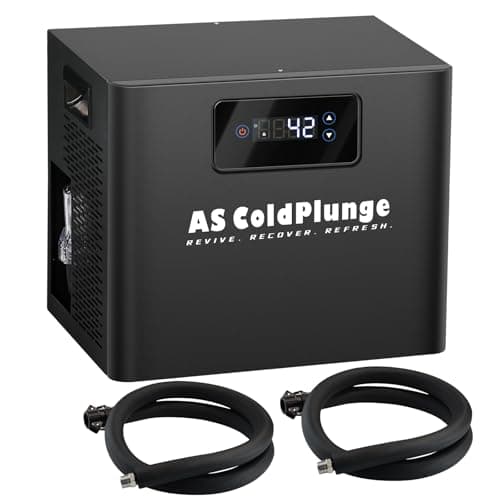
Our AS ColdPlunge ice bath chiller review: a 1/3 HP cooler for tubs up to about 300 litres, with the ice-versus-electricity maths and the listing's gaps.
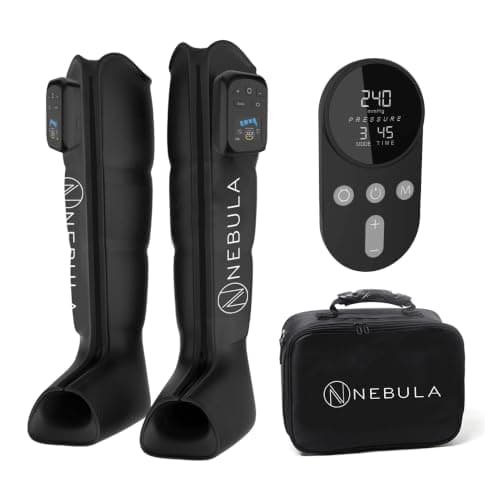
Nebula wireless compression boots review: cordless, USB-C, a 120 minute battery and foot to thigh coverage for £249.99, but no published pressure figure.
What a sauna hat is, why felted wool keeps your head cooler in a hot sauna, whether it helps you stay in longer, how to size, wet and wash one, and which to buy.
Sauna temperature explained: 70 to 100°C for Finnish saunas, 45 to 65°C for infrared, 40 to 45°C for steam rooms, plus beginner settings and safety.
Best Exercise is a participant in the Amazon EU Associates Programme, an affiliate advertising programme designed to provide a means for sites to earn advertising fees by advertising and linking to Amazon.co.uk. As an Amazon Associate we earn from qualifying purchases. This comes at no extra cost to you and never influences our independent reviews or rankings.