Recovery
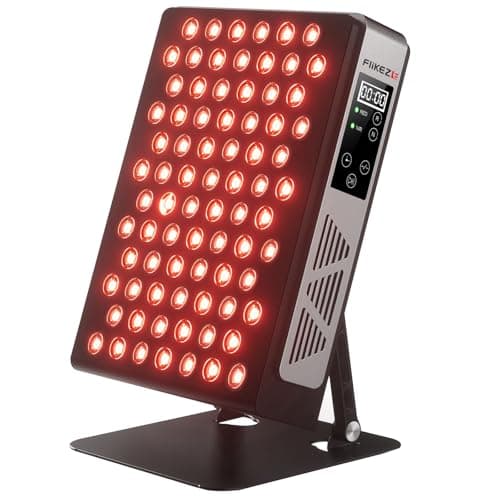
FliKEZE Red Light Therapy Review: 78 Quad Chip LEDs for £249.99
FliKEZE red light therapy review: 78 quad chip LEDs, 630 to 850nm, a 134 mW/cm² claim at 6 inches, five intensity levels and how it compares at £249.99.

By Mike Shilling, Recovery & Training Editor · Updated 9 September 2026
We may earn a commission from qualifying purchases made through links on this page, at no extra cost to you. This never affects our ratings.
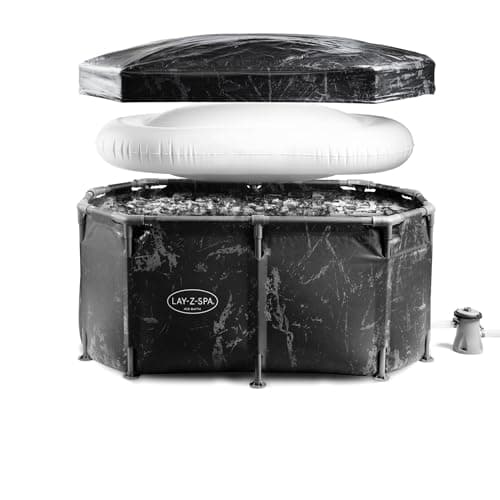
Lay-Z-Spa has spent a decade selling inflatable hot tubs to British gardens, so a cold plunge tub from the same Bestway stable was always coming. The Glacial Dip is that product: a rigid-framed, one to two person ice bath with a triple-layer liner, a filter pump, a thermal lid and an all-weather cover, at £129.99. It arrives into a market dominated by anonymous PVC barrels from brands nobody has heard of, and its main selling point is simply that somebody will still be around to honour the warranty.
That matters more than it sounds. The failure mode for budget plunge tubs is not dramatic; it is a seam weeping after eighteen months, and a seller who no longer trades under that name. Bestway is a real manufacturer with a UK spares operation, and buying into that is a large part of what the extra £50 over a generic barrel is actually for.
How we review
This review is based on Bestway's published specification for the Glacial Dip, the design decisions visible in the product itself, and our experience with Lay-Z-Spa's wider range of frames, liners and filter pumps, which share components and behaviour with this model. This is a new listing with a short review history, so we have avoided drawing conclusions about multi-year durability that the evidence does not yet support.
The Glacial Dip suits someone who has already decided cold water is part of their routine and wants a tub that lives outside permanently without looking like a builder's bag. It is aimed at the two-or-three-plunges-a-week user, not the curious once-a-month dabbler. Runners and lifters using it for post-session recovery are the obvious audience, but a fair number of buyers will be people who simply like the way a cold morning start makes them feel, and the tub does not care which camp you are in.
Check the Glacial Dip price on Amazon£129.99The frame is the headline. ClickConnect is Bestway's tool-free system, and the steel sections push together and lock without a spanner or a swear word. Once built, the tub holds its shape whether it is empty or full, which is the single most noticeable difference from a pole-frame barrel: those rely on water pressure and an inflated ring to stay upright, and they always look slightly drunk on anything but perfectly level ground.
The liner is Tritech, a three-layer construction of two polyester mesh layers bonded to PVC. Lay-Z-Spa has used it across the hot tub range for years, and its job here is resisting the repeated expansion and contraction that cold cycling puts through a liner. Galvanised steel handles the frost side, and the Polar-Shield treatment is there to stop the frame corroding when it sits in a wet British garden from October to March.
Assembly took a little under half an hour, with the awkward step being getting the liner seated flat and square inside the frame before any water goes in. Get that wrong and you end up with a wrinkle that traps water and grit. Fill it with a hose, not buckets.
| Capacity rating | 1 to 2 people |
|---|---|
| External dimensions | Approx 150 x 90 x 65 cm |
| Empty weight | Approx 12.4 kg |
| Liner | Triple-layer Tritech |
| Frame | Galvanised steel, ClickConnect, Polar-Shield coated |
| Filter pump | 1,249 litres per hour |
| Cooling | None, ambient or ice only |
| Included | Thermal lid, all-weather cover, filter pump |
| Model | BW6003QGB |
Sitting in it, the shape works. The rectangular footprint gives you somewhere to put your knees, which round barrels do not, and at 65cm deep the water sits around chest height for most adults if you fill it properly. Getting out is easier than a barrel too, because the rigid frame gives you something to push against instead of a wobbling inflatable ring.
Water temperature follows the same rules as every unchilled tub. From November to March a British garden does the work: tap water at 8 to 11°C, then ambient cooling overnight, and you rarely need ice at all. From May onwards you are looking at 16 to 20°C from the tap, and getting that down to a useful 12°C in this volume takes roughly 8 to 12kg of ice. That is a fortnightly supermarket habit rather than a trolley-load, which is one quiet advantage of a smaller tub over the 400 and 500 litre barrels.
The temperature you are aiming for is less extreme than the internet suggests. Pooled data on immersion parameters points to water at 11 to 15°C for 11 to 15 minutes outperforming colder or longer exposures for reducing muscle soreness, and a systematic review of cold water immersion for muscle fatigue supports a real if modest recovery effect at those doses. The Glacial Dip reaches that range without ice for roughly half the British year.
The filter pump is the feature that quietly changes ownership. Without one, a plunge tub is a bucket you empty every week. With 1,249 L/h circulating a couple of hours a day, skin oils and debris get pulled out and a fill lasts three or four weeks with light sanitiser use. That is the difference between a tub you use and a tub that becomes a chore.
One caveat on placement: the pump needs a socket. An RCD-protected outdoor socket is the sensible answer, and running an extension lead across a wet lawn is not.
Cold immersion drives a fast heart rate and blood pressure response, and the British Heart Foundation's guidance on cold water and the heart is worth reading first if you have any cardiac history. Get in slowly, control the breath, and do not plunge alone in the early weeks.
Timing matters too if you lift. Regular cold immersion straight after resistance training attenuates anabolic signalling and long-term muscle adaptations, an effect since confirmed in a meta-analysis of post-exercise cold water immersion and hypertrophy. Plunge on rest days or several hours after lifting, and you keep the recovery benefit without paying for it in muscle growth. We go deeper on this in our guide to cold plunging before or after a workout.
See today's Lay-Z-Spa Glacial Dip priceAgainst the Nebula 400L and other pole-frame barrels, the Glacial Dip costs roughly £50 more and gives you a rigid frame, a filter pump and a brand that will still exist next year. Against the Cold Pod 440L, the more established British option, it trades a little water volume for the filter and the steel. And against the Zennest 530 litre tub, it is a far more sensible size for anyone buying ice, since Zennest's volume makes summer running costs painful.
If you want the smaller, cheaper sibling, Lay-Z-Spa also sells the single-person Glacial Dip Pod at around £100. It drops the filter pump, which we think is the wrong saving.
Our best ice bath UK guide ranks the whole field, and ice bath temperature covers what to actually aim for once it is in the garden. There is more kit in the recovery section.
No. It ships with a filter pump rated at 1,249 litres per hour, which circulates and cleans the water but does not cool it. Cooling still comes from ambient temperature or ice. A separate chiller can be plumbed in by most owners, though Lay-Z-Spa does not sell one for this model as standard.
Bestway rates it for one to two people. Two adults fit if you sit facing each other with legs interlocked, which is fine for a couple and cramped for two large adults. Used solo, there is enough room to sit upright with shoulders under water, which is the position most people want.
That is what the Polar-Shield protection and the galvanised steel frame are for, and winter is when an unchilled tub works best. The usual caution applies: if a hard multi-day freeze is forecast and you will not be using it, drain it rather than let a solid block of ice form against the liner.
It stretches a fill from roughly one week to three or four, assuming you rinse before getting in and use a small amount of sanitiser. The pump traps skin oils and debris, which are what turn the water cloudy. It does not sterilise the water, so you still need chlorine or bromine if you leave the same fill in for weeks.
About 20 to 30 minutes for the first build. The ClickConnect frame goes together without tools, and the fiddliest part is seating the liner squarely inside the frame before you start filling. Filling from a garden hose takes another 20 minutes or so.
If you plunge two or three times a week and want it left up permanently, yes. You are paying for a rigid frame that does not lean, a triple-layer liner rated for repeated cold cycles, a filter pump and a proper all-weather cover. If you are still deciding whether cold water is for you, start cheaper.
FliKEZE red light therapy review: 78 quad chip LEDs, 630 to 850nm, a 134 mW/cm² claim at 6 inches, five intensity levels and how it compares at £249.99.
How to use a red light therapy panel properly: the right distance and session time, how often, before or after training, eye safety and how to work out your dose.
The real benefits of compression boots, judged against the research: what helps (soreness, feeling recovered), what doesn't hold up, and who should avoid them.
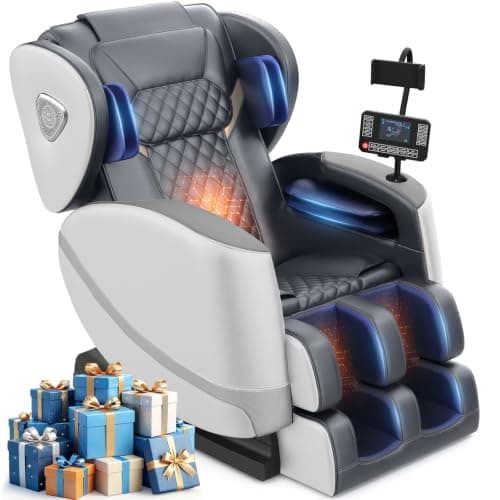
Our FURNIMAT massage chair review of the £470 zero gravity model: 14 fixed nodes, 8 airbags, heat and 165 degree recline, plus a footrest that suits shorter users.
Best Exercise is a participant in the Amazon EU Associates Programme, an affiliate advertising programme designed to provide a means for sites to earn advertising fees by advertising and linking to Amazon.co.uk. As an Amazon Associate we earn from qualifying purchases. This comes at no extra cost to you and never influences our independent reviews or rankings.