Recovery
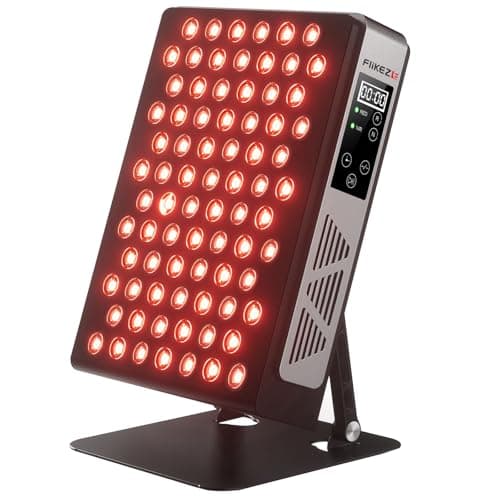
FliKEZE Red Light Therapy Review: 78 Quad Chip LEDs for £249.99
FliKEZE red light therapy review: 78 quad chip LEDs, 630 to 850nm, a 134 mW/cm² claim at 6 inches, five intensity levels and how it compares at £249.99.

By Mike Shilling, Recovery & Training Editor · Updated 29 September 2026
We may earn a commission from qualifying purchases made through links on this page, at no extra cost to you. This never affects our ratings.
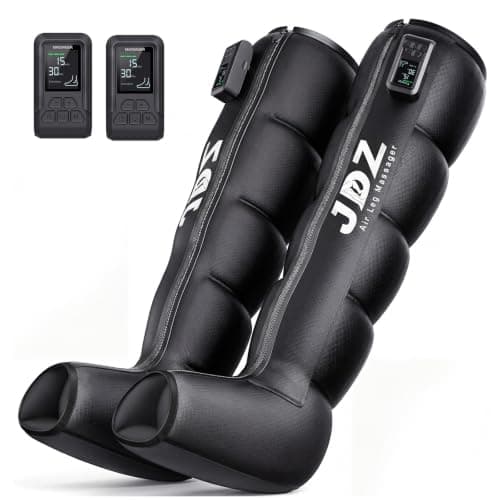
Most compression boots arrive as two long sleeves, a pump unit and a nest of air hoses that tie you to the sofa and a plug socket. JDZ's cordless leg massager puts the battery and pump in the boots themselves, which means you can wear them in the car, at a desk or on a train. They cost £219.99 on Amazon UK.
We like the idea a lot. The spec sheet leaves out the number we'd most want to see.
How we review
We've based this review on JDZ's Amazon UK listing and images, the research on intermittent pneumatic compression, and our experience with hose-and-pump compression systems such as the FIT KING leg compression machine. We haven't used this exact product. It launched on Amazon UK in July 2026, so there's no long-term reliability picture, and Amazon doesn't expose a rating count we can verify.
People who'd actually use compression boots more often if they weren't a hassle to set up. Runners and cyclists wanting 20 minutes of squeeze after long sessions fit that description, as do nurses, teachers and anyone who stands all day and ends it with heavy legs. The zip-front design and XL sizing (thighs up to 73cm) also make them easier than most for older or larger users.
Athletes who want a known clinical-grade pressure should buy a hose system with a published mmHg range instead. Our best compression boots guide compares them.
| Air chambers | 5 per boot (foot, calf, thigh) |
|---|---|
| Modes | 3 |
| Intensity levels | 5 |
| Maximum pressure | Not published |
| Battery | Up to 180 minutes per charge |
| Charging | USB cable (supplied) |
| Timer | 10, 20 (default) or 30 minutes, auto-off |
| Size | X-Large, thighs up to 73cm |
| Closure | Full-length front zip |
| Warranty | 12 months |
Hose-based boots work well, but the routine of laying out the sleeves, clipping in the hoses and parking the pump next to you is exactly why so many end up in a cupboard. JDZ's design cuts that down to zipping up two boots and pressing a button. A full charge covers about nine 20-minute sessions, and the auto-off timer means you can nod off without leaving them running.
The trade-off is size and pressure. Packing a pump and battery into each boot has to make them bulkier around the lower leg, and compact pumps usually can't match the pressure of a mains-powered unit.
JDZ describes the pressure as anything from a "gentle, soothing touch" to a "firm, deep air massage" and says a sensor adapts it to your leg size. What it doesn't give is a number. That matters, because most recovery research uses pressures around 80mmHg, and the protocols that showed some benefit clustered around 20 to 30 minutes at that level (Biology of Sport meta-analysis, 2024). Without a figure you can't tell whether level 5 reaches it.
For relaxation and tired legs, that probably doesn't matter much; for anyone trying to copy a published protocol, it does.
We'd keep expectations sensible. That same 2024 meta-analysis of 17 studies and 319 people found a trivial to small benefit for muscle function and a trivial to moderate drop in soreness, with muscle-damage markers all over the place. A 2026 randomised trial in international-level youth footballers went further: 30 minutes at 200mmHg after matches did no better than a placebo cream on jump height, muscle fatigue, creatine kinase or perceived soreness (BMC Sports Science, Medicine and Rehabilitation, 2026).
So the honest case for any compression boot is that it feels good and nudges soreness down a little, which makes it easier to turn up for the next session. That's worth something, just not £220 of faster muscle repair. Our guide on how to use compression boots covers timing and settings. If you have or suspect a deep vein thrombosis, or have circulation problems, check with a GP before using any compression device.
The XL version fits thighs up to 73cm around, and the full-length front zip is a genuinely good detail, because pull-on compression sleeves are a struggle for anyone with stiff hips or limited reach. The backlit LCD shows mode, intensity and time. JDZ says the fabric is breathable and easy to wipe clean, which you'll want if you use them straight after training.
Check the JDZ price on Amazonaround £220They're a convenient, cordless take on compression boots at £219.99, with five air chambers, three modes, five intensity levels and around 180 minutes per charge. The main gaps are that JDZ doesn't publish a maximum pressure in mmHg and the product only launched in 2026, so there's no durability record.
JDZ quotes up to 180 minutes of use per charge. With the default 20-minute auto-off, that's roughly nine sessions, or a week or more of daily use. They charge over USB.
This is the X-Large version, which JDZ says fits thighs up to 73cm around. A full-length front zip makes them easier to get on than the pull-on boots used by some rivals, which also helps older users.
Modestly. A 2024 meta-analysis of 17 studies found lower-limb pneumatic compression gave a trivial to small benefit for muscle function and a trivial to moderate reduction in soreness. A 2026 placebo-controlled trial in elite youth footballers found no benefit over placebo after matches, so expect them to feel good more than to transform your recovery.
Anyone with a known or suspected deep vein thrombosis, poor circulation from peripheral arterial disease, open wounds or severe swelling on the legs should speak to a GP first. JDZ also describes these as a home relaxation and wellness device, not a medical one.
FliKEZE red light therapy review: 78 quad chip LEDs, 630 to 850nm, a 134 mW/cm² claim at 6 inches, five intensity levels and how it compares at £249.99.
How to use a red light therapy panel properly: the right distance and session time, how often, before or after training, eye safety and how to work out your dose.
The real benefits of compression boots, judged against the research: what helps (soreness, feeling recovered), what doesn't hold up, and who should avoid them.
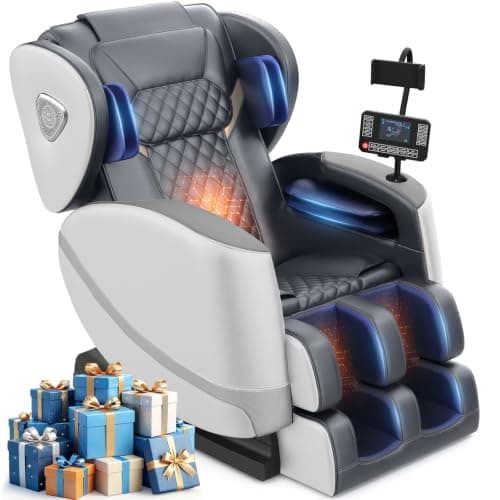
Our FURNIMAT massage chair review of the £470 zero gravity model: 14 fixed nodes, 8 airbags, heat and 165 degree recline, plus a footrest that suits shorter users.
Best Exercise is a participant in the Amazon EU Associates Programme, an affiliate advertising programme designed to provide a means for sites to earn advertising fees by advertising and linking to Amazon.co.uk. As an Amazon Associate we earn from qualifying purchases. This comes at no extra cost to you and never influences our independent reviews or rankings.