Recovery
How to Build a Sauna in the UK: A Realistic DIY Guide
How to build your own sauna in the UK: indoor or garden, sizing, timber, insulation, ventilation, heater sizing, Part P electrics and planning rules.

By Paul Kendrick, Cardio & Endurance Editor · Updated 8 November 2026
Buy a Garmin if you run, ride or want to see anything on your wrist: a Forerunner gives you GPS, a screen, HRV Status, Body Battery and Training Readiness for a one-off price, and over two years it costs £200 or more less than WHOOP. Pick WHOOP only if recovery and sleep are the whole point, you'd rather wear something with no screen at all, and you're happy to pay every year for it. For most people reading this, and for anyone who trains with a plan, that's the Garmin.
The two aren't really the same type of product, which is why the comparison is closer than it looks on paper. A Garmin is a training watch that also does recovery; WHOOP is a recovery coach that happens to be worn on your wrist.
How we compared them
This guide uses Garmin's published specifications, WHOOP's membership details as listed on Amazon UK (WHOOP's own UK site blocked our checks, so confirm One and Life tier prices there), live Amazon UK prices taken on 8 November 2026, and peer-reviewed validation studies. We haven't worn the two side by side for this piece, so battery and accuracy claims are the makers' unless a study says otherwise.
| How you pay | Garmin: one-off purchase (Forerunner 70 about £174, Forerunner 265 about £260). WHOOP: yearly membership with the band included (Peak £229 for 12 months) |
|---|---|
| Two-year cost | Garmin: £174 to £260. WHOOP Peak: £458 |
| Screen | Garmin: AMOLED touchscreen. WHOOP: none |
| GPS | Garmin: built in (multi-band on the 265). WHOOP: none, uses your phone |
| Battery (claimed) | Garmin: up to 13 days smartwatch; 20 hours GPS (265), 23 hours GPS (70). WHOOP 5.0: 14 plus days |
| Recovery metrics | Garmin: HRV Status, Body Battery, Training Readiness, recovery time. WHOOP: Recovery score, Strain, Sleep Performance |
| Phone | Both work with iPhone and Android |
This is where WHOOP's model hurts. You don't buy a WHOOP; you rent it. The Peak membership, which ships the WHOOP 5.0 band, a strap and the slide-on charger, was £229 for 12 months on Amazon UK at the time of writing. Keep it for two years and you've paid £458, then another £229 for year three. Stop paying and the band is useless, because there's no screen and nothing to read without the app.
A Garmin is paid for once. The Forerunner 70 was about £174 on Amazon at the time of writing and the Forerunner 265 about £260, so you're between £200 and £280 ahead after two years. Garmin's recovery features (Body Battery, HRV Status, sleep score and Training Readiness) work in the free Connect app; the optional Connect+ subscription adds extras, not the basics.
WHOOP One is the cheaper entry tier with strain, recovery and sleep, and Life is the top tier with the WHOOP MG band and ECG. Neither changes the maths much: even the cheapest yearly membership overtakes a Forerunner 70 in its second year.
There's no contest here. WHOOP has no GPS and no display, so a run is logged using your phone's location and you can't glance down to check pace, distance or heart rate zone. If the phone stays at home, you get heart rate and strain but no route.
The Forerunner 265 has multi-band GNSS, which Garmin says improves accuracy around tall buildings and tree cover, along with daily suggested workouts, a race widget and Training Status. Garmin's Forerunner 265 spec page rates it at up to 20 hours of GPS recording, enough for a marathon with hours to spare. The Forerunner 70 is the budget route in, with built-in GPS, Garmin Coach plans and up to 23 hours of GPS per its Amazon listing. Our Forerunner 265 review and Forerunner 70 review go through both in detail.
If you run, cycle or swim with any regularity and want to see your numbers while you're doing it, stop reading and buy the Garmin.
Both brands build their morning verdict from overnight heart rate variability, resting heart rate, sleep and recent training. They just present it differently.
WHOOP gives you a single Recovery percentage each morning and a Strain score that rises with how hard your day was, and the app frames everything as a balance between the two. It's clear, and WHOOP's coaching is consistent about what to do with the number. The weakness is effort tracking for lifting: wrist heart rate barely moves during a heavy set of five, so Strain can rate a hard squat session below an easy jog.
Garmin splits the job into several pieces. HRV Status compares your overnight HRV with your own baseline over weeks, and needs roughly three weeks of wear to settle. Body Battery is a running energy gauge that rises with sleep and rest and drains with activity and stress. Training Readiness pulls sleep quality, recovery time, training load and HRV Status into one morning score, and on the Forerunners it feeds the workout the watch suggests for the day. That last link is Garmin's real advantage: the recovery number changes what the watch tells you to do, not just how you feel about it.
On accuracy, the most useful study we found tested both brands against an ECG over 536 nights. WHOOP 4.0's overnight HRV showed acceptable agreement (a mean absolute error of about 8%), while the Garmin Fenix 6 showed lower agreement, at about 10.5% (validation of nocturnal resting heart rate and HRV in consumer wearables). That's a win for WHOOP, but a small sample (13 adults) and older hardware on both sides, and a follow-up letter questioned whether the devices were compared on equal terms. Treat it as a lean, not a verdict.
WHOOP's biggest practical advantage is that you'll actually wear it in bed. A soft knit band with no screen is easier to sleep in than a watch, and a tracker that's on every night builds a better baseline than one that comes off now and then.
The research backs WHOOP on the headline figure. A systematic review comparing WHOOP, a Garmin Vivosmart 4 and a Fitbit Charge 4 against polysomnography found WHOOP was off by only 1.4 minutes on average for total sleep time, though it overestimated REM by about 21 minutes (accuracy of Fitbit, Garmin and WHOOP vs polysomnography). The Garmin picked up sleep well (98% sensitivity) but was poor at spotting time awake, with 30% specificity, which tends to mean it counts restless lying-in as sleep. Again, that was an older Garmin tracker, not a current Forerunner.
Neither device tells you much about one night's sleep stages. Watch your total and your trend, and see our guide to sleep and muscle recovery for the habits that make the biggest difference.
The claims are close. WHOOP says the 5.0 lasts 14 days or more, and you charge it by sliding a battery pack onto the band, so it never comes off. Garmin quotes up to 13 days in smartwatch mode for both the Forerunner 265 and 70, which drops sharply with the always-on display and a few long GPS sessions a week; our 265 review puts real-world use at roughly five to seven days with always-on enabled.
For comfort, WHOOP wins in bed and in contact sports, and it can be moved to the upper arm. The Forerunner 70 weighs about 40g according to its Amazon listing and is light enough that most people forget it's there, but it's still a watch case with a screen.
Check the Garmin Forerunner 265 price on Amazonaround £260 at the time of writingPick a Garmin if you run, cycle, swim or follow any kind of training plan. The Forerunner 265 is the one we'd buy: multi-band GPS, an AMOLED screen and the full set of HRV Status, Body Battery and Training Readiness, for less than the first year and a bit of WHOOP. The Forerunner 70 does nearly all the recovery side for about £174 and suits newer runners. If you want a dressier watch, our best Garmin watch guide covers the Venu and vívoactive lines.
Pick WHOOP if you mainly lift, play team sports or do classes, you want sleep and recovery coaching above everything else, and you dislike screens and notifications. It also suits people who've tried watches and keep taking them off at night. Read our WHOOP Peak review first, because the yearly cost is the catch.
Check the Garmin Forerunner 70 price on Amazonaround £174 at the time of writing Check the WHOOP Peak price on Amazon£229 for 12 months at the time of writingFor a small group, yes. Some endurance athletes wear a Garmin for GPS and workouts and a WHOOP on the other wrist or the bicep for sleep and coaching, and nothing stops the two from running side by side. You'd be paying for the watch once and WHOOP every year, mostly to get a second opinion on recovery the Garmin already gives you.
We'd only do it if you've owned a Garmin for a while, you find its Training Readiness unhelpful, and the WHOOP app's way of explaining recovery is what you're after. Otherwise, one Garmin worn every night (including in bed) covers it. If you're also weighing an Apple Watch, see our comparisons of Garmin vs Apple Watch and WHOOP vs Apple Watch.
WHOOP's recovery score is simpler to read and the whole app is built around it, which suits people who mainly want to know whether to train hard today. Garmin's Training Readiness uses similar inputs (overnight HRV, sleep and recent load) and ties the answer to your training plan. In the one study that tested both against an ECG, WHOOP's overnight HRV agreed with the reference more closely than an older Garmin's, but neither was perfect.
WHOOP Peak was £229 for 12 months on Amazon UK at the time of writing, so two years costs about £458. A Garmin Forerunner 70 was about £174 and a Forerunner 265 about £260, paid once. Over two years the Garmin is cheaper by roughly £200 to £280, and the gap grows every year you keep it.
No. WHOOP has no GPS chip and no screen, so it borrows your phone's location for runs and rides and you can't see pace on your wrist. Every Forerunner has built-in GPS, which is why runners and cyclists almost always end up with a Garmin.
Yes. Many people wear the Garmin on one wrist and the WHOOP on the other, or on the upper arm. It makes sense if you want WHOOP's coaching but still need a GPS watch for training, though you pay the watch price and the yearly membership. Most people get enough from a Garmin's own Training Readiness and sleep score to skip the second device.
In a systematic review against polysomnography, WHOOP was the closest of three devices for total sleep time, off by about 1.4 minutes on average, while the Garmin tested was much worse at spotting when you're awake (30% specificity). Both struggle with sleep stages, so trust the total and your trend more than a single night's REM figure.
No. Body Battery, HRV Status, sleep score and Training Readiness are built into the watch and the free Garmin Connect app. Garmin does sell an optional Connect+ subscription for extra coaching and app features, but the core recovery metrics don't sit behind it.
How to build your own sauna in the UK: indoor or garden, sizing, timber, insulation, ventilation, heater sizing, Part P electrics and planning rules.
WHOOP vs Oura compared for UK buyers: WHOOP 5.0 memberships against the Oura Ring 5 and Ring 4. Sleep, recovery, strain, battery, accuracy and two-year cost.
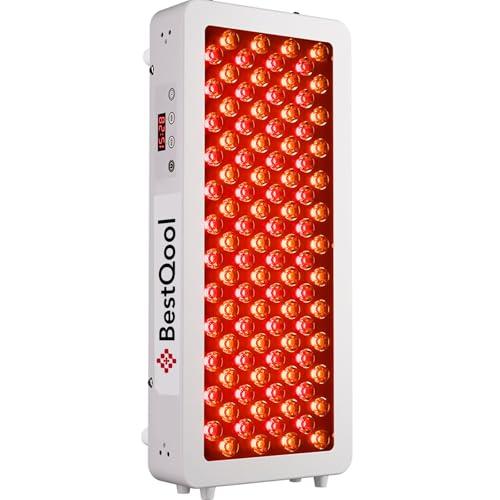
BestQool Pro100 review: 160W, 100 dual chip LEDs, four wavelengths and 109 mW/cm² at 3 inches. How it differs from the 105W and who should buy it.
A massage gun can ease the tight glutes and hamstrings that come with sciatica, but it can't fix a pinched nerve. Where to use it, settings and red flags.
Best Exercise is a participant in the Amazon EU Associates Programme, an affiliate advertising programme designed to provide a means for sites to earn advertising fees by advertising and linking to Amazon.co.uk. As an Amazon Associate we earn from qualifying purchases. This comes at no extra cost to you and never influences our independent reviews or rankings.