Recovery
Garden Sauna UK: Types, Costs, Planning Rules and Running Costs
A UK buyer's guide to garden saunas: barrel, cabin, pod and infrared options, real installation costs, planning permission rules and what one costs to run.

By Mike Shilling, Recovery & Training Editor · Updated 2 November 2026
A portable sauna is any sauna you can fold away, carry or set up yourself without building a room, and in practice that means one of four things: a steam tent, an infrared tent or box, an infrared sauna blanket, or a wood-fired outdoor tent. The plug-in versions cost £80 to £300 or so on Amazon UK and run cooler than a traditional sauna, usually 45°C to 65°C against 80°C to 100°C. They're worth buying for a regular, cheap heat habit at home, as long as you don't expect a Finnish sauna or believe the weight-loss marketing.
Page one of Google for this term is mostly shop listings and brand pages, each selling one format. This guide covers all of them side by side, with the numbers sellers tend to bury.
The most common and cheapest type. You get a fabric tent on a folding frame, a chair, and a separate steam generator (essentially a kettle with a hose) that pumps water vapour into the cabin. Your head usually pokes out of a zipped hole at the top, although some models have a hood you can close.
Most single-person steam tents peak at around 45°C to 54°C. That sounds mild, but the air is close to saturated, so sweat can't evaporate off your skin and it feels much hotter than the reading. Generators range from about 1000W to 1600W, with tanks of 2 to 4 litres.
The big quality problem with cheap steam tents is smell. Hot, wet fabric and plastic fittings off-gas, and owners of budget tents often describe a chemical tang that lingers for weeks. Our Runitude portable sauna review covers the one tent we've found that publishes VOC testing on its materials, which is why it costs more than the generic ones. For a first session walk-through, read our guide on how to use a portable steam sauna.
Check the Runitude steam sauna price on AmazonThese look similar but heat you differently. Instead of steam, carbon or far infrared panels in the walls warm your skin and the tissue beneath it directly, and the air warms up as a side effect. Typical ceilings are 60°C to 65°C of air temperature, and most add a heated foot pad. Some tents keep your head outside, which is cooler and easier on beginners; taller ones let you sit fully inside.
The heat is dry, so a 60°C infrared tent feels gentler than a 50°C steam tent, and you'll need 30 minutes or more for a proper sweat. Don't mistake gentle for trivial, though. In a 2026 study, 12 healthy adults sat in a far infrared sauna at 65°C for 45 minutes: core temperature rose by 1.4°C, heart rate went from about 74 to 153 bpm, and they sweated around 1.4 litres an hour (far infrared sauna at 65°C study). The same paper notes that earlier work at around 45°C found little real heat build-up, so wattage and temperature matter more than marketing copy suggests.
Box-style units such as the SereneLife infrared sauna box are lower and cheaper. Tents such as the SereneLife infrared sauna tent, the CONLONS tent and the longer Smartmak give you more room to sit back. If you're weighing infrared against the real thing, our infrared sauna vs traditional sauna guide goes through the physiology.
See today's SereneLife infrared sauna tent priceA sauna blanket is a padded, zip-up sleeping bag with heating elements in the lining. You lie inside it on a bed or the floor, usually in long sleeves and trousers so your skin isn't against the hot lining. Panel temperatures run from about 25°C up to 80°C or 85°C depending on the model, and most people settle around 60°C to 70°C for 30 to 45 minutes.
Blankets are the most compact option by a distance (one rolls up into a cupboard) and the cheapest to run. The trade-offs: your head is out, you're lying down rather than sitting, and they cost more than a basic tent. Cleaning sweat out of the lining is the chore owners complain about most. Our best sauna blanket UK guide compares the current options, and the HYDRAGUN HeatPod review covers one of the hotter models.
The odd one out, and the only portable format that can match a traditional sauna on heat. You pitch a heavy canvas or coated tent with a stove jack, put a small wood-burning stove inside with a chimney through the roof, and pile sauna stones on or around the stove. Throw water on the stones and you get proper löyly.
On Amazon UK, the stoves alone (often sold as "hot tent stoves" with a stone basket) start at roughly £110 to £150 before you add a tent rated for a stove. This is outdoor kit only. You need a garden, beach or campsite where open fires are allowed, a supply of dry wood, and real fire sense: a tent that isn't rated for a stove can melt or catch light, and any wood fire in an enclosed space carries a carbon monoxide risk. A battery CO alarm inside the tent is not optional. If what you actually want is a permanent outdoor sauna rather than something you pack down, read our guide to sauna pods instead.
Here's how the plug-in types compare with a Finnish sauna, using manufacturer ceilings and the figures from the products we've reviewed.
| Steam tent | Around 45°C to 54°C, near 100% humidity, head usually out |
|---|---|
| Infrared tent or box | Around 60°C to 65°C air, dry, head in or out |
| Infrared blanket | Around 25°C to 85°C at the panel, lying down, head out |
| Wood-fired tent | Can reach traditional sauna temperatures, depends on stove and tent size |
| Traditional Finnish sauna | Around 80°C to 100°C, low humidity raised by throwing water |
That gap matters when you read health claims. The research behind the headline sauna benefits, including lower blood pressure and lower cardiovascular and all-cause mortality, comes mostly from Finnish cohorts using traditional hot saunas several times a week, as summarised in a 2018 review in Mayo Clinic Proceedings (Laukkanen and colleagues). Those are observational studies, mostly of Finnish men, and nobody has run the equivalent on head-out steam tents. A portable sauna is a real heat stress, as the infrared study above shows, but treat the big Finnish numbers as a best case, not what you're buying. More on what different heat levels do in our sauna temperature guide.
Prices below are what the models we cover were selling for on Amazon UK when we checked in November 2026. They move often.
Running costs for the electric types are small. A 1000W to 1600W unit used for 30 minutes with a 10 minute warm-up uses roughly 0.7 to 1.1kWh, which is about 17p to 27p a session at 25p per kWh.
Space. Most single-person tents have a footprint of around 80cm to 120cm square, and heights vary a lot between low boxes and full tents, so check the listing against your ceiling and your own seated height. Measure the room, and leave space to get in and out without crawling over the generator hose.
Floor. Steam tents drip condensation from the base, so put them on a hard floor with a towel or mat underneath, not straight on carpet. Infrared tents are drier but you'll still sweat onto the floor.
Power. Plug straight into a wall socket. A 1600W steam generator on a cheap extension lead, especially one that's coiled up, is asking for an overheated cable. Keep the generator and its plug away from where water can pool.
Setup time. Pop-up tents go up in a minute or two; models with separate poles take longer the first time. Steam tents also need emptying and drying after every use or they'll go musty. Blankets just need wiping down and airing.
Ventilation. Open a window or door in the room after a steam session. Several sessions a week in a small, unventilated bedroom will leave you with damp problems on the walls.
Heat exhaustion is the real risk here, and its warning signs are easy to ignore when you're trying to hit a time target. The NHS lists symptoms including tiredness, dizziness, headache, feeling sick, excessive sweating with pale, clammy skin, cramps and feeling very thirsty (NHS: heat exhaustion and heatstroke). If any of those show up, get out, cool down and drink water; the NHS says you should start to feel better within 30 minutes, and to get help from NHS 111 if you don't. Hot skin that has stopped sweating, confusion or a racing heart point to heatstroke, which is an emergency.
The sensible rules:
Check with your GP first if you're pregnant, have heart disease or high or low blood pressure, take medication that affects heart rate or sweating, or have diabetes with any nerve damage in your feet (you may not feel a foot pad getting too hot).
It won't detox you. Your liver and kidneys clear waste; sweat is mostly water and salt. It won't help you lose fat in any meaningful amount either. The scales drop after a session because you've sweated out fluid, and that weight comes straight back when you drink. Sellers that lead with "detox" and "burn 600 calories" are telling you something about their marketing, not their product.
For most people who ask, yes, with conditions. If you'd use one three or four times a week to unwind, ease stiff legs after training and sleep better, a decent £110 to £250 tent costs less than a year of most gym spa add-ons, and running costs are pennies. The heat is genuine: enough to raise your core temperature and heart rate, even if it's a step down from a Finnish sauna.
They're not worth it if you want the full sauna experience of breathing hot air with your whole body in the heat (look at a wood-fired tent or a sauna pod), if you're short on space and won't put it up regularly (a blanket fits better), or if you're buying for weight loss.
Our picks by type: the Runitude for steam, the SereneLife or CONLONS tent for infrared on a budget, and a blanket if storage is the deciding factor. Spend the extra on materials that don't smell when hot, because that's the thing that decides whether you're still using it in six months.
It depends on the type. Steam tents usually top out around 45°C to 54°C, infrared tents around 60°C to 65°C, and sauna blankets between roughly 65°C and 85°C at the panel. A traditional Finnish sauna runs at 80°C to 100°C, so most portable units are cooler, although steam feels hotter on the skin than the number suggests.
They're worth it if you want a regular, cheap heat session at home and you accept the limits: one person, your head usually outside the tent, and less heat than a proper sauna. They're not worth it if you're buying one to lose weight or detox, because neither claim holds up. Most of what you lose in a session is water.
Most steam and infrared tents draw between 1000W and 1600W. At around 25p per kWh, a 30 minute session plus 10 minutes of warm-up costs roughly 17p to 27p. Blankets use less power, and wood-fired tents cost whatever your firewood costs.
Many healthy adults do, but start with two or three sessions a week of 15 to 20 minutes and build up. Drink water before and after, skip alcohol, and get out straight away if you feel dizzy, sick or get a headache. Talk to your GP first if you're pregnant, have a heart condition or take blood pressure medication.
Not in any meaningful way. You can sweat well over a litre in a hot session, so the scales drop afterwards, but that is fluid you need to replace. Any calories burned by your raised heart rate are small compared with exercise.
Steam and infrared tents need a floor space of roughly 80cm to 120cm square, a hard floor or towel underneath, and a normal plug socket that isn't on an extension lead. Blankets go on a bed or sofa. Wood-fired tents are strictly outdoor kit and need clear space around the flue.
A UK buyer's guide to garden saunas: barrel, cabin, pod and infrared options, real installation costs, planning permission rules and what one costs to run.
UK massage chair prices explained: what you get under £400, at £400 to £800, £800 to £2,000 and £2,000+, plus running costs, warranty and delivery.
What a sauna pod actually is: outdoor garden pods vs portable pop-up pods compared on cost, temperature, 13A plug vs hard-wired power, space and who each suits.
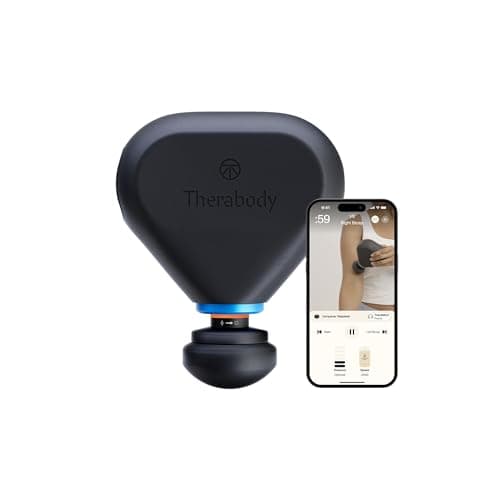
Our Theragun Mini Plus review covers the heated attachment, battery claims, app, size and price, how it compares with the older Mini, and who should buy one.
Best Exercise is a participant in the Amazon EU Associates Programme, an affiliate advertising programme designed to provide a means for sites to earn advertising fees by advertising and linking to Amazon.co.uk. As an Amazon Associate we earn from qualifying purchases. This comes at no extra cost to you and never influences our independent reviews or rankings.