Exercise Bikes
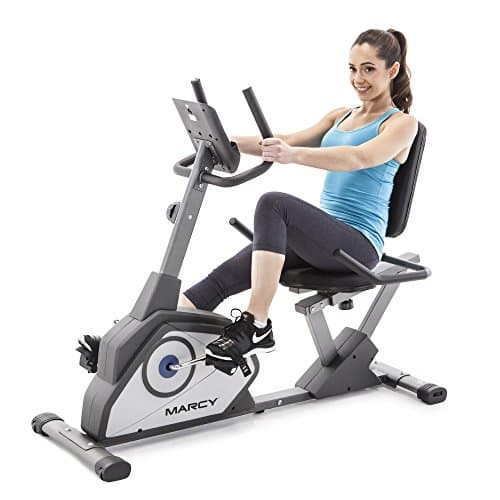
Best Recumbent Exercise Bikes UK 2026: 5 Picks for Bad Knees and Backs
The best recumbent exercise bikes in the UK for 2026, from a £183 starter bike to a £1,399 Sole. Honest picks for sore knees, dodgy backs and long TV sessions.

By Paul Kendrick, Cardio & Endurance Editor · Updated 20 August 2026
We may earn a commission from qualifying purchases made through links on this page, at no extra cost to you. This never affects our ratings.
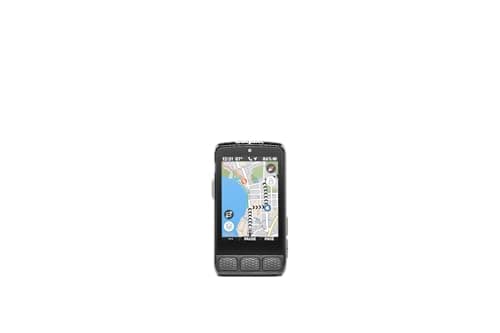
Wahoo spent two generations insisting a bike computer didn't need a touchscreen. The ROAM V3 quietly drops that position, and it turns out they were half right: the touchscreen is a genuine improvement, but it works because the buttons are still there when your hands are cold and the road is wet.
Announced in April 2025 alongside the smaller BOLT V3, the ROAM V3 brings a 2.8 inch colour display, 64GB of storage, a speaker and a claimed 25 hour battery. Amazon UK has it around £388 against a £399.99 list price, which puts it below Garmin's flagship Edge and above the mid-range units most riders would otherwise buy.
How we review
This review draws on Wahoo's published specifications, verified owner reviews and independent testing from cycling outlets who have ridden the unit across full seasons. We have not run our own year-long test of this exact device, so we report only the findings that recur across sources, including the complaints.
Road and gravel riders who navigate and would rather not spend an evening configuring data fields. Wahoo's whole design philosophy is that setup happens on your phone and riding happens on the bike, and the ROAM V3 honours that better than any computer at the price.
Racers chasing every training metric and riders deep into Garmin's Connect ecosystem should think twice. The ROAM gives you solid numbers and sends them anywhere you like, but it doesn't try to coach you, and there's no equivalent to Garmin's Power Guide or stamina modelling.
Check the Wahoo ELEMNT ROAM V3 price on AmazonThe old ROAM used a transflective display: dull colours, but the brighter the sun, the better you could read it. The V3 swaps that for a proper colour panel with adaptive brightness, and the map detail that arrives with it changes how much you actually use navigation. Junctions resolve before you reach them, and the pinch-to-zoom means you can check what's coming without stopping.
The cost shows up at midday in July. Riders who have used both generations back to back report the V3 washing out in direct sun where the old unit stayed crisp, which is the classic transflective versus colour compromise. It's readable, just less effortlessly so. Wahoo's official ROAM page leads with the anti-glare coating for a reason.
The speaker is the underrated addition. Spoken turn prompts mean no glancing down at a junction, and the electronic bell is loud enough to clear a canal towpath, which is a specifically British problem that a bell on the bars solves badly.
| Display | 2.8 in colour touchscreen, 16 million colours, anti-glare |
|---|---|
| Weight | Approx 109 g |
| Dimensions | Approx 85 x 58 x 20 mm |
| Battery claim | Up to 25 hours |
| Battery in testing | Approx 23 to 28 hours |
| Storage | 64 GB |
| Satellites | Dual-band GNSS: GPS, GLONASS, BeiDou, Galileo, QZSS, SBAS, NavIC |
| Connectivity | ANT+, Bluetooth, Wi-Fi |
| Charging | USB-C |
| Audio | Built-in speaker with electronic bell |
| Mounts | Out-front 31.8 mm and stem mount included |
| RRP | £399.99 |
This is what you're buying a ROAM for. Load a GPX from Komoot or a Strava route and the unit builds turn-by-turn prompts without you configuring anything; tap a spot on the map mid-ride and it routes you there. Public route sharing is the feature nobody asks for and everybody uses once: open the app on a club run and anyone nearby with an ELEMNT can pull the course onto their own head unit.
Two gripes recur. The router sometimes prefers a lane over the obvious main road, which is charming on a gravel bike and less so at 6pm in the rain. And the display can't render diacritics, so a route through Brittany or the Dolomites throws up place names with the accents stripped out.
Dual-band reception across seven satellite constellations puts the ROAM V3 in the modern bracket, and on open roads the traces are clean. Under heavy tree cover and in dense city blocks, testers comparing it directly with Garmin's multi-band Edge units consistently give Garmin the edge. It's a difference of metres, not miles, and it matters mainly if you obsess over Strava segments.
Sensor pairing is the usual Wahoo strength: heart rate straps, power meters, speed and cadence, radar, electronic shifting, all of it connects over ANT+ or Bluetooth without argument. Wrist heart rate remains the weak link in any setup, though the research is kinder to modern wearables than it used to be, with validation work finding mean absolute errors under 1.5 percent for good devices across moderate to vigorous intensities (wearable exercise intensity accuracy study, Digital Health 2022). A chest strap still wins for intervals. Our best heart rate monitor guide covers the options.
Twenty five hours claimed, and in practice the unit tends to beat it. One tester recorded 28 hours of real riding; another logged 22 hours 39 minutes across twelve rides with sensors and navigation running throughout. Either figure covers a long audax or a fortnight of commuting.
The boot time is the running joke. Around 36 seconds from cold, which feels ridiculous when you're stood in a car park in February waiting to start. Leave it on standby rather than fully off and it stops mattering, but it shouldn't need the workaround.
It pairs with smart trainers over ANT+ FE-C and Bluetooth and will drive resistance through a structured workout, which is a tidy way to train indoors without a tablet. Our Wahoo KICKR Core 2 review and the best turbo trainer UK guide cover the trainer side of that setup.
On the head unit itself, the honest comparison is the Garmin Edge 1050, which has a better screen and far more training depth for considerably more money, and the Garmin Edge 540 Solar, which costs less and lasts longer with a smaller map. If you'd rather skip outdoor riding altogether, the exercise bikes section has the indoor options.
See today's Wahoo ELEMNT ROAM V3 priceRiding for transport or pleasure counts toward the same 150 minutes of weekly moderate activity as anything else, and a computer that logs the total makes the habit visible (NHS physical activity guidelines for adults).
Wahoo wins on simplicity: the interface is quicker to learn, setup runs through the phone app in minutes, and the button plus touchscreen combination works in winter gloves better than a pure touchscreen does. Garmin wins on satellite accuracy, training depth and the sheer number of features. If you want a computer that gets out of the way, buy the Wahoo. If you train with power and want every metric analysed, buy the Edge.
Wahoo claims up to 25 hours and independent testers have beaten it, with one logging 28 hours of real riding and another managing just under 23 hours across twelve rides with navigation and sensors running. That covers a full audax day or a fortnight of commuting on one charge.
Yes, and it is the first ROAM that does. The 2.8 inch display takes taps, swipes and pinch-to-zoom on the map, while the physical buttons still handle everything you need mid-effort. That combination is more usable in rain and gloves than a touch-only unit.
It can. Pick a point on the map or a saved location and it generates turn-by-turn directions on the spot, and it also imports GPX and TCX files plus routes from Strava, Komoot and Ride with GPS. Route sharing beams a course to any nearby ELEMNT, which is genuinely useful on a club run.
Yes, over ANT+ FE-C and Bluetooth, so it will run structured workouts and control trainer resistance indoors. Most people still prefer a tablet running Zwift for the visuals, but the ROAM is a tidy option if you want the numbers without the screen.
Only if you navigate. The BOLT V3 shares the software, sensors and much of the battery life in a smaller, cheaper, more aerodynamic package. The ROAM buys you a bigger 2.8 inch map to read at speed, which matters if you ride unfamiliar roads and matters very little if you do not.
The best recumbent exercise bikes in the UK for 2026, from a £183 starter bike to a £1,399 Sole. Honest picks for sore knees, dodgy backs and long TV sessions.
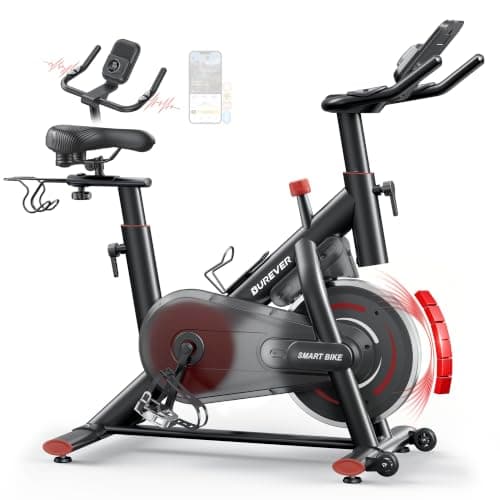
Our Burever exercise bike review: the touchscreen goal console, 0-100% magnetic resistance, 170kg limit, Zwift support without a power meter, and who should buy it.
Spin bike vs exercise bike compared on riding position, flywheel, resistance, comfort, noise and price, with a clear verdict on which suits your training.
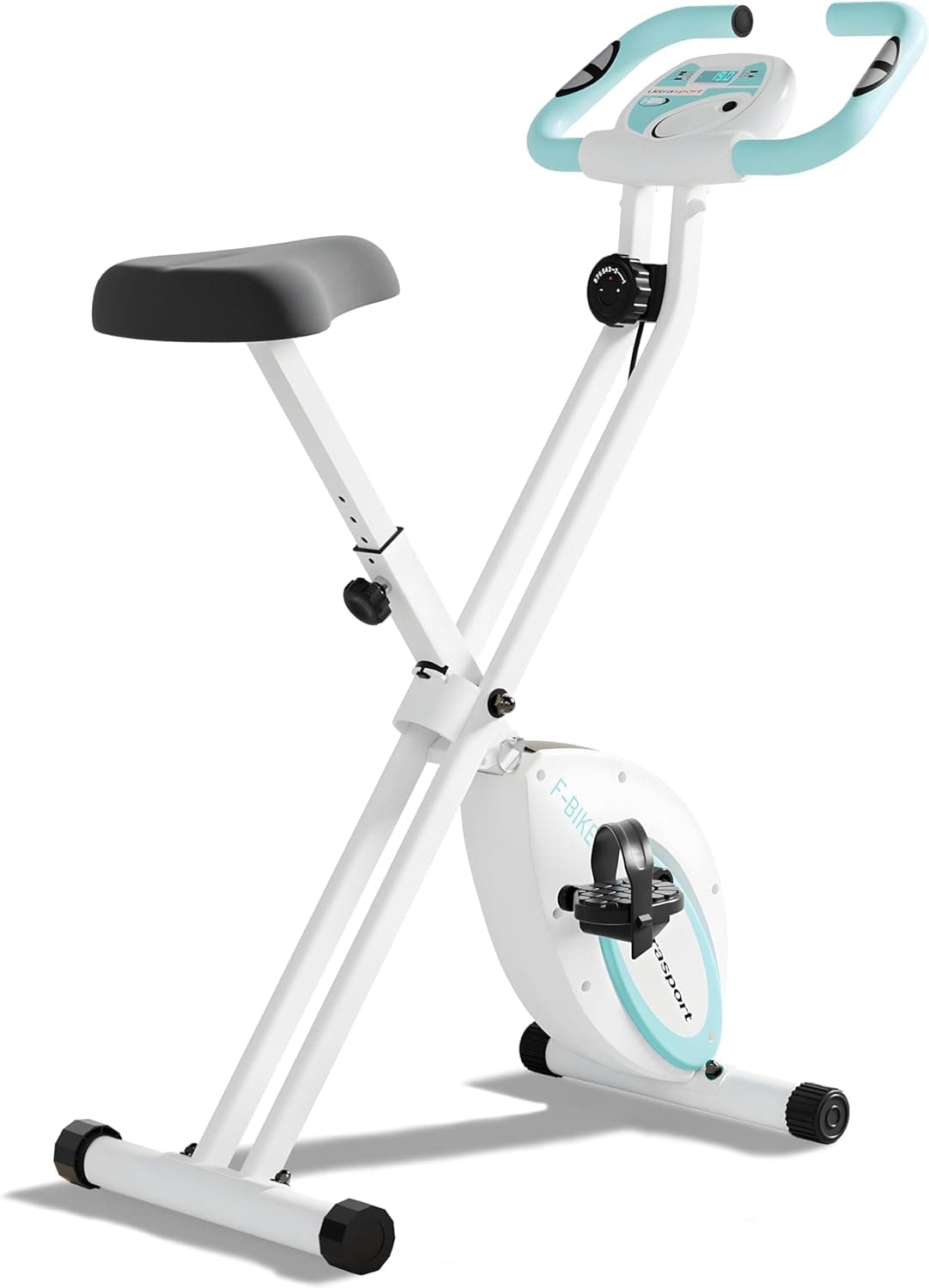
The best foldable exercise bike for UK homes, from budget mini pedallers to a 140kg-rated smart bike and a comfy recumbent. Folded sizes, weight limits and honest downsides.
Best Exercise is a participant in the Amazon EU Associates Programme, an affiliate advertising programme designed to provide a means for sites to earn advertising fees by advertising and linking to Amazon.co.uk. As an Amazon Associate we earn from qualifying purchases. This comes at no extra cost to you and never influences our independent reviews or rankings.