Exercise Bikes
Best Recumbent Exercise Bikes UK 2026: 5 Picks for Bad Knees and Backs
The best recumbent exercise bikes in the UK for 2026, from a £183 starter bike to a £1,399 Sole. Honest picks for sore knees, dodgy backs and long TV sessions.

By Paul Kendrick, Cardio & Endurance Editor · Updated 10 July 2026
We may earn a commission from qualifying purchases made through links on this page, at no extra cost to you. This never affects our ratings.
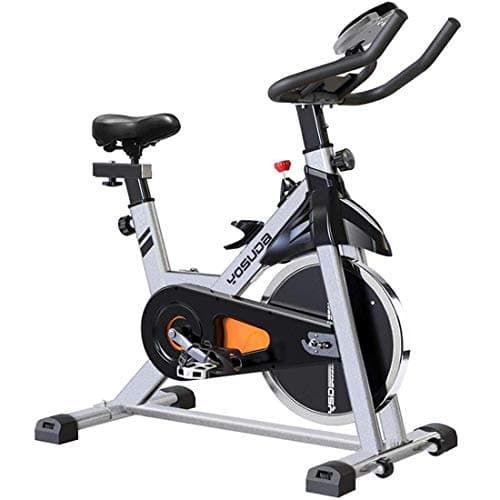
The YOSUDA Indoor Cycling Bike is the bike that turned up on half the home-workout photos of the last few years, and for good reason. It is one of the best-selling indoor bikes on Amazon UK, with a 4.4 star average from many thousands of ratings, and it built that reputation by offering a spin-studio style ride, a heavy flywheel and a genuinely stable frame for a fraction of the price of a Peloton. It is aimed squarely at people who want proper indoor cycling at home without spending four figures: interval trainers, weight-loss riders and anyone who liked spin classes and wants to recreate them in the spare room. The headline verdict is that it delivers a lot of bike for the money, with a couple of honest caveats around long-term durability.
What you are buying is a friction-resistance spin bike done well. The belt-driven 35lb (about 16kg) flywheel gives the ride a smooth, weighty momentum that cheap upright bikes cannot match, the four-way adjustable seat and handlebars fit a wide range of heights, and the whole thing runs quietly enough for a flat or a shared house. It is not a smart bike, so there is no screen and no automatic resistance, but a tablet holder lets you follow an app while you ride. Where it draws criticism is durability under heavy use, particularly the pedals, which is the trade-off that comes with the low price.
Stock check: currently unavailable on Amazon UK
We check availability against Amazon's own catalogue, and as of July 2026 this listing shows as currently unavailable. YOSUDA is still very much on Amazon UK, but its current range is the newer magnetic-resistance models rather than this friction-pad classic, so this one looks retired rather than briefly out of stock. The link on this page still goes to the correct product, but if you want a bike you can order today, our best spin bike UK guide covers machines that are actually available.
How we review
This review is based on extensive research of verified owner reviews, hands-on testing from trusted expert outlets and YOSUDA's published specifications. We have not run our own months-long endurance test of this exact unit, so we have been careful to report only consistent, repeated findings, both the praise and the complaints, rather than one-off opinions.
The YOSUDA makes most sense if you want spin-style training at home on a budget. Riders who enjoy interval sessions, out-of-the-saddle climbs and harder cardio get the most from the heavy flywheel and the road-like friction resistance. If you only want gentle, seated pedalling while you watch television, this is more bike than you need and a basic upright will do. Regular indoor cycling is well supported by the evidence too, with reviews linking it to better aerobic capacity, blood pressure and body composition (systematic review of the health benefits of indoor cycling). For a wider look at the category, see our best spin bike UK guide.
This is where the YOSUDA punches above its price. The frame is heavy, the stabiliser feet are wide, and the bike stays reassuringly still even when you stand up to climb, which is exactly what cheaper bikes fail to do. The belt drive is smooth and quiet, and the caged pedals with toe straps keep your feet secure through fast intervals. The four-way adjustable seat and handlebars mean riders from around 5ft to 6ft 2in can find a comfortable fit, and the whole setup feels more like a studio bike than a budget home machine.
The honest niggles are the ones you would expect. The stock saddle is firm and takes some getting used to, though it is a standard fitting so you can swap it or add a gel cover. Assembly is straightforward but you do have to do it yourself, allowing around 30 to 45 minutes. And the LCD monitor is basic, showing time, speed, distance and calories, with no cadence and no app connection.
| Flywheel | 35 lb / approx 16 kg, belt driven |
|---|---|
| Resistance | Friction (felt pad), knob adjusted, unlimited range |
| Monitor | LCD: time, speed, distance, calories, odometer |
| Adjustment | 4-way seat and handlebars |
| Pedals | Caged with adjustable toe straps |
| Max user weight | Approx 270 lb / 122 kg (up to 330 lb on some versions) |
| Device holder | Yes, fits phone or tablet |
| Assembly | Self-assembly, approx 30 to 45 minutes |
On the bike, the flywheel is the thing you feel most. At 35lb it carries real momentum, so the pedal stroke is smooth and continuous rather than the light, slightly artificial spin of a budget upright. The friction resistance ranges from an easy warm-up spin all the way up to a grind you can barely turn, which makes it genuinely useful for interval training and standing climbs. For a bike at this price, the ride quality is the standout, and it is the single biggest reason owners rate it so highly.
The resistance is manual, which cuts both ways. There are no numbered levels and no automatic control, so you match the effort of an app or class by feel using the knob. Some riders love the simplicity; others miss the precision of a smart bike that sets the resistance for you. It is worth being clear-eyed about this before you buy: the YOSUDA recreates the feel of a spin class, not the automation of a connected bike.
Day to day, the YOSUDA is easy to live with. It is quiet enough not to annoy the neighbours, stable enough to attack hard, and the tablet holder means you can follow a Peloton or YouTube class and manage the resistance yourself. Thousands of owners ride theirs for years without issue.
The complaint that comes up most often is durability under heavy use, and the pedals are the usual culprit, with some owners reporting cracking or wear over time. Two things soften this. First, the pedals are a standard thread, so replacing them with a better pair is cheap and easy. Second, YOSUDA has a strong reputation for customer service and offers free replacement parts within the warranty, and many critical reviews are later updated to praise how quickly the company sorted the problem. As friction resistance, the felt pad will also wear eventually and need replacing, which is normal for this type of bike. Neither issue is a dealbreaker, but they are the reason this is a great budget bike rather than a flawless one.
On value, very little competes at the price. If you want the smart-screen experience with automatic resistance and live metrics, our best smart exercise bike UK guide covers connected options, and if your budget is tighter still, see our best exercise bike under £100 guide. Regular cycling also pairs well with the government's advice to build up at least 150 minutes of moderate aerobic activity a week (NHS physical activity guidelines). You will find more cardio machines in our exercise bikes hub.
For the money, yes. It is one of the best-selling indoor bikes on Amazon with a 4.4 star average from many thousands of ratings, and owners consistently praise how smooth, quiet and stable it feels for the price. The belt-driven 35lb flywheel gives a genuinely spin-studio ride, and the seat and handlebars adjust four ways to fit most heights. The main gripe is durability, with some owners reporting worn pedals after heavy use, which YOSUDA covers with free replacement parts.
Not natively. The YOSUDA has a basic LCD monitor rather than a smart screen, so it does not connect to Peloton or Zwift on its own. What you can do is prop a tablet or phone on the built-in device holder and follow the Peloton, Zwift or YouTube app while you ride, using the resistance knob to match the effort by feel. If you want automatic resistance and on-screen metrics, look at a connected smart bike instead.
The classic YOSUDA uses friction resistance, where a felt pad presses against the flywheel and you turn a knob to make pedalling harder or easier. It gives an effectively unlimited range of resistance and a road-like feel, but the pad wears over time and eventually needs replacing, and it is slightly less quiet than magnetic resistance. YOSUDA also sells a magnetic version if near-silent, maintenance-free resistance matters to you.
The YOSUDA indoor cycling bike is rated to around 270lb (roughly 122kg), and some versions up to 330lb (about 150kg). The heavy steel frame and wide stabiliser feet make it feel planted and stable in use, even during out-of-the-saddle efforts, which is a big part of why it reviews so well for a budget bike.
If you want a spin-style ride with a proper heavy flywheel, drop handlebars and out-of-the-saddle capability, the YOSUDA is worth the step up from a basic upright exercise bike. If you only want gentle, seated pedalling for light cardio, a cheaper upright or a mini bike will do the job for less. The YOSUDA suits interval training and harder sessions rather than casual use.
The best recumbent exercise bikes in the UK for 2026, from a £183 starter bike to a £1,399 Sole. Honest picks for sore knees, dodgy backs and long TV sessions.
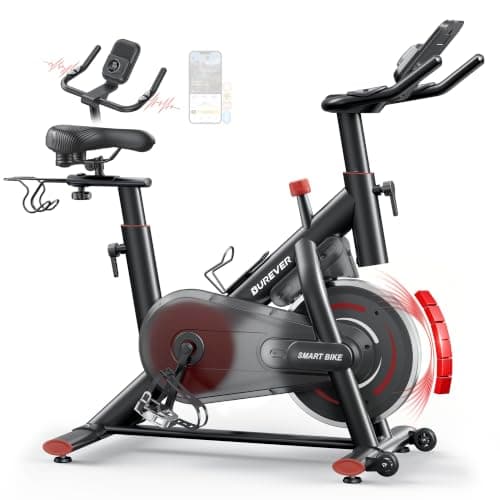
Our Burever exercise bike review: the touchscreen goal console, 0-100% magnetic resistance, 170kg limit, Zwift support without a power meter, and who should buy it.
Spin bike vs exercise bike compared on riding position, flywheel, resistance, comfort, noise and price, with a clear verdict on which suits your training.
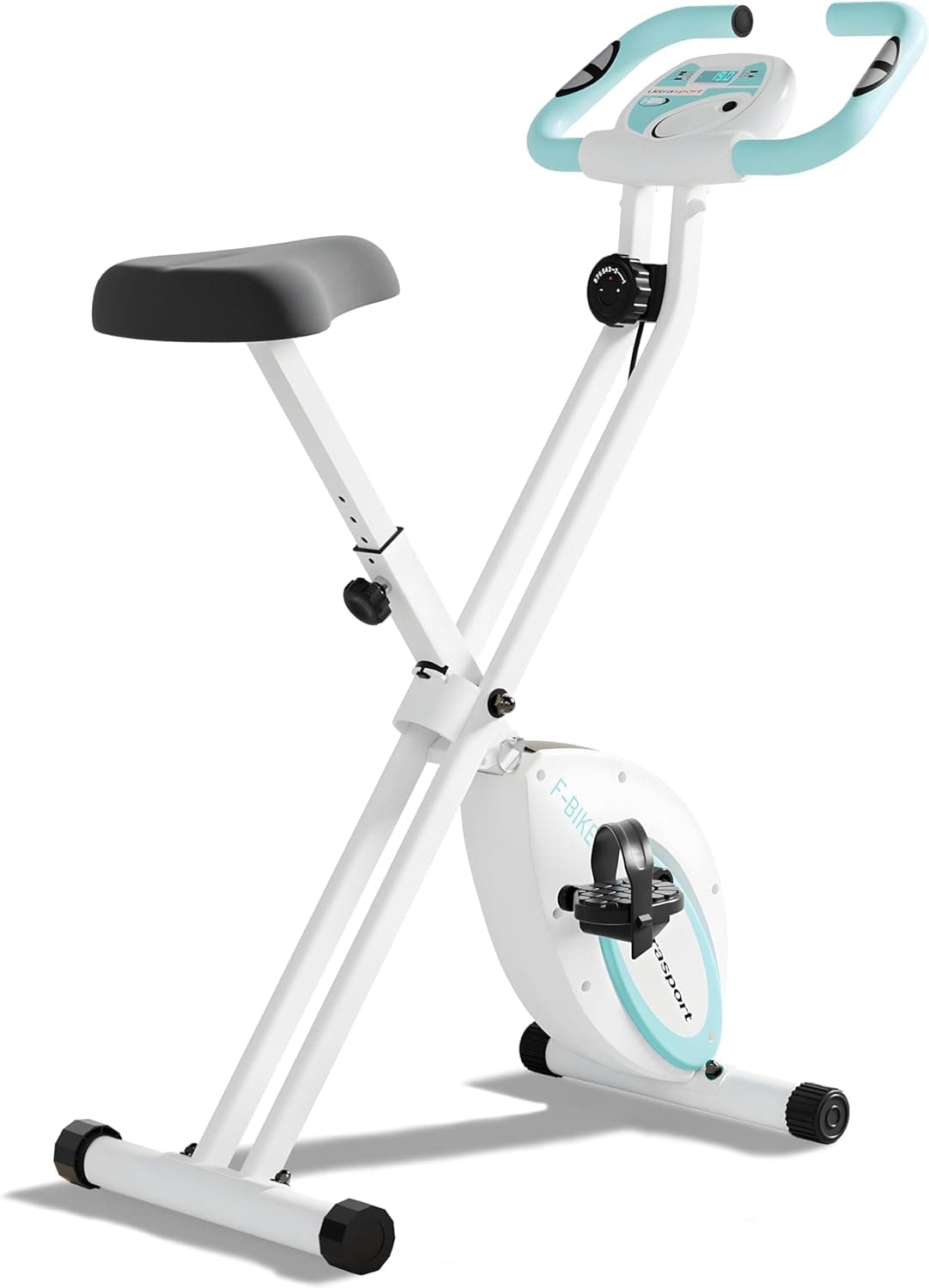
The best foldable exercise bike for UK homes, from budget mini pedallers to a 140kg-rated smart bike and a comfy recumbent. Folded sizes, weight limits and honest downsides.
Best Exercise is a participant in the Amazon EU Associates Programme, an affiliate advertising programme designed to provide a means for sites to earn advertising fees by advertising and linking to Amazon.co.uk. As an Amazon Associate we earn from qualifying purchases. This comes at no extra cost to you and never influences our independent reviews or rankings.