Exercise Bikes
Spin Bike vs Exercise Bike: Which Should You Buy?
Spin bike vs exercise bike compared on riding position, flywheel, resistance, comfort, noise and price, with a clear verdict on which suits your training.

By Paul Kendrick, Cardio & Endurance Editor · Updated 14 October 2026
We may earn a commission from qualifying purchases made through links on this page, at no extra cost to you. This never affects our ratings.
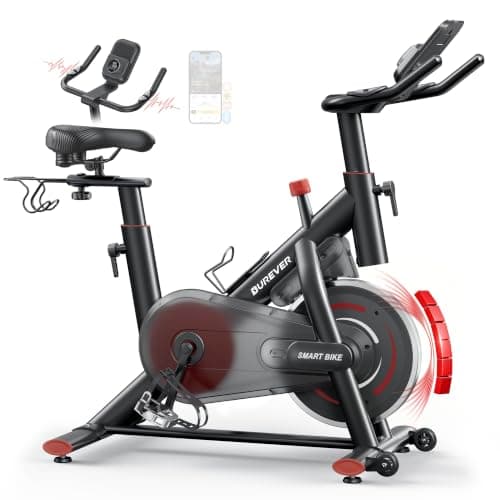
Burever is a newer name in the budget spin bike scrum on Amazon UK, and this 2026 model goes after the same £200 buyer that MERACH and Dripex have been fighting over for years. At £208.99 it lists a 15kg flywheel, stepless magnetic resistance, a 170kg rider limit and, the bit that sets it apart, a touchscreen console that counts down to a goal you set. That's a lot of spec for the money. Some of it holds up well; a couple of claims deserve a raised eyebrow.
My short answer: it's a good, sturdy bike for people who want to ride regularly at home and like having a target on screen. It isn't a smart trainer, whatever the Zwift logo on the listing suggests, and you should know that before you buy.
How we review
This review is research-based. We haven't had the Burever in our own homes; we've worked from Burever's published specifications, the Amazon UK listing and the published research on indoor cycling. Where a manufacturer claim looks optimistic, we say so, and we compare it against the similar budget bikes we've already covered.
The price was £208.99 with stock running low when we checked in October 2026, so it may move.
Check the Burever exercise bike price on Amazon£208.99| Resistance | Magnetic, 0 to 100% via stepless knob |
|---|---|
| Drive | Belt |
| Flywheel | 15kg (as listed) |
| Max user weight | 170kg |
| Rider height | 150 to 195cm |
| Seat adjustment | 4-way |
| Handlebar adjustment | 2-way |
| Console | Touchscreen LCD: time, speed, distance, calories, heart rate, odometer, goal countdown |
| Apps | FitShow, Zwift, Kinomap via Bluetooth |
| Power meter | None |
| Extras | Tablet holder, bottle holder, dumbbell rack (no dumbbells) |
| Bike weight | Approx 26kg |
| Footprint | Approx 124 x 49 x 120cm |
| Assembly | Around 80% pre-assembled |
| Warranty | 2 years |
The frame is the familiar budget spin bike shape: a steel A-frame, stabiliser feet with levelling caps, a weighted flywheel at the front and front wheels for moving it. The 170kg rider limit stands out. Most £200 bikes stop at 120 to 150kg, and MERACH's popular MR-S26UK is rated to 136kg, so heavier riders get real headroom here.
Then there's the flywheel. Burever lists 15kg, but the whole bike weighs roughly 26kg according to the listing, which would leave about 11kg for the frame, seat post, bars, console and cranks. That seems tight. Some brands quote a "flywheel effect" figure rather than the actual metal on the hub, and I suspect that's what's happening. It doesn't make the bike bad but don't buy it expecting the inertia of a heavy commercial spin bike.
Assembly is mostly done in the box. You fit the feet, saddle and seat post, the handlebars, pedals and console, and Burever estimate half an hour. That matches what we'd expect from similar bikes. One person can manage it, though lifting a 26kg frame out of packaging is easier with two.
The extras are sensible: a tablet holder for streaming, a bottle cage and a small dumbbell rack. The rack is fine for light hand weights during an upper-body finisher; it's not something I'd build a workout around.
Resistance comes from magnets moving closer to the flywheel as you turn a knob, and the knob is stepless, so you get a continuous 0 to 100% range rather than numbered levels. Stepless knobs are great for fine-tuning a climb. The downside is repeatability: with no number on the dial, getting back to "the setting I used last Tuesday" means going by feel, and the console doesn't read out resistance either.
The touchscreen console is the reason to pick this over a MERACH or a Dripex. You set a target in time, distance or calories and the screen counts down as you ride. It's a small thing, but having a finish line keeps a lot of people pedalling through minute 22 of a 30-minute session. It also shows speed, distance, calories, heart rate and a running odometer. Treat the calorie number as a rough guide; budget consoles estimate it from speed and a fixed formula, not from your weight or heart rate.
Is the effort worth it? The research on indoor cycling says yes. A systematic review of 13 studies found that indoor cycling may improve aerobic capacity, blood pressure, lipid profile and body composition, with the best weight and blood pressure results when cycling was combined with diet changes (Chavarrias et al., Medicina 2019). The authors note there weren't many randomised trials, so the effect sizes come with caveats, but the direction is consistent.
Here's where the listing oversells. The bike connects over Bluetooth to FitShow, Zwift and Kinomap, and you can ride virtual routes on a tablet propped in the holder. What it can't do is measure power. Zwift will estimate your speed from cadence, so your avatar moves, but the watts you see aren't measured, and the game can't stiffen the resistance when you hit a virtual hill. You turn the knob yourself.
For motivation and scenery, that's fine. If you want structured power-based training, race results that mean something, or ERG mode workouts, you need a bike with a built-in power meter or a proper smart trainer, and those cost a good deal more. The MERACH S29 Pro is closer to that end of the market, though it isn't a full smart bike either.
FitShow is the more natural fit here. It logs rides and runs simple programmes, and it's the app these Chinese-made budget bikes are generally designed around.
Belt drive plus magnetic resistance is the quietest setup you'll find at this price. Nothing rubs the flywheel, so you'll mostly hear a soft whirr from the belt and the creak of a saddle. Burever's "under 25 dB" claim is quieter than a whisper, which no bike with a working rider on it achieves; it's probably measured with the flywheel spinning freely. In real life, expect to watch TV at normal volume and ride while someone sleeps in the next room without trouble. A rubber mat underneath helps in flats with wooden floors.
The footprint is about 124cm by 49cm, typical for a spin bike. Budget a bit more length so you can step over the frame, and remember the bike is around 120cm tall, so it won't tuck under a desk or fold away. If space is the deciding factor, our best folding exercise bike guide covers the bikes that do.
The Burever makes most sense for:
Skip it if you're a cyclist wanting accurate power numbers for Zwift. And if you need a bike that just works for years with a long record of owner reports, a more established brand is the safer bet.
Whichever bike you choose, set the saddle properly before your first ride. Our exercise bike seat height guide takes about five minutes and saves a lot of knee grumbling.
The obvious rival is the MERACH magnetic exercise bike at about £190. It's cheaper, quiet and backed by thousands of owner ratings, but it tops out at 136kg and its console is a basic LED unit with no goal countdown. If you weigh under 136kg and don't care about the touchscreen, the MERACH is the safer, cheaper pick.
The MERACH S29 Pro costs around £100 more and sits a tier up in build, though its 159kg limit is lower than the Burever's.
The Dripex exercise bike was our favourite value spin bike for a long time thanks to its heavy flywheel, but stock has been patchy on Amazon UK, so check availability before you set your heart on it.
For the full field, see our best spin bike UK rankings or browse every model in our exercise bikes hub.
If those trade-offs suit you, here's the current price.
See today's Burever exercise bike priceFor around £209 it's a solid buy. You get magnetic resistance, a belt drive, a 170kg user limit and a touchscreen console that counts down to a time, distance or calorie goal. The weak points are the app side (no power meter, so Zwift data is estimated) and a couple of optimistic marketing figures, notably the under 25 dB noise claim.
It connects to Zwift, Kinomap and FitShow over Bluetooth. There's no power meter, though, so Zwift works out your speed from cadence and a rough estimate rather than measured watts, and it can't change the resistance for you on hills. It's fine for riding virtual routes for motivation, but your numbers won't be comparable with riders on smart trainers.
Burever rate it for riders from 150cm to 195cm (4ft 11in to 6ft 5in). The seat adjusts four ways (up, down, forward, back) and the handlebars two ways. Use our seat height guide to dial in the saddle, since a seat set too low is the commonest cause of knee ache on any exercise bike.
The listing puts it at roughly 26kg, with a footprint of about 124cm long by 49cm wide and around 120cm tall. Allow some extra clearance behind and at the sides for getting on and off. Front transport wheels make it easy to roll into a corner after a ride.
It arrives about 80% pre-assembled, and Burever estimate 30 minutes with the included tools. In practice you're fitting the stabiliser feet, seat post, handlebars, pedals and console, which is a one-person job, though a second pair of hands helps when lifting the frame out of the box.
Spin bike vs exercise bike compared on riding position, flywheel, resistance, comfort, noise and price, with a clear verdict on which suits your training.
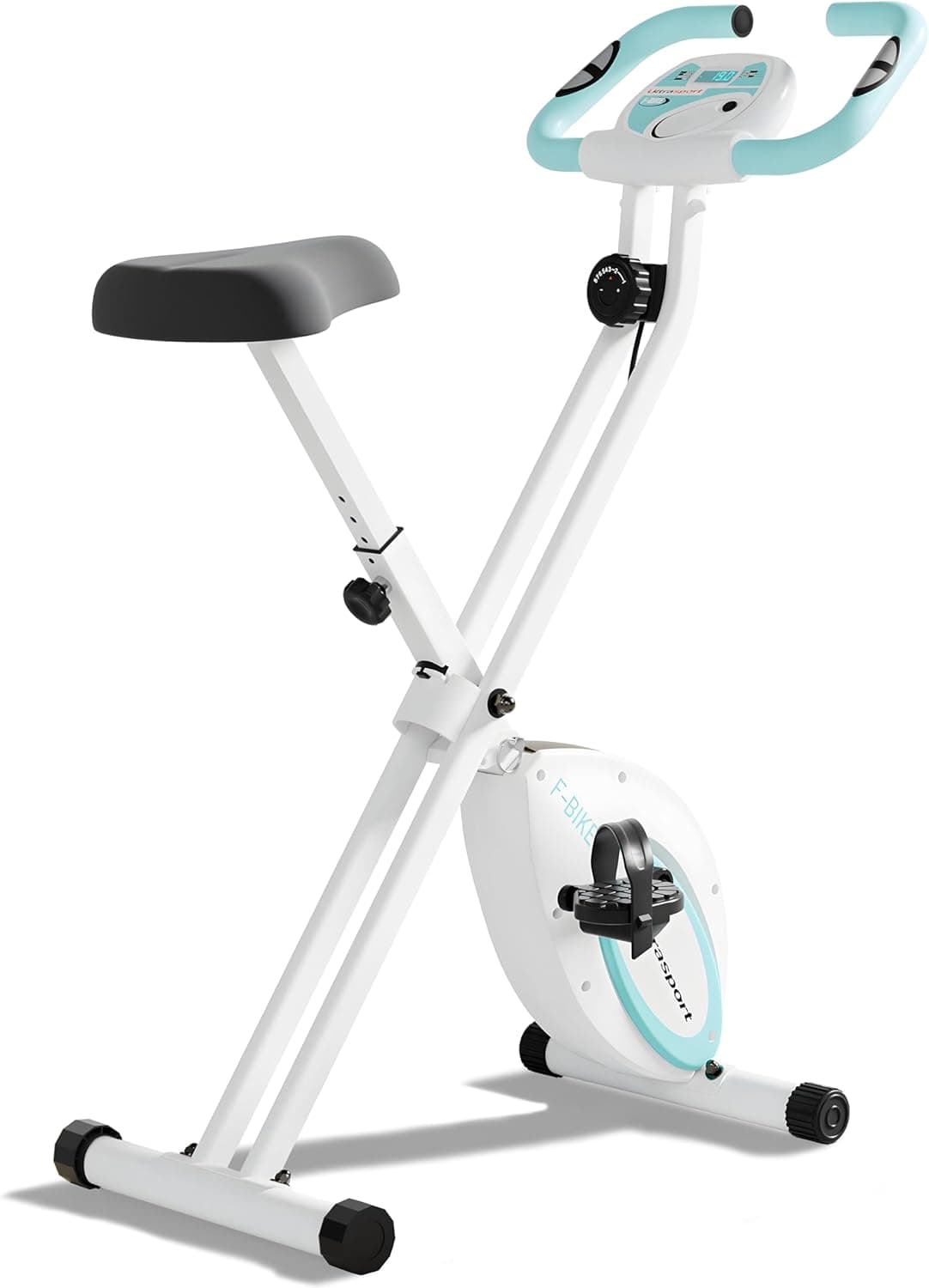
The best foldable exercise bike for UK homes, from budget mini pedallers to a 140kg-rated smart bike and a comfy recumbent. Folded sizes, weight limits and honest downsides.
Is Peloton worth it in the UK? We do the 1-year and 3-year maths on the Bike, Bike+, refurbished and rental options against a £400 bike with the app or Zwift.
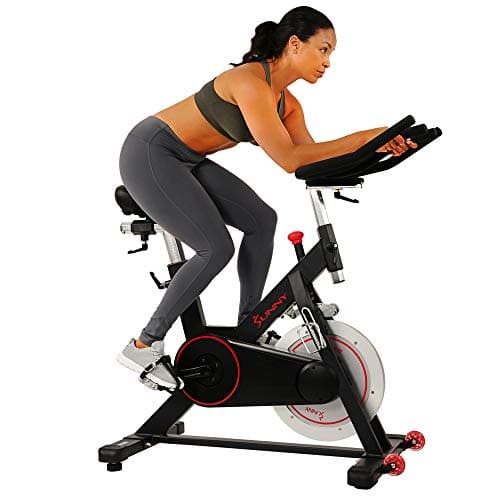
Our Sunny SF-B1805 review: a 20kg flywheel, quiet magnetic resistance and a 136kg limit, but no console, no Bluetooth and a £460 UK price. Who should buy it?
Best Exercise is a participant in the Amazon EU Associates Programme, an affiliate advertising programme designed to provide a means for sites to earn advertising fees by advertising and linking to Amazon.co.uk. As an Amazon Associate we earn from qualifying purchases. This comes at no extra cost to you and never influences our independent reviews or rankings.