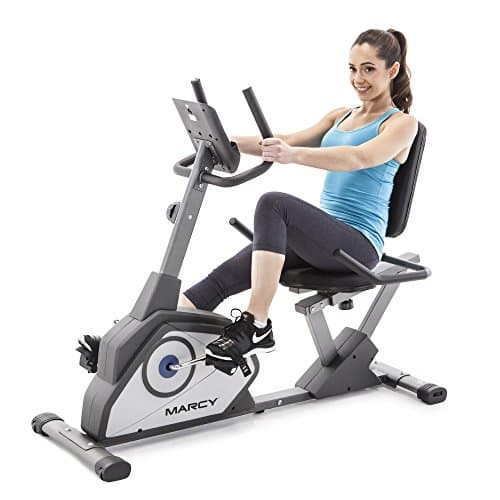
Exercise Bikes
Best Recumbent Exercise Bikes UK 2026: 5 Picks for Bad Knees and Backs
The best recumbent exercise bikes in the UK for 2026, from a £183 starter bike to a £1,399 Sole. Honest picks for sore knees, dodgy backs and long TV sessions.

By Paul Kendrick, Cardio & Endurance Editor · Updated 21 August 2026
We may earn a commission from qualifying purchases made through links on this page, at no extra cost to you. This never affects our ratings.
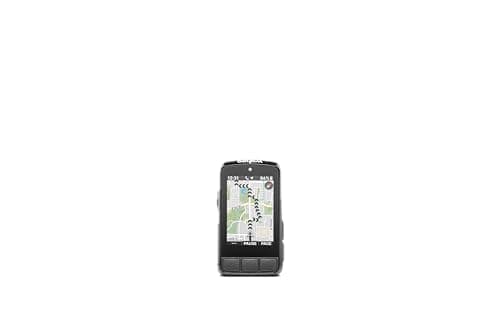
Wahoo's ELEMNT BOLT V3 is the cheaper, smaller half of the pair the company launched in April 2025, sitting under the bigger ROAM V3 at £299.99 list. It's aimed at road and gravel riders who want maps, sensors and a battery that lasts a long weekend, without paying flagship money or spending an evening building data pages. On that brief it lands well. The screen is a genuine jump from the V2, the battery beats its own claim by a comfortable margin, and the buttons keep working when everything is wet.
Two things stop it being a straightforward recommendation. It takes roughly 33 seconds to boot from cold, which is an eternity in a lay-by in January, and the GPS traces sit a step behind Garmin's multi-band Edge units when the trees close in. Neither is a dealbreaker. Both are worth knowing before you spend £300.
How we review
This review draws on Wahoo's published specifications, verified owner feedback and independent testing from cycling outlets that have ridden the unit over full seasons. We have not run our own year-long test of this exact device, so we report only what recurs across sources, including the complaints.
Riders who navigate. If your rides mean loading a Komoot or Strava route and following arrows through lanes you don't know, the BOLT does that with less friction than anything else near the price, because the setup happens in the app on your sofa rather than on a 2.3 inch screen at the roadside.
Riders chasing training depth should look elsewhere. Wahoo shows you the numbers and forwards them to whichever platform you use; it doesn't model your stamina, pace your climbs or tell you what tomorrow should look like. That's Garmin's territory, and Garmin charges for it.
Check the Wahoo ELEMNT BOLT V3 price on AmazonThe V2 had a 64 colour display that looked like a calculator from 1998, and it worked, because the maps were simple enough that colour barely mattered. The V3's 2.3 inch panel runs 480 x 720 with 16 million colours and an anti-glare coating, which changes the calculation: junctions resolve before you arrive at them, contour shading actually reads as terrain, and following an unfamiliar gravel route stops being an exercise in faith.
What you give up is the transflective trick, where brighter sun meant a crisper screen. Riders who have run both generations back to back report the V3 washing out at midday in a way the V2 never did. It's still legible. It just takes a glance rather than a flick of the eyes, and Wahoo's own ELEMNT BOLT page leads with the anti-glare coating because the company knows this is the compromise it made.
| Display | 2.3 in colour, 480 x 720, 16 million colours, anti-glare |
|---|---|
| Input | Six buttons, no touchscreen |
| Weight | Approx 85 g |
| Dimensions | Approx 77.5 x 47.2 x 21.3 mm |
| Battery claim | Up to 20 hours |
| Battery in testing | Approx 26.7 hours |
| Storage | 32 GB |
| Satellites | Dual-band multi-GNSS |
| Connectivity | ANT+, Bluetooth, Wi-Fi |
| Charging | USB-C |
| Boot time | Approx 33 seconds from cold |
| Mount | Out-front 31.8 mm included |
| RRP | £299.99 |
Send a GPX from Komoot, Strava or Ride With GPS and the BOLT builds turn-by-turn prompts on its own; there's no route-conversion step and nothing to configure. On the bike it nudges you at junctions with the LED strip along the top edge, which you learn to read in your peripheral vision within a ride or two.
The limit shows up when the plan changes. Browsing the map for an alternative, or building something from scratch mid-ride, is fiddly on six buttons, and most riders end up pulling their phone out. The ROAM V3 handles this better with its touchscreen, and Garmin's Edge units handle it better still. If your rides regularly involve improvising a new way home, that's a real argument for spending more.
Take Back Route and route-to-point both work as advertised, so you are never actually stuck. It's the exploratory browsing that grates.
Dual-band reception is the V3's other headline upgrade, and on open roads the traces are clean enough that nobody would question a Strava segment. Under dense tree cover and between tall buildings, testers running it alongside Garmin's multi-band Edge units keep giving Garmin the nod. The gap is metres rather than miles.
Sensor pairing is Wahoo's long-standing strength. Power meters, heart rate straps, speed and cadence, radar, electronic shifting: all of it connects over ANT+ or Bluetooth without an argument, and the app remembers everything.
Worth saying plainly, since a £300 computer is often the gateway to a £700 power meter: the evidence that training by power beats training by heart rate is thinner than the marketing suggests. In one randomised comparison of recreational cyclists doing high-intensity intervals prescribed either way, both groups improved and neither method came out ahead (high intensity training by heart rate or power, Journal of Sports Science and Medicine). Wrist-based heart rate is the weaker link in any setup, though modern wearables validate better than they used to, with mean absolute errors under 1.5 percent for good devices across moderate and vigorous work (wearable exercise intensity accuracy study, Digital Health 2022). A chest strap still wins for intervals, and our best heart rate monitor guide covers what to buy.
Twenty hours claimed, roughly 26.7 hours measured with sensors and navigation running. That's a long audax, a fortnight of commuting, or a bikepacking weekend with a dynamo hub doing nothing. Very few devices in this category undersell themselves, and this one does.
Then there's the boot time. Thirty-three seconds from cold, standing in a car park, watching a logo. Leave the unit in standby instead of powering it off and the problem evaporates, but a workaround isn't the same as a fix, and Wahoo has had two generations to sort it.
See today's Wahoo ELEMNT BOLT V3 priceIt drives a smart trainer over ANT+ FE-C or Bluetooth and will run a structured workout with resistance control, which saves propping a tablet on the bars in your garage. Our Wahoo KICKR Core 2 review and the best turbo trainer UK guide cover that half of the setup.
Against the competition: the Garmin Edge 540 Solar costs less, lasts longer and gives you sharper traces, at the price of a fiddlier interface. The Garmin Edge 1050 is better in almost every measurable way and costs a great deal more. Wahoo's own ROAM V3 buys you a touchscreen, a speaker and a second mount for roughly £90 extra. If you'd rather train indoors year-round, the exercise bike guides cover that instead.
Commuting and riding for pleasure count towards the same 150 minutes of weekly moderate activity as anything in a gym, and a computer that keeps the tally makes the habit visible (NHS physical activity guidelines for adults).
Only if the V2's screen or battery bothers you. The V3 adds a bigger 2.3 inch display with 16 million colours instead of 64, dual-band GNSS and a battery that testers push past 26 hours. Everything else, from the phone-first setup to the button layout, works the same way it always has. A V2 owner who is happy with their maps should keep riding it.
Wahoo claims 20 hours. Independent testing has recorded closer to 26 hours with sensors paired and navigation running, which is one of the rare cases where a manufacturer undersells. Crank the backlight and add a radar unit and you will pull it back towards the claim, but 20 hours is a floor rather than a ceiling.
No, and Wahoo did that on purpose. You get six buttons instead, which is the right call in February rain or with winter gloves on. The trade-off is that panning around the map to look for an alternative route is slower than it would be with touch, and for anything complicated you reach for your phone.
Buy the BOLT if you want to set the thing up once and forget it, because Wahoo's app does the configuring and the unit just rides. Buy the Edge if you train with power and want the numbers interpreted, or if you need the sharper multi-band GPS traces under tree cover. The Wahoo is friendlier; the Garmin is deeper.
Yes. It pairs over ANT+ FE-C and Bluetooth and will drive resistance through a structured workout, so you can train indoors without a laptop or tablet in front of you. It also picks up power meters, heart rate straps, cadence sensors, radar and electronic shifting without any fuss.
It is built to be ridden in British weather and shrugs off rain and road spray. Buttons rather than touch means it keeps working when the screen is soaked, which is the practical advantage most riders notice first. Do not go swimming with it.
The best recumbent exercise bikes in the UK for 2026, from a £183 starter bike to a £1,399 Sole. Honest picks for sore knees, dodgy backs and long TV sessions.
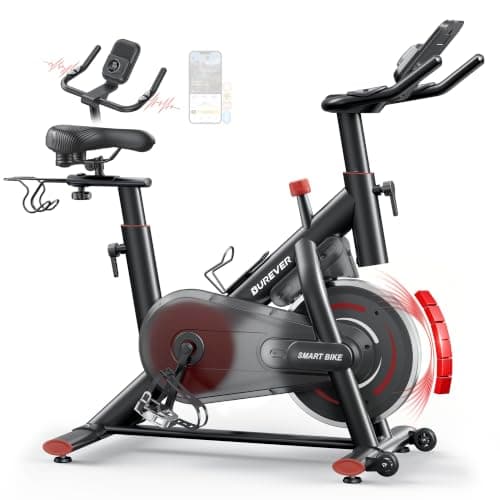
Our Burever exercise bike review: the touchscreen goal console, 0-100% magnetic resistance, 170kg limit, Zwift support without a power meter, and who should buy it.
Spin bike vs exercise bike compared on riding position, flywheel, resistance, comfort, noise and price, with a clear verdict on which suits your training.
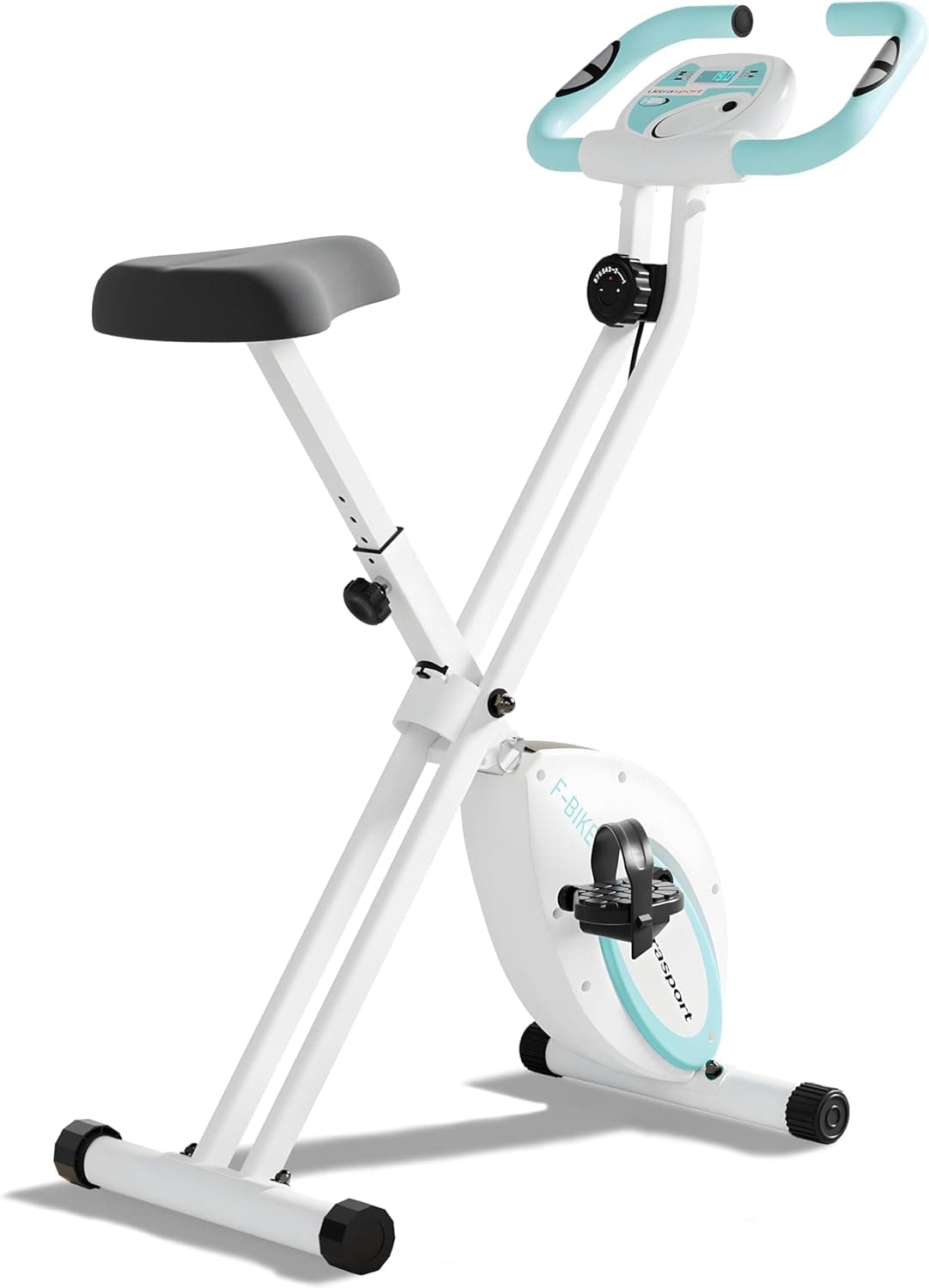
The best foldable exercise bike for UK homes, from budget mini pedallers to a 140kg-rated smart bike and a comfy recumbent. Folded sizes, weight limits and honest downsides.
Best Exercise is a participant in the Amazon EU Associates Programme, an affiliate advertising programme designed to provide a means for sites to earn advertising fees by advertising and linking to Amazon.co.uk. As an Amazon Associate we earn from qualifying purchases. This comes at no extra cost to you and never influences our independent reviews or rankings.