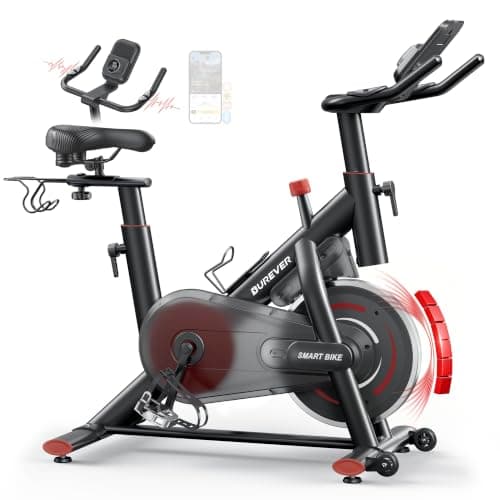
Exercise Bikes
Burever Exercise Bike Review: Touchscreen, 170kg Limit, Big Claims
Our Burever exercise bike review: the touchscreen goal console, 0-100% magnetic resistance, 170kg limit, Zwift support without a power meter, and who should buy it.

By Paul Kendrick, Cardio & Endurance Editor · Updated 18 August 2026
We may earn a commission from qualifying purchases made through links on this page, at no extra cost to you. This never affects our ratings.
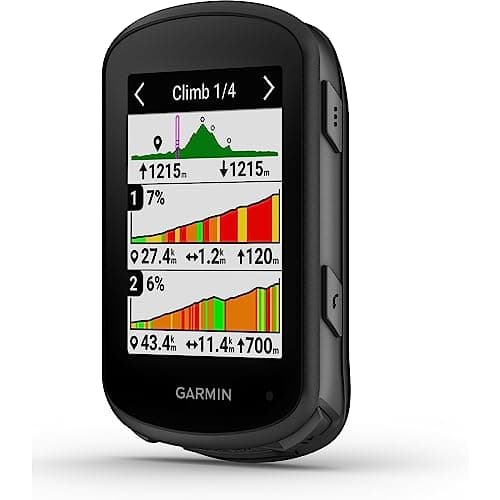
The Edge 540 Solar sits in an awkward and rather brilliant place in Garmin's range. It has the internals of a serious training computer, including multi-band GNSS and the whole training load and recovery suite, but it drops the touchscreen and keeps the price roughly £150 below the Edge 1050. What you end up with is a compact, button-driven unit that does almost everything the expensive ones do, on a screen that is smaller than you'd like and a battery that is better than you'd expect.
At around £389 on Amazon UK it isn't cheap, and the solar version costs more than the standard 540 for a feature that only pays off on long days. Whether it's the right computer for you comes down to two questions: how much you ride in one go, and how you feel about buttons.
How we review
This review is based on Garmin's published specifications, the owner's manual, and consistent findings across verified owner reviews and expert cycling outlets. We have not run our own multi-season test of this exact unit, so we report repeated, corroborated experiences rather than one-off opinions, and we flag where Garmin's own figures come with conditions attached.
Riders who train with structure and want the data to mean something. If you use a power meter, follow a plan, care about your training load balance or ride long enough that battery life is a real consideration, the 540 Solar earns its price. Casual riders who want a speedo and a Strava upload are paying for a great deal they'll never touch, and a much cheaper Edge does that job.
The solar variant narrows the audience further. Audax riders, tourers, bikepackers and anyone doing summer 200km days benefit. Commuters do not.
Garmin quotes up to 26 hours of battery in demanding use for the Edge 540 Solar, extending to up to 32 hours with solar charging in direct sunlight, and up to 42 hours in battery saver mode rising to 60 hours with sun (Garmin Edge 540 Solar specifications). Read those numbers carefully. Garmin's own support documentation puts the solar assumption at 75,000 lux, which is unobstructed bright sunshine, and the headline gain applies in battery saver mode where the screen and sensors are throttled.
In practice, for most UK riders, the honest translation is this: the Edge 540 lasts several weeks of normal riding between charges regardless of which version you buy, and the solar panel adds a useful buffer on the kind of day where you leave at five in the morning and get back after dark. If you never do those days, buy the cheaper non-solar model and spend the difference on tyres.
| Display | 2.6 inch colour, 246 x 322 pixels, transflective |
|---|---|
| Controls | Buttons only, no touchscreen |
| Battery, demanding use | Up to 26 hours, up to 32 hours with solar |
| Battery, saver mode | Up to 42 hours, up to 60 hours with solar |
| Positioning | Multi-band GNSS (multi-frequency) |
| Mapping | Preloaded cycling maps, turn-by-turn navigation |
| Connectivity | ANT+, Bluetooth, Wi-Fi |
| Water rating | IPX7 |
| Solar | Power Glass solar charging lens |
The single biggest upgrade over older Edge units is positioning. Multi-band GNSS pulls two frequencies from several satellite constellations, and the result shows up exactly where single-band units fell apart: wooded singletrack, steep-sided valleys, and city riding between tall buildings. Instead of a track that quietly cuts the corner off a switchback or wanders across a river, you get a line that follows the road.
This matters more than it sounds if you care about your data. Distance errors compound over a long ride, and a GPS that drifts under tree cover reports a slower average speed than you actually rode. For anyone chasing segments or pacing to a power target, cleaner positioning feeds cleaner numbers all the way through.
The 540 has five physical buttons and no touchscreen. On a cold February ride, in full-finger gloves, with rain on the screen, this is a straightforwardly better interface than glass. Nothing misfires. You can change data pages by feel.
The cost lands on the map screen. Panning around to check what's ahead means repeated presses, and zooming takes a menu. Riders who navigate constantly, particularly on unfamiliar routes abroad, will find that irritating enough to justify the Edge 840. Riders who mostly follow a loaded route and glance at turn prompts won't care at all.
Everything Garmin puts in the expensive units is here: training readiness, acute and chronic load, stamina during the ride, real-time power guide for pacing a climb, cycling ability and course demands, plus recovery time and daily suggested workouts. It syncs to Garmin Connect and pushes on to Strava and TrainingPeaks without fuss.
Whether you use any of it is a separate question. The training readiness score is only meaningful if you also wear a Garmin watch overnight for the sleep and HRV data, and daily suggested workouts assume you're happy handing your plan to an algorithm. Cycling activity of this kind counts squarely towards the 150 minutes of moderate activity a week that UK guidance asks for (NHS physical activity guidelines), and the British Heart Foundation makes the same case for regular aerobic work and heart health (BHF on staying active). The 540 measures all of that carefully. It doesn't make you do it.
Paired with a smart trainer, the Edge 540 controls ERG mode workouts and displays the structured session, which is handy if you'd rather not run a laptop next to the bike. It's a poorer indoor experience than a tablet running Zwift, and most people with a smart trainer already have that sorted. If you're building an indoor setup from scratch, our best turbo trainer UK guide is the better place to start, and a smart exercise bike removes the need for either.
Around £389 is a lot for a bike computer and there's no getting away from it. The case for the 540 Solar rests on longevity: Garmin supports these units with firmware for years, the mounts are standard, and the feature set is close enough to the flagship that you won't feel short-changed in three seasons. The case against it is the Edge 840 sitting slightly higher up the range with a touchscreen for not much more money, and the non-solar 540 sitting below it with identical everything except the panel.
If you ride long days in the summer, take the solar. Otherwise, save the money.
Only if you ride long. Garmin quotes up to 26 hours in demanding use for the Solar, rising to 32 hours with direct sunlight, and up to 60 hours in battery saver mode with sun. On a two hour club run that difference is meaningless. On an audax, a multi-day tour or a summer bikepacking trip it is the difference between charging every night and not thinking about it.
No, and that is deliberate. The 540 is button controlled, which is the reason a lot of riders choose it over the Edge 840. Buttons work in winter gloves, in rain and on rough surfaces where a wet touchscreen registers phantom presses. The trade-off is that panning and zooming a map takes several presses instead of a swipe.
Yes. It ships with regional cycling maps and does turn-by-turn navigation, rerouting and round-trip route generation. The 2.6 inch screen means you see less of the map at once than on a phone, and rerouting after a wrong turn takes a few seconds longer than you would like.
Very. It uses multi-band GNSS, receiving two frequencies from multiple satellite systems, which cleans up the tracks in the places older units struggled: tree cover, deep valleys and between tall buildings. Compared against a phone or an older Edge on the same ride, the difference shows up as a track that follows the road rather than cutting corners.
No. Solar tops the battery up rather than filling it. Garmin's figures assume 75,000 lux, which is bright direct sunshine, and in battery saver mode that adds up to 25 minutes of run time per hour of riding. In British weather, treat solar as a bonus that stretches a long day out, not as a charger.
They share the same internals, screen, battery and features. The 840 adds a touchscreen on top of the buttons and costs more. Pick the 840 if you use maps heavily and want to pinch and pan; pick the 540 if you ride in gloves and cold rain, or you simply want to save money.
Our Burever exercise bike review: the touchscreen goal console, 0-100% magnetic resistance, 170kg limit, Zwift support without a power meter, and who should buy it.
Spin bike vs exercise bike compared on riding position, flywheel, resistance, comfort, noise and price, with a clear verdict on which suits your training.
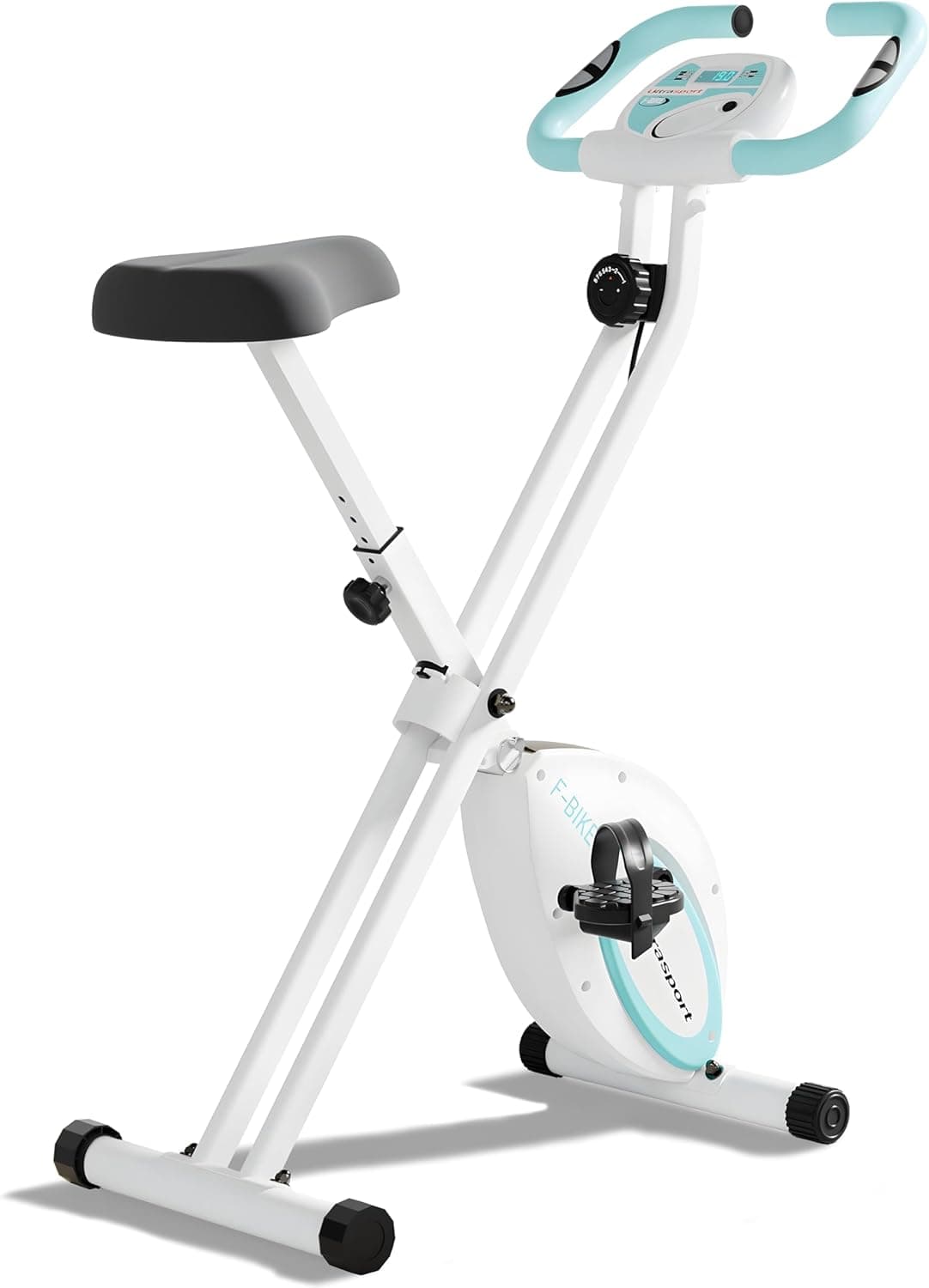
The best foldable exercise bike for UK homes, from budget mini pedallers to a 140kg-rated smart bike and a comfy recumbent. Folded sizes, weight limits and honest downsides.
Is Peloton worth it in the UK? We do the 1-year and 3-year maths on the Bike, Bike+, refurbished and rental options against a £400 bike with the app or Zwift.
Best Exercise is a participant in the Amazon EU Associates Programme, an affiliate advertising programme designed to provide a means for sites to earn advertising fees by advertising and linking to Amazon.co.uk. As an Amazon Associate we earn from qualifying purchases. This comes at no extra cost to you and never influences our independent reviews or rankings.