Exercise Bikes
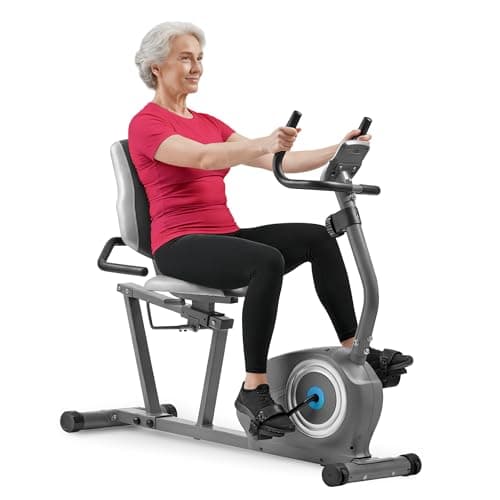
JLL Recumbent Exercise Bike Review: Comfortable, Quiet, a Little Light
An honest JLL recumbent exercise bike review covering the wide padded seat, 4kg flywheel, 8 magnetic levels, SunnyFit app, pulse sensors and who should buy it.

By Paul Kendrick, Cardio & Endurance Editor · Updated 10 August 2026
We may earn a commission from qualifying purchases made through links on this page, at no extra cost to you. This never affects our ratings.
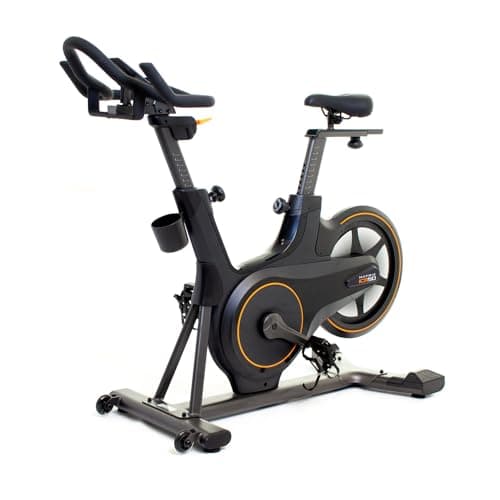
Most indoor bikes around £500 come from brands that exist only in the home fitness market, and they compete on flywheel weights printed in large numbers. The Matrix ICR50 comes from a company whose day job is fitting out commercial gyms, hotels and spin studios, and it competes on the things a studio cares about: does it survive a hundred riders a week, is it silent, and does the resistance feel the same on rep one and rep four hundred.
The Special Edition sold on Amazon UK is that studio bike with the big integrated console left off, which is how a £499 price tag on a machine of this build is possible. You supply the tablet. That trade lands better than it sounds.
How we review
This review is based on Matrix Fitness's published specifications, the current Amazon UK listing and consistent themes across owner feedback and commercial-equipment reviews. We have not put this exact unit through a multi-year test, so we report corroborated findings and say clearly where we are working from specification rather than experience.
Three things, and the first is the resistance system. The ICR50 uses magnetic resistance with an 11-position quick-adjust lever, not a felt pad pressed against the flywheel. A friction pad wears, glazes and changes feel as it heats up, so the number on your knob today means something slightly different next month. Magnets do not touch anything, they do not wear, and position seven is position seven for the life of the bike. That is the single biggest quality-of-life difference between a studio bike and a budget one, and it's also why the ICR50's 10.5kg aluminium flywheel is nothing to worry about despite looking modest next to the 18kg and 20kg figures splashed across cheaper listings.
The second is the pedals. Dual-sided with SPD clips on one face and adjustable toe cages with straps on the other, so you can ride in trainers today and clip in when you buy shoes, without changing anything. Budget bikes almost always ship with cages only.
Third is the fit. The seat adjusts both vertically and horizontally, the handlebars are ergo-formed with multiple hand positions in soft PVC, the crank is forged steel at 170mm and the Q-factor is 159mm. Those last two numbers are the ones road cyclists care about, because a narrow Q-factor and a standard crank length mean the bike replicates a road position rather than an approximation of one.
Bluetooth FTMS is the open fitness machine standard, and it means the ICR50 broadcasts speed, cadence and power estimates to whatever app you point at it. Zwift, Kinomap, Wahoo SYSTM and most others will read it. There's a smart device holder on the bars, so a tablet or phone sits where a console would be.
The limitation is one-directional. The resistance lever is mechanical, so an app can tell you to add resistance but cannot add it for you. On a structured interval session that means watching the screen and moving the lever yourself, which is exactly how spin classes have worked since spin classes existed. If auto-controlled resistance is a requirement, you're looking at a smart trainer or a bike like the Peloton Bike+ instead, and paying several times more for it.
| Resistance | Magnetic, 11-position quick-adjust lever |
|---|---|
| Flywheel | Approx 10.5 kg, rear-mounted aluminium |
| Drive | Belt drive |
| Pedals | Dual-sided, SPD clips and adjustable toe cages |
| Crank | Forged steel, 170 mm |
| Q-factor | 159 mm |
| Seat adjustment | Vertical and horizontal |
| Handlebars | Ergo-formed, multi-position, soft PVC |
| Max user weight | Approx 136 kg / 300 lb |
| Connectivity | Bluetooth FTMS, device holder |
| Safety | Emergency push-to-stop |
| Price | £499 at the time of writing |
Someone who already knows how they want to train. If you follow a structured plan, ride in Zwift, or simply want to do intervals with a podcast on, the ICR50 gives you a better machine than anything else near the price and asks nothing of you monthly. Over three years the saving against a subscription bike runs well past a thousand pounds.
It's the wrong bike if you need to be told what to do. There's no console, no class library, no leaderboard and no encouragement of any kind. Plenty of people need that structure to keep going, and there's no shame in it. The honest answer for that rider is a smart exercise bike with a subscription behind it.
The other group it suits is cyclists riding indoors through a British winter. The 159mm Q-factor and 170mm cranks mean your position transfers from your road bike more faithfully than it will on a wide-stance budget machine, and the magnetic resistance holds a steady effort for long endurance rides. The full specification is on Matrix Fitness's ICR50 page if you want to check dimensions.
Whatever you ride, the point is the minutes. The British Heart Foundation puts the target at 150 minutes of moderate intensity activity a week, and a bike in the spare room that you actually get on beats a better bike that you don't.
For the wider field, see our best spin bike UK guide and the exercise bikes hub.
Yes. Matrix Fitness supplies gyms, hotels and studios across the UK, and the ICR50 is the studio cycle from that range rather than a consumer bike wearing a commercial badge. The Special Edition sold on Amazon UK is the same frame and drivetrain, sold without the large integrated console that studios specify.
It broadcasts over Bluetooth FTMS, which is the open standard most training apps read, so it pairs with Zwift, Kinomap, Wahoo SYSTM and similar. Bear in mind the resistance lever is mechanical, so apps can read your effort but cannot control the resistance for you the way they can on a smart trainer.
A rear-mounted, evenly weighted aluminium flywheel of around 10.5kg. That is lighter than the 18kg to 20kg flywheels advertised on many budget spin bikes, and it matters far less than those numbers suggest, because the ICR50 uses magnetic resistance rather than a friction pad and gets its smoothness from the magnets and the belt drive.
Yes. The pedals are dual-sided, with SPD clips on one face for cycling shoes and adjustable toe cages with straps on the other for trainers. You do not need to buy anything extra to start riding, and you can move to clipless shoes later without changing pedals.
Very. Magnetic resistance has no pad touching the flywheel, so there is nothing to rub or squeal, and the belt drive removes chain noise. The loudest thing in the room will be your breathing and whatever you are watching.
Different products. The Peloton is a content subscription with a bike attached, and it wins if you want instructors, a leaderboard and structure. The ICR50 is a better bike sold without any of that, at roughly a fifth of the price of a Bike+, and it expects you to bring your own tablet and app. If you already know how you like to train, the Matrix is the smarter buy.
An honest JLL recumbent exercise bike review covering the wide padded seat, 4kg flywheel, 8 magnetic levels, SunnyFit app, pulse sensors and who should buy it.
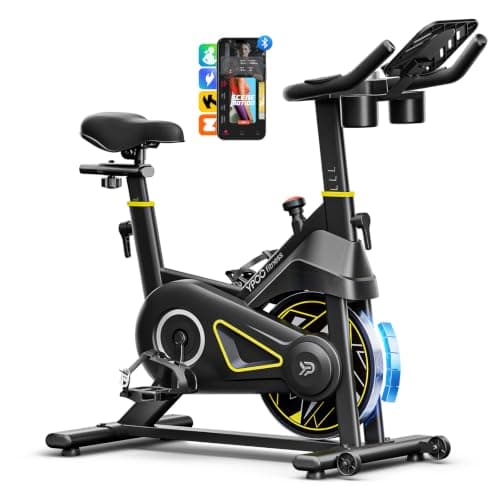
An honest YPOO X3 exercise bike review: magnetic belt drive, a free app with Kinomap and Zwift, a 136kg limit, and the marketing numbers worth ignoring.

Are exercise bikes good for cardio? Yes, they're an affordable, low-impact way to burn calories and improve fitness. Here are the pros, cons and best home bikes.
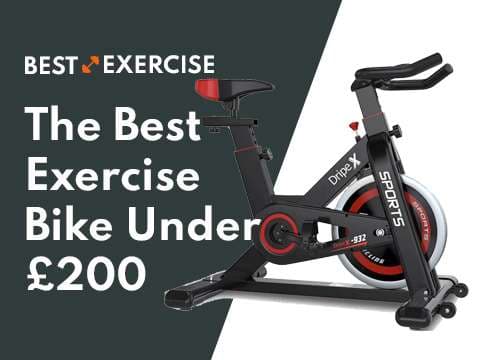
The best exercise bikes under £200 in the UK. Compare the Dripex, Mobiclinic, WINNOW and more on build, resistance and comfort to find your match.
Best Exercise is a participant in the Amazon EU Associates Programme, an affiliate advertising programme designed to provide a means for sites to earn advertising fees by advertising and linking to Amazon.co.uk. As an Amazon Associate we earn from qualifying purchases. This comes at no extra cost to you and never influences our independent reviews or rankings.