Nutrition
Huel Powder vs Ready-to-Drink: Nutrition, Cost and Which to Buy
Huel Powder vs Ready-to-drink compared side by side: calories, protein, fibre and sugar per meal, UK cost per 400kcal, storage, convenience and who should pick which.

By Declan Hallwood, Nutrition & Supplements Editor · Updated 10 November 2026
For most people, BCAAs aren't worth it. If you eat enough protein across the day (roughly 1.4g to 2.0g per kilo of body weight), a BCAA supplement adds very little you aren't already getting from food or a whey shake. The research that made branched chain amino acids famous measured something real but small, and the products that replaced them, EAAs and plain whey, do the same job more completely. There are a few narrow cases where a BCAA drink earns its place, and we cover those below, along with what to buy instead.
BCAAs are three amino acids: leucine, isoleucine and valine. They're called branched chain because of the shape of their molecules, and they're three of the nine essential amino acids, the ones your body can't make and has to get from food.
Leucine is the one that matters most. It acts as a switch that tells your muscles to start building protein, which is why most BCAA products use a 2:1:1 ratio (twice as much leucine as the other two). A 7g serving at 2:1:1 gives you about 3.5g of leucine.
The pitch was simple: take the amino acids that trigger muscle growth, skip the rest, and get the benefits without the calories or the stomach weight of a protein shake. The trouble is that triggering muscle growth and actually completing it are two different things.
The most cited critique comes from Robert Wolfe, a muscle metabolism researcher, in a 2017 review titled Branched-chain amino acids and muscle protein synthesis in humans: myth or reality? in the Journal of the International Society of Sports Nutrition. His conclusion was blunt: the claim that BCAAs alone create an anabolic response in humans is unwarranted.
His reasoning goes like this. To build new muscle protein, your body needs all nine essential amino acids at once. If you only supply three, the other six have to come from somewhere, and in a fasted state the only source is the breakdown of your existing muscle. So BCAAs on their own can't push you into a net muscle-building state, because the missing amino acids run out first. At the time Wolfe wrote the review, he could find no human studies that had measured muscle protein synthesis after oral BCAAs alone. The two infusion studies he did find showed synthesis going down, not up.
That same year, a UK research team ran exactly the study Wolfe said was missing. They gave young men 5.6g of BCAAs after resistance exercise and found myofibrillar protein synthesis rose by about 22 percent compared with a placebo. So the effect isn't zero. But the authors themselves pointed out that the rise was around half what had previously been reported for a dose of whey containing a similar amount of BCAAs, and they put the gap down to a shortage of the other essential amino acids.
Put the two papers side by side and the picture is consistent. BCAAs flip the switch. They can't finish the job, because the raw materials aren't there.
The short version
BCAAs can nudge muscle protein synthesis up a little after training. Whole protein containing the same amount of BCAAs does roughly twice as much, because it brings the other six essential amino acids with it. If you can drink a whey shake, the BCAA tub is redundant.
The International Society of Sports Nutrition's position stand on protein and exercise recommends 1.4g to 2.0g of protein per kilo of body weight per day for most people who train, split into doses of around 20g to 40g. It also suggests each dose should contain roughly 700mg to 3,000mg of leucine alongside a full spread of essential amino acids, and it advises against taking leucine in isolation.
Hit those numbers and you've already covered everything a BCAA supplement offers. A 25g scoop of whey contains roughly 5g to 6g of BCAAs on its own, including around 2.5g of leucine. A chicken breast, a tin of tuna or a 200g pot of Greek yoghurt all bring a meaningful dose too.
That's why the honest answer to "are BCAAs worth it" depends almost entirely on what you already eat. Someone eating 150g of protein a day gets nothing extra from 7g of BCAAs. Someone eating 50g a day has a bigger problem than amino acid timing, and the fix is more protein, not three of its building blocks in a sachet.
There are a handful of situations where a BCAA drink isn't a complete waste. None of them makes BCAAs the best option, but they're where the product has a reasonable case.
Fasted training. If you train first thing without eating, your body is in a breakdown state to begin with. Sipping 5g to 10g of amino acids during the session gives your muscles something to work with. Wolfe's argument still applies, though: an EAA drink or a small whey shake will do more.
Very low protein intake. If you genuinely struggle to eat enough protein, perhaps because of a small appetite, a restrictive diet or a dislike of shakes, a few grams of extra leucine is better than none. It's a sticking plaster, and fixing the diet is the real answer. Our guide to how much vegan protein you need to build muscle covers the targets if you eat plant-based.
Taste and hydration during long sessions. This is the one we'd take most seriously, and it has nothing to do with amino acids. Plenty of people drink far more during a 90-minute session when the water tastes of something. Many BCAA products now include electrolytes and no sugar, so they work as a decent intra-workout drink. If that's the reason you buy one, fair enough, but you're paying for a flavoured electrolyte drink with some amino acids in it.
Long endurance efforts in a calorie deficit. Some people find a low-calorie amino drink makes a long session in a diet phase more bearable. The muscle-sparing claims here rest on older, weaker evidence, so treat any benefit as comfort rather than physiology.
If you're reading this because you were about to buy BCAAs, here's where the money goes further.
Whey protein. This is the default answer. It's cheap per gram of protein, rich in leucine, and contains every essential amino acid. Our pick of the best protein powders in the UK covers good-value options, and if you want something lighter on lactose or higher in protein per scoop, see the best whey isolate roundup.
EAAs. If you specifically want a flavoured amino drink to sip during training, buy an essential amino acid product rather than a BCAA one. You get all nine essential amino acids, BCAAs included, in the same kind of drink. Warrior EAA is the one we picked as the best alternative in our BCAA roundup.
Check Warrior EAA price on AmazonCreatine. If you've got budget for one performance supplement, creatine monohydrate has far stronger evidence behind it than BCAAs and costs pennies per serving. Our best creatine UK guide compares the main options.
BCAAs, if you still want them. If one of the narrow cases above fits you, or you just like the taste, buy one with a 2:1:1 ratio, a full dose of at least 5g of BCAAs, and ideally added electrolytes. Our best BCAA UK guide ranks the ones worth buying. Our top pick, Applied Nutrition BCAA Amino Hydrate, is batch tested under Informed Sport and doubles as an electrolyte drink.
Check Applied Nutrition BCAA price on AmazonBCAAs work in the narrowest sense: they nudge muscle protein synthesis up a little. They don't work in the sense the marketing implies, because without the other six essential amino acids your muscles can't make much use of that signal. For anyone eating a decent amount of protein, they're a redundant purchase. Spend the money on whey, creatine or an EAA product, and treat a BCAA drink as what it really is: a flavoured training drink with a modest amino acid top-up.
You'll find more evidence-led supplement guides in our nutrition hub.
No. A 25g serving of whey protein already contains roughly 5g to 6g of BCAAs, plus the six other essential amino acids that BCAA products leave out. Taking both means paying twice for the same leucine. Put the money towards more whey or a tub of creatine instead.
Not on their own in any meaningful way. A 2017 trial found 5.6g of BCAAs after weight training raised muscle protein synthesis by about 22 percent versus a placebo, but that was roughly half the response seen with whey containing a similar amount of BCAAs. Your body needs all nine essential amino acids to build new muscle protein, and BCAAs only supply three.
No, EAAs are the better product. An essential amino acid blend contains all nine essential amino acids, including the three BCAAs, so it can support muscle protein synthesis far more completely. If you want a flavoured amino drink for training, pick an EAA product over a BCAA one.
This is the strongest case for them, though it is still a weak one. If you train first thing on an empty stomach and can't face food, a few grams of amino acids is better than nothing. A small whey shake or an EAA drink does the same job better, and most people can tolerate one before a morning session.
Technically yes. BCAAs contain calories (around 4 calories per gram) and leucine stimulates insulin, so if you're fasting for strict metabolic reasons they count as breaking it. If you're fasting mainly to control calories, a 5g to 7g serving is a small enough amount that it won't change much.
For most people who eat 1.4g to 2.0g of protein per kilo of body weight a day, mostly yes. The exceptions are narrow: very low protein diets, long fasted sessions, or people who simply drink more water during training when it's flavoured. Even then, an EAA product or a whey shake is usually the smarter buy.
Huel Powder vs Ready-to-drink compared side by side: calories, protein, fibre and sugar per meal, UK cost per 400kcal, storage, convenience and who should pick which.
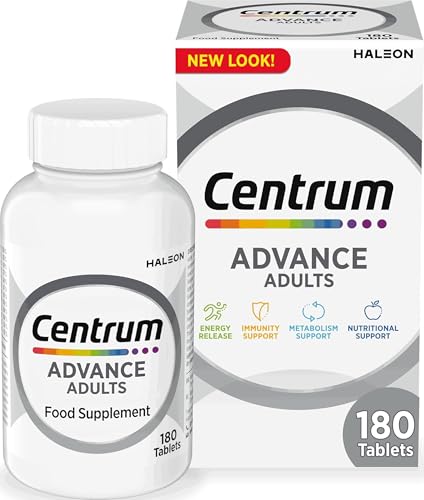
The best multivitamin UK buyers can get right now, compared on nutrient forms, dose and price, plus the best multivitamin for seniors and over 50s and the honest evidence on who benefits.
How long does pre workout last? Effects peak 30 to 60 minutes after you drink it, but caffeine's half-life of 4 to 6 hours means it lingers well into the evening.
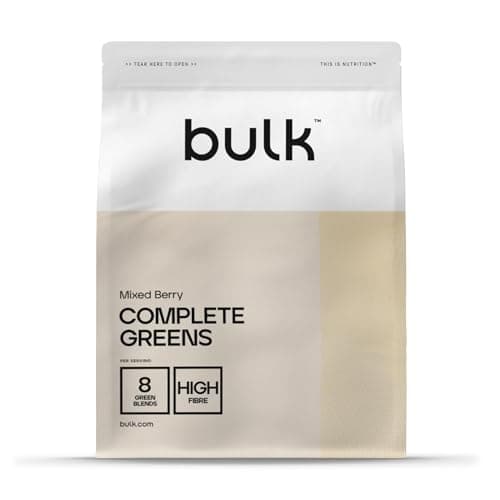
The best greens powders in the UK for 2026, from budget super greens to premium all-in-one vegetable powders, plus an honest look at whether they actually work.
Best Exercise is a participant in the Amazon EU Associates Programme, an affiliate advertising programme designed to provide a means for sites to earn advertising fees by advertising and linking to Amazon.co.uk. As an Amazon Associate we earn from qualifying purchases. This comes at no extra cost to you and never influences our independent reviews or rankings.