Nutrition
Creatine Gummies vs Powder: Which Is Better? (UK Costs Compared)
Creatine gummies vs powder, with real UK prices per 5g dose. Gummies cost 4 to 10 times more and some fail lab tests. Here's when each one actually makes sense.

By Declan Hallwood, Nutrition & Supplements Editor · Updated 9 October 2026
There's no proven creatine-specific water rule. Mix each 3 to 5g dose into at least 250 to 350ml of liquid, then drink to your normal daily needs, which the NHS puts at roughly 6 to 8 glasses of fluid a day. Drink a bit more during a loading phase, in hot weather or on heavy training days, and that's genuinely it.
A lot of people expect a bigger answer than that, usually because a forum or a gym regular told them creatine "sucks the water out of you" and they need a gallon a day to stay safe. The evidence doesn't back that up, and once you understand where the water actually goes, the advice makes more sense.
| Situation | What to drink |
|---|---|
| Each 3 to 5g maintenance dose | At least 250 to 350ml to mix it |
| Daily total, normal day | Your usual needs, about 6 to 8 glasses (1.5 to 2 litres) of fluid |
| Loading week (20g a day) | One full glass with each of the four doses, plus normal intake |
| Hot weather or long, sweaty sessions | Extra to replace sweat; thirst and pale urine are good guides |
The daily figure comes from the NHS guidance on water and drinks, which follows the government's Eatwell Guide recommendation of 6 to 8 cups or glasses of fluid a day. Tea, coffee, milk and sugar-free squash all count. The European Food Safety Authority sets its adequate intake for total water, including the water in food, at around 2 litres a day for women and 2.5 litres for men, which lines up with the NHS figure once you account for what you eat.
Nothing in the creatine research overrides those numbers. You won't find a trial that tested "creatine plus 4 litres" against "creatine plus 2 litres" and found a difference, because nobody has seen a reason to run it.
This is the part that genuinely needs a number, and it's about dissolving the powder rather than hydration.
Creatine monohydrate isn't very soluble in cold water. At room temperature roughly 14g dissolves in a litre, so a 5g scoop needs in the region of 350ml before it fully disappears. In a small 100ml splash you'll get a gritty sludge at the bottom of the glass, and you'll leave part of your dose behind.
A few practical pointers:
If you can't stand the texture at all, gummies are an option, though you pay more per gram and some products have been found short on creatine. We go through the trade-offs in creatine gummies vs powder.
Creatine is osmotically active. When your muscles take up more of it, they draw water in alongside it, so the water ends up stored inside your muscle cells. That's the opposite of dehydration: your body is holding more water, not losing it.
This shift is behind the early weight gain people notice. Most people who load put on somewhere around 1 to 2kg in the first week or so, nearly all of it water held in muscle. Without a loading phase the gain is smaller and creeps up over a few weeks as your stores fill.
It isn't the soft, puffy, under-the-skin bloating that people fear before a holiday. The panel of researchers behind the ISSN's common questions and misconceptions review tackled water retention as its very first question and concluded that the long-term picture is not one of creatine causing excess fluid retention beyond the muscle itself. The extra water inside the cell is also thought to be part of how creatine supports muscle growth over time.
Weighing yourself on creatine
If you track bodyweight for a diet or a weight-class sport, expect a jump of 1 to 2kg in the first week of loading and don't panic. Compare averages from week two onwards, once the water shift has settled, rather than reading anything into the first few days.
No, on the available evidence. This myth took hold in the late 1990s and early 2000s, mostly from anecdotes and media stories about athletes cramping in the heat, and it has outlived the research that tested it.
The clearest summary is a 2009 systematic review with meta-analyses by Lopez and colleagues in the Journal of Athletic Training, which pooled controlled trials looking at creatine, hydration and exercise in the heat. Its conclusion was blunt: there was no evidence that creatine hinders heat tolerance or harms body fluid balance at recommended doses, including in athletes exercising in hot conditions.
The International Society of Sports Nutrition's position stand on creatine safety and efficacy (Kreider and colleagues, 2017) goes further and lists thermoregulation among the areas where creatine may actually help, alongside injury prevention and tolerating heavy training. It also describes short and long-term use, up to 30g a day for five years in some studies, as safe and well tolerated in healthy people.
Cramps are the same story. Studies of college American football players training through hot pre-seasons, several of them by Greenwood and colleagues, found the creatine groups cramped no more often than the controls, and in some cases less. If you do cramp after starting creatine, the usual suspects are the same as for anyone else: a hard session you're not used to, a lot of sweat lost on a hot day, or simply not eating and drinking enough. Topping up fluid and salt after long, sweaty sessions is reasonable.
Loading is optional. The usual protocol is about 0.3g per kg of bodyweight a day, so roughly 20g for most people, split into four 5g doses for 5 to 7 days, then dropping to 3 to 5g a day. It fills your muscles in about a week instead of three or four.
During that week you're mixing four drinks rather than one, so you'll naturally take on an extra litre or so just from dosing. Spread the doses through the day with meals, because 20g in one go is far more likely to upset your stomach and send you to the toilet. Splitting it is the single best way to avoid the loose-stool side effect people sometimes blame on "not enough water".
If loading sounds like a faff, skip it. Taking 3 to 5g a day from the start reaches the same muscle saturation in around four weeks, with a smaller and slower water shift on the scales.
The honest answer to "how much water should you drink with creatine" is mostly "the amount you should be drinking anyway". The situations that push that number up have nothing to do with creatine:
Pale straw-coloured urine and not feeling thirsty are decent day-to-day checks. Dark urine, headaches and feeling flat in training are signs to drink more, creatine or not.
Dry scooping. Swallowing creatine powder straight and chasing it with a mouthful of water is a social media trend with no upside. It's a choking and inhaling risk, and you'll get a mouthful of grit. Mix it.
Drinking huge volumes "to be safe". Forcing down 5 or 6 litres a day when you're not sweating heavily won't make creatine work better. Very large intakes in a short time can, rarely, dilute your blood sodium, which is far more dangerous than anything creatine does.
Mistaking the scale jump for fat. People quit creatine after the first week because the scale went up 1.5kg. That's water in muscle, and stopping just undoes the benefit you were waiting for.
Blaming creatine for an upset stomach. It's usually a large single dose on an empty stomach. Split it or take it with food.
Creatine raises blood creatinine slightly, because creatinine is what creatine breaks down into. That can make a routine kidney blood test look a little worse than your kidneys actually are, so tell your GP you take it before any blood work. In healthy people, the research at normal doses hasn't shown kidney damage, and normal fluid intake is all that's needed.
If you have kidney disease, reduced kidney function, diabetes affecting your kidneys or take medication that's hard on them, speak to your GP before taking creatine at all. That's a "check first" situation, not a "drink more water and carry on" one.
Plain creatine monohydrate is the form with almost all the research behind it, and it's cheap. Unflavoured powder from a brand that tests its batches is the easiest choice, and you can stir it into anything. Our best creatine UK roundup compares the options, and we've reviewed the two most popular UK budget picks in detail: Myprotein creatine and Bulk creatine.
Mix the 5g dose into at least 250 to 350ml of water, juice or a shake so it dissolves properly and goes down without grit. Beyond that, there's no extra creatine-specific target. Drink to your normal daily needs, which the NHS puts at around 6 to 8 glasses of fluid a day, and add more when you sweat a lot.
No. The gallon (about 3.8 litres) figure is gym folklore, not a recommendation from any trial or health body. Some big, heavily training people will drink that much anyway because of their size and sweat losses, but creatine itself doesn't require it.
The research says no. A systematic review of controlled trials found no evidence that creatine at recommended doses harms hydration status or the body's ability to handle heat, and the International Society of Sports Nutrition reached the same conclusion in its position stand. Creatine actually pulls water into muscle cells rather than out of the body.
A little more makes sense. Loading means four 5g doses a day, so you're mixing four drinks rather than one, and the early water shift into muscle is at its biggest that week. Spreading the doses across the day with meals and a full glass each time covers it.
Most early weight gain on creatine is water stored inside your muscles, typically around 1 to 2kg in the first week or so if you load. It's not fat and it isn't the puffy, under-the-skin bloating people worry about. If you take 3 to 5g a day without loading, the gain tends to be smaller and slower.
In healthy people, research at normal doses hasn't shown kidney harm, and drinking a normal amount of fluid is all that's needed. If you have kidney disease, reduced kidney function or take medication that affects the kidneys, speak to your GP before taking creatine at all.
Creatine gummies vs powder, with real UK prices per 5g dose. Gummies cost 4 to 10 times more and some fail lab tests. Here's when each one actually makes sense.
What nutrient dense foods are, why they matter if you train, and a UK shopping list of the best ones, from oily fish and eggs to lentils and Greek yoghurt.
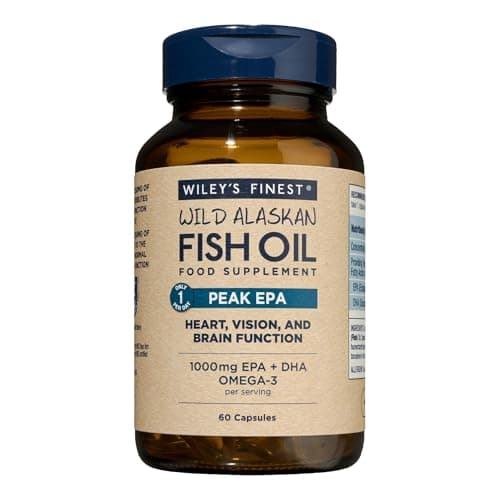
An honest Wiley's Finest Peak EPA review covering its 750mg EPA, 250mg DHA, the ethyl ester oil form, sustainable Wild Alaskan Pollock source, dosing, value and who should buy it.
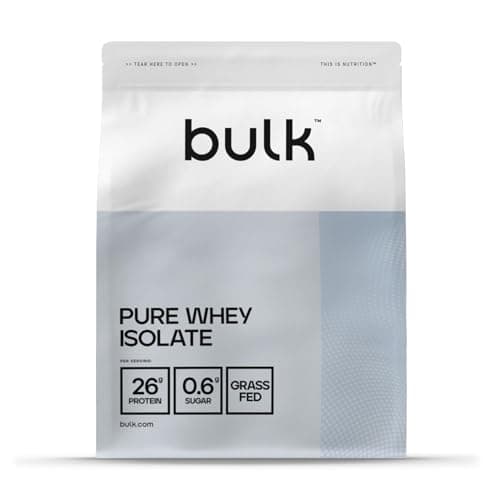
The best whey protein isolate powders in the UK for 2026, including which works best as a whey protein for women. We compare protein per scoop, price per kilo, lactose and taste across five isolates.
Best Exercise is a participant in the Amazon EU Associates Programme, an affiliate advertising programme designed to provide a means for sites to earn advertising fees by advertising and linking to Amazon.co.uk. As an Amazon Associate we earn from qualifying purchases. This comes at no extra cost to you and never influences our independent reviews or rankings.