Nutrition
Best Greens Powder UK 2026: Super Greens and Vegetable Powders Compared
The best greens powders in the UK for 2026, from budget super greens to premium all-in-one vegetable powders, plus an honest look at whether they actually work.

By Declan Hallwood, Nutrition & Supplements Editor · Updated 30 October 2026
A caffeine-based pre-workout kicks in within 15 to 30 minutes, hits its peak around 30 to 60 minutes after you drink it, and the obvious buzz fades after 2 to 3 hours. That's the bit you feel. The caffeine itself sticks around for much longer: its average half-life is 4 to 6 hours, according to the International Society of Sports Nutrition caffeine position stand, and it can range from under 2 hours to almost 10 hours depending on your genetics, whether you smoke, whether you take the contraceptive pill and how much caffeine you normally drink. So a 200mg scoop at 6pm can still leave roughly 100mg circulating at midnight.
The other ingredients in the tub run on different clocks, and some of them (creatine and beta-alanine in particular) don't really "wear off" at all in the way people expect. Here's how each part behaves, when to cut off before bed, and what happens to the powder once it's mixed or sitting in your cupboard.
| Time after drinking | What's happening |
|---|---|
| 5 to 20 minutes | Caffeine enters the blood; beta-alanine tingles often start |
| 30 to 60 minutes | Peak alertness and focus for most people; best time to be lifting |
| 60 to 90 minutes | Tingles fade; citrulline-driven blood flow is at its most useful |
| 2 to 3 hours | The felt "kick" tails off, sometimes with a mild energy dip |
| 4 to 6 hours | About half the caffeine is still in your system (average) |
| 8 to 12 hours | A quarter or less remains; enough to affect sleep in sensitive people |
These are typical figures for a healthy adult who drinks pre-workout on a fairly empty stomach. A large meal beforehand slows absorption and flattens the peak, and if you drink coffee every day you'll notice the lift less.
Caffeine does almost all the work you can feel. It's absorbed quickly, and the ISSN paper reports peak blood levels anywhere from 30 to 120 minutes after an oral dose, with capsules and drinks at the faster end. Its most common timing in research is 60 minutes before exercise, though with a liquid pre-workout 30 to 45 minutes is usually enough.
Most UK pre-workouts carry somewhere between 150mg and 300mg per scoop. Our C4 pre-workout review covers one of the milder ones at 150mg, which is about a strong mug of filter coffee. Higher-stim formulas push past 300mg, and that's where the half-life starts to matter: double the dose and you double what's left at bedtime.
The reason the buzz fades long before the caffeine is gone is simple enough. Once your blood level drops below the point where you notice it, you stop feeling stimulated, but the remaining caffeine is still blocking adenosine receptors in the brain, which is exactly what keeps you from feeling sleepy later.
That pins-and-needles feeling on your face, ears and hands is paraesthesia from beta-alanine. The ISSN beta-alanine position stand calls it the only reported side effect and notes it can be reduced by splitting the intake into smaller doses of around 1.6g. It typically starts 10 to 20 minutes after drinking and is gone within 60 to 90 minutes.
The tingle has nothing to do with whether it's working. Beta-alanine raises muscle carnosine levels over weeks of daily use (the ISSN paper uses 4 to 6g a day for at least 2 to 4 weeks), so its performance effect builds up and stays put rather than switching on and off with each scoop.
Citrulline is there for blood flow and the "pump". It's converted to arginine in the body, which feeds nitric oxide production, and pre-workouts generally dose it around 60 minutes before training so it's active during the session. The pump itself rarely lasts much beyond your workout and the hour or so after it. Plenty of budget pre-workouts underdose citrulline, so if the pump is what you're after, check the label for 6g or more of citrulline malate.
Creatine doesn't wear off because it was never "on" in the first place. It works by topping up the creatine stores in your muscles over days and weeks of regular intake, and those stores take around a month to drift back to baseline after you stop. The 1g to 3g found in some pre-workouts is usually less than the standard 3g to 5g daily dose, which is why many lifters take a separate creatine on top. Our guide to creatine before or after a workout explains why timing barely matters for it, and our best creatine UK roundup covers which tubs are worth buying.
Some formulas add theacrine, synephrine, yohimbine or DMAA-style stimulants (the last of which is banned in the UK). These have their own durations, and theacrine in particular is often marketed as longer-lasting than caffeine. If a label lists a "proprietary blend" without amounts, you can't really predict how long it'll keep you up, which is a good reason to avoid it.
This is the timing question that actually matters. In a sleep study published in the Journal of Clinical Sleep Medicine, 400mg of caffeine taken 0, 3 or 6 hours before bed all significantly disrupted sleep compared with a placebo, and the authors concluded that people should avoid substantial caffeine for at least 6 hours before bedtime. That's a big dose, but it's not far off two scoops of a high-stim pre-workout, or one scoop plus an afternoon coffee.
Our position: give yourself at least 6 hours between a caffeinated pre-workout and bed, and 8 hours if your scoop is 250mg or more or you know you're caffeine-sensitive. In practice that means:
You can still fall asleep with caffeine in your system and wake up feeling as though you slept badly, because it cuts into deep sleep even when it doesn't stop you nodding off. If you train hard in the evening and wonder why recovery feels sluggish, the 6pm pre-workout is the first thing to look at.
The UK follows the European Food Safety Authority's advice, set out on its caffeine safety page. For healthy adults, up to 400mg a day spread across the day doesn't raise safety concerns, and single doses up to 200mg (about 3mg per kg of bodyweight) are also considered fine, including when taken less than two hours before intense exercise. EFSA also notes that a single 100mg dose may affect sleep in some adults when taken close to bedtime. For pregnant or breastfeeding women the daily limit drops to 200mg.
That 400mg ceiling includes everything: tea, coffee, energy drinks, cola and pre-workout. A 300mg scoop leaves you room for one coffee, not three. Pre-workouts in the UK aren't sold to under-18s by most reputable brands, and teenagers shouldn't be using them.
Drink it within about 30 minutes of mixing. There's no hard expiry once it's in water, but it gets worse the longer it sits: flavours separate, artificial sweeteners can go bitter, and some ingredients settle into a sludge at the bottom of the shaker. Caffeine itself is stable in water, so a drink left for an hour won't have lost its kick.
Creatine is the exception. In liquid it slowly converts into creatinine, which does nothing useful, and that breakdown is faster in warm and acidic drinks (most fruit-flavoured pre-workouts are acidic). An hour won't make a meaningful difference, but don't mix a bottle the night before and leave it in a warm car.
If you want to sip it on the way to the gym, mix it with cold water in a sealed shaker just before you leave. Leftover pre-workout from yesterday should go down the sink.
Most tubs carry a best-before date 1 to 2 years after manufacture. Unopened and kept somewhere cool and dry, the powder usually stays fine until then. Once opened, moisture is the main enemy: every time you leave the lid off in a steamy kitchen, the powder pulls in water and starts to clump. Mild clumps you can break up with a spoon are fine; a solid brick isn't.
Out-of-date pre-workout is unlikely to make you ill if it looks and smells normal, but it can be weaker and taste flat. If it has changed colour, smells sour or shows any sign of mould, throw it away. Keep the silica sachet in the tub and always use a dry scoop.
As for how many workouts a tub covers: most are sold as 30 to 40 servings, so a tub lasts 6 to 10 weeks at three or four sessions a week.
If your pre-workout feels like it wears off faster than it used to, tolerance is the likely culprit. Regular caffeine use makes your brain produce more adenosine receptors, so the same dose blocks a smaller share of them and the lift feels weaker. The ISSN paper lists habitual caffeine intake as one of the factors behind people's very different responses.
The fix isn't a bigger scoop. Try these instead:
Morning and lunchtime trainers can use any sensibly dosed caffeinated formula. If you train after work, look at the caffeine figure on the label before anything else, and consider keeping a stim-free tub for late sessions. Our best pre-workout UK guide lists caffeine per serving for each pick, which makes it easy to match a product to the time you actually train.
Most people feel a caffeine-based pre-workout within 15 to 30 minutes, with the strongest effect 30 to 60 minutes after drinking it. The noticeable buzz usually fades after 2 to 3 hours, but caffeine's half-life is around 4 to 6 hours on average, so half the dose can still be in your blood well into the evening.
Leave at least 6 hours between a caffeinated pre-workout and bedtime, and 8 hours is safer if you're a light sleeper or your scoop contains 250mg of caffeine or more. A study that gave 400mg of caffeine 6 hours before bed still found it disrupted sleep. If you train after about 4pm, a stimulant-free formula is the better choice.
Caffeine reaches the blood within minutes and typically peaks somewhere between 30 and 120 minutes after an oral dose, depending on the person and the format. With a drink on an empty stomach, most people feel it within 15 to 30 minutes. Taking it 30 to 45 minutes before your first working set lines the peak up with the hardest part of your session.
The tingle comes from beta-alanine and is harmless. It usually starts 10 to 20 minutes after drinking and fades within roughly 60 to 90 minutes. Bigger single doses make it stronger, so if you dislike it, pick a formula with a smaller beta-alanine dose or split your intake.
Drink it within about 30 minutes of mixing for the best taste and texture, and don't leave it overnight. Caffeine itself is stable in water, but flavours separate, sweeteners can turn bitter and any creatine in the formula slowly breaks down in liquid, especially in warm or acidic drinks.
Yes. Most tubs carry a best-before date 1 to 2 years from manufacture. Past that date the powder isn't usually dangerous, but it can clump, lose flavour and lose potency. If it smells off, has changed colour or has gone rock solid from moisture, bin it.
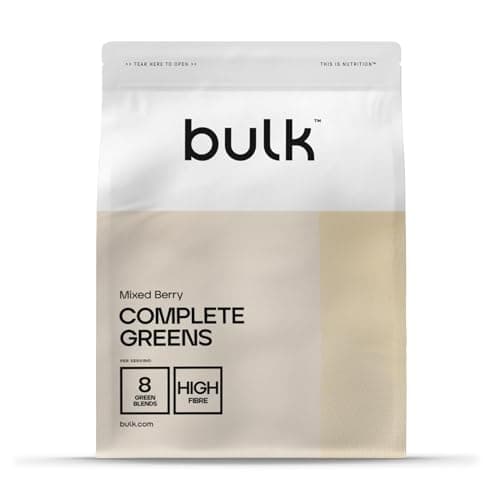
The best greens powders in the UK for 2026, from budget super greens to premium all-in-one vegetable powders, plus an honest look at whether they actually work.
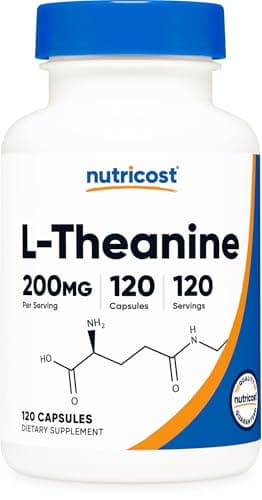
The best L-theanine supplement for UK buyers in 2026: five capsules ranked on dose and cost per day, what the research shows about sleep and caffeine, and the dose worth taking.
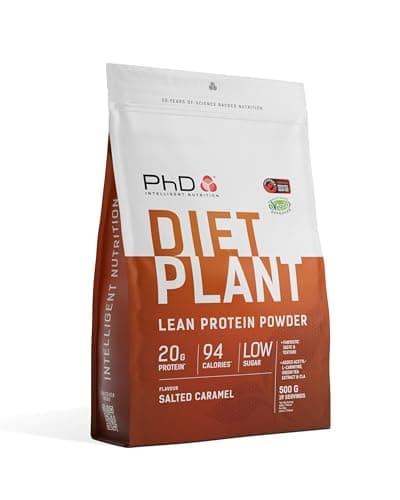
The best protein shakes for weight loss in the UK, and how to spot the healthiest protein powder for a diet: low-calorie, high-protein picks to curb hunger, plus how to use them.
Active calories vs total calories explained: what Apple Watch, Garmin, Fitbit and Whoop count, how accurate they are, and how many to eat back for weight loss.
Best Exercise is a participant in the Amazon EU Associates Programme, an affiliate advertising programme designed to provide a means for sites to earn advertising fees by advertising and linking to Amazon.co.uk. As an Amazon Associate we earn from qualifying purchases. This comes at no extra cost to you and never influences our independent reviews or rankings.