Nutrition
Best Greens Powder UK 2026: Super Greens and Vegetable Powders Compared
The best greens powders in the UK for 2026, from budget super greens to premium all-in-one vegetable powders, plus an honest look at whether they actually work.

By Declan Hallwood, Nutrition & Supplements Editor · Updated 27 September 2026
We may earn a commission from qualifying purchases made through links on this page, at no extra cost to you. This never affects our ratings.
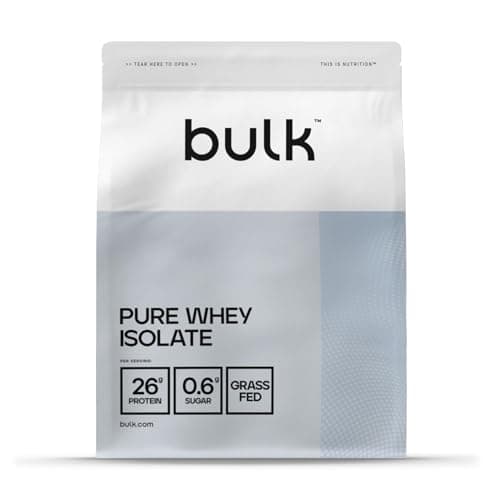
Whey isolate is whey concentrate that has been put through more filtration. That is the whole story, and it explains everything about why the tubs cost more, why the macros look cleaner, and why the marketing works so well on people who assume more processing means better results. It does not mean better results. It means less lactose, less fat and a higher protein percentage per scoop, which matters enormously if concentrate bloats you and hardly at all if it doesn't.
So the useful question isn't "which isolate builds the most muscle" (they're near enough identical) but "which isolate gives me the most protein per pound". We went through the UK market on that basis, comparing protein per 100g, price per kilogram and what each brand actually publishes about its own product. Isolate is also where most people land when they look for the best whey protein for women, so we've answered that directly further down, and the answer isn't a pink tub.
How we chose
We researched the whey isolates most widely available on Amazon UK rather than running our own lab analysis. Our shortlist came from comparing published nutritional panels, protein content per 100g, price per kilogram, third-party testing claims and the consistent themes in verified owner reviews. Prices and formulations change often, so check the current label before you buy.
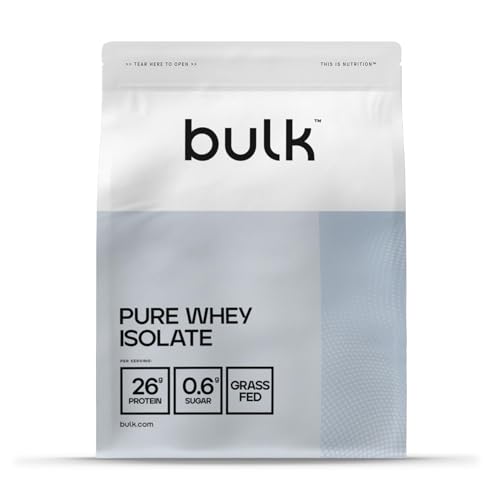
Bulk's isolate is the one that keeps making sense once you do the arithmetic. The unflavoured 1kg tub lands around £42 at the time of writing, which puts it in the middle of the pack on headline price, but it delivers roughly 90g of protein per 100g of powder, so the cost per gram of actual protein is among the lowest here. Bulk also publishes a full amino acid profile on the label instead of the vague "protein blend" wording that cheaper brands hide behind.
Unflavoured is the version we'd point most people towards. It stirs into porridge, coffee and smoothies without turning them into a dessert, and it costs less than the flavoured tubs. Chocolate and vanilla versions exist at the same 1kg size if you want to drink it with water, though the flavouring drops the protein percentage slightly.
The catch is texture. Isolate is thin by nature and Bulk's is thinner than most, so if you like a thick, milkshake-style drink you'll be disappointed. Some batches also clump if you dump the scoop into water before shaking. Add liquid first.
Check price on Amazon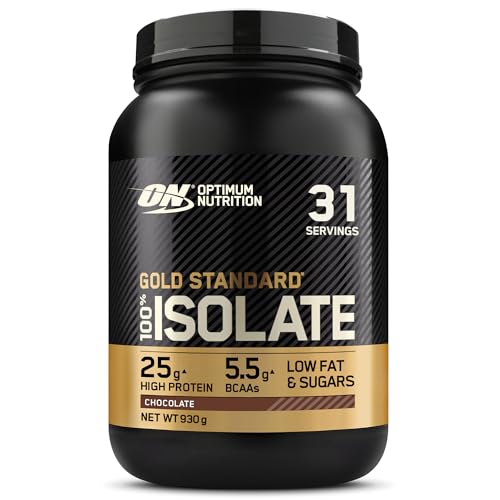
Optimum Nutrition has spent two decades getting the flavouring right and it shows. The Gold Standard isolate is the tub to buy if you drink your protein straight with water and want to keep drinking it in week six, which is more than can be said for most unflavoured powders sitting half-used in UK kitchen cupboards.
Each 930g tub gives you around 25g of protein per serving with the fat and carbs down near zero, and ON runs its products through Informed Choice banned-substance testing, which matters if you compete in anything drug-tested. The powder mixes cleanly in a shaker without the gritty edge some isolates have, so you won't need anything cleverer than a protein shaker with a wire ball in it.
You pay for the name. At roughly £50 for 930g it's the priciest per kilogram on this list, and the tub is smaller than it looks because ON sizes by servings rather than round numbers. If you already own our pick in the Optimum Nutrition Gold Standard Whey review, the isolate is a sidegrade, not an upgrade, unless the concentrate version upsets your stomach.
Check price on Amazon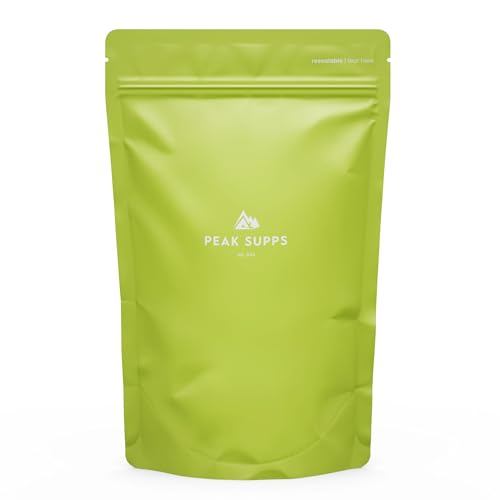
Around £23 for 500g of 90% isolate is a genuinely good price in the UK, and Peak Supps gets there by keeping the operation lean rather than by cutting the protein content. The unflavoured version is the value pick; flavoured options exist across a long list of options if you can't face plain.
What you give up is polish. The packaging is plain, the scoop is sometimes missing from the tub, and the powder is slightly coarser than Bulk's, so it takes an extra few shakes to disperse. Peak Supps is also a smaller operation, which means less independent testing documentation than ON publishes.
For a first isolate, or for anyone who mixes protein into food rather than sipping it, none of that matters much. It's clean protein at a fair price.
Check price on Amazon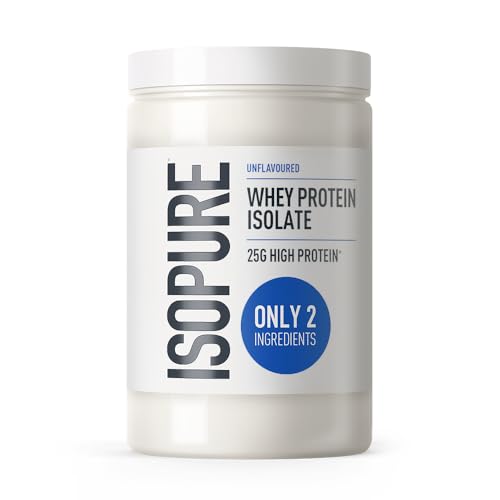
Isopure built its whole reputation on zero-carb protein, and the unflavoured isolate is the purest expression of it: 25g of protein per serve with sugar down at trace levels. If you're deep into a cut, tracking macros to the gram, or eating low carb for medical reasons, this is the tub that leaves you the most room elsewhere in the day.
It's also cheaper than you'd expect at around £30, which makes it competitive with Bulk on price per kilogram while offering a slightly different macro profile.
Two honest downsides. The unflavoured version has a faintly sour, milky edge that some people notice more than they do with Bulk, and Isopure's UK distribution is patchy, so the exact size and flavour you want isn't always in stock. Buy the size that's available rather than waiting for the one you planned on.
Check price on Amazon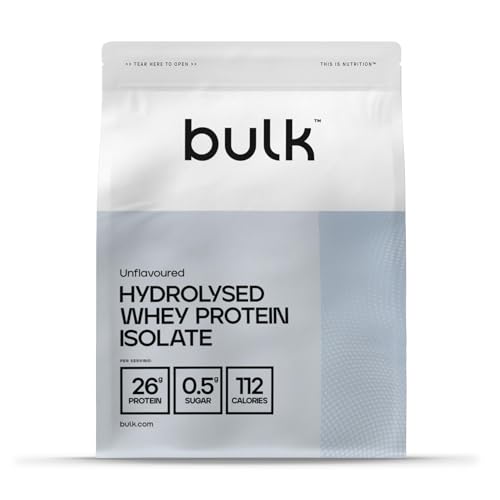
Hydrolysed whey has been partially broken down into shorter peptide chains before it reaches you, which means your gut has less work to do. For most people that's an irrelevance. For the minority who get cramping or bloating even from standard isolate, it's the difference between using protein powder and giving up on it.
Bulk's hydrolysed isolate runs around £28 for 500g, so you're paying roughly a third more per kilogram than the standard isolate for that extra processing step. The protein content is similar. The digestion speed is quicker, though the practical training benefit of that speed is smaller than supplement marketing suggests.
The taste is the real trade-off. Hydrolysis produces a bitterness that no amount of flavouring fully hides, and the unflavoured version is the harshest tasting powder here by a distance. Mix it into something with a strong flavour of its own.
Check price on AmazonWhey starts as a liquid by-product of cheesemaking. Filter it once and you get concentrate, sitting somewhere between 70 and 85% protein with fat, minerals and up to around 5% lactose still in the mix. Push it through further ultrafiltration or ion exchange and you get isolate at roughly 90 to 95% protein with the lactose and fat mostly stripped out, a process covered in detail in this review of whey composition and processing. Hydrolysis is a separate step that chops the protein chains shorter.
Here's the part supplement companies would rather you skipped: a meta-analysis comparing concentrated, hydrolysed and isolated whey found no meaningful difference between the three forms for body composition in people who train. The extra filtration buys you cleaner macros and easier digestion, not extra muscle.
| Concentrate | 70 to 85% protein, up to ~5% lactose, cheapest per kg |
|---|---|
| Isolate | ~90 to 95% protein, trace lactose and fat, 20 to 40% dearer |
| Hydrolysed isolate | Similar protein, pre-digested peptides, bitter, priciest |
| Best for muscle gain | All three, equally |
| Best for bloating | Isolate or hydrolysed isolate |
| Best for taste | Concentrate, then isolate |
There isn't a whey that works better for women, and a tub claiming otherwise is selling you the label. Protein needs scale with bodyweight and training, not sex. The same 1.4 to 2.0g per kilogram range applies, so a 60kg woman training three or four times a week is aiming for roughly 84 to 120g a day, and a single 25g scoop of any isolate here covers a good chunk of that.
What the "for women" products usually change is the price and the extras. Many add green tea extract, L-carnitine or CLA, charge more per kilogram for the privilege, and make room by dropping the protein content per 100g. The evidence for any of those as fat burners is weak, so the extra cost buys you very little. Turn the tub round and check protein per 100g; well under 80g and you're paying for filler.
So the picks don't change. Bulk Pure Whey Isolate is the best whey protein for women on value and label honesty, the Optimum Nutrition isolate is the one to get if you drink it with water and taste decides whether you'll keep using it, and Peak Supps is the cheapest decent option. If you'd rather your protein tasted like squash than a milkshake, clear whey is isolate underneath too.
The International Society of Sports Nutrition puts the useful range for people training regularly at roughly 1.4 to 2.0g of protein per kilogram of bodyweight per day, with the higher end suiting anyone in a calorie deficit trying to hold onto muscle. An 80kg lifter is therefore looking at 112g to 160g daily.
Powder is a tool for closing the gap, nothing more. If your meals already deliver 140g of protein, a second scoop buys you very little. If you eat two decent meals a day and train four times a week, one or two scoops is the easiest fix in nutrition. For the wider picture on how protein fits alongside training, our best protein powder UK guide covers concentrates and blends, while the best creatine UK guide deals with the one supplement that genuinely does add something on top.
Check protein per 100g, not per serving, because serving sizes are chosen by marketing departments. Anything under 80g of protein per 100g is not really an isolate whatever the front of the tub says.
Look for a named filtration method. Cross-flow microfiltration and ion exchange are both legitimate; "advanced protein technology" is not a method, it's a slogan. Third-party testing badges such as Informed Sport matter if you compete, and cost nothing to check.
Ignore added digestive enzymes. They're cheap to include, they let brands charge more, and in a product already stripped of most of its lactose there's very little left for them to do.
Bulk Pure Whey Protein Isolate is the one we would buy first. It hits roughly 90% protein by dry weight, costs around £42 per kilogram unflavoured at the time of writing, and Bulk publishes a full amino acid breakdown rather than hiding behind a proprietary blend. If flavour matters more than price, Optimum Nutrition Gold Standard 100% Isolate is the better tub.
For building muscle, barely. A meta-analysis comparing concentrate, hydrolysed and isolated whey found no meaningful difference in body composition outcomes between the three forms. Isolate wins on purity, not results: it is filtered further, so it carries less lactose, less fat and more protein per 100g. Buy it if concentrate upsets your stomach or you are counting every carb, not because you expect faster gains.
Very little. Whey concentrate typically runs 70 to 85% protein with up to around 5% lactose left in, while isolate is filtered to roughly 90 to 95% protein with only traces remaining. Most people who bloat on concentrate get on fine with isolate, though a true lactose intolerance still deserves a chat with your GP rather than a leap of faith.
One or two scoops, depending on what the rest of your diet looks like. The evidence supports somewhere around 1.4 to 2.0g of protein per kilogram of bodyweight per day for people training regularly, and powder is just a convenient way to top up whatever your meals leave short. An 80kg lifter eating 90g of protein from food needs roughly two scoops to get there.
The same as the best whey protein for anyone: a clean isolate or concentrate with at least 80g of protein per 100g. Bulk Pure Whey Isolate is our pick on value. Women-specific tubs usually cost more and add extras like L-carnitine or green tea extract with weak evidence behind them, so check protein per 100g before paying the premium.
It tastes faintly of milk and cardboard, and it is not pleasant on its own with water. Blended into a smoothie, porridge or coffee it disappears completely, which is the point. Unflavoured tubs are usually cheaper per kilogram and let you control the sweetener, so they suit anyone who mixes protein into food rather than drinking it neat.
Only for a specific reason. Isolate usually costs 20 to 40% more per kilogram than concentrate, and you are paying for extra filtration, not extra muscle. Worth it if concentrate leaves you bloated, if you are cutting and want the leanest possible macros, or if you simply prefer a thinner shake. Otherwise concentrate does the same job for less.
The best greens powders in the UK for 2026, from budget super greens to premium all-in-one vegetable powders, plus an honest look at whether they actually work.
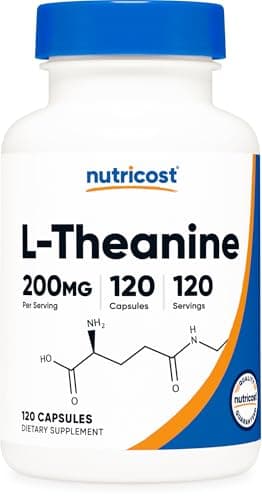
The best L-theanine supplement for UK buyers in 2026: five capsules ranked on dose and cost per day, what the research shows about sleep and caffeine, and the dose worth taking.
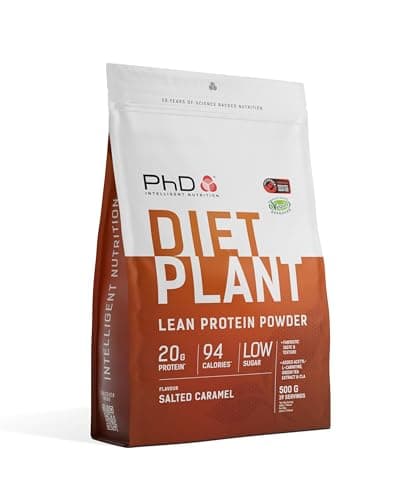
The best protein shakes for weight loss in the UK, and how to spot the healthiest protein powder for a diet: low-calorie, high-protein picks to curb hunger, plus how to use them.
Active calories vs total calories explained: what Apple Watch, Garmin, Fitbit and Whoop count, how accurate they are, and how many to eat back for weight loss.
Best Exercise is a participant in the Amazon EU Associates Programme, an affiliate advertising programme designed to provide a means for sites to earn advertising fees by advertising and linking to Amazon.co.uk. As an Amazon Associate we earn from qualifying purchases. This comes at no extra cost to you and never influences our independent reviews or rankings.