Nutrition
Creatine Gummies vs Powder: Which Is Better? (UK Costs Compared)
Creatine gummies vs powder, with real UK prices per 5g dose. Gummies cost 4 to 10 times more and some fail lab tests. Here's when each one actually makes sense.

By Declan Hallwood, Nutrition & Supplements Editor · Updated 8 August 2026
We may earn a commission from qualifying purchases made through links on this page, at no extra cost to you. This never affects our ratings.
Most multivitamins are sold on a promise they cannot keep. The label implies energy, immunity and general thriving; what the tablet actually does is top up nutrients you might be short of. That is a much smaller claim, and a genuinely useful one if your diet has gaps. It is also worthless if it does not. This guide picks the five multivitamins on Amazon UK that are worth your money, and is honest about the fairly large group of people who should skip the category entirely.
How we chose
We researched the best-selling and best-reviewed multivitamins on Amazon UK rather than running our own trial. Picks were compared on nutrient coverage against UK reference intakes, the chemical forms used, dose per tablet, cost per day and manufacturing standards, alongside recurring themes in verified owner reviews. Prices and formulations were correct at the time of writing and change, so check the current label before you buy. Nothing here is medical advice; if you are pregnant, on medication or managing a health condition, speak to your GP or pharmacist first.
The evidence on multivitamins in healthy adults is not flattering. The US Preventive Services Task Force reviewed 84 randomised trials and cohort studies and found insufficient evidence that multivitamin supplements prevent cardiovascular disease or cancer, and it actively recommends against beta-carotene and vitamin E for that purpose (USPSTF recommendation). The COSMOS trial, which randomised 21,442 US adults to a daily multivitamin or placebo, found no significant reduction in invasive cancer over a median 3.6 years (COSMOS trial).
So who should bother? People whose diets have real holes. If you skip whole food groups, eat few vegetables, follow a restrictive diet, are on a long calorie deficit, or eat vegan without careful planning, a multivitamin is cheap protection against a shortfall that would otherwise go unnoticed. The NHS's own position is that most people can get what they need from a varied diet, with vitamin D the notable exception (NHS vitamins and minerals).
Vitamin D deserves its own paragraph. UK sunlight between October and March is too weak for your skin to make it, and the NHS advises everyone to consider 10 micrograms a day through autumn and winter. That single recommendation applies to far more people than the rest of the multivitamin category combined, and our best vitamin D supplement guide covers standalone options if your multi falls short.
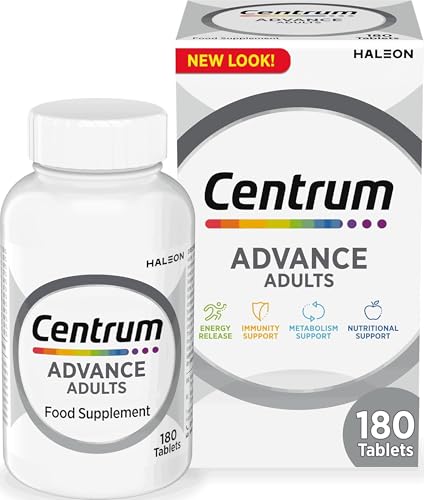
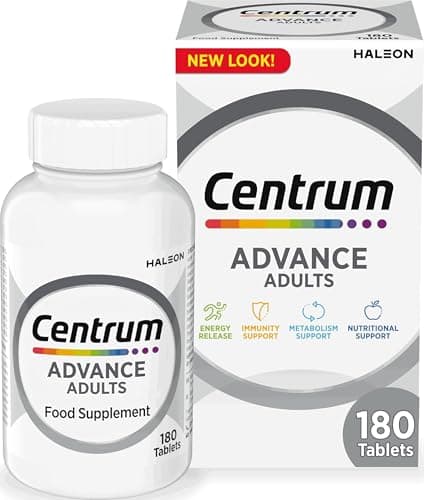
Centrum is the boring answer, and boring is the right answer here. The Advance formula covers just over 20 vitamins and minerals in one tablet a day, including all the B vitamins, vitamin D, calcium, magnesium and iron. It is the most clinically studied multivitamin formula in existence, which is a genuinely meaningful distinction in a category where most products have never been tested at all. The COSMOS trial mentioned above used a Centrum Silver formula.
At around £18 for 180 tablets it works out at roughly 10p a day. It is free from wheat, lactose, nuts and gluten and suitable for vegetarians, though not vegan. The honest criticisms: the nutrient forms are the cheap standard ones rather than the better-absorbed versions, folic acid rather than methylfolate, and the vitamin D dose sits at the low end, so you may still want a separate D supplement over winter. It also contains iron, which most men do not need. For a general-purpose daily multi from a manufacturer with 40 years of formulation behind it, none of that is disqualifying.
Check price on Amazon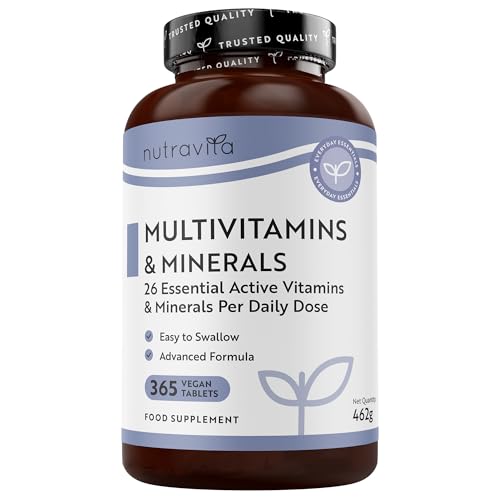
A full year in one tub for around £20 is about 5p a day, and the formula is not a stripped-back one to get there. You get 26 vitamins and minerals, all eight B vitamins, and 100 percent of the UK nutrient reference value for 21 of them. It is vegan, made in the UK in a GMP-certified facility, and third-party tested for heavy metals and microbiological safety, which is worth more than it sounds in a market where testing is optional.
Nutravita has been going since 2014 and is one of the few Amazon-native supplement brands with genuine scale behind it. The trade-offs are the same as Centrum's: standard nutrient forms, not the premium bioavailable ones. The tablets are also large, and the brand's own advice is to split them if swallowing is difficult, which tells you something. If the cost per day is what decides it for you, nothing else on this list gets close.
Check price on Amazon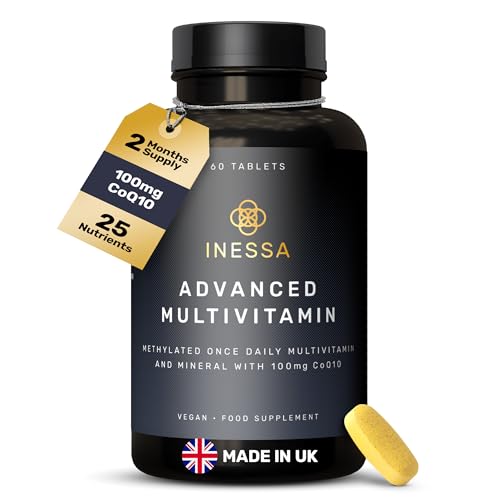
This is the one to buy if you have read enough about nutrient forms to care, and it is priced accordingly at around £30 for a two month supply, roughly 50p a day. Everything in it is chosen for absorption rather than cost: folate as active methylfolate (5-MTHF) rather than folic acid, vitamin K as MK-7, and 2000 IU of vitamin D3, which is 50 micrograms and five times the NHS winter recommendation.
It also includes lutein, the carotenoid concentrated in the macula, which almost no mainstream multivitamin bothers with. Doses are set from research rather than from reference values, so several nutrients sit well above the standard 100 percent NRV. That is the point, and it is also the caveat: if you are already taking a vitamin D supplement, a fish oil and a B complex, adding this on top is how you end up over-supplemented. Check the arithmetic across everything you take. Vegan Society registered, made in the UK, and free from gluten, dairy and artificial colours.
Check price on Amazon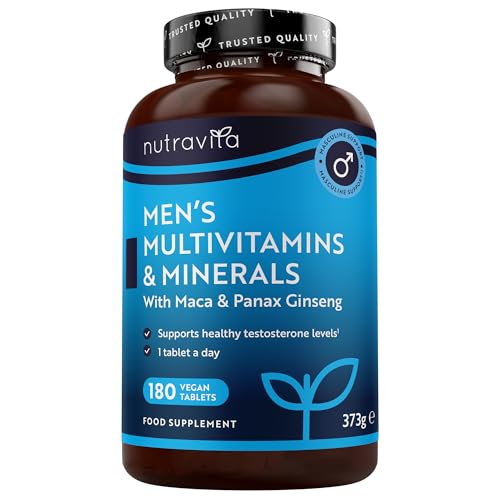
Six months for around £20, with 25 vitamins and minerals covering 100 percent NRV for 20 of them, plus 10 micrograms of vitamin D3 and 10mg of zinc. It is vegan, UK-made and GMP-certified, same manufacturing standard as the general formula above.
The pitch is the added maca root and Panax ginseng. Be clear-eyed about this: the botanical extras are the marketing, and the evidence for either at these doses doing much for a healthy man is thin. Buy it for the vitamin and mineral base, which is solid, and treat the herbs as a bonus rather than a reason. One genuine reservation is that this formula contains 14mg of iron. Men without a diagnosed deficiency generally do not need supplemental iron and there is a reasonable argument for avoiding it, so if that concerns you, the Inessa formula is iron-free and the better choice.
Check price on Amazon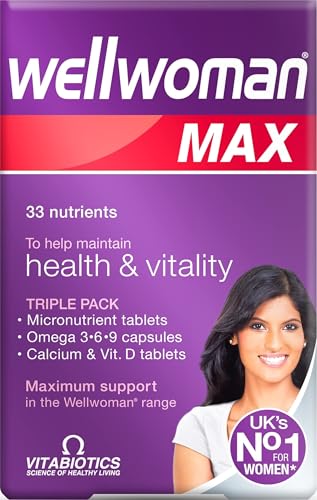
Vitabiotics is the established British name in this category, more than 50 years old, and Wellwoman is its flagship women's range. Max is the top of that range: a triple pack format combining the core multivitamin with omega-3 fish oil supplying EPA and DHA, plus starflower and evening primrose oil. It runs around £14.50 for 84 tablets, which is a 28 day supply given you take three a day.
The formulation logic makes sense for women who would otherwise buy a multivitamin and a fish oil separately, since bundling them costs less than two products. Zinc and iron support normal cognitive function, and vitamin D, folic acid and selenium support normal immune function, which are the EFSA-permitted claims and roughly the extent of what can honestly be said. Two things to note: it is not vegan or vegetarian because of the fish oil, and three tablets a day is a bigger commitment than one. If you want a simpler single tablet, the Nutravita general formula covers the vitamin side for a fraction of the daily cost.
Check price on AmazonStart with your diet, not the label. If you eat a varied diet with vegetables most days, a multivitamin adds very little. If you do not, it is the cheapest fix available.
Check the vitamin D number. Anything under 10 micrograms leaves you supplementing separately through winter anyway.
Look at the iron. Premenopausal women often benefit. Most men do not, and it is worth actively avoiding.
Nutrient forms matter more than nutrient count. A 26-nutrient formula using folic acid and cheap magnesium oxide is not obviously better than a 20-nutrient formula using methylfolate and citrate. The count is the easiest number to inflate.
Add up everything you take. The realistic risk in this category is stacking. A multivitamin plus a separate D, a zinc and a greens powder can push several nutrients well past sensible.
If you are building a supplement stack around training rather than general health, the things with actual evidence behind them come first. Our guides to creatine, protein powder and omega 3 cover those, and the rest of the nutrition section works through the supplements that do and do not survive scrutiny.
For most people Centrum Advance is the sensible default. It covers just over 20 vitamins and minerals at one tablet a day, it is the most studied multivitamin formula on the market, and 180 tablets costs around £18 at the time of writing. If you want better nutrient forms and will pay for them, the Inessa Advanced methylated formula is the upgrade. If you want the lowest cost per day, the Nutravita 365 tablet tub is roughly 5p.
For correcting a genuine shortfall, yes. For preventing heart disease or cancer in a healthy, well-fed adult, the evidence says no. The US Preventive Services Task Force reviewed 84 trials and concluded there is insufficient evidence that multivitamins prevent cardiovascular disease or cancer, and it recommends against beta-carotene and vitamin E specifically. Treat a multivitamin as cheap insurance against gaps in your diet, not as a health intervention.
Training raises energy needs, and people eating more food generally get more micronutrients, so heavy training alone is not a reason to supplement. Where it helps is when you are dieting, cutting weight, eating restrictively, or training on a rushed diet with few vegetables. A multivitamin does not build muscle, and no multivitamin contains enough creatine, protein or carbohydrate to matter.
Probably yes in autumn and winter. The NHS advises everyone in the UK to consider 10 micrograms of vitamin D a day from October to March. Most standard multivitamins contain around 5 to 10 micrograms, so check the label. The Inessa formula supplies 2000 IU, which is 50 micrograms, and covers it comfortably on its own.
Sometimes. The genuine differences are iron and, in some women's formulas, higher folate. Premenopausal women lose iron monthly and many UK women fall short; men rarely need supplemental iron and can accumulate it. If you are a man, look for a formula with little or no added iron. Beyond that, most gendered branding is marketing.
Yes. The fat-soluble vitamins A, D, E and K accumulate, and so do iron and selenium. Problems come from stacking multiple supplements that each contain the same nutrient rather than from one tablet a day. Add up what you are taking across every product before you double up.
Creatine gummies vs powder, with real UK prices per 5g dose. Gummies cost 4 to 10 times more and some fail lab tests. Here's when each one actually makes sense.
What nutrient dense foods are, why they matter if you train, and a UK shopping list of the best ones, from oily fish and eggs to lentils and Greek yoghurt.
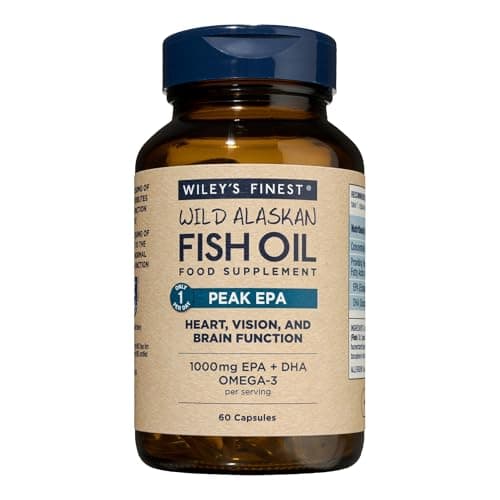
An honest Wiley's Finest Peak EPA review covering its 750mg EPA, 250mg DHA, the ethyl ester oil form, sustainable Wild Alaskan Pollock source, dosing, value and who should buy it.
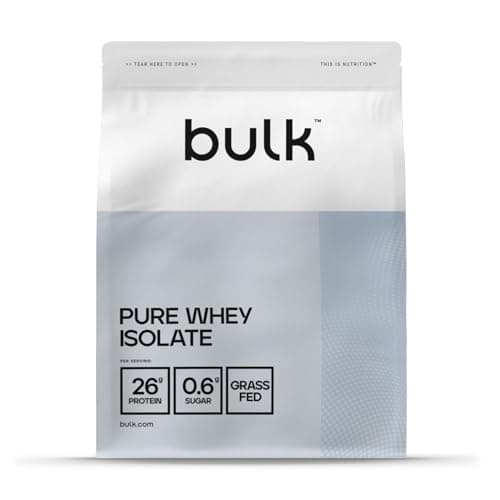
The best whey protein isolate powders in the UK for 2026, including which works best as a whey protein for women. We compare protein per scoop, price per kilo, lactose and taste across five isolates.
Best Exercise is a participant in the Amazon EU Associates Programme, an affiliate advertising programme designed to provide a means for sites to earn advertising fees by advertising and linking to Amazon.co.uk. As an Amazon Associate we earn from qualifying purchases. This comes at no extra cost to you and never influences our independent reviews or rankings.