Nutrition
Optimum Nutrition Gold Standard Pre-Workout Review: Honest UK Verdict
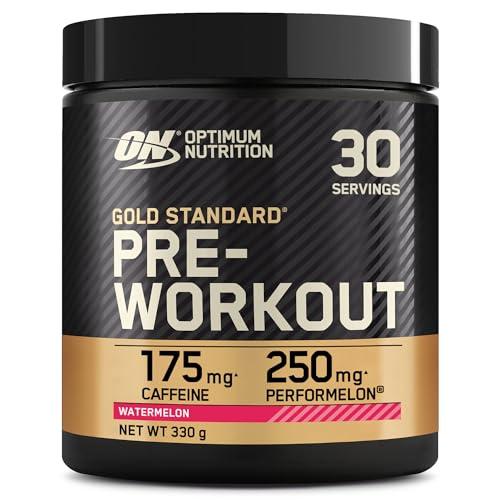
Gold Standard Pre-Workout review for the UK formula: 175mg caffeine, 3g Creapure creatine, 1.5g beta-alanine, 750mg citrulline. What works, what doesn't.

By Declan Hallwood, Nutrition & Supplements Editor · Updated 12 November 2026
Pre-workout gummies work if the caffeine dose is big enough for your bodyweight, and for most people one serving sits at the low end of useful. That's the short answer. The longer one is that caffeine is the only ingredient a gummy can carry in a meaningful amount, because the other proven pre-workout ingredients need several grams each and a chewy sweet weighing a few grams simply has no room for them. So treat gummies as a tidy, portable caffeine dose with some vitamins attached, and you won't be disappointed. Buy them expecting the full effect of a powder scoop and you will be.
How we put this guide together
We haven't run our own tests on these gummies. The doses and prices below come from the Amazon UK listings as they stood on 12 November 2026, and the effective doses come from published sports nutrition research and EFSA and NHS caffeine guidance. Where a brand doesn't publish an amount, we say so instead of guessing.
Most tubs on Amazon UK follow the same recipe: caffeine as the headline, a sprinkle of amino acids borrowed from powder formulas, and B vitamins so the label can carry an approved "reduces tiredness and fatigue" claim.
Start with caffeine, because it's the ingredient with the strongest evidence. The International Society of Sports Nutrition's position stand concludes that caffeine consistently improves exercise performance at 3 to 6mg per kg of body mass, and that the minimum effective dose "may be as low as 2 mg/kg" (ISSN position stand on caffeine).
Run that for a 70kg adult. The proven range is 210mg to 420mg, and the possible floor is 140mg. An 80mg gummy serving works out at 1.1mg per kg, about half the lowest figure the ISSN is prepared to mention. Someone who rarely touches caffeine will feel 80mg more than a four-coffees-a-day office worker, but nobody should expect the effect sizes from the studies at that dose.
The other ingredients fare worse. A 2019 meta-analysis of citrulline for strength and power found a small benefit over placebo, and it deliberately excluded any study that used less than 3g (Trexler and colleagues, Sports Medicine). Beta-alanine needs 4 to 6g a day for at least two to four weeks to raise muscle carnosine, according to the ISSN's beta-alanine position stand; it's a loading supplement, so a few hundred milligrams on training days does nothing measurable. Those two alone come to 7g or more of active powder, which is more than an entire serving of most gummies weighs once you include the sweet around them.
| Ingredient | Dose used in research | Typical gummy serving | Typical powder scoop |
|---|---|---|---|
| Caffeine | 3 to 6mg per kg (210mg to 420mg at 70kg) | 80mg to 100mg | 150mg to 200mg |
| Citrulline | 3g or more | Milligrams, often undisclosed | 4g to 6g (as citrulline malate) |
| Beta-alanine | 4g to 6g daily for weeks | Milligrams, often undisclosed | 1.6g to 3.2g |
Powders aren't perfect here either: plenty of scoops under-dose beta-alanine too. But they get far closer, and our best pre-workout UK guide picks out the ones with transparent labels.
Known's raspberry and yuzu gummies are one of the better-known UK options, and the listing is a fair picture of the category. Each serving provides 80mg of caffeine and 100mg of taurine, alongside vitamins D3, B3, B6 and C. The tub holds 15 servings and costs around £19.99 at the time of writing, which is roughly £1.33 a session. They're vegan and halal-suitable, with no artificial colours or flavours.
Two details deserve a closer look before you buy. The Amazon listing names L-citrulline but doesn't state how much is in a serving, and when a brand has a strong number it normally prints it. It also lists L-alanine, which is a different amino acid from the beta-alanine used in the performance research, so don't assume the two are interchangeable. None of that makes it a bad product. It makes it an 80mg caffeine gummy that tastes of raspberry, priced at more than a scoop of most powders.
Check the Known Pre-Workout Gummies price on Amazonaround £19.99If cost per serving matters more to you, EHP Labs OxyShred Gummies list 100mg of caffeine from green coffee bean extract and 1,000mg of L-carnitine per full serving, with 40 servings for around £19.99. That's about 50p a go. There's no citrulline or beta-alanine in the listing at all, which is at least honest about what a gummy can hold.
| Pre-workout gummies | Pre-workout powder | Mug of instant coffee | |
|---|---|---|---|
| Caffeine per serving | 80mg to 100mg | 150mg to 200mg (some go to 350mg) | About 100mg (NHS estimate) |
| Other active doses | Token | Often close to research doses | None |
| Cost per serving | About 50p to £1.33 | About 80p to £1 | A few pence |
| Sugar | Varies; sugar or polyol sweeteners, check the label | Usually little or none | None if you drink it black |
| Convenience | Best: no water, no shaker | Needs 200 to 300ml of water and a shaker | Needs a kettle |
The powder figures come from products we've already covered: Applied Nutrition ABE lists 200mg of caffeine, 4g of citrulline malate and 2g of beta-alanine per scoop at about 83p (a 30-serving tub was £24.95 when we checked), and C4 Original sits at 150mg of caffeine. For a 175mg powder with every amount printed on the label, see our Optimum Nutrition Gold Standard Pre-Workout review.
Coffee is the awkward comparison for gummy brands. The NHS estimates 100mg of caffeine in a mug of instant, and more in filter or coffee-shop cups, so the thing already in your kitchen matches a gummy serving for almost nothing.
Follow the serving on the pack first time, then judge it. Serving sizes vary a lot between brands (OxyShred's 80 gummies make 40 servings, so two each), and the caffeine figure on the front is per serving, not per gummy.
If one serving does nothing for you, the maths decides what happens next. Two 80mg servings is 160mg, still under the 200mg single dose EFSA considers of no safety concern for healthy adults, and now inside the range where the ISSN thinks caffeine might start working for a 70kg person. It also turns a 15-serving tub into seven and a half sessions at about £2.66 each, at which point a powder or a double espresso is the better answer.
Timing is simple: 30 to 60 minutes before you start. Caffeine studies most often dose an hour before exercise, and although caffeine chewing gum seems to act faster because it's absorbed through the mouth, a gummy that you chew twice and swallow behaves more like food. Our guide to how long pre-workout lasts covers the tail end, which matters if you train after work.
Gummies make sense for a narrower group than the marketing suggests, but it's a real group.
They're a poor fit for anyone chasing a pump, for heavy caffeine users with a high tolerance, and for anyone buying on value.
At 80mg to 100mg, side effects are uncommon for regular caffeine drinkers. The trouble starts with stacking: gummies on top of a morning coffee, a lunchtime energy drink and a pre-gym second serving add up faster than most people count.
EFSA's scientific opinion sets the reference points used across the UK and Europe: single doses up to 200mg and a total of up to 400mg a day raise no safety concerns for healthy adults, falling to 200mg a day in pregnancy and while breastfeeding (EFSA on caffeine). The NHS gives the same 200mg daily limit for pregnancy and notes that fitness supplements count towards it (NHS: foods to avoid in pregnancy).
Go over your own tolerance and you can expect jitters, a racing heart, anxiety, an upset stomach or a bad night's sleep. Sugar-free gummies add one more: polyol sweeteners such as maltitol can have a laxative effect if you eat a lot of them, which is another reason not to double up casually.
And they look like sweets. Store them out of reach of children, because a handful of caffeinated gummies is a large dose for a small body.
Buy pre-workout gummies for convenience and a light caffeine dose, and they do that job well. They can't compete with a powder on dose or price, and a mug of coffee matches most of them on caffeine. If you train hard and want the full formula, start with the powders in our nutrition hub. Creatine gummies are a separate product with their own trade-offs, which we cover in creatine gummies vs powder.
They work as well as the caffeine in them. Research supports roughly 3 to 6mg of caffeine per kg of bodyweight, with some effect possible from 2mg per kg, so an 80mg to 100mg gummy serving gives a 70kg adult a mild lift and no more. The citrulline and beta-alanine in most gummies sit far below the multi-gram doses used in studies, so don't expect a pump or extra reps from them.
Take the serving on the pack, which is usually two to four gummies, and don't exceed it without adding up the caffeine first. EFSA considers single doses up to 200mg and a daily total up to 400mg safe for healthy adults. If one serving is 80mg, a second serving keeps you inside the single-dose figure, but it also doubles the cost and the sugar.
About 30 to 60 minutes before you train. Sports nutrition research most often gives caffeine 60 minutes before exercise, and a chewed gummy still has to be swallowed and digested like any other food. Avoid them within about six hours of bedtime, because caffeine lingers long enough to hurt your sleep.
For convenience, yes. For performance per pound, no. A scoop of a transparent powder typically carries 150mg to 200mg of caffeine plus several grams of citrulline and beta-alanine for under £1, while a gummy serving tends to deliver 80mg to 100mg of caffeine and token amounts of everything else for 50p to £1.30. Gummies suit people who dislike powders or want a small dose.
For healthy adults who stick to the label, they're a low-risk way to take a modest dose of caffeine. The main risks are eating them like sweets and stacking them with coffee or energy drinks. Keep them away from children, skip them if you're pregnant unless your total caffeine stays under the NHS limit of 200mg a day, and speak to your GP first if you have a heart condition or high blood pressure.
Yes, and for a lot of people that's the smarter buy. The NHS puts a mug of instant coffee at about 100mg of caffeine, which matches or beats most gummy servings for a few pence. Gummies only win if you can't stomach coffee before training or you need something that lives in a gym bag.
Gold Standard Pre-Workout review for the UK formula: 175mg caffeine, 3g Creapure creatine, 1.5g beta-alanine, 750mg citrulline. What works, what doesn't.
Are BCAAs worth it? For most people eating enough protein, no. Here's what the research shows, the few cases where they help, and what to buy instead.
Huel Powder vs Ready-to-drink compared side by side: calories, protein, fibre and sugar per meal, UK cost per 400kcal, storage, convenience and who should pick which.
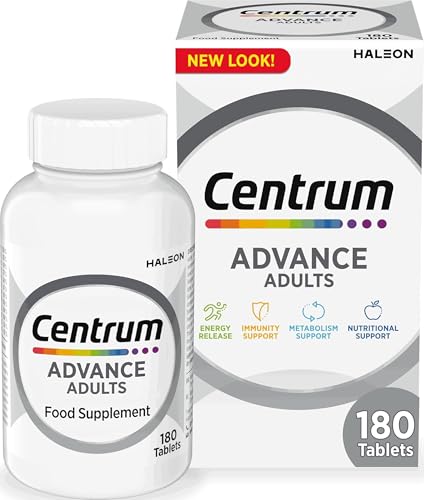
The best multivitamin UK buyers can get right now, compared on nutrient forms, dose and price, plus the best multivitamin for seniors and over 50s and the honest evidence on who benefits.
Best Exercise is a participant in the Amazon EU Associates Programme, an affiliate advertising programme designed to provide a means for sites to earn advertising fees by advertising and linking to Amazon.co.uk. As an Amazon Associate we earn from qualifying purchases. This comes at no extra cost to you and never influences our independent reviews or rankings.