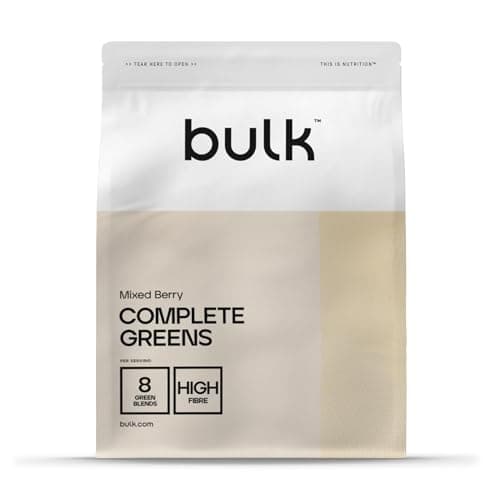
Nutrition
Best Greens Powder UK 2026: Super Greens and Vegetable Powders Compared
The best greens powders in the UK for 2026, from budget super greens to premium all-in-one vegetable powders, plus an honest look at whether they actually work.

By Declan Hallwood, Nutrition & Supplements Editor · Updated 6 October 2026
Nutrient density is a plain idea wearing an awkward name: it's how many useful nutrients a food gives you for the calories it costs. A nutrient dense food packs a lot of protein, fibre, vitamins and minerals into each mouthful without a pile of spare energy. For anyone who trains, that ratio does real work. You've got higher demands for protein, iron, magnesium and B vitamins, and you still want to recover, stay lean and feel decent day to day. Eating for nutrient density is how you cover those needs without simply eating more and more.
Picture two snacks with the same calories: a handful of sweets and a handful of almonds. Same energy, wildly different value. The sweets bring sugar and little else, while the almonds bring protein, fibre, magnesium, vitamin E and healthy fats. That gap is nutrient density in one bite.
Researchers have tried to pin it down with numbers. Nutrient profiling systems such as the Nutrient Rich Foods index rank foods by their beneficial nutrients, including protein, fibre, calcium, iron, potassium, magnesium and vitamins A, C and E, set against the nutrients most of us should limit, meaning saturated fat, added sugar and salt (Nutrient Rich Foods index study, 2026). A high score means a lot of good stuff per calorie.
One thing worth clearing up early: nutrient dense doesn't mean low calorie. Salmon, eggs and nuts are all calorie dense and nutrient dense at once. The point isn't to chase the fewest calories. It's to make the calories you do eat earn their keep.
Training raises the bill. Hard sessions chew through stored carbs, nudge up your protein needs for repair, and increase the minerals you lose through sweat, magnesium and sodium among them. Iron matters too, especially for women and for anyone doing a lot of running, because it feeds the red blood cells that carry oxygen. If your diet is mostly refined, low-nutrient food, you can hit your calorie target and still run short on the micronutrients that recovery and performance lean on.
Nutrient dense eating fixes that quietly. Build meals around whole foods and you tend to land enough protein, plenty of fibre and a broad sweep of vitamins and minerals without counting a thing. The NHS Eatwell Guide is a sensible starting point: lots of veg and fruit, wholegrain carbs, decent protein, some dairy or fortified alternatives, and not much of the sugary, salty, fatty stuff (NHS Eatwell Guide). None of this is a cure for anything, and it won't out-train a genuine medical problem, but it's the floor everything else gets built on.
None of these are exotic. Most sit in any supermarket, and most are cheap.
The method is boring, and it works. Start each meal with a protein anchor, whether that's eggs, fish, chicken, Greek yoghurt, tofu or beans. Fill half the plate with vegetables or salad. Add a smart carb such as oats, potatoes, wholegrain rice or lentils. Fat usually comes along for the ride from the fish, eggs, olive oil or nuts, so you rarely need to add much.
Around training, tweak the timing rather than the foods. A meal with protein and carbs a couple of hours before you lift or run gives you fuel to work with and something to repair with afterwards. Post-session, the same template does the job: Greek yoghurt with berries and oats, or eggs on wholegrain toast, beats any flashy recovery product. Hitting enough total protein across the whole day matters far more than any single shake.
A simple nutrient dense plate
Half the plate vegetables or salad. A quarter protein (a palm or two of fish, eggs, meat, tofu or beans). A quarter smart carbs (potatoes, oats, wholegrain rice or lentils). Add a thumb of healthy fat and a piece of fruit. Hit that most days and the vitamins, minerals, protein and fibre mostly sort themselves out.
Food first, always. A tub of powder can't copy the hundreds of compounds in a plate of real food, and most supplements do far less than the label suggests. A few earn their place, though.
Spend your money and attention on food and sleep before any of these. Supplements fill gaps; they don't build the house. For more on eating around training, browse our nutrition section.
It's how many useful nutrients a food gives you for the calories it costs. A nutrient dense food packs a lot of protein, fibre, vitamins and minerals into each mouthful without much spare energy. Nutrient profiling systems score foods this way, weighing the good stuff against the nutrients most of us should limit, such as saturated fat, added sugar and salt.
Oily fish, eggs, liver and other offal, leafy greens, legumes, berries, Greek yoghurt and nuts and seeds are among the best, and all of them are easy to find in a UK supermarket. Liver is often called the single most nutrient dense food, but a varied mix matters far more than any one hero ingredient.
No. Salmon, eggs and nuts are calorie dense and nutrient dense at the same time. Nutrient density is about the ratio of nutrients to calories, not the lowest possible calorie count. The aim is to make the calories you eat earn their place, not to eat as few as possible.
Mostly no, but a few supplements genuinely help. Protein powder is convenient for hitting a daily target, omega-3 makes sense if you rarely eat oily fish, and most UK adults fall short on vitamin D over the darker months. Everything else is usually better covered by food.
UK guidance is at least five portions of a variety of fruit and vegetables a day, making up around a third of what you eat. Vegetables and berries are the most nutrient dense choices, and frozen ones count just as much as fresh.
Liver is the usual answer. A small serving delivers several times an adult's daily vitamin A and B12 along with plenty of iron, folate and copper. That said, no one food covers everything, and balance across the week beats leaning on any single item.
The best greens powders in the UK for 2026, from budget super greens to premium all-in-one vegetable powders, plus an honest look at whether they actually work.
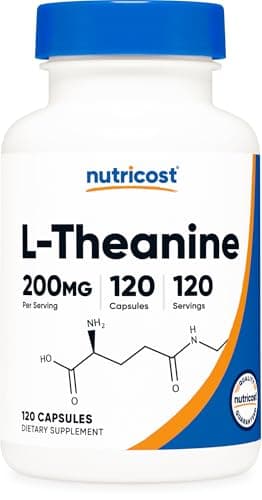
The best L-theanine supplement for UK buyers in 2026: five capsules ranked on dose and cost per day, what the research shows about sleep and caffeine, and the dose worth taking.
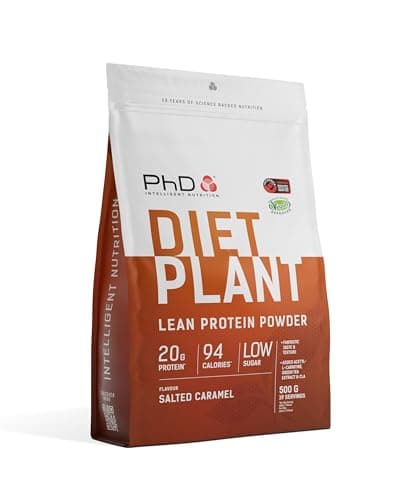
The best protein shakes for weight loss in the UK, and how to spot the healthiest protein powder for a diet: low-calorie, high-protein picks to curb hunger, plus how to use them.
Active calories vs total calories explained: what Apple Watch, Garmin, Fitbit and Whoop count, how accurate they are, and how many to eat back for weight loss.
Best Exercise is a participant in the Amazon EU Associates Programme, an affiliate advertising programme designed to provide a means for sites to earn advertising fees by advertising and linking to Amazon.co.uk. As an Amazon Associate we earn from qualifying purchases. This comes at no extra cost to you and never influences our independent reviews or rankings.