Nutrition
Pre-Workout Gummies: Do They Work and Are They Worth It?
Do pre-workout gummies work? What's in them, how the doses compare with a powder scoop or a coffee, how many to take, side effects and label checks.

By Declan Hallwood, Nutrition & Supplements Editor · Updated 12 November 2026
We may earn a commission from qualifying purchases made through links on this page, at no extra cost to you. This never affects our ratings.
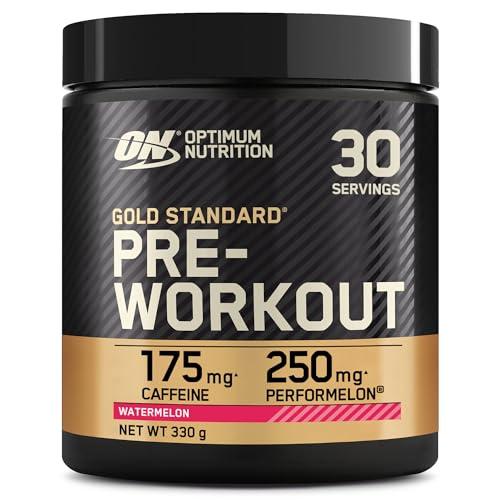
Optimum Nutrition Gold Standard Pre-Workout is a decent, honest pre-workout that's only half of a great one. The UK tub gives you 175mg of caffeine and 3g of Creapure creatine per scoop, both sensible amounts, at around £20.59 for 30 servings at the time of writing. The other headline ingredients are a different story: 1.5g of beta-alanine and 750mg of citrulline are far below what the research uses, and no amount of branding changes that.
So the short answer is yes, buy it, provided you want a moderate caffeine lift with your daily creatine built in and you'd rather pay 69p a serving than £1.50. If you're chasing a skin-splitting pump or a heavy stimulant hit, this isn't the tub.
How we review
We haven't tasted or trained on this product. This review is based on Optimum Nutrition's Amazon UK listing for the 330g tub (the per-serving doses below come straight from it), sibling listings for other flavours of the same product, and published position stands from the International Society of Sports Nutrition. Optimum Nutrition's own UK product page wouldn't load for us while writing, so we couldn't check the full label panel; where a detail such as the sweetener or exact vitamin amounts isn't confirmed, we say so instead of guessing.
One point matters before the numbers: the tub sold in the UK and EU isn't the same formula as the American one. Plenty of reviews online quote the US label, which is no use if you're ordering from Amazon UK. These are the per-serving amounts on the UK listing.
| Caffeine (from natural sources) | 175 mg |
|---|---|
| Creatine (as Creapure creatine monohydrate) | 3 g |
| Beta-alanine (as CarnoSyn) | 1.5 g |
| L-citrulline | 750 mg |
| N-acetyl-L-carnitine | 375 mg |
| N-acetyl-L-tyrosine | 250 mg |
| B vitamins | Included (B6 and B12 named; amounts not confirmed) |
| Tub size | 330 g, 30 servings |
| How to mix | 1 level scoop in 350 ml cold water |
| Banned substance testing | Informed Choice (per ON's listings) |
| Price | Around £20.59 at the time of writing |
| Cost per serving | About 69p |
Every dose is printed individually, with no proprietary blend hiding anything. That alone puts it ahead of a lot of rivals, because you can check each number against the evidence yourself. Which is what we'll do.
The ISSN position stand on caffeine concludes that caffeine consistently improves exercise performance at 3 to 6mg per kg of body mass, and that the minimum effective dose is unclear but may be as low as 2mg per kg. Run 175mg through that and you get 2.9mg per kg at 60kg, 2.5 at 70kg, 2.2 at 80kg and 1.8 at 95kg.
In plain terms, a lighter person lands right on the edge of the proven range, a typical 80kg gym-goer sits in the "probably works, less certain" zone, and anyone approaching 100kg is below even the lower figure. That's not a flaw so much as a design choice; 175mg is a dose most people tolerate without shaking hands or a racing pulse. But if you already drink three coffees a day, don't expect fireworks.
Three grams of Creapure is the real selling point. Creapure is the German-made creatine monohydrate with the strongest purity reputation, and 3g sits at the bottom of the 3 to 5g a day that keeps muscle stores topped up. Most pre-workouts either skip creatine or sprinkle in a gram for the label; our C4 review found about 1g of creatine nitrate per scoop, for comparison.
There's a catch, and it's how creatine works. It does nothing acutely. It builds up over weeks of daily intake, so a scoop three times a week on training days averages under 1.3g a day, which isn't enough. Either take this every day, or accept that you'll still want plain creatine monohydrate on the days you don't.
The ISSN's beta-alanine position stand puts the effective amount at 4 to 6g daily for at least two to four weeks, with the clearest benefit in hard efforts lasting one to four minutes. Gold Standard gives you 1.5g, and only on days you use it. Even daily, that's 38% of the lower bound.
You'll likely still feel the tingle, since the same paper notes paraesthesia as the one reported side effect and 1.5g in a single hit is enough to trigger it in many people. The tingle tells you beta-alanine is present. It doesn't tell you there's enough to raise muscle carnosine meaningfully.
This is the weakest line on the label. Pump-focused products and the studies behind them generally use 6 to 8g before training. At 750mg, Gold Standard supplies a small fraction of that, and we can't point to evidence that such a dose does anything you'd notice. If the pump matters to you, a separate citrulline supplement costs little and fixes the problem.
The 375mg of acetyl-L-carnitine and 250mg of N-acetyl-L-tyrosine are modest amounts, and we haven't seen convincing evidence that either improves a gym session at these doses, so we wouldn't credit them with much. They aren't a reason to buy, and they aren't a reason not to.
Check price on AmazonAt around £20.59 for 30 servings, each scoop costs roughly 69p. That is cheap for a pre-workout carrying branded Creapure and a third-party testing badge. You're paying a fair price for the two ingredients that work and getting the under-dosed ones thrown in.
Prices on this listing move around, and the other flavour listings we found on Amazon UK were priced between roughly £19 and £29 on the day we checked, so it's worth comparing them before you add one to the basket.
Optimum Nutrition's UK listings say the powder comes in five varieties. Those we could confirm as separate Amazon UK listings were Fruit Punch, Blue Raspberry, Green Apple and Watermelon; stock and price differ by flavour, and the selector on the product page shows what's available today.
We haven't tasted any of them, and we're not going to pretend otherwise or pass off a guess as owner consensus. Two practical things we can say. The directions call for 350ml of cold water per level scoop, which is a larger drink than many pre-workouts ask for and will taste weaker if you're used to a 200ml shot. And creatine monohydrate dissolves slowly in cold water, so with any creatine-containing powder a little sediment at the bottom of the shaker is normal: swirl and finish it. For flavour specifics, the recent reviews on the listing are a better guide than we are. We also couldn't confirm which sweetener the UK version uses, so check the label image if you avoid sucralose or acesulfame K.
It suits people in their first couple of years of training who want one tub instead of three, anyone who finds 300mg stim-heavy products make them anxious, and tested athletes who need a certified product. It's also a tidy choice for early-morning trainers who'd otherwise have a coffee and forget their creatine.
Skip it if you weigh 90kg or more and want caffeine in the proven range, if you already take 5g of creatine a day (you'd be paying for something you've covered), or if you train after about 5pm. Our guide to how long pre-workout lasts explains why a late-afternoon scoop can still be in your system at bedtime.
One scoop is within the limits EFSA sets out for caffeine: single doses up to 200mg and up to 400mg across a day are considered safe for healthy adults. The scoop isn't the risk; the total is. Add two mugs of coffee and a can of energy drink to 175mg and you're past 400mg before dinner.
If you're pregnant, the NHS advises keeping caffeine to no more than 200mg a day, and a single serving takes up nearly all of that; a caffeinated pre-workout is a poor fit. The same goes for under-18s and anyone with a heart condition or on medication that interacts with stimulants, who should speak to a GP or pharmacist first. Don't double-scoop, and don't dry scoop.
The UK tub lists 175mg of caffeine from natural sources per 11g serving. That's about 2.2mg per kg for an 80kg adult, a little under the 3 to 6mg per kg range that sports nutrition research backs most consistently, and inside the 200mg single dose that EFSA considers safe for healthy adults.
Yes. The UK listing states 3g of creatine as Creapure per serving, which other listings for the same product describe as 3.4g of creatine monohydrate. That sits at the bottom of the 3 to 5g daily range, so it only works as your creatine source if you take a scoop every day, rest days included.
Partly. The caffeine and creatine are reasonable, but 1.5g of beta-alanine is well short of the 4 to 6g a day used in the research, and 750mg of L-citrulline is roughly a tenth of the 6 to 8g usually taken for a pump. Treat those two as label decoration.
No. Optimum Nutrition sells different formulas in different regions, and US-label figures you see quoted online don't apply to the tub Amazon UK ships. Every dose in this review comes from the Amazon UK listing for the UK and EU product.
Two scoops gives you 350mg of caffeine in one go, which is above the 200mg single dose EFSA has assessed as safe and most of the 400mg daily limit. We wouldn't. If one scoop feels flat, a stronger product is a better answer than doubling this one.
Optimum Nutrition's Amazon UK listings describe it as Informed Choice banned substance tested. That lowers the risk of a contaminated batch, though no certification removes it entirely, so competitive athletes should still check the batch number against the Informed Choice database.
Do pre-workout gummies work? What's in them, how the doses compare with a powder scoop or a coffee, how many to take, side effects and label checks.
Are BCAAs worth it? For most people eating enough protein, no. Here's what the research shows, the few cases where they help, and what to buy instead.
Huel Powder vs Ready-to-drink compared side by side: calories, protein, fibre and sugar per meal, UK cost per 400kcal, storage, convenience and who should pick which.
The best multivitamin UK buyers can get right now, compared on nutrient forms, dose and price, plus the best multivitamin for seniors and over 50s and the honest evidence on who benefits.
Best Exercise is a participant in the Amazon EU Associates Programme, an affiliate advertising programme designed to provide a means for sites to earn advertising fees by advertising and linking to Amazon.co.uk. As an Amazon Associate we earn from qualifying purchases. This comes at no extra cost to you and never influences our independent reviews or rankings.