Best Zinc Supplement UK 2026: Doses That Stay Under the Limit
By Declan Hallwood, Nutrition & Supplements Editor · Updated 10 August 2026
We may earn a commission from qualifying purchases made through links on this page, at no extra cost to you. This never affects our ratings.
Zinc is one of the few supplements where the interesting question is not which brand to buy but how much to take. Walk down the supplement aisle on Amazon UK and you'll find 50mg tablets sold as "high strength" and "maximum potency", which sounds like value until you notice the NHS advice: do not take more than 25mg of zinc supplements a day unless a doctor has told you to. Go over that consistently and you start eating into your copper absorption, with anaemia and weaker bones as the eventual price.
So this guide is organised around dose first and brand second. Every product below either sits at or under that 25mg line, or has a specific reason to be here. Zinc genuinely matters for immune function, and the review literature on its role in regulating both innate and adaptive immune cells is substantial. That case is for adequacy, though, not for megadosing.
How we chose
We researched the best-selling and best-rated zinc supplements on Amazon UK rather than testing them ourselves, since a zinc tablet is not something you can meaningfully test by feel. We prioritised the elemental zinc dose per tablet, the form of zinc used, whether copper was included, and cost per day. Prices and formulations change, so check the current label before you buy.
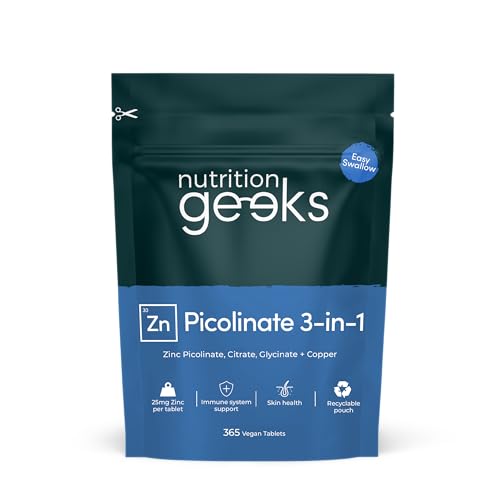
1. Nutrition Geeks Zinc 25mg with Copper: Best Overall
This is the one we'd point most people towards, because it gets the two things right that most zinc products get wrong. The dose is 25mg of elemental zinc, sitting exactly on the NHS ceiling rather than sailing past it, and copper glycinate is built into the formula so long-term daily use doesn't quietly deplete your copper. The zinc itself is a blend of picolinate, bisglycinate and citrate, which is more about covering bases than any dramatic absorption advantage, but none of those are the poorly absorbed oxide form.
You get 365 tablets, so a year at one a day for around a tenner. They're easy to swallow, vegan and gluten free, and the flat-pack letterbox packaging is a small practical win if you're out during deliveries. The honest criticism is that a triple-form blend is partly a marketing exercise, and the packaging leans hard on wellness language. The formulation underneath it is sound.
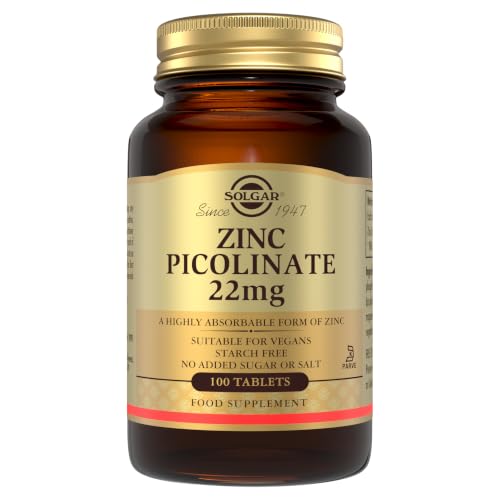
2. Solgar Zinc Picolinate 22mg: Best Premium Brand
Solgar has been making supplements since 1947 and has the kind of quality-control reputation that justifies paying more per tablet. This is straight zinc picolinate at 22mg, a chelated form that absorbs well and tends not to upset an empty stomach the way cheaper zinc oxide products do. The tablets are vegan and come in Solgar's amber glass bottles, which protect the contents better than plastic and are fully recyclable.
The catch is the maths. You get 100 tablets rather than 365, so the cost per day is roughly three times the bulk options here. There's also no copper in the formula, so pair it with a multivitamin if you're planning on months of daily use. If you want a short, high-confidence course from a brand with a long track record, this is the pick.
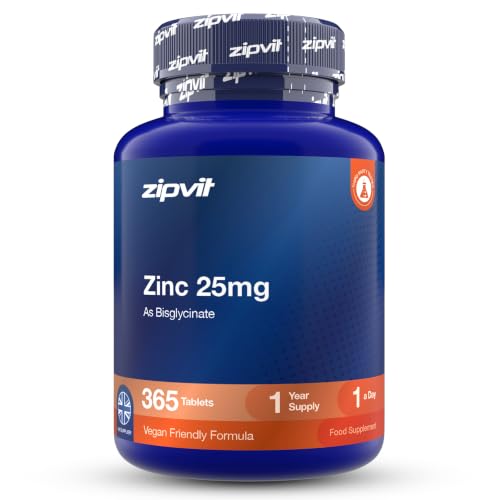
3. Zipvit Zinc Bisglycinate 25mg: Best Value Year Supply
Zipvit does something refreshing on this listing: it states plainly that 25mg is the safe daily limit recommended by the NHS and explains why higher doses can cause problems. Given how many competitors sell 50mg while implying more is better, that's worth rewarding. The zinc is bisglycinate, the gentlest of the common forms, and there's a full year's supply in the pack for around £10.
It's made in a GMP-certified facility and free of the main allergens, which matters if you're managing a restricted diet. What you don't get is copper, so this is best suited to someone taking a multivitamin alongside, or running a few months rather than a few years. As a plain, correctly dosed, well-priced zinc tablet, it's hard to beat.
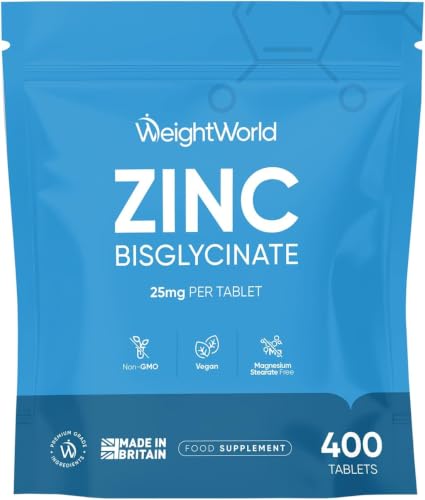
4. WeightWorld Zinc Bisglycinate 25mg: Best for Sensitive Stomachs
Zinc on an empty stomach makes a lot of people feel queasy, and bisglycinate is the form least likely to do it. WeightWorld's version delivers 25mg per tablet in genuinely tiny 8mm tablets, which helps if swallowing capsules is a struggle, and the pouch packaging travels better than a glass bottle. There are 400 tablets in a pack, so it lasts well over a year at one a day.
One thing needs flagging clearly. The label suggests taking two tablets daily for 50mg of zinc bisglycinate, which is double the NHS limit for ongoing use. Take one. At one a day this is a good, gentle, cheap zinc supplement, and the pack simply lasts twice as long as the brand intended.
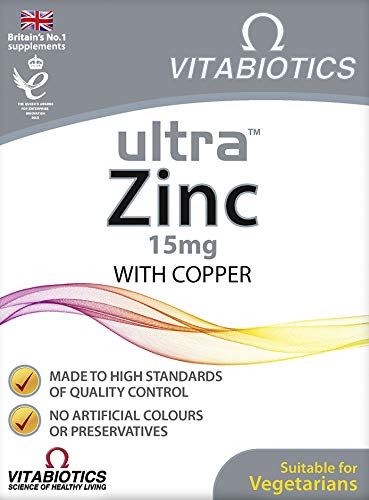
Not everyone needs 25mg. If you eat meat, shellfish or dairy regularly, your diet is probably already covering the 9.5mg reference intake for men or 7mg for women, and a top-up is all you're after. Vitabiotics Ultra Zinc provides 15mg balanced with 1mg of copper, which is a sensible pairing and a sensible amount for general immune and skin support rather than correcting a shortfall.
Vitabiotics is a British brand you'll recognise from every Boots shelf in the country, and this is the cheapest entry point here at a few pounds for 60 tablets. The downside is quantity: two months per pack means reordering often, and the cost per day works out higher than the bulk options once you're buying repeatedly. For a cautious daily dose with copper already in the mix, it does the job neatly.
Best overall:Nutrition Geeks Zinc 25mg with Copper hits the NHS ceiling exactly, includes copper for long-term use, and costs about a year's worth of tea money.
Best premium brand:Solgar Zinc Picolinate 22mg for anyone who wants a heritage brand and a well-absorbed chelated form, provided you accept the price per tablet.
Best low dose:Vitabiotics Ultra Zinc at 15mg with copper, for topping up rather than loading up.
One last point on stacking. Zinc turns up in multivitamins, greens powders, immune blends and a lot of pre-workouts, and the doses add up fast without anyone noticing. Add your labels together before you decide you need a separate tablet at all. Our guides to the best multivitamin UK and the best greens powder UK list what's already in the popular products.
If you're taking zinc for training rather than general health, it's worth being clear that it isn't a performance supplement. Creatine has far better evidence behind it, and our best creatine UK guide covers that ground properly.
The NHS advises not taking more than 25mg of zinc in supplements per day unless a doctor tells you otherwise. The reference nutrient intake is far lower again, at 9.5mg for adult men and 7mg for adult women, and most people in the UK already get that from food. A 25mg tablet is a sensible ceiling rather than a target.
Which form of zinc is best absorbed?
Zinc picolinate and zinc bisglycinate are the two chelated forms most often preferred, and both are gentler on an empty stomach than zinc oxide, which is the cheapest and least well absorbed form. Zinc citrate sits somewhere in between. Any of the chelated forms will do the job, so buy on dose and price rather than agonising over the label.
Do I need copper with zinc?
If you take zinc daily for months, yes, it is worth having copper in the formula or in your multivitamin. Zinc and copper compete for absorption, and sustained high zinc intake reduces how much copper your body takes up, which the NHS links to anaemia and weakened bones. A short course for a cold does not need it.
Should I take zinc with food?
Take it with a meal if it makes you feel sick, which is common on an empty stomach. The trade-off is that phytates in wholegrains and pulses bind zinc and reduce absorption a little. A light meal or a snack is the practical compromise, and consistency matters more than timing.
Does zinc boost testosterone?
Correcting a genuine zinc deficiency can improve testosterone levels, because zinc is involved in the synthesis pathway. Taking extra zinc when you are not deficient does not push testosterone higher, and the high-dose products marketed on that promise are the ones most likely to cause copper problems. Treat it as insurance against a shortfall, not a booster.
Is 50mg of zinc a day too much?
For ongoing daily use, yes. It is double the NHS ceiling for supplements, and several popular UK products are sold at that dose. If you already own one, taking it every other day keeps your average intake sensible. Short high-dose courses at the onset of a cold are a separate question and one to raise with a pharmacist.
How much water should you drink with creatine? The honest answer: mix each 3 to 5g dose in 250 to 350ml, then drink to normal needs. Loading, cramps and dehydration myths explained.
Creatine gummies vs powder, with real UK prices per 5g dose. Gummies cost 4 to 10 times more and some fail lab tests. Here's when each one actually makes sense.
What nutrient dense foods are, why they matter if you train, and a UK shopping list of the best ones, from oily fish and eggs to lentils and Greek yoghurt.
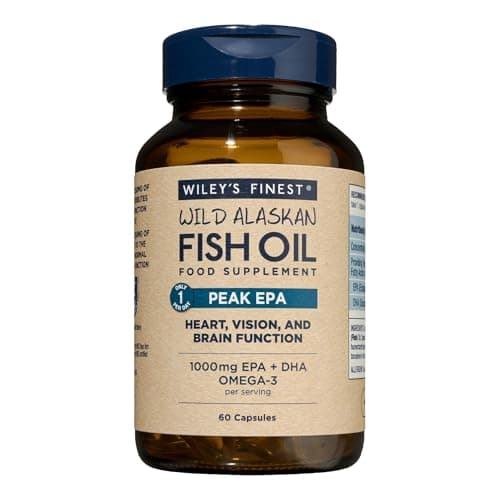
An honest Wiley's Finest Peak EPA review covering its 750mg EPA, 250mg DHA, the ethyl ester oil form, sustainable Wild Alaskan Pollock source, dosing, value and who should buy it.
Best Exercise is a participant in the Amazon EU Associates Programme, an affiliate advertising programme designed to provide a means for sites to earn advertising fees by advertising and linking to Amazon.co.uk. As an Amazon Associate we earn from qualifying purchases. This comes at no extra cost to you and never influences our independent reviews or rankings.