Best Energy Gels UK 2026: Tested Picks for Running and Cycling
By Paul Kendrick, Cardio & Endurance Editor · Updated 11 August 2026
We may earn a commission from qualifying purchases made through links on this page, at no extra cost to you. This never affects our ratings.
Energy gels are the least glamorous piece of kit in endurance sport and the one most likely to ruin a race. Get the timing and the carbohydrate load right and you will run the last 10k of a marathon feeling like the same athlete who started it. Get it wrong and you spend twenty minutes hunting for a portaloo while your split times fall apart.
The good news is that the science here is settled enough to buy on. For efforts of one to three hours, research puts the useful range at 30g to 60g of carbohydrate per hour, rising towards 60g to 90g an hour for anything longer than three hours when the gel uses more than one type of sugar. That last detail is the whole reason modern gels blend glucose with fructose: glucose transport saturates at roughly 60g an hour, and fructose sneaks in through a different door.
How we chose
We are a review site, not a lab, so this guide is built from published carbohydrate research, manufacturer nutrition panels and the consistent themes in verified owner reviews rather than our own instrumented testing. Every gel below was in stock on Amazon UK when we wrote this, and we have flagged the stomach and price trade-offs honestly. Check prices before buying, because sports nutrition moves fast on promotions.
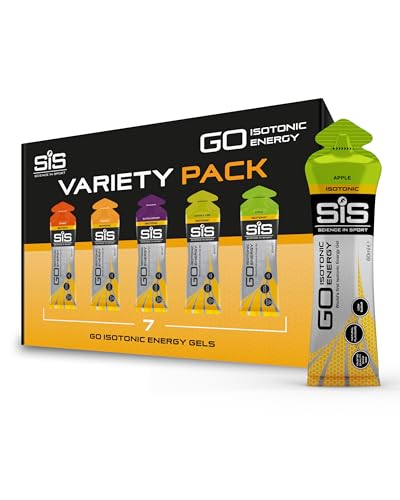
1. Science in Sport GO Isotonic Energy Gel: Best Overall
SiS built its reputation on one idea, which is that a gel already mixed to isotonic concentration does not need washing down with water. It works. The 60ml sachet delivers 22g of carbohydrate and goes down like a thin syrup rather than the tar most gels resemble, so you can take one between drinks stations without doing the sticky-mouth shuffle for the next mile.
The trade-off is bulk. A 60ml sachet is noticeably bigger and heavier than a 40g concentrated gel, so carrying six of them for a marathon means finding somewhere to put them. Carb density is also on the low side at 22g, so runners aiming at the upper end of the fuelling range will need more sachets than they would with a 30g gel. For most club runners and first time marathoners, the reliability is worth more than the gram counting.
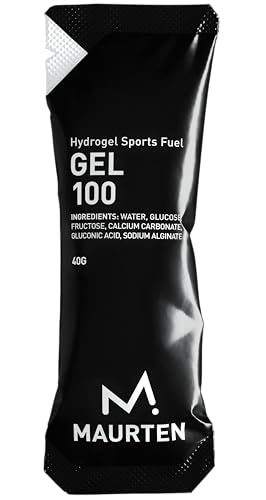
Maurten is the gel you see littering the road at elite marathons, and the price reflects that reputation. Each 40g sachet carries 25g of carbohydrate in a hydrogel that sets into a jelly-like texture, the idea being that encapsulating the sugars lets the gel pass through the stomach with minimal irritation before releasing them further down. Runners who cannot tolerate anything else often get on with these.
It is expensive at roughly £34 for twelve, and the texture divides people completely. Some describe it as flavourless and easy, others cannot get past chewing something with the consistency of a jellyfish while running at threshold. There is also no caffeine in the standard Gel 100, so a separate product is needed if you want that. Try one on a long run well before you commit to a race day plan built around them.
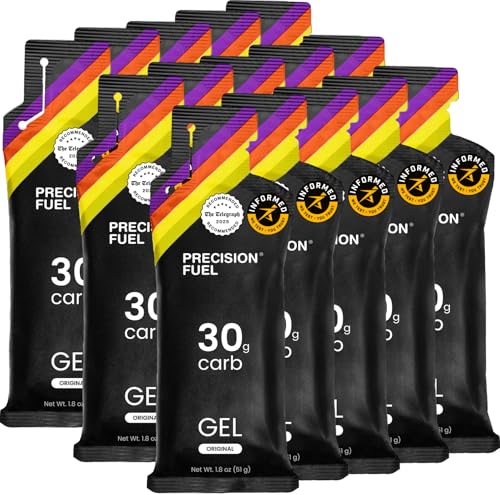
Precision Fuel came out of the Precision Hydration lab in Hampshire, and the PF30 is built for the modern high carb approach: 30g of carbohydrate in one small sachet, deliberately mild and neutral in flavour so that taking four or five over a long ride does not make you gag on sweetness. Two of these an hour puts you at 60g without much effort or bulk.
Neutral flavour is exactly what some people want and exactly what others find grim, so opinions split sharply. It is also a premium price at close to £35 for fifteen, and 30g in a small volume means you should be drinking properly alongside it. For ultra distance, long sportives and anyone who has trained their gut to handle high intakes, this is the most efficient way to carry fuel here.
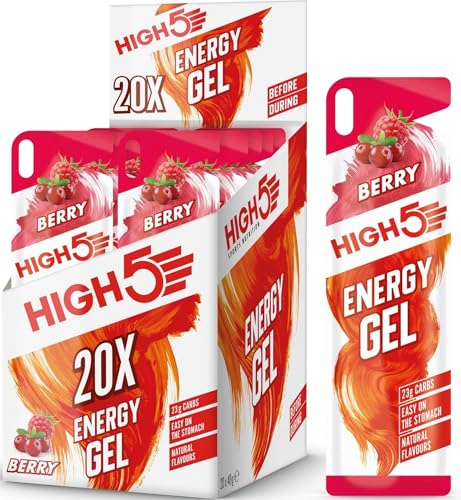
HIGH5 has been fuelling British sportives and marathons since the 1990s, and the 20 pack is how you fuel a whole training block without wincing at the receipt. Each 40g sachet gives 23g of carbohydrate from natural fruit juice, with no caffeine in the standard version and a genuinely pleasant berry flavour that does not taste synthetic.
At around £16 for twenty, the price per gel is roughly a third of what Maurten asks. The gel is concentrated rather than isotonic, so you do need water with it, and the sachets can be fiddly to tear open with cold or sweaty hands. Neither of those is a reason to pay four times more for training fuel.
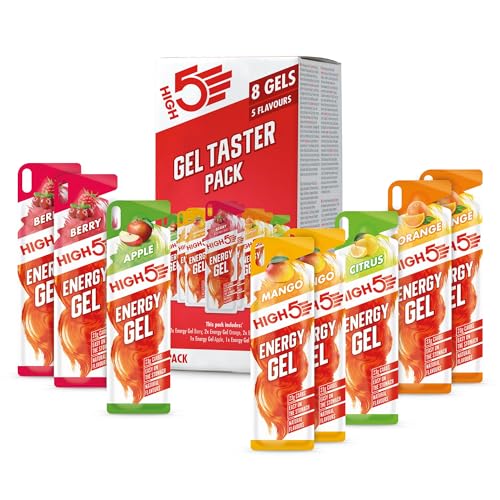
5. HIGH5 Energy Gel, 8 pack assorted: Best Starter Pack
Before you buy twenty of anything, find out whether your stomach agrees with it. The assorted 8 pack costs under a tenner and gives you several flavours to test across a few long runs, which is the sensible way to work out what you can tolerate at race pace rather than sitting on the sofa.
Per gel it is worse value than the 20 pack, and the mixed flavours mean you will end up with one you actively dislike. That is the point of a trial pack. Use it as a screening exercise, then buy the flavour that worked in bulk.
Those upper numbers only work if you have practised them. Pushing 90g an hour into an untrained gut is a reliable way to end a race early, and the sensible progression is to add roughly 10g an hour every few weeks during long training sessions until your stomach stops complaining.
Stomach trouble, and how to avoid it
Gastrointestinal symptoms are the single most common reason runners abandon a fuelling plan, and the causes are boringly predictable. A review of exercise related gut complaints found that multiple transportable carbohydrates such as glucose and fructose tend to produce fewer symptoms than single carbohydrate solutions at the same intake, largely because absorption is spread across two transport routes rather than backing up in the intestine.
Practical rules that work:
Take water with any concentrated gel, roughly 100ml to 200ml. Isotonic gels are the exception.
Never trial a new gel on race day, not even a new flavour of one you already use.
Spread the intake. Two half gels twenty minutes apart sits better than one large hit.
Watch the total. Sports drink plus gels plus chews adds up faster than people expect, and doubling up on fuel sources is a classic marathon mistake.
If you are also losing a lot of salt on hot days, gels alone will not cover it. Pair them with proper hydration from our best electrolytes UK guide, and see our SiS GO Electrolyte review for the drink version of the same idea.
Caffeine gels, briefly
Caffeinated versions usually add 75mg to 100mg per sachet, which is roughly a strong coffee. The effect on perceived effort late in a long event is real, and the sensible pattern is to save them for the back half of a race rather than starting on them. Anyone sensitive to caffeine, or racing in the evening, should think carefully before adding more than one or two.
Which one to buy
If you are running your first half or full marathon, buy the SiS GO Isotonic gels and stop thinking about it. If you have a stomach that rebels at everything, spend the money on Maurten. If you are training six or seven hours a week and getting through gels like sweets, the HIGH5 20 pack is the only sane choice on cost. Track what you take and when using a running watch or a heart rate monitor, because a fuelling plan you can repeat is worth more than a perfect one you invent on the day.
How many energy gels should I take during a marathon?
Most runners need 30g to 60g of carbohydrate per hour, which is one to two standard gels an hour depending on the brand. For a four hour marathon that is roughly five to eight gels. Take the first around 45 minutes in, before you feel like you need it, then keep to a fixed schedule rather than waiting for hunger.
Do you need water with energy gels?
With most gels, yes. Concentrated gels need water to dilute them in your stomach, and skipping it is the fastest route to nausea. Isotonic gels like the SiS GO range are already mixed to the right concentration, which is why they come in a bigger 60ml sachet and can be taken without a drink.
When should I take an energy gel?
Start fuelling before you feel flat, roughly 30 to 45 minutes into hard effort, then repeat every 20 to 45 minutes. Your body absorbs carbohydrate at a limited rate, so little and often beats one large hit. For anything under an hour you almost certainly do not need a gel at all.
Why do energy gels upset my stomach?
Usually because of concentration, volume or an unfamiliar carbohydrate blend. Too much carbohydrate arriving at once sits in the gut and draws water in, which causes cramping and nausea. Gels using both glucose and fructose are absorbed through two separate transporters and tend to cause fewer symptoms than glucose-only formulas at high intakes.
Are energy gels worth it for a 10k?
Rarely. You have enough stored muscle glycogen for roughly 60 to 90 minutes of hard running, so a 10k is over before fuel becomes the limiting factor. Save the money and the stomach risk for half marathon distance and longer, or for back to back training sessions.
What is the difference between caffeine and non caffeine gels?
Caffeinated gels typically add 75mg to 100mg per sachet, roughly a strong espresso, which sharpens perceived effort late in a race. Use them in the second half rather than the start, keep your total intake sensible across an event, and never trial one for the first time on race day.
How much water should you drink with creatine? The honest answer: mix each 3 to 5g dose in 250 to 350ml, then drink to normal needs. Loading, cramps and dehydration myths explained.
Creatine gummies vs powder, with real UK prices per 5g dose. Gummies cost 4 to 10 times more and some fail lab tests. Here's when each one actually makes sense.
What nutrient dense foods are, why they matter if you train, and a UK shopping list of the best ones, from oily fish and eggs to lentils and Greek yoghurt.
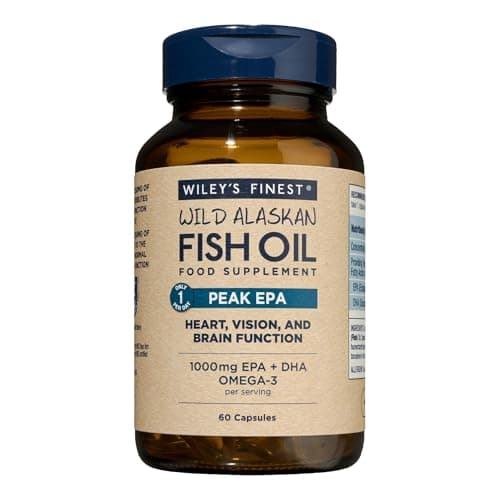
An honest Wiley's Finest Peak EPA review covering its 750mg EPA, 250mg DHA, the ethyl ester oil form, sustainable Wild Alaskan Pollock source, dosing, value and who should buy it.
Best Exercise is a participant in the Amazon EU Associates Programme, an affiliate advertising programme designed to provide a means for sites to earn advertising fees by advertising and linking to Amazon.co.uk. As an Amazon Associate we earn from qualifying purchases. This comes at no extra cost to you and never influences our independent reviews or rankings.