Nutrition
Best Greens Powder UK 2026: Super Greens and Vegetable Powders Compared
The best greens powders in the UK for 2026, from budget super greens to premium all-in-one vegetable powders, plus an honest look at whether they actually work.

By Declan Hallwood, Nutrition & Supplements Editor · Updated 5 August 2026
We may earn a commission from qualifying purchases made through links on this page, at no extra cost to you. This never affects our ratings.
Britain sits far enough north that between roughly October and March the sun never gets high enough for your skin to make vitamin D at all. That's the whole reason the NHS recommends everyone consider a daily supplement through autumn and winter, and why vitamin D is the one supplement with genuine population-level backing in this country rather than marketing behind it.
The choosing part is simpler than the shelves suggest. You want D3 rather than D2, a dose somewhere between 1000 IU and 4000 IU, and a format you'll actually take every day. Everything else is packaging. Here are six that do the job, with what each one is genuinely best for.
How we chose
We researched the best selling vitamin D supplements on Amazon UK rather than testing them ourselves, since a supplement's effect is invisible without a blood test. Selection came down to the form of vitamin D used, the dose per serving relative to NHS guidance, cost per day, additives, and the pattern of verified owner reviews. Prices are correct at the time of writing and change often. Vitamin D interacts with a few medications, so check with your GP or pharmacist if you take anything regularly.
The Scientific Advisory Committee on Nutrition set the UK reference nutrient intake at 10 micrograms a day, year round, for everyone aged 4 and over. That's 400 IU, and it's a floor rather than a target.
At the other end, the NHS puts the safe upper limit for adults at 100 micrograms, which converts to exactly 4000 IU. Every high strength product below lands on that number, which is not a coincidence. Take one of those and you're at the ceiling, so don't stack it with a multivitamin that also contains D. Our best multivitamin guide, which also covers what over 50s and seniors should look for, lists the vitamin D in each pick so you can do the sum.
On the D3 versus D2 question, a meta-analysis in the American Journal of Clinical Nutrition found D3 raises blood levels more effectively than D2, with the clearest advantage for large intermittent doses and a narrower gap for daily dosing. Buy D3 anyway; it costs the same.
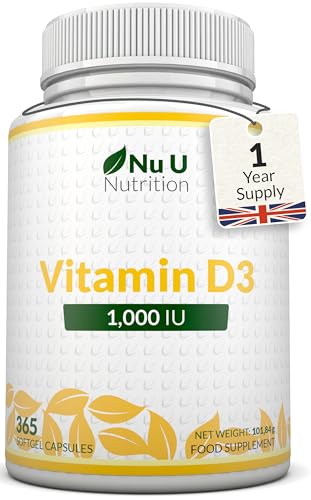
A year's supply of 1000 IU softgels for under seven pounds, which works out at less than two pence a day. The dose is the sensible one for most adults: two and a half times the NHS reference intake, nowhere near the upper limit, and small enough that you can take it alongside a multivitamin without doing sums.
Softgels suspend the D3 in oil, which helps with absorption and makes them easy to swallow compared with the chalky tablets some brands sell. The bottle is a full 365 count, so you buy it once a year and stop thinking about it. Nu U is a UK company and the product is manufactured here.
The catch is that 1000 IU won't satisfy anyone who has been told by a GP to correct a genuine deficiency, where higher doses are usually prescribed. The softgels also contain gelatin, so vegans need the Omvits option further down.
Check price on Amazon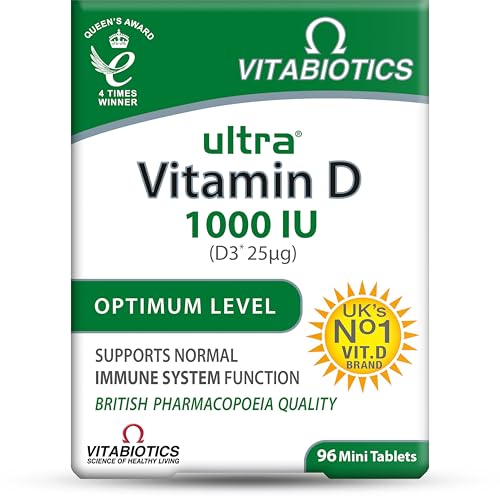
Vitabiotics is the closest thing British supplements have to a household name, and the Ultra Vitamin D tablets are the cheapest way into a recognisable brand. At around four pounds they undercut almost everything, and the tablets are small, vegetarian and easy to take.
You get a shorter supply than the year-long bottles, so the price per tablet is not quite as good as the headline suggests. Work out the cost per day before you assume it's the bargain. What you're paying for is a company with decades of UK manufacturing behind it and quality control most cheap white-label brands can't claim.
Worth grabbing if you want to try a daily habit before committing to a 365 tablet bottle, or if you prefer a tablet you can split.
Check price on Amazon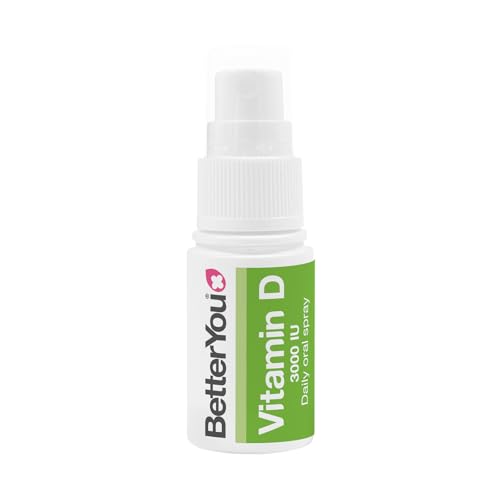
BetterYou built its business on this format, and the logic behind it is sound: spray the D3 onto the inside of your cheek and it absorbs through the mucous membrane rather than passing through your stomach and gut. For anyone with coeliac disease, Crohn's, a history of bariatric surgery, or simply a lifelong hatred of swallowing pills, that matters.
Each spray delivers 3000 IU, which is a solid winter dose, and one 15ml bottle covers roughly 100 doses. It tastes faintly of peppermint. It's also the most expensive way to take vitamin D on this page by cost per dose, by a wide margin.
Is spray absorption genuinely better than a tablet taken with food? For most healthy people with a working gut, the practical difference is small. For the people listed above, it's the reason to buy. Buy it for the convenience and the absorption route, not because a tablet won't work.
Check price on Amazon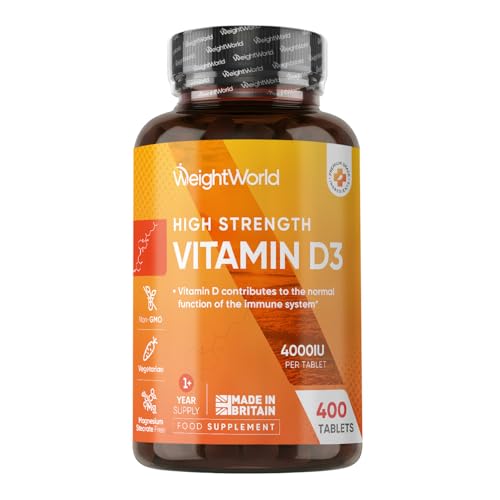
Four hundred tablets at the maximum sensible daily dose, for under a tenner. If you've been told your levels are low, if you're dark skinned and living in northern Britain, or if you genuinely never see daylight between November and February, this is the strength that makes sense.
The tablets are small and easy to swallow, which is not a given at this dose. WeightWorld manufactures in the UK and the supply lasts well over a year at one a day.
Two honest caveats. At 4000 IU you're at the NHS upper limit, so this is a supplement to take on its own rather than alongside a multivitamin, a cod liver oil capsule and a fortified shake. And unless you have a reason to think you're deficient, more is not better; there's no evidence that pushing blood levels higher than normal does anything useful.
Check price on Amazon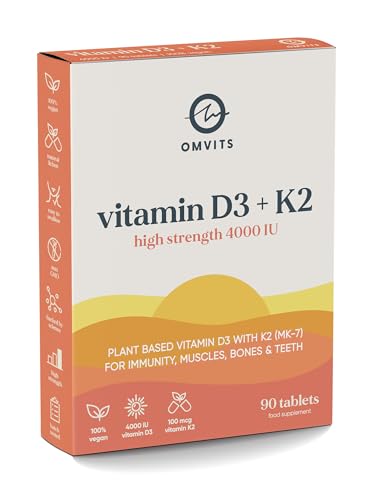
Standard D3 comes from lanolin, the grease in sheep's wool, which rules it out for vegans. Omvits sources its D3 from lichen instead, and the resulting molecule is identical to the animal-derived version, so nothing is lost in the swap. The 100mcg of K2 as MK-7 alongside it is the form with the longest half-life in blood.
Ninety tablets gives you three months, and the whole thing is lanolin free, gelatin free and made in the UK. We've reviewed Omvits vegan omega 3 separately and found the same pattern: a small British brand doing plant-sourced versions of the standard supplements without much fuss.
Price per day is higher than the mass-market tablets, which is the usual vegan premium. If you take warfarin, the K2 content makes this one to discuss with your GP first.
Check price on Amazon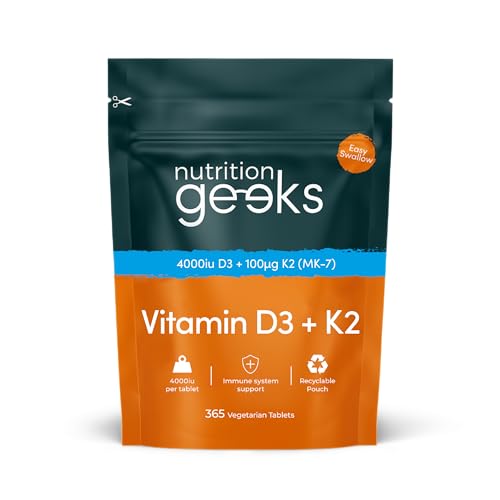
A full year of D3 and K2 in one tablet for ten pounds, which is the cheapest way to get both. The 4000 IU and 100mcg pairing matches what most combination products use, and the tablets are coated and easy to swallow.
The reasoning behind combining them: vitamin D increases calcium absorption, and K2 activates the proteins that steer that calcium into bone. It's a plausible mechanism with a reasonable evidence base for bone health, though considerably less certain than the case for taking vitamin D by itself. Treat K2 as a sensible extra rather than the main event.
Same warning as above about the 4000 IU ceiling and about vitamin K antagonists. For everyone else, this is the best value combination product on Amazon UK right now.
Check price on AmazonSoftgels suspend D3 in oil and go down easily, which is why they suit most people. Plain tablets cost less and take up less space in a cupboard, though the cheapest ones can be chalky. Sprays cost the most per dose and earn it only if swallowing pills is a genuine problem or your gut absorbs poorly.
Whichever you pick, take it with a meal that contains some fat. Vitamin D is fat soluble, and a capsule swallowed with black coffee at 6am is doing less for you than the same capsule taken with breakfast.
If you're building out a supplement shelf around your training, our guides to the best magnesium supplements and the best omega 3 cover the two other things worth taking year round for most people. The rest of our nutrition section has protein, creatine and everything else.
The NHS says adults and children over 1 need 10 micrograms (400 IU) a day, and recommends everyone considers a daily supplement during autumn and winter because UK sunlight is too weak between about October and March to make enough. Most supplements on sale here provide 1000 IU or 4000 IU, comfortably above the minimum.
It is the ceiling rather than a problem. The NHS advises adults not to exceed 100 micrograms (4000 IU) a day, so a 4000 IU tablet sits exactly at that upper limit. That is fine on its own, but check the label of any multivitamin, cod liver oil or fortified protein you also take so you are not doubling up.
For raising blood levels, yes. A meta-analysis in the American Journal of Clinical Nutrition found vitamin D3 raises serum 25-hydroxyvitamin D more effectively than D2, with the biggest gap seen for large intermittent doses. Nearly every supplement in this guide uses D3.
It helps. Vitamin D is fat soluble, so taking it with a meal containing some fat improves absorption compared with taking it on an empty stomach. Oral sprays sidestep the issue by absorbing through the lining of the mouth, which is why they suit people with gut absorption problems or those who have had bariatric surgery.
Vitamin D increases how much calcium you absorb, and K2 is involved in directing that calcium into bone rather than soft tissue. The pairing is popular and reasonable, though the evidence for adding K2 is thinner than the evidence for taking D itself. If you take warfarin or another vitamin K antagonist, speak to your GP before using a D3 and K2 product.
Most D3 is made from lanolin in sheep's wool. Vegan D3 is made from lichen instead, and it is chemically the same molecule, so it works the same way. Vegan D2 from mushrooms or yeast is the weaker option of the two.
Probably more than someone who works outdoors. Vitamin D matters for normal muscle function and bone maintenance, and UK winters give almost nobody enough. A 1000 IU tablet through autumn and winter is cheap insurance for anyone training hard indoors.
The best greens powders in the UK for 2026, from budget super greens to premium all-in-one vegetable powders, plus an honest look at whether they actually work.
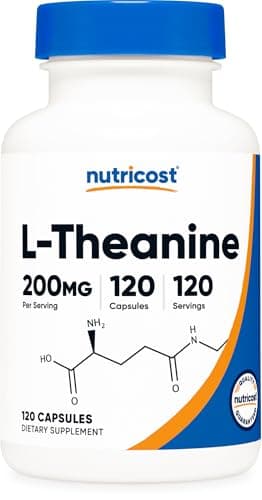
The best L-theanine supplement for UK buyers in 2026: five capsules ranked on dose and cost per day, what the research shows about sleep and caffeine, and the dose worth taking.
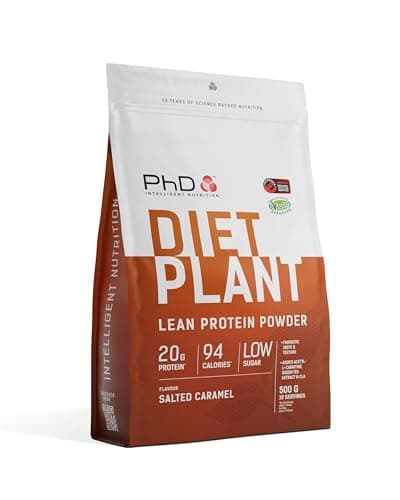
The best protein shakes for weight loss in the UK, and how to spot the healthiest protein powder for a diet: low-calorie, high-protein picks to curb hunger, plus how to use them.
Active calories vs total calories explained: what Apple Watch, Garmin, Fitbit and Whoop count, how accurate they are, and how many to eat back for weight loss.
Best Exercise is a participant in the Amazon EU Associates Programme, an affiliate advertising programme designed to provide a means for sites to earn advertising fees by advertising and linking to Amazon.co.uk. As an Amazon Associate we earn from qualifying purchases. This comes at no extra cost to you and never influences our independent reviews or rankings.