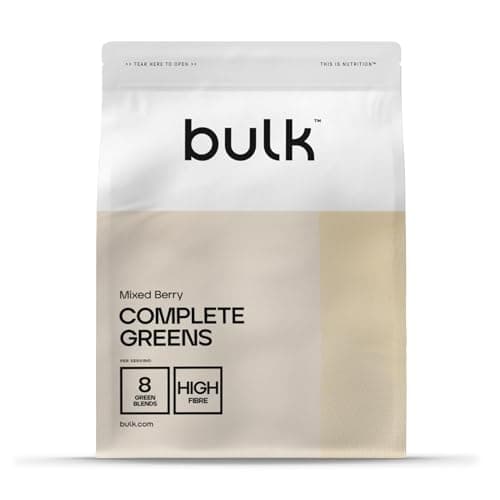
Nutrition
Best Greens Powder UK 2026: Super Greens and Vegetable Powders Compared
The best greens powders in the UK for 2026, from budget super greens to premium all-in-one vegetable powders, plus an honest look at whether they actually work.

By Declan Hallwood, Nutrition & Supplements Editor · Updated 7 October 2026
Powder is better for almost everyone. Creatine monohydrate powder costs about 10p for a 5g dose in the UK, gummies cost between roughly 43p and £1.05 for the same 5g, and powder doesn't share the gummy format's habit of losing its creatine on the shelf. Gummies only make sense if you know you won't take powder and you're willing to pay four to ten times more for a brand that publishes independent testing.
The creatine itself isn't the debate here. Monohydrate is one of the most studied supplements in sport, and the International Society of Sports Nutrition position stand is clear that it improves high intensity performance and training adaptations. What changes between a gummy and a scoop is the price, the reliability of the dose, what else comes along with it, and how easy it is to take every day. We compared each of those using live Amazon UK prices and manufacturer labels, not lab work of our own.
| Creatine powder | Creatine gummies | |
|---|---|---|
| Cost per 5g dose | 10p to 13p | 43p to £1.05 |
| Dose certainty | High: creatine is stable as a dry powder | Variable: half of brands in one test missed their label claim |
| Sugar | None (unflavoured) | Often 1g+ per gummy, or sweeteners/sugar alcohols |
| Units per 5g | One scoop | Usually 4 to 5 gummies |
| Absorption | The form used in most research | No evidence of any advantage |
| Convenience | Needs a drink to mix into | Chew and go |
| Vegan | Monohydrate is synthetic, so yes | Depends: many use gelatin |
We pulled current prices for two popular gummies and two best-selling 500g monohydrate tubs on Amazon UK on 7 October 2026, then worked out the cost of an actual 5g of creatine rather than the "serving" each brand chooses to print. Prices move, but the gap is so wide that a sale on gummies won't close it.
| Product | Price | Creatine in pack | Cost per 5g |
|---|---|---|---|
| Myprotein Impact Creatine Monohydrate, 500g | £10.35 | 500g | about 10p |
| Bulk Creatine Monohydrate, 500g | £12.99 | 500g | about 13p |
| Hortela Creatine Gummies, 120 gummies (4 = 5g) | £12.99 | 150g | about 43p |
| Myprotein Creatine Gummies, 90 gummies (3 = 3g) | £18.94 | 90g | about £1.05 |
The Myprotein comparison is the fairest one, because it's the same brand selling the same molecule in two formats. Its 500g powder tub gives you 100 doses of 5g. Its 90-gummy tub, sold as a one-month supply, holds 90g of creatine in total; that's 30 days at 3g, or just 18 days if you take the 5g most people aim for. Per gram, the gummies cost about ten times more.
Scale that across a year of daily 5g doses and the tub of powder costs you around £38. The cheaper Hortela gummies come to roughly £158, and the Myprotein gummies to about £384. You could buy a decent adjustable bench with the difference.
Check the serving, not the headline number
A tub that shouts "5000mg" on the front almost always means 5000mg per serving of four or five gummies. One gummy typically holds 1g to 1.25g. Divide the total creatine in the tub by your daily dose to see how long it really lasts, because "one month supply" on a gummy tub can quietly assume 3g a day.
Creatine is stable as a dry powder and unstable in water. That's not a brand claim; the ISSN position stand explains that creatine slowly converts to creatinine in solution, faster as pH drops and temperature rises, and that this is the main reason creatine is sold in solid form. A gummy is a moist, often acidified sweet, which is close to the worst storage environment you could design for creatine.
The testing bears that out. In 2024 NOW Foods commissioned HPLC analysis of 12 creatine gummy brands sold in the US, and 6 of the 12 failed to meet their label claim, with several of the failures containing significant amounts of creatinine instead. NOW also reported it couldn't find a third-party lab set up to test gummies, which tells you how thin the verification is across this category. Those were US brands and none of them are the UK products in our table, so we're not saying the gummies above are underdosed. We are saying you can't assume any gummy is fully dosed without independent test results, and very few brands publish them.
With powder this mostly isn't a worry. A sealed tub of monohydrate kept dry holds its potency, and it's a single-ingredient product, so there's nothing else in the tub to get wrong.
Unflavoured creatine powder has no sugar, no sweeteners and no meaningful calories. Stir it into water, squash, a protein shake or a coffee and you've added nothing to your day.
Gummies are a sweet. Some contain sugar or glucose syrup, and the sugar-free ones swap in sweeteners and sugar alcohols such as maltitol or sorbitol, which are known to cause bloating and loose stools in larger amounts. Labels vary too much for one figure, so do the sum yourself: suppose a gummy carries 2g of sugar. Five of them for a 5g dose is 10g of sugar a day, which is around 40kcal and roughly 70g of sugar a week from your creatine alone. That won't matter much to someone bulking. During a cut, it's a needless leak.
You'll see gummy brands hint that a chewable absorbs faster or is "more bioavailable". We couldn't find any controlled trial comparing muscle creatine uptake from gummies against the same dose of monohydrate powder, and Examine's creatine summary points to plain monohydrate as the form with the evidence behind it. Creatine works by saturating your muscle stores over days and weeks, so even if one format reached your bloodstream a little quicker, it wouldn't change the result. Consistency is what counts; we cover the timing question in creatine before or after a workout.
This is where gummies earn their place. No scoop, no shaker, no gritty sludge at the bottom of the glass, and a tub in your gym bag or desk drawer is easy to remember. If you've bought powder three times and never finished a tub, a gummy you actually take beats a powder you don't.
That said, unflavoured micronised monohydrate is far less of a faff than its reputation. A level 5g scoop dissolves reasonably well in a warm drink and disappears into a smoothie or protein shake. Plenty of people just leave the tub next to the kettle.
Trusting the front of the tub. "6000mg" on a gummy jar is a serving total, and that serving might be six gummies. Read the nutrition panel.
Underdosing by accident. Plenty of gummy tubs set the serving at 3g. That's a valid dose, but if you're a heavier lifter aiming for 5g, the tub runs out much sooner than its label suggests.
Paying for added extras. Lots of gummies bundle in taurine, B12 or BCAAs. They pad the label and the price, and none of them make the creatine work any better.
Buying gummies without any test data. If a brand won't say how it verifies the creatine content of its gummies, assume it doesn't.
Stopping on rest days. Creatine isn't a stimulant you take before a session. It works by keeping your muscles topped up, so it has to be daily.
Choose powder if you care about value, you want certainty that you're getting the dose on the label, you're watching sugar or calories, or you're vegan and don't want to hunt for a gelatin-free gummy. That's most people. Our Myprotein creatine review and Bulk creatine review cover two of the cheapest reliable tubs, and our best creatine UK guide ranks the rest.
Choose gummies only if you've genuinely failed to stick with powder, the price difference doesn't bother you, and the brand publishes third-party results for the gummies themselves (not just a certificate for the raw creatine it bought in). Our best creatine gummies UK roundup favours brands with some accountability for exactly that reason.
Only if the gummy actually contains the creatine on its label. Creatine monohydrate works the same whichever way you swallow it, but powder is chemically stable in a dry tub while gummies hold water, which slowly breaks creatine down into creatinine. In a 2024 test of 12 gummy brands commissioned by NOW Foods, 6 failed to meet their label claim. Powder is the safer bet for getting the dose you paid for.
There's no good evidence that they do. We couldn't find a single controlled trial showing that gummies raise muscle creatine more than the same dose of monohydrate powder. Brands that claim faster absorption are marketing, not citing research. Creatine monohydrate powder is the form used in the bulk of the studies behind creatine's reputation.
Using Amazon UK prices on 7 October 2026, a 5g dose of Myprotein creatine powder costs about 10p, while the same 5g from Myprotein's own gummies costs about £1.05. A cheaper gummy brand brought that down to around 43p. Over a year of daily use that's roughly £38 for powder against £158 to £384 for gummies.
It depends on the brand, so read the panel. Most UK gummies carry 1g to 1.25g of creatine each, which means 4 or 5 gummies to reach 5g. The big number on the front of the tub (5000mg, 6000mg) usually refers to a multi-gummy serving, not a single gummy.
Many do, and the ones that don't use sweeteners or sugar alcohols such as maltitol, which can upset your stomach at four or five gummies a day. Unflavoured creatine powder contains no sugar at all. If you're tracking calories or cutting, powder stirred into water or your morning coffee adds nothing.
If cost matters to you, yes. Powder gives you a certain dose at a fraction of the price, and unflavoured monohydrate mixes into almost any drink. Stick with gummies only if you genuinely won't take powder and you've picked a brand that publishes independent test results for its gummies.
The best greens powders in the UK for 2026, from budget super greens to premium all-in-one vegetable powders, plus an honest look at whether they actually work.
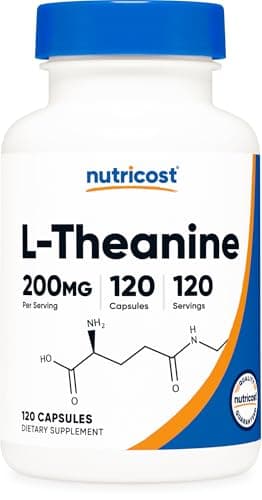
The best L-theanine supplement for UK buyers in 2026: five capsules ranked on dose and cost per day, what the research shows about sleep and caffeine, and the dose worth taking.
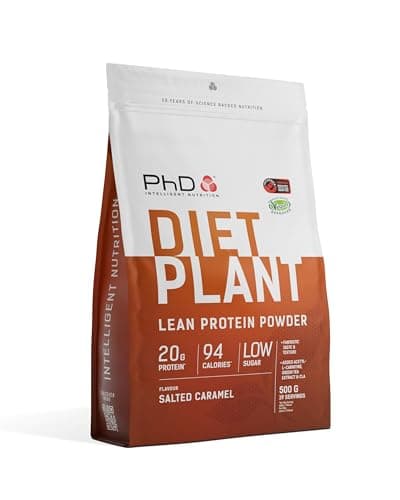
The best protein shakes for weight loss in the UK, and how to spot the healthiest protein powder for a diet: low-calorie, high-protein picks to curb hunger, plus how to use them.
Active calories vs total calories explained: what Apple Watch, Garmin, Fitbit and Whoop count, how accurate they are, and how many to eat back for weight loss.
Best Exercise is a participant in the Amazon EU Associates Programme, an affiliate advertising programme designed to provide a means for sites to earn advertising fees by advertising and linking to Amazon.co.uk. As an Amazon Associate we earn from qualifying purchases. This comes at no extra cost to you and never influences our independent reviews or rankings.