Nutrition
Best Greens Powder UK 2026: Super Greens and Vegetable Powders Compared
The best greens powders in the UK for 2026, from budget super greens to premium all-in-one vegetable powders, plus an honest look at whether they actually work.

By Declan Hallwood, Nutrition & Supplements Editor · Updated 27 June 2026
We may earn a commission from qualifying purchases made through links on this page, at no extra cost to you. This never affects our ratings.
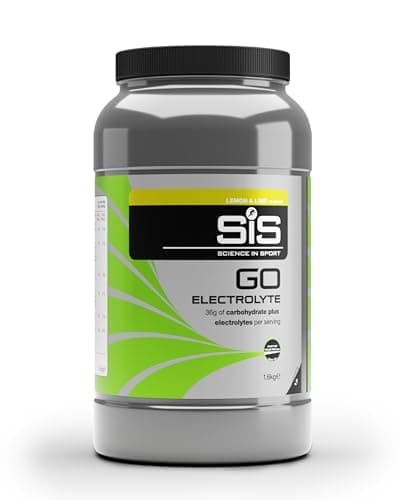
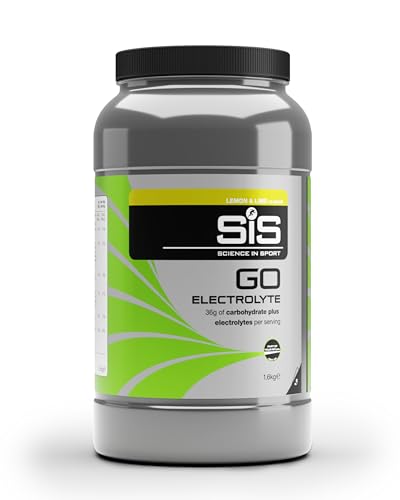
SiS GO Electrolyte is Science in Sport's carbohydrate-and-electrolyte drink powder, the orange-tub product you see clipped to bike bottles and lined up in marathon kit bags. It is not a hydration tablet and it is not a recovery shake. It is endurance fuel: 36g of carbohydrate plus sodium and a few other minerals in a single 500ml serving, designed to keep you topped up with energy and fluid at the same time during a long session. The headline verdict is that SiS GO Electrolyte does its specific job well, mixing cleanly and sitting easily on the stomach for most people, but it is widely misunderstood as a low-calorie electrolyte drink, which it absolutely is not.
The thinking behind it is sound. During longer exercise your body can only absorb and burn so much ingested carbohydrate per hour, and topping up sodium helps you hold onto the fluid you drink. SiS built GO Electrolyte to deliver both in one bottle at roughly a 6 percent carbohydrate solution, the concentration the research has long pointed to for combining energy and hydration. The catch is in the framing: the "electrolyte" in the name leads plenty of buyers to expect a zero-sugar hydration drink, then they are surprised to find 144 calories and 36g of carbs per serving.
How we review
This review is based on extensive research of verified owner reviews, trusted expert testing and the manufacturer's published specifications. We have not run our own months-long endurance trial of this exact tub, so we have stuck to consistent, repeated findings, both the praise and the common complaints, rather than one-off opinions.
GO Electrolyte makes sense the moment a session runs long enough that you need to eat as well as drink. Think runs and rides past about 60 to 90 minutes, long bricks, sportives, marathons and half-marathons, and hard training blocks where you want a simple way to take on fuel without chewing gels. Endurance research broadly supports taking in around 30 to 60g of carbohydrate per hour for efforts of one to two and a half hours, and a 500ml bottle of this lands neatly inside that window (Jeukendrup, Sports Medicine, 2014).
It is the wrong product if you want hydration without calories. For an easy gym session, a hot day at your desk, or simply replacing salts after sweating, you do not want 36g of carbs going down with it. In that case a zero-calorie tablet or powder is the better call, and our best electrolytes UK guide covers those options in detail.
Check price on AmazonThe formula is a carbohydrate mix making up the bulk of the powder, mostly maltodextrin from maize with some fructose, then a small electrolyte blend of sodium chloride, sodium citrate, potassium chloride, calcium lactate and magnesium oxide. That maltodextrin-plus-fructose pairing matters more than it looks: combining glucose-based and fructose carbohydrates lets the gut absorb more total carbohydrate per hour than a single source, because they use different intestinal transporters (Jeukendrup, Sports Medicine, 2014). At a single 500ml serving you will not be pushing the upper limits of that, but it is a sensible design choice for anyone stacking bottles across a long day.
It is sweetened with aspartame rather than sugar, which keeps the genuine sugar content low even though the carbohydrate count is high. That is a point worth understanding: high carbohydrate does not mean high sugar here, because maltodextrin is a complex carbohydrate, not table sugar.
| Serving size | 40g powder (2 scoops) in 500ml water |
|---|---|
| Carbohydrate | 36g (approx 6 percent solution) |
| Energy | Approx 144 kcal per serving |
| Carbohydrate sources | Maltodextrin (maize) and fructose |
| Sodium | Approx 20 mmol/L |
| Other electrolytes | Potassium, calcium, magnesium, chloride |
| Sweetener | Aspartame (low in sugar) |
| Certification | Informed Sport (batch tested) |
| Suitable for vegans | Yes |
| Tub sizes | 500g and 1.6kg |
| Flavours | Lemon & Lime, Orange, Blackcurrant, Tropical, Raspberry |
In practice, the thing owners praise most is how cleanly it mixes. Plenty of carbohydrate powders clump or leave a gritty sludge at the bottom of the bottle, and GO Electrolyte mostly avoids that if you shake it properly. The flavours are mild rather than intense, which is deliberate: a strong, sharp drink can become hard to stomach hour after hour on a long ride, so the slightly subtle taste is a feature, not a flaw. Lemon & Lime and Orange are the safe, popular picks; Blackcurrant and Tropical have their fans.
There is a faint sweet, slightly syrupy quality from the maltodextrin that not everyone loves, and a minority find aspartame leaves an aftertaste. The bigger practical niggle is cleanup. Because it is a real carbohydrate drink, any leftover liquid goes sticky and can grow unpleasant if you leave a half-full bottle in a warm car. Rinse promptly and it is a non-issue.
On the stomach, the 6 percent concentration is the key. Stick to the recommended 40g in 500ml and most people tolerate it well across long efforts. Make it too strong, as some do trying to cram in more fuel, and you raise the odds of GI discomfort. Mix to spec and it behaves.
This is where honest framing matters. GO Electrolyte carries a moderate sodium level, around 20 mmol/L, which is fine for the average runner or cyclist in temperate conditions where the main goal is fuel with some salt alongside. It is not a maximum-sodium product, and it is not trying to be.
If you are a heavy or salty sweater, or you train and race in real heat, you can lose a lot of sodium in sweat, and losses climb sharply as intensity rises (Baker et al., European Journal of Applied Physiology, 2018). In those cases GO Electrolyte alone may not keep up, and you might pair it with extra sodium or a dedicated higher-sodium product. Treat it as a fuel that also helps your fluid balance, rather than a full electrolyte-replacement solution for a hot ultra. For hydration-led needs specifically, compare it against the zero-calorie options in our best electrolytes guide.
A 1.6kg tub gives you around 32 to 40 servings depending on flavour and scoop, and on a per-serving basis that undercuts taking the same fuel as gels by a clear margin. If you train often and go long, buying the big tub and decanting into bottles is one of the cheaper ways to fuel properly. The 500g tub is the sensible starter size to test a flavour before committing.
Where the value wobbles is when people buy it for the wrong job. Used as endurance fuel it is good value; bought as an everyday hydration drink it is overpriced and over-fuelled for the task. Match the product to the session and it earns its place. You can browse more fuelling and recovery options in our nutrition section, and if you are also sorting out a recovery protein for after the session, our best protein powder UK guide and the best clear whey protein UK roundup are good companions.
Check price on AmazonFor its actual job, which is fuelling longer endurance sessions, it is very good. You get 36g of carbohydrate plus sodium and other electrolytes in one 500ml bottle, it mixes cleanly without much grit, and it is Informed Sport certified so competitive athletes can trust the batch. The catch is that it is not a low-calorie hydration drink. If you just want salts without sugar, this is the wrong product.
A standard 40g serving (two scoops in 500ml of water) gives you 36g of carbohydrate, mostly maltodextrin with some fructose. That works out as roughly a 6 percent solution, which is the concentration the brand designed it around for energy and fluid uptake together.
GO Electrolyte is a carbohydrate fuel with electrolytes added, aimed at sessions over about 60 to 90 minutes where you need energy as well as fluid. GO Hydro is a zero-calorie electrolyte tablet for hydration only, with no meaningful carbs. Pick GO Electrolyte when you want fuel, GO Hydro (or another zero-cal option) when you only want salts.
Add 40g of powder (two scoops) to 500ml of water, shake well and drink during exercise. SiS suggests around 500ml every 45 to 60 minutes for longer efforts. Use the dissolved drink within 24 hours and rinse your bottle afterwards, as the carbs can get sticky.
It sits at roughly 20 mmol/L of sodium, which is a moderate amount, fine for most runners and cyclists in normal conditions. If you are a heavy or salty sweater in the heat, you may need extra sodium on top, because this is formulated mainly as a fuel rather than a maximum-sodium electrolyte product.
Yes. The GO Electrolyte powder flavours are suitable for vegans and the range is produced in an Informed Sport accredited facility. It is sweetened with aspartame rather than sugar alcohols, so it is also low in actual sugar despite the carbohydrate content coming from maltodextrin.
The best greens powders in the UK for 2026, from budget super greens to premium all-in-one vegetable powders, plus an honest look at whether they actually work.
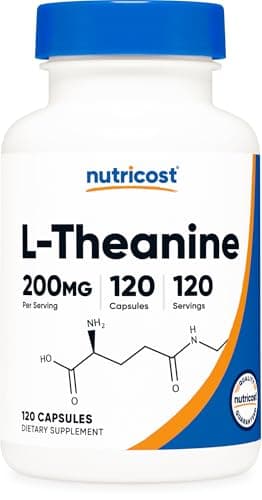
The best L-theanine supplement for UK buyers in 2026: five capsules ranked on dose and cost per day, what the research shows about sleep and caffeine, and the dose worth taking.
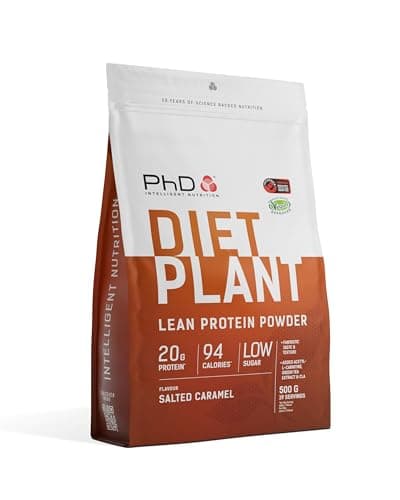
The best protein shakes for weight loss in the UK, and how to spot the healthiest protein powder for a diet: low-calorie, high-protein picks to curb hunger, plus how to use them.
Active calories vs total calories explained: what Apple Watch, Garmin, Fitbit and Whoop count, how accurate they are, and how many to eat back for weight loss.
Best Exercise is a participant in the Amazon EU Associates Programme, an affiliate advertising programme designed to provide a means for sites to earn advertising fees by advertising and linking to Amazon.co.uk. As an Amazon Associate we earn from qualifying purchases. This comes at no extra cost to you and never influences our independent reviews or rankings.