Nutrition
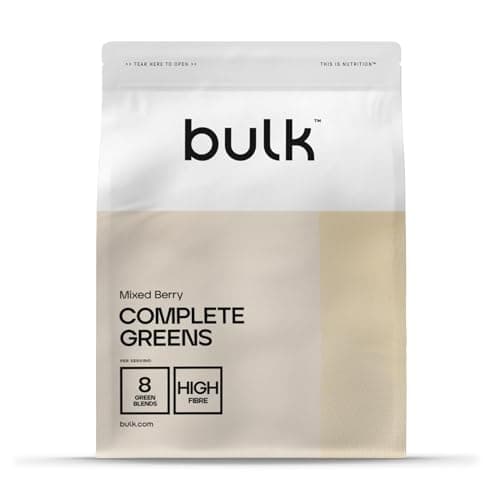
Best Greens Powder UK 2026: Super Greens and Vegetable Powders Compared
The best greens powders in the UK for 2026, from budget super greens to premium all-in-one vegetable powders, plus an honest look at whether they actually work.

By Declan Hallwood, Nutrition & Supplements Editor · Updated 26 June 2026
This definitive vegan bodybuilding diet guide walks you through everything you need to build lean muscle on a fully plant-based diet. It works for men and women, beginners and seasoned lifters alike. Our team of vegan fitness fanatics have pooled their experience to create a step-by-step plan you can come back to whenever you need it.
We've broken the guide into three stages: planning your calories, macros and supplements; nutrition, where we cover the best plant-based foods to eat; and additional resources to keep you on track. Feel free to skip to the section most relevant to you.
A quick note on health
This guide is general information, not medical advice. A vegan diet can run low in certain nutrients, so speak to your GP or a registered dietitian before making major changes to your diet, especially if you have an underlying condition such as diabetes or osteoporosis.
Whether you're just starting out as a vegan bodybuilder or you've been doing it for years, it pays to have a clear plan and stick to it.
Every successful bodybuilding plan starts with calculating the calories you need to build muscle. Growing muscle requires a calorie surplus to give your body the energy it needs to grow. Some studies show you can gain a little muscle in a calorie deficit, but it's usually only for short periods and mainly in people new to weightlifting. For long-term progress, you need to take in more calories than you burn.
Start with your BMR (basal metabolic rate), the total number of calories your body uses at rest over a day. There are plenty of free online BMR calculators that estimate this from your age, sex, height and weight.
Once you know your BMR, most experts recommend eating in a surplus of 10-20% above it to gain muscle while weightlifting. For this guide, we suggest sticking to 10%.
For example, if your BMR is 2,500 calories, simply add 10% (250 calories) for a total daily intake of 2,750 calories. That's roughly how many calories you should eat each day to build muscle while following your vegan bodybuilding diet and lifting weights.
Track your calories
Download MyFitnessPal onto your phone. It's a free app that makes it easy to track your daily calorie intake so you can be sure you're hitting your target.
Macros (macronutrients) are your fats, proteins and carbohydrates. They're what your calories are made up of.
Building muscle isn't just about lifting weights and eating enough; you also need the right balance of macros. You could, in theory, get 100% of your calories from fat, but you'd do more harm than good and struggle to gain muscle.
A typical macro split for losing fat and gaining muscle is 40% protein, 30% fat and 30% carbohydrates. Using our 2,750-calorie example, that works out as:
Most food products list their macros in grams, so here's how to convert:
This example uses a high starting BMR, so don't be surprised if your own numbers are lower. It all depends on your personal BMR.
Track your macros too
The MyFitnessPal app also lets you log your macros. Enter your personal protein, fat and carb targets and the app will help you stay on track each day.
The final planning step is making sure you have the right supplements to complement your diet. We've put together a list of the best vegan supplements every vegan bodybuilder should consider. Pick up one or two (or all five) to support your training. If you're struggling to hit your protein target, grab the protein powder; if you need protein and carbs on the go, reach for a protein bar; and it's always worth adding a multivitamin. All of our recommendations are available on Amazon UK.
Now that you understand your calories and macros, the next step is putting them into practice. Here's what we recommend.
Calorie intake matters whatever your bodybuilding goal. To build muscle you need a calorie surplus, so stick to your number as closely as you can. Bear in mind your activity level too: a sedentary day looks very different from one with an intense training session.
By now you should have calculated your macros and how they split across protein, carbohydrate and fat. Hit those numbers every day, and make sure you get enough protein. Remember, your body builds muscle during rest, so it's just as important to hit your macros on rest days.
Consistency is key, and results won't happen overnight. Missing the odd day is absolutely fine, just keep training hard on a regular basis.
If you're just starting out, try weightlifting three times per week. As you settle in, add heavier weights and an extra training day. More experienced lifters should aim for four to five sessions per week, following a suitable plan such as an upper/lower split, and try to hit each muscle group twice a week.
You need a versatile vegan recipe rotation you can rely on for your meals. Search online for new recipes to keep things varied, and make sure each day includes a range of fats, protein and carbohydrates. Beyond whole foods, you can top up your intake with vegan-friendly powders, capsules and bars.
Tracking your progress is essential to knowing whether it's working. Plenty of fitness apps, free and paid, offer detailed breakdowns of your lifts over time. As long as those weightlifting numbers are trending up, you're making progress.
Stage 1 summary
Calculate your BMR, then your daily calorie surplus. Split your macros 40% protein / 30% fat / 30% carbs. Download MyFitnessPal, choose a few supplements, and lift weights consistently.
For successful bodybuilding you need to track both your macros and micros. Below we break down the best plant-based sources for each macronutrient, plus the fruits and vegetables that round out a healthy vegan diet. Struggling to hit your veg on a big eating day is common, and that's the one situation where vegetable powders like a greens blend earn their place.
A vegan diet for bodybuilding must include plenty of protein. Where a meat-eater might reach for chicken, you'll want to know the best plant-based sources instead. Some of the best include:
Protein is the building block for lean muscle and helps maintain all of your body's tissues. For optimal growth, combine a range of plant-based proteins across your meals.
Fats often get a bad rap, but they're a vital part of your nutrition. They provide energy and support normal brain function. Without enough fat you may feel lethargic and struggle to concentrate. Vegan-friendly sources of fat include:
Nuts and seeds are excellent additions to any vegan bodybuilding diet. They're rich in vitamin E, minerals, essential fatty acids, fibre and protein, and some studies suggest they can significantly reduce the risk of heart disease. Olive oil is another great option: a cornerstone of the Mediterranean diet, it's rich in mono-unsaturated fats and antioxidants.
Don't neglect your carbs. Complex carbs are ideal for bodybuilding because they take longer to digest, releasing energy gradually to fuel those gruelling workouts. They're also high in fibre, which helps reduce hunger pangs, supports digestive health, and helps regulate blood sugar and cholesterol. The best vegan carb sources include:
Fruits and vegetables are essential to any healthy diet, and they're especially important on a vegan plan where a small oversight can lead to nutrient deficiency. Eat plenty of nutrient-dense produce, such as:
Texture tips
If you want vegetables with a meaty texture, reach for mushrooms or aubergines. Leafy greens are high in calcium and iron, while mashed bananas make a great addition to baked goods and ice cream recipes.
Good fruit options include cherries, strawberries, bananas, mangos, apples, aubergine and pineapples.
Stage 2 summary
Protein from pulses, oats, quinoa, tofu and nuts. Fats from nuts, seeds and olive oil. Carbs from brown rice, sweet potatoes and pasta. Add plenty of fruit and veg, and a handful of supplements.
Supplements help fill the nutrient gaps a vegan diet can leave, and they can support workout performance and post-workout recovery. The two most useful types for vegan bodybuilders are protein-dense supplements and algae-based omega 3.
Algae-based omega 3 supplies the fatty acids that can be hard to get on a plant-based diet, so it's worth keeping a bottle to hand. Protein-rich supplements help bridge the gap between your whole-food meals and your daily macro targets. If you're in a gaining phase rather than holding steady, calories matter as much as grams of protein, and our pick of the best protein powder for bulking compares the plant-based mass gainers actually sold in the UK.
There's a huge range of vegan-friendly supplements out there, and choosing between them can be daunting. We've tried and tested dozens of products and narrowed it down to five we genuinely recommend.
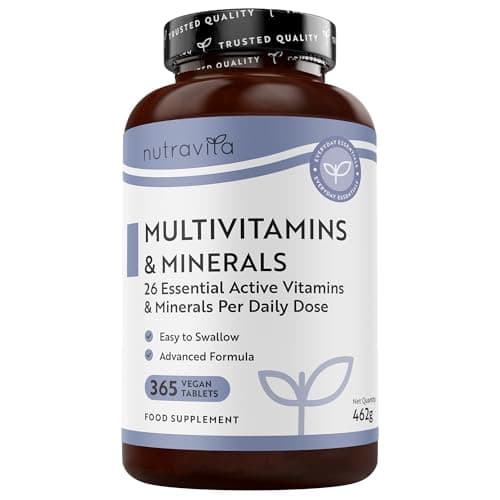
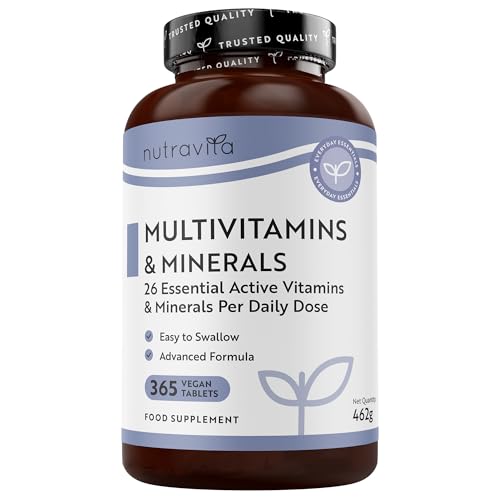
The best all-round multivitamin for both men and women, and an essential for any vegan's shopping basket. One bottle is a full year's supply, providing the vitamins and minerals you need on a vegan bodybuilding diet, and it helps reduce tiredness and fatigue. Some people may notice mild digestive discomfort at first.
This vegan-friendly multivitamin from Nutravita suits both men and women thanks to its broad range of active vitamins and minerals, including selenium, iron, thiamin and vitamins K, E, A, B1 and D3 among others. Nutravita is a UK-based company founded in 2014 that's become one of the most trusted names in food supplements. The formula is GMO-free, with no artificial flavours or colours, and is free from common allergens, nuts, lactose and wheat. Beyond reducing fatigue, it supports healthy bones, skin, hair and teeth, giving lean-muscle building a solid foundation.
You can also read our Nutravita Biotin review if you're interested in their wider range.
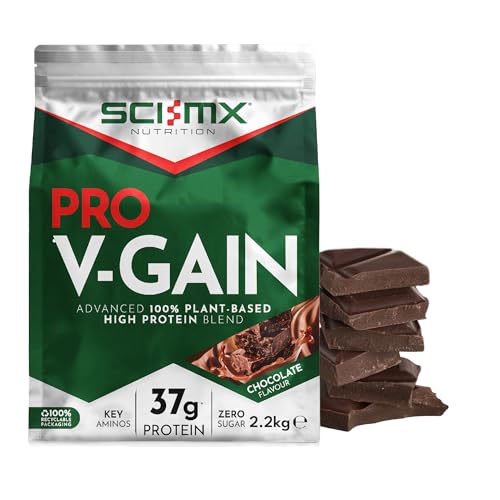
Possibly the best-tasting vegan protein powder currently available, with 34g of protein per serving, quality ingredients and a zero-sugar formula. It tastes best mixed with plant milk rather than water.
SCI-MX is a well-regarded brand, and its Pro V-Gain powder is a 100% plant-based formula built from a premium blend of rice, pea and soy protein. That combination makes for a creamy, tasty shake available in several flavours. With 34g of protein per serving, plus essential BCAAs, vitamins and minerals, it's great for repairing muscle and supporting new lean growth. It mixes up in under five minutes, making it an easy pre- or post-workout option whether you're at home or on the move.
View on Amazon UK, and see our full SCI-MX Pro V-Gain review for more detail.
A high-protein, great-tasting snack to fill that 3pm void, with 20g of protein per bar, made with 100% natural ingredients, and available in a wide range of flavours. Not suitable for those with nut allergies.
PhD is a UK-based performance nutrition company founded in 2006, known for using organically cultivated plant ingredients and clean packaging. The Smart Plant Bar is high in protein and low in sugar, making it a great alternative to sugar-laden snacks, without compromising on taste. Flavours include choc toffee popcorn, dark choc brownie, choc peanut caramel, and choc coconut and cashew.
An important supplement most vegans should consider. Omvits uses algae oil (the same source fish get their omega 3 from) with over 400mg of omega 3 DHA per serving. The capsules are premium quality, independently tested for heavy metals, and easy to swallow. They can leave a faint fishy smell when you first open the bottle.
A bottle of Omvits Omega 3 contains 60 soft-gel capsules made with marine algae oil, completely plant-based and free from gelatin and fish. The product meets Global Food Safety, HACCP and GMP requirements, and each batch is independently tested, so the capsules are non-GMO and free of harmful toxins, microbes and heavy metals. The small soft gels are easy to swallow, and the 500mg capsules can also be used by expectant women as a source of prenatal DHA.
You can read our full Omvits Omega 3 review for more.
An affordable alternative to the pricier PhD bars, with lots of flavours and made from whole foods. It's high in protein, free from gluten, dairy and wheat, though some find it a little dry.
Trek specialises in gluten-free, vegan snacks made with all-natural ingredients. These protein energy bars contain around 10g of protein each, built from protein crunchies, oats and fruit for long-lasting energy. They're a wholesome way to satisfy cravings and top up your protein between meals.
There are countless online resources to help you stay on track with your diet, nutrition and training. Here are some of our favourites.
There's no shortage of muscle-building workouts to follow. Whether you're a beginner or an experienced lifter, you'll find great plans and ideas at:
If you'd rather skip the research, here's the tried-and-tested starter pack we recommend for any vegan bodybuilding diet:
If you're new to veganism the change can feel daunting, especially alongside bodybuilding. Here are the main benefits to weigh up.
Sticking to a vegan diet takes dedication. Following a structured meal plan can make you more mindful of what and when you eat, which helps reduce binge or impulsive eating.
Vegan foods are typically low in saturated fat and cholesterol and high in fibre, which may help lower bad (LDL) cholesterol and reduce the risk of heart disease and stroke. Studies have also found that vegans tend to have lower blood pressure than the non-vegan population.
Note
By lowering blood cholesterol, a vegan diet may also ease the symptoms of type 2 diabetes. A report from Diabetes Voice suggests that reducing LDL has a direct impact on type 2 diabetes symptoms. As always, speak to your doctor before relying on diet to manage a condition.
Whole grains, fruits and vegetables are all rich in antioxidants, which help neutralise the damaging free radicals linked to many chronic health problems.
Vegan foods are high in phytonutrients, fibre and micronutrients. Some studies suggest these have anti-inflammatory effects and may help protect against certain cancers.
Following the plan above and lifting consistently, most people start seeing results within 8-12 weeks. A vegan bodybuilding diet does come with some downsides, though.
Going fully vegan isn't easy, which is why some people give up. Every gram of your protein, fat and carbs has to come from plant sources, and that's a big adjustment to sustain. If you've been vegan for a while, though, this won't be an issue.
This is one of the biggest challenges vegans face. Cutting out animal products can leave you short on vitamins D and B12, and your intake of omega 3, zinc, iron and calcium can run low too. Our best multivitamin UK guide compares the doses and nutrient forms of five popular tablets if you'd rather cover several gaps at once. The fix is to plan carefully and use supplements where needed. Our recommended starter pack covers most of these gaps:
Plant-based foods are among the healthiest around, but going fully vegan can interfere with conditions such as diabetes and osteoporosis if it leaves you short on the nutrients needed to regulate blood sugar and support bone health. Take supplements seriously, and always consult your doctor before changing your diet or fitness routine.
Plenty of restaurants serve vegan meals now, but the options can be repetitive, and hitting your macros while eating out is trickier. On those days, it can help to have a high-protein snack afterwards to top up your intake.
A vegan bodybuilding diet can be a genuinely healthy, effective way to build lean muscle, but plan it properly. Before you start, it's worth keeping these points in mind:
Done right, the vegan bodybuilding diet is one of the healthiest, most rewarding ways to build lean muscle and maintain a healthy lifestyle, because it's built around wholesome, unrefined foods. Just go in with knowledge and a plan, because doing it without either can lead to nutrient deficiencies or complicate an existing condition. If in doubt, check with your doctor first.
Above all, stay consistent with your training and your nutrition, and you'll make great progress.
Yes. As long as you eat in a slight calorie surplus, hit your protein target from varied plant sources, and lift weights consistently, you can build lean muscle on a fully plant-based diet. Most people start seeing results within 8-12 weeks.
A common starting split for building muscle while staying lean is 40% protein, 30% fat and 30% carbohydrates. Work out your daily calories first, then divide them across those three macronutrients and convert to grams.
Pulses (peas, chickpeas, beans, lentils), quinoa, oats, tofu, and nuts and seeds are all strong plant-based protein sources. Quinoa is especially useful because it's a complete protein containing all the essential amino acids.
The most useful are a vegan protein powder to top up your daily protein, an algae-based omega 3, and a multivitamin to cover nutrients that can run low on a plant-based diet, such as vitamins D and B12, zinc, iron and calcium.
The best greens powders in the UK for 2026, from budget super greens to premium all-in-one vegetable powders, plus an honest look at whether they actually work.
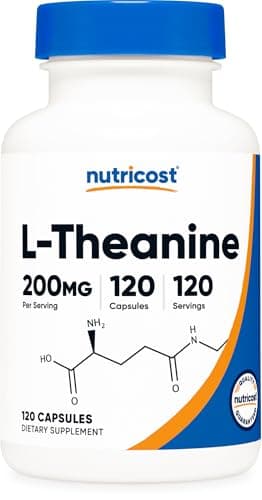
The best L-theanine supplement for UK buyers in 2026: five capsules ranked on dose and cost per day, what the research shows about sleep and caffeine, and the dose worth taking.
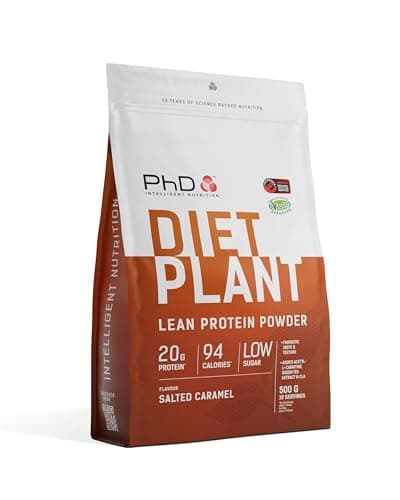
The best protein shakes for weight loss in the UK, and how to spot the healthiest protein powder for a diet: low-calorie, high-protein picks to curb hunger, plus how to use them.
Active calories vs total calories explained: what Apple Watch, Garmin, Fitbit and Whoop count, how accurate they are, and how many to eat back for weight loss.
Best Exercise is a participant in the Amazon EU Associates Programme, an affiliate advertising programme designed to provide a means for sites to earn advertising fees by advertising and linking to Amazon.co.uk. As an Amazon Associate we earn from qualifying purchases. This comes at no extra cost to you and never influences our independent reviews or rankings.