Nutrition
How Long Does Pre Workout Last? Peak, Half-Life and Sleep Timing
How long does pre workout last? Effects peak 30 to 60 minutes after you drink it, but caffeine's half-life of 4 to 6 hours means it lingers well into the evening.

By Declan Hallwood, Nutrition & Supplements Editor · Updated 18 October 2026
We may earn a commission from qualifying purchases made through links on this page, at no extra cost to you. This never affects our ratings.
Protein shakes have a bodybuilding reputation, but the best protein shakes for weight loss do a quieter job: they keep you full, protect muscle and make a calorie deficit easier to hold without a 3pm biscuit raid. We narrowed the UK market down to three, all of which pass the test for the healthiest protein powder on a diet (lots of protein per calorie, next to no sugar, a label you can read without a chemistry degree), and then explain how to actually use them.
As always, check with your doctor before making any major dietary or lifestyle changes.

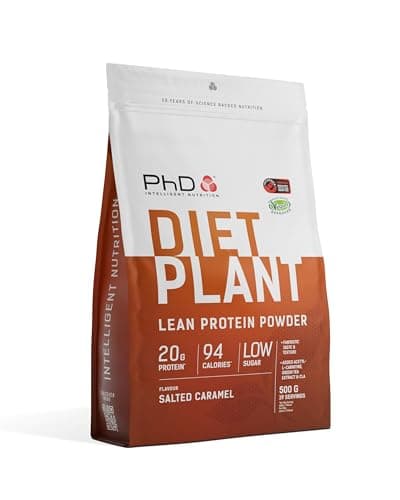
PhD Nutrition Diet Plant Protein Powder is our top overall pick, a high-quality plant protein made from a well-chosen blend of natural ingredients. Each serving delivers 18g of protein for only 92 calories, with less than 1g of sugar, making it an excellent fit for anyone dieting or maintaining a healthy weight. It's the original Diet Whey formula, now in a plant-based version, with added fat-burning ingredients.
The taste is pleasant and not overly sweet, which can be a problem with rival brands, and the texture mixes smoothly without lumps. The one caveat is that it contains soy, though most people tolerate soy well and benefit from its calcium, iron and magnesium.
As one of the leading protein brands in the UK, PhD is a trustworthy, reliable company, and this is a powder we're happy to recommend.
Check price on AmazonYou can also read our full review of the PhD Nutrition Diet Plant Protein Powder.

The Protein Works Vegan Diet Meal 360 is our pick for appetite control, though it is worth being clear about what it is. This is a nutritionally complete meal replacement shake rather than a light powder you add on top of your day, so it earns its place by standing in for a meal rather than topping one up. Each shake comes in at 245 calories, which Protein Works puts at 300 to 500 calories below an average meal.
The appetite angle comes from the formula. It uses three plant protein sources alongside inulin, a soluble fibre that the brand says works with the protein to aid satiety and digestion, and it is naturally low in sugar. The wider evidence supports the general approach: a review in the American Journal of Clinical Nutrition found that higher-protein, energy-restricted diets produced greater weight loss, more fat loss and better preservation of lean mass than lower-protein ones, with a modest satiety effect and greater perceived fullness after higher-protein meals (Leidy et al., 2015). That same review is honest about the limit, though, and so are we: feeling fuller did not reliably translate into eating less at the next meal, so the calorie saving still has to be real rather than assumed.
A 2kg bag gives 28 meals and there is a vitamin and mineral blend built in, which is what you want if a shake is genuinely replacing your lunch rather than sitting alongside it.
Check price on AmazonNuzest Clean Lean Protein is our pick for sensitive stomachs, a 100% vegan, pea-protein powder. Pea protein is gentle on digestion, making it ideal if other powders leave you bloated, and it's slow-digesting, which makes it a good choice before bed.
Nuzest provides 21g of protein per serving for as little as 89 calories, though both numbers vary slightly by flavour, so check the label once you've chosen yours. With less than 0.1g of sugar and under 0.5g of fat, it's an exceptionally well-rounded diet protein.
Check price on AmazonIgnore the front of the tub and turn it round. Four things on the back tell you almost everything.
Protein per 100 calories. This is the figure that matters on a diet, and it's easy to work out. PhD Diet Plant gives 18g for 92 calories, so roughly 19.5g per 100. Nuzest gives 21g for 89, which is closer to 23.6g. A standard whey concentrate usually lands somewhere in the high teens to low twenties, so a "diet" powder that can't beat that is a marketing exercise.
Sugar per serving. All three picks here sit under 1g. Anything creeping above 5g is a milkshake with ambitions.
Fibre. Most powders have little, which is fine if the shake sits alongside food. If it's replacing a meal, you want some; the Protein Works shake's inulin is there for exactly that reason.
What else is in the tub. A short ingredient list beats a long one. Sweeteners like sucralose and stevia are fine for most people, but "fat burning" blends of green tea extract and similar add cost without adding much weight loss, so don't pay extra for them. If you compete in a tested sport, look for Informed Sport certification on top.
There are three main ways to use protein shakes to support your weight-loss goals. Each works differently and suits different routines and preferences, so read through all three and pick the one you can realistically stick to for the long term.
Most people trying to lose weight are simply eating too much each day. You might eat your usual three meals but never feel fully satisfied, so the next meal rolls around quickly.
Swapping a protein shake in for one meal, either breakfast or lunch, is a simple fix. Which meal you replace is personal: some people aren't very hungry in the morning and prefer to drop lunch, while others struggle with a liquid lunch and do better replacing breakfast. Done well, this can carve roughly 500 calories out of your daily intake without leaving you hungry.
Protein is one of the three macronutrients (alongside carbohydrates and fats), but it has a useful edge for weight loss: it keeps you feeling full for longer. Studies show protein promotes satiety between meals, which helps prevent snacking.
If you're a snacker, this is the method for you. Instead of reaching for a packet of biscuits at 3pm, have one of our recommended shakes. You'll stop the hunger pangs while trimming your daily calorie intake.
That only works if the shake is genuinely easier to reach for than the biscuits, which usually means keeping a bottle at your desk rather than at home. Our best protein shaker UK round-up covers the ones that seal well enough to live in a bag all day.
Pairing protein shakes with regular exercise such as weight training helps build muscle, which raises your BMR (basal metabolic rate), the number of calories your body needs each day to keep your weight stable. The more muscle you carry, the higher your BMR, and the more calories you burn at rest.
When you train, getting enough protein is essential, since protein is the building block of muscle. Shakes are a convenient way to hit those targets while also supplying other useful nutrients like vitamins and minerals. Drink one before or after weight training for maximum effect.
The bottom line
Protein shakes won't melt fat on their own. They work because they help you eat fewer calories while staying full and protecting muscle. Choose a low-calorie, high-protein option and use it consistently as part of an overall calorie deficit.
The end result is greater calorie burn throughout the day, which means steady, sustainable weight loss over time.
Yes, when used sensibly. A high-protein, low-calorie shake helps you stay in a calorie deficit while feeling fuller for longer, which reduces snacking. The key is using shakes to replace or supplement meals, not to add extra calories on top of your normal diet.
Look for a high protein content (roughly 18g or more per serving), low calories (under about 110), and low sugar and fat. Plant-based blends like pea, soy and hemp are popular because they are filling and easy to digest.
It depends on your goal. As a meal replacement, swap it for breakfast or lunch. To curb cravings, drink one in place of an afternoon snack. If you train, a shake before or after a session supports muscle, which in turn raises your daily calorie burn.
How long does pre workout last? Effects peak 30 to 60 minutes after you drink it, but caffeine's half-life of 4 to 6 hours means it lingers well into the evening.
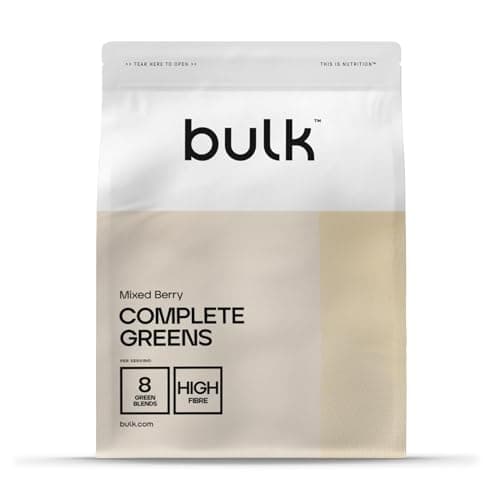
The best greens powders in the UK for 2026, from budget super greens to premium all-in-one vegetable powders, plus an honest look at whether they actually work.
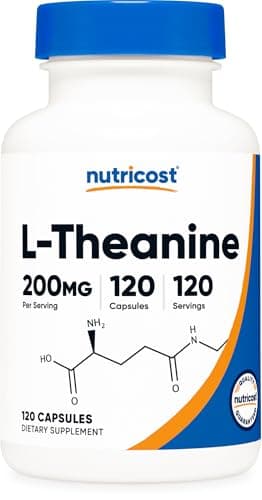
The best L-theanine supplement for UK buyers in 2026: five capsules ranked on dose and cost per day, what the research shows about sleep and caffeine, and the dose worth taking.
Active calories vs total calories explained: what Apple Watch, Garmin, Fitbit and Whoop count, how accurate they are, and how many to eat back for weight loss.
Best Exercise is a participant in the Amazon EU Associates Programme, an affiliate advertising programme designed to provide a means for sites to earn advertising fees by advertising and linking to Amazon.co.uk. As an Amazon Associate we earn from qualifying purchases. This comes at no extra cost to you and never influences our independent reviews or rankings.