Nutrition
Best Greens Powder UK 2026: Super Greens and Vegetable Powders Compared
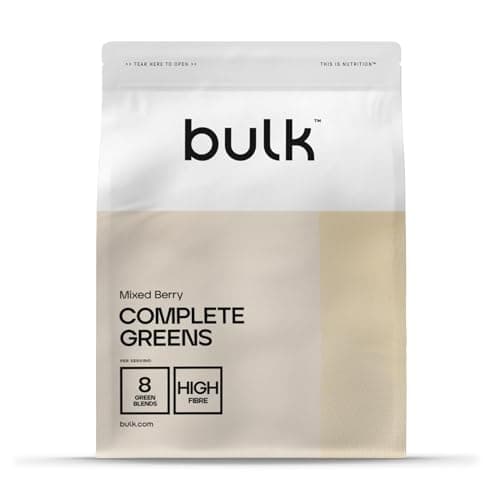
The best greens powders in the UK for 2026, from budget super greens to premium all-in-one vegetable powders, plus an honest look at whether they actually work.

By Jacob Chambers, Founder & Lead Reviewer · Updated 26 June 2026
To build muscle on a plant-based diet you need roughly 1.2-1.7 grams of vegan protein per kilogram of body weight every day, spread across your meals. The exact amount depends on how much muscle you want to build and how well you time your intake throughout the day.
Plant-based protein comes from a huge range of foods: beans, nuts, soy products, grains and more. One thing worth knowing early on is that timing matters, because not all proteins are absorbed at the same rate.
This guide does two things: it shows you how much vegan protein to eat to maintain or build muscle, and it rounds up the best plant-based protein sources so you know which foods deliver the most.
Protein is one of the three macronutrients, alongside carbohydrates and fats, and it's essential for building muscle mass. All three are needed for good health, but protein is the trickiest to get from a vegan diet without also taking on extra calories or fat.
Vegan (or plant-based) protein is any protein from a plant source, such as soybeans or quinoa. People often choose it over animal proteins like meat and dairy to help lower the risk of heart disease, cancer, obesity and diabetes, as well as for personal or environmental reasons.
To build muscle, you need enough protein in your diet to replace what's broken down during training. Protein is also a building block for muscle itself, supplying the amino acids and other nutrients your muscles need to recover and grow.
The first step is working out how much protein you need per day to support muscle growth from exercise.
If you're lifting weights or training for a running or cycling event, your body needs around 1.2-1.7 grams of protein per kilogram of body weight, or roughly 0.5-0.8 grams per pound.
Based on those numbers:
It's best to take these amounts in divided doses across the day, roughly every three hours. Keeping a steady supply of plant-based protein flowing helps your muscles recover and grow, which is especially valuable after a workout.
Track your intake
Hitting a daily protein target by guesswork is hard. A free app like MyFitnessPal makes it easy to log your meals and see exactly how much plant protein you're getting each day.
There are plenty of high-quality plant-based protein sources, especially beans, soy, nuts, seeds and vegetables. Vegetables add useful protein at volume, and on days you eat few of them a scoop of one of the best greens powders is a reasonable top-up, though it won't replace the plate.
Many of these are high in protein while staying low in fat or carbohydrate, which is ideal if you want to build muscle while staying lean. Here are some of the best:
If you're struggling to hit your protein target each day, there are plenty of plant-based protein supplements available in the UK, from powders to snack bars and meal replacements.
Several vegan supplements make it easier to reach your daily protein goal. The three most useful types are vegan protein powders, meal replacements and snack bars.
Vegan protein powders come as both shake mixes and ready-to-drink (RTD) options in plenty of flavours. A few of our plant-based protein powder recommendations:
Chasing a surplus rather than maintenance changes the maths, because the calorie count starts to matter as much as the protein. That's what our comparison of the best protein powder for bulking works through.
Vegan meal replacements suit people who'd rather not cook or prep their own food. They arrive ready to go with the vitamins, minerals and fibre you need built in.
Vegan snack bars are handy for on the go, or for topping up between meals.
Building muscle on a vegan diet comes down to one thing: consistently hitting your daily protein target from varied plant sources, spread across the day. Use the 1.2-1.7 grams per kilogram guide as your starting point, lean on whole foods first, and reach for a quality vegan protein powder or bar when life gets busy. If you're choosing a supplement, it's worth reading through our product reviews before you buy.
Aim for roughly 1.2-1.7 grams of protein per kilogram of body weight (about 0.5-0.8 grams per pound) when you're training to build muscle. A 60 kg person needs around 70-100 grams a day; spread it across meals rather than eating it all at once.
Yes. As long as you hit your daily protein target from varied plant sources such as beans, soy, nuts, seeds and grains, you can build muscle on a fully plant-based diet. Combining different sources helps you cover all nine essential amino acids.
Plant proteins can be slightly lower in some amino acids per gram, but eating a variety of sources (or a blended vegan protein powder) closes the gap. Hitting your overall daily total matters far more than the exact source.
No, but it helps. Whole foods can cover your needs, yet a vegan protein powder, meal replacement or snack bar makes it much easier to top up on busy days or straight after training.
The best greens powders in the UK for 2026, from budget super greens to premium all-in-one vegetable powders, plus an honest look at whether they actually work.
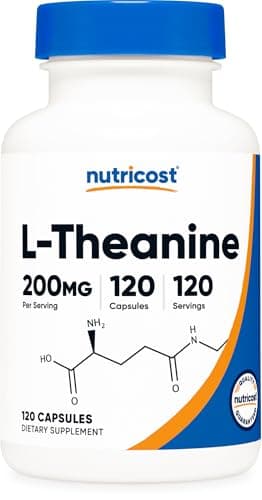
The best L-theanine supplement for UK buyers in 2026: five capsules ranked on dose and cost per day, what the research shows about sleep and caffeine, and the dose worth taking.
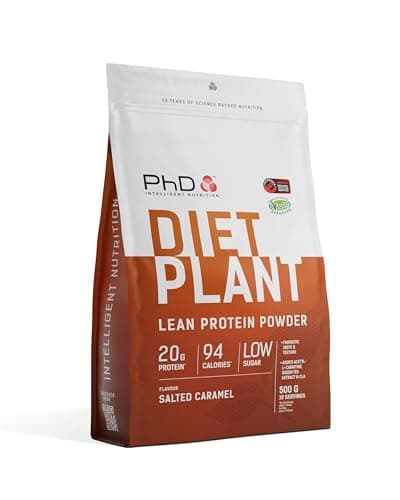
The best protein shakes for weight loss in the UK, and how to spot the healthiest protein powder for a diet: low-calorie, high-protein picks to curb hunger, plus how to use them.
Active calories vs total calories explained: what Apple Watch, Garmin, Fitbit and Whoop count, how accurate they are, and how many to eat back for weight loss.
Best Exercise is a participant in the Amazon EU Associates Programme, an affiliate advertising programme designed to provide a means for sites to earn advertising fees by advertising and linking to Amazon.co.uk. As an Amazon Associate we earn from qualifying purchases. This comes at no extra cost to you and never influences our independent reviews or rankings.