Treadmills
Cowmew Treadmill Review: 20% Incline, 20km/h and a Big Deck for £425
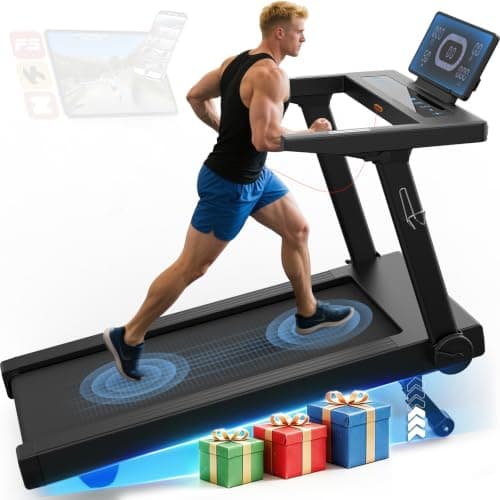
An honest Cowmew treadmill review: 20% auto incline, 20km/h, a 130 x 48cm deck and 180kg rating for £425, plus the 7HP and 40dB claims we doubt.

By Paul Kendrick, Cardio & Endurance Editor · Updated 26 June 2026
Rowing machine vs running is one of the most common cardio debates, and the honest answer is that both are excellent forms of exercise. The right one for you depends on your goals, budget and joints. Both deliver huge health benefits and let you vary the intensity as you see fit, but depending on your circumstances, one may suit you better than the other.
Our experts have weighed up the pros and cons of each so you can decide quickly. Let's get stuck in and see which exercise you should choose.
Running is one of the most common forms of exercise, with an estimated 30% prevalence among adults worldwide. It has been shown to increase life expectancy by around 3 years for men and 2 years for women when done at least three times per week. Regular running also boosts mood, decreases body fat, lowers blood pressure and increases aerobic capacity. The main drawbacks are the risk of injury if you train with poor form (knee and shin problems in particular) and the potential for overtraining, which can leave you run down and prone to illness and injury.
Running is a very accessible form of exercise. Anyone can do it, and it doesn't require much in the way of equipment or cost.
It can be done almost anywhere, at any time, making it a convenient way to exercise. Running has also been shown to reduce stress, anxiety and depression, making it one of the best ways for your body to release endorphins and other feel-good hormones.
That accessibility makes running perfect for those just starting their exercise journey, as well as anyone who simply wants a quick, easy way to boost their cardiovascular health without much hassle.
As with any exercise where you put weight through your joints, running can lead to injury if your form is poor. Hard surfaces can cause pain around the knees and ankles, which may lead to further complications down the line.
To combat this, choose correctly fitting running shoes that are comfortable for you, and start off slowly if you're new to it. A couple of times per week is plenty to begin with; work your way up to running three to four times per week over the next couple of months.
Running can also be restricted by the weather, and you're much less likely to stick to your routine if it's freezing and raining outside. One alternative is a home treadmill: there are plenty of great home treadmills available to buy. As an added bonus, treadmills provide a low-impact, cushioned running surface, reducing the strain on your joints.
A rowing machine is a low-impact exercise that works large muscles in the arms, torso, legs and back. That means it can both reduce weight and build muscle. It's also an excellent cardiovascular workout for the whole body, increasing aerobic capacity and stamina with regular use. The drawbacks are that a rower needs a fair amount of space and can be too expensive for some budgets, as you need both the money and the room to use one at home.
Rowing machines provide a full-body workout in one place, making them perfect for anyone with little time to exercise who wants the most out of their home workout area. The aerobic workout makes it easier for your heart and lungs to pump blood around your body, and you'll be amazed how quickly your fitness improves with regular use.
Rowing also boosts stamina and cardiovascular health while reducing body fat, making it an excellent choice for people who want to stay fit despite time or money constraints. It requires no extra equipment beyond the machine itself, and you can adjust the resistance to make each session easier or harder depending on your fitness level.
As with any exercise, there are some downsides. Rowing machines can be expensive and usually have to be bought rather than borrowed or hired, so weigh up the cost carefully before buying. If your budget doesn't stretch to one, consider other forms of cardio or joining a gym with rowing machines available.
Rowing machines also aren't accessible for everyone, as their size can make them impractical in smaller homes or apartments.
And if you're not careful, a rower can put stress on your joints. Poor form greatly increases the chance of injury, so always master proper rowing technique before increasing the speed or resistance.
Nail your form first
Whichever you choose, technique matters more than intensity early on. Build up your sessions gradually (a couple of times a week to start) and only raise the speed or resistance once your form is solid. This is the single best way to avoid the joint and overtraining injuries that derail most beginners.
Well, it depends on what you want from your training.
Ultimately, the best exercise is the one you'll actually do consistently. Pick the option that fits your home, your budget and your goals, and you'll see the benefits either way.
Both burn plenty of calories and reduce body fat. Rowing has the edge if you also want to build muscle, as it works your arms, back, legs and core. Running is simpler and cheaper to start, so the best choice is the one you'll stick to consistently.
Yes. Rowing is a low-impact exercise, so it puts far less strain on your knees and ankles than running on hard surfaces. If you have joint problems but still want to run, a cushioned home treadmill is a good middle ground.
Running is the most accessible starting point, as anyone can do it with little equipment or cost. Rowing is also beginner-friendly, but you'll need to master proper technique and budget for the machine and space it requires.
An honest Cowmew treadmill review: 20% auto incline, 20km/h, a 130 x 48cm deck and 180kg rating for £425, plus the 7HP and 40dB claims we doubt.
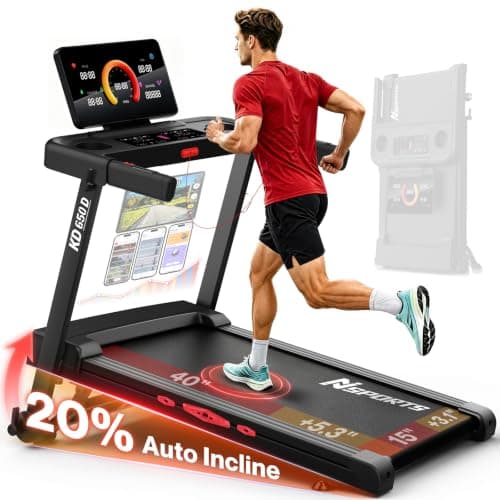
An honest Neezee treadmill review: 0 to 20% auto incline, 18km/h, a 46 x 115cm belt, 150kg rating and 5-year warranty for £350, plus the claims we doubt.
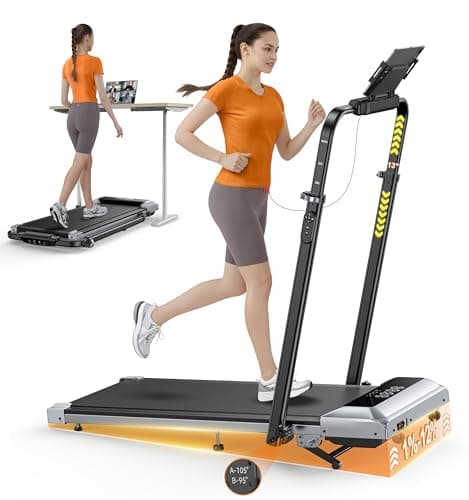
Our Toputure 12% incline walking pad review: manual 1/6/12% incline, 115cm handrail, 12km/h, 130kg limit and a 40x100cm belt, for £239.99 on Amazon UK.
Are walking pads worth it? Who they suit, the step and calorie gains from treadmill desk research, cost per use, noise, spec limits and when to buy a treadmill.
Best Exercise is a participant in the Amazon EU Associates Programme, an affiliate advertising programme designed to provide a means for sites to earn advertising fees by advertising and linking to Amazon.co.uk. As an Amazon Associate we earn from qualifying purchases. This comes at no extra cost to you and never influences our independent reviews or rankings.