Treadmills
Curved Treadmill: How It Works, Pros, Cons and Who Should Buy One
What a curved treadmill is, how the self-powered slat belt works, what research says about calorie burn vs motorised treadmills, and whether one suits you.

By Paul Kendrick, Cardio & Endurance Editor · Updated 6 October 2026
Fartlek training is speed play: an unstructured run where you mix easy jogging with faster surges whenever the mood or the terrain takes you. The word is Swedish, coined in the 1930s, and the method sits somewhere between a steady run and a formal interval session. There's no track, no stopwatch counting you down, and no fixed recovery. You push when you fancy a push and ease off when you've had enough, which trains your aerobic engine and your top-end speed in the same outing. Here's what it is, how it differs from structured intervals, and a handful of sessions you can run outdoors or on a treadmill tonight.
Gösta Holmér, a Swedish coach, built fartlek in the 1930s for his cross-country runners, and the name translates literally as "speed play". That word "play" matters. A fartlek run has a loose shape rather than a rigid plan. You run easy, then you pick a tree, a lamp post or the top of a hill and run hard to it, then you drop back to a jog until your breathing settles. Repeat for as long as the session lasts. Effort is judged by feel, not by a pace band on your watch, and that single thing is what sets it apart from almost everything else in a training diary.
Interval training and fartlek are cousins, not twins. A structured interval session spells everything out: run five times three minutes at 10 km/h with 90 seconds of walking between each, say. You hit exact paces and exact rests, and you can measure progress to the second. Treadmill HIIT workouts are the classic example of that tightly planned style.
Fartlek throws the stopwatch away. Surges can last 20 seconds or four minutes, recoveries run as long as you need, and the whole thing bends around how you feel that day. That freedom is the point. It keeps hard running playful, it suits uneven ground where fixed reps get awkward, and it teaches you to change gear on instinct, which is exactly what racing a lumpy 10k demands.
Every fartlek run works two systems together. The easy jogging keeps your aerobic system ticking over, burning oxygen and clearing the by-products of the hard efforts. The surges tip you into harder territory, where your body leans on anaerobic energy and your heart and lungs get stretched. That mix is why interval-style running is such an efficient way to lift VO2 max, your ceiling for aerobic fitness.
A meta-analysis of interval studies found VO2 max rose by about 0.5 litres per minute on average, well above the 0.2 to 0.4 typical of steady continuous running, with the biggest gains coming from longer three to five minute efforts (VO2max and interval training meta-analysis, PLoS One 2013). A separate review of controlled trials reached the same verdict: interval work produced larger VO2 max gains than continuous endurance training in healthy adults (Milanović and colleagues, Sports Medicine 2015). Because the surges count as vigorous effort, they also stretch your weekly activity budget further; the NHS notes that 75 minutes of vigorous activity brings similar benefits to 150 minutes of moderate work (NHS physical activity guidelines). Want to see where each surge actually lands? Pair fartlek with a little heart rate zone training and watch your pulse climb and fall.
None of these need a track. Treat "easy" as a pace you could hold while chatting, and "hard" as one where talking in full sentences falls apart.
1. The 30-minute lamp-post fartlek (outdoors). Jog easy for 10 minutes to warm up. Then run hard to the next lamp post, jog easy to the one after, and keep alternating for 15 minutes. The spacing of the posts does the interval design for you, so some efforts come out short and sharp while others drag on. Finish with five minutes easy. This is Holmér's original session and still the best way in.
2. The treadmill pyramid (indoors). After a five-minute walk or jog, climb and descend a ladder of surges: one minute hard, then two, three, two and one minute, with an easy jog of the same length between each. On most home machines easy sits around 8 to 9 km/h and hard somewhere near 12 to 14 km/h, though set yours by effort rather than by copying mine. Add a five-minute cool-down and you've done about 27 focused minutes. The belt holds your recovery speed honest, so you can't cheat by shuffling; if you're shopping, our treadmill reviews for home use cover the models that handle repeated speed changes without lag.
3. The hill-surge fartlek (either). Outdoors, run your surges up every incline you meet and recover on the flats and descents. On a treadmill, do the same with the incline button: hold a steady 9 to 10 km/h, ramp the gradient to 4 to 6 percent for 60 to 90 seconds, then drop back to 1 percent to recover. Climbing loads your glutes and calves hard while keeping the pounding low, and a machine that can hold a steep gradient makes it repeatable. Our best incline treadmills guide picks out the ones that actually climb.
Your first fartlek, in 20 minutes
Jog easy for five minutes. Then run six rounds of this: 30 seconds at a pace that feels comfortably hard (you can still gasp out a word or two, not a full sentence), followed by 90 seconds very easy. Jog easy for the last three to four minutes. That's a complete fartlek, and it's all most beginners need for the first month.
A treadmill suits fartlek better than most people expect. The belt sets a floor under your easy pace, so your recovery jogs stay honest instead of collapsing into a walk, and the speed buttons let you change gear in a second. One thing trips people up, though: running form when the pace jumps. It's tempting to grab the rails or lean into the console as the belt speeds up, which wrecks your mechanics and the point of the session. Set the speed, let go of the handrails and run tall. If you train indoors a lot, our treadmills hub gathers every review and guide in one place.
Fartlek earns its place for most runners, but it shines for a few in particular. Beginners get a gentle route into faster running without the intimidation of a track and a lap-splits sheet. Time-pressed runners get a genuine fitness hit in 20 to 30 minutes. Racers who compete on undulating courses, whether trail, cross-country or a bumpy road 10k, get to rehearse the exact skill their event demands, which is changing pace the moment the ground changes. The one group who should lean elsewhere are runners chasing a precise target, a sub-20 5k off even pacing, say, where measured intervals give tighter feedback than freewheeling surges.
Treating every surge like a sprint. Fartlek isn't a string of all-out dashes. Redline on the first few efforts and you'll limp through the rest. Keep most surges comfortably hard and save anything close to a sprint for one or two efforts late in the run.
Never actually recovering. The easy sections are where your body clears the effort and gets ready to go again, so jog them properly. If your "easy" is still a slog, you went too hard on the surge before.
Doing it every day. Hard running needs easy running around it. Two quality sessions a week, fartlek among them, with gentle runs or rest in between, is enough for almost everyone. Pile on more and the sharpness drains out of every session.
Skipping the warm-up. Launching into a hard surge from cold is how calves and hamstrings get tweaked. Give yourself five to ten easy minutes first, every single time.
Fartlek is a Swedish word that translates as 'speed play'. A Swedish coach named Gösta Holmér built the method in the 1930s for his cross-country runners. The idea is to play with your pace during a run, mixing easy jogging with faster surges, rather than holding one steady speed or sticking to a rigid set of timed reps.
Structured interval training spells out the exact efforts and rests: six reps of three minutes at a set pace with ninety seconds of recovery, for example. Fartlek is the unstructured version. Your surges can be any length, your recoveries last as long as you need, and you judge effort by feel instead of by a stopwatch. Both train similar systems; fartlek just keeps it loose and playful.
Yes, and it works well. Use the speed buttons to jump between an easy jog and a harder effort whenever you like, or run a set ladder such as one, two, three, two and one minute surges with equal easy jogs between. The incline button adds another way to surge: raise the gradient for 60 to 90 seconds, then drop it back to recover. The belt keeps your easy sections honest, so you can't drift into a walk without noticing.
It's one of the friendliest ways to start faster running. There's no track, no lap splits and no pressure to hit exact paces, so you can ease in and learn how different efforts feel. A simple first session is five minutes easy, then six rounds of 30 seconds comfortably hard with 90 seconds easy, then a few minutes to jog it out.
Once or twice a week is plenty for most runners, with easy runs or rest days around it. Fartlek counts as a hard session, so stacking it day after day leaves you tired and drops the quality of the surges. Treat it as one of your one or two weekly quality workouts and keep the rest of your running easy.
What a curved treadmill is, how the self-powered slat belt works, what research says about calorie burn vs motorised treadmills, and whether one suits you.
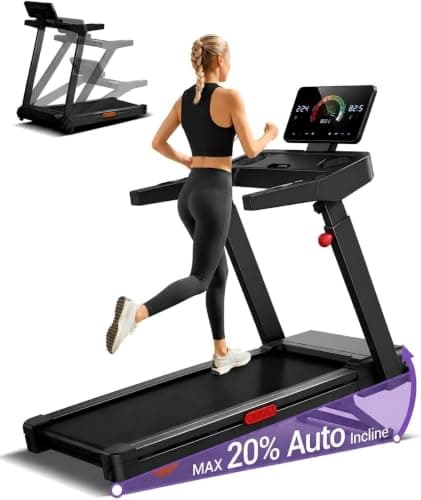
An honest UMAY 20% incline treadmill review: 3.5HP, 14km/h, a 108 x 40cm belt and a 180kg rating for around £240, plus the listing claims we'd question.
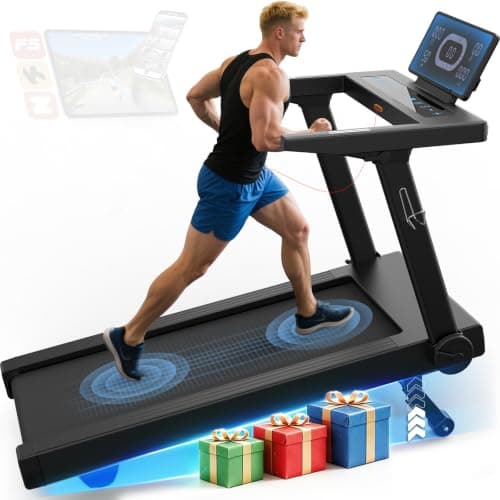
An honest Cowmew treadmill review: 20% auto incline, 20km/h, a 130 x 48cm deck and 180kg rating for £425, plus the 7HP and 40dB claims we doubt.
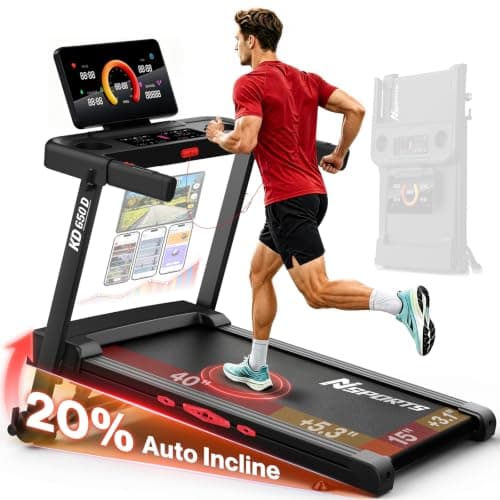
An honest Neezee treadmill review: 0 to 20% auto incline, 18km/h, a 46 x 115cm belt, 150kg rating and 5-year warranty for £350, plus the claims we doubt.
Best Exercise is a participant in the Amazon EU Associates Programme, an affiliate advertising programme designed to provide a means for sites to earn advertising fees by advertising and linking to Amazon.co.uk. As an Amazon Associate we earn from qualifying purchases. This comes at no extra cost to you and never influences our independent reviews or rankings.