Treadmills
How to Lubricate a Treadmill: Step-by-Step Belt Lube Guide
How to lubricate a treadmill belt in 10 minutes: which 100% silicone lube to use, how often, signs it's dry, step-by-step instructions and mistakes to avoid.

By Jacob Chambers, Founder & Lead Reviewer · Updated 9 August 2026
We may earn a commission from qualifying purchases made through links on this page, at no extra cost to you. This never affects our ratings.
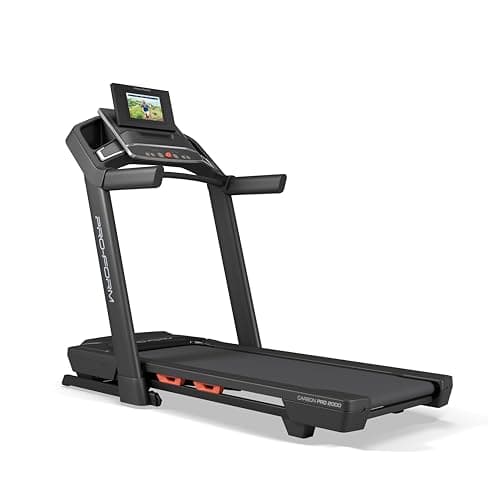
Most treadmills sold in the UK under £1,000 are walking machines with running-machine marketing: short decks, weak motors, and top speeds nobody sensible would use. The ProForm Carbon Pro 2000 is not that. It has a 3.0 CHP motor, a 152cm running belt, a 20km/h top speed and a 159kg user capacity, and those numbers are what separate a machine you can genuinely train on from one you'll outgrow in six months.
There's a catch, and it's the same catch attached to every iFIT-connected treadmill: the 10 inch touchscreen bolted to the console is built to sell you a subscription, and without one the machine is noticeably less interesting than the price suggests.
How we review
This review is based on ProForm's published UK specifications, verified owner feedback and independent expert testing, rather than a long-term hands-on test of this exact unit in our own home. We've reported findings that appear consistently across sources, including the criticisms. Price and availability were correct when this was written.
Runners who want to train properly indoors through a British winter, households with more than one user, and anyone over about 90kg who has found cheaper treadmills feeling flexy underfoot. It also suits people who genuinely enjoy guided classes, because that's where the money goes.
Skip it if you mainly want to walk. A walking pad or a cheaper folding model will do that job for a fifth of the cost, and you'd be paying over a thousand pounds for headroom you'll never touch.
Motor first. A 3.0 continuous horsepower motor is the number to look for if more than one person will run on the machine or if you're training for anything longer than a 10K. Continuous horsepower is the honest measure, unlike peak figures that budget brands like to print in large type, and 3.0 CHP means the motor isn't working near its limit at 12km/h with an 85kg runner on board.
Deck length is the other spec people underestimate. At 152cm, the Carbon Pro 2000 gives a tall runner room to stride out at pace without creeping towards the front console. Anything under 140cm shortens your natural gait, which changes your running form in ways you'll feel in your calves the next day.
| Motor | 3.0 CHP |
|---|---|
| Speed range | 1.5 to 20 km/h, 0.1 km/h increments |
| Incline | 0 to 12%, powered |
| Running belt | 51cm wide x 152cm long |
| Max user weight | 159 kg |
| Console | 10 inch Smart HD touchscreen, iFIT enabled |
| Cushioning | ProShox |
| Folding | SpaceSaver with EasyLift Assist |
| Extras | Bluetooth speakers, USB-C charging, CoolAire fan |
| Warranty | 2 yr parts and labour, 5 yr motor, lifetime frame |
Specifications above are taken from ProForm's UK product page for the Carbon Pro 2000.
The combination of a long belt, 1.9 inch rollers and ProShox cushioning gives a ride that's firm without being punishing. Cushioning on treadmills is oversold generally, but there's a real difference between a deck that flexes predictably under each footstrike and a cheap one that feels like running on a plank bolted to a shed floor. This is the former.
Incline changes happen quickly enough that interval sessions with hill repeats work properly rather than leaving you waiting for the deck to catch up. The 12% ceiling is the one specification I'd like higher; several competing treadmills reach 15%, and hill walking at maximum incline is one of the most useful things a treadmill does. There's no decline option at all, which rules out downhill running practice.
Noise is reasonable for a machine this size, though "reasonable" for a 3.0 CHP treadmill is still loud enough that a flat below will hear it. Sitting it on decent gym flooring makes a noticeable difference to the thud that travels through a floor.
This is where the honest assessment lives. The touchscreen runs iFIT, which means trainer-led classes where the machine adjusts your speed and incline automatically as the coach changes terrain. When it works it's genuinely engaging, and it's the single biggest reason people keep using a treadmill past February.
It's also a recurring cost, sold separately, that never stops. Buy this machine without intending to subscribe and you'll have paid a premium for a screen showing you a graph. In that case a simpler treadmill with a basic console and the same motor would serve you better, and our best treadmills for home use guide covers those.
Expect two hours and two people. It arrives on a pallet, weighs a substantial amount, and although the folding mechanism is hydraulically assisted, getting the base into position is a job for two backs rather than one. Once it's up, plan for a footprint of roughly 2 metres by 1 metre with clearance behind for a safety run-off, which is more than the folded dimensions suggest.
For most people, no, and it's worth saying so. The UK guidance is 150 minutes of moderate activity a week alongside strength work on at least two days (NHS physical activity guidelines for adults aged 19 to 64), and you can hit that on a £400 machine or on a pavement for nothing. Globally, physical inactivity is one of the leading risk factors for non-communicable disease mortality, and the fix is doing something regularly rather than doing it on expensive equipment (WHO physical activity fact sheet).
The Carbon Pro 2000 earns its price for people training with a specific goal: a marathon, a return to running after injury, or genuine winter mileage. Buy it for that reason and it's good value. Buy it as motivation and you'll have an expensive clothes rail by March.
If you're a runner rather than a walker, yes. The 152cm belt, 3.0 CHP motor and 20km/h top speed put it in a different class from the sub-£600 folding treadmills, and the 159kg user limit means it doesn't feel strained. Factor the iFIT subscription into your budget, because without it the screen does far less.
Not to run on it. Manual mode, quick speed and incline controls and basic onboard workouts all function without one. But the 10 inch touchscreen exists mainly to deliver iFIT classes with automatic incline and speed control, so without a subscription you're paying for a screen you'll barely use.
51cm wide by 152cm long. That's a proper running deck: taller runners and anyone doing faster intervals need at least 150cm of length, and plenty of cheaper treadmills stop at 120cm to 140cm, which forces you to shorten your stride.
Yes, it uses ProForm's SpaceSaver design with an EasyLift assisted hydraulic system, so the deck lifts and locks vertically. It's still a heavy machine and it isn't something you'll want to fold and unfold daily, but it recovers a useful amount of floor space between sessions.
0 to 12%, powered and adjustable mid-run. That covers hill sessions and incline walking comfortably. It doesn't offer a decline setting, which some rivals at this price include, and 12% is lower than the 15% you get on some competing models.
ProForm offers 2 years parts and labour, 5 years on the motor for parts, and a lifetime frame warranty, provided you register the machine within 28 days of delivery. Missing that registration window is an easy and expensive mistake.
How to lubricate a treadmill belt in 10 minutes: which 100% silicone lube to use, how often, signs it's dry, step-by-step instructions and mistakes to avoid.
Yes, you can put a treadmill on carpet, but a firm mat matters, especially on deep pile. How to choose a treadmill mat for carpet: size, thickness and material.
Fartlek training explained: what speed play is, how it differs from interval training, and easy outdoor and treadmill sessions with real times and paces.
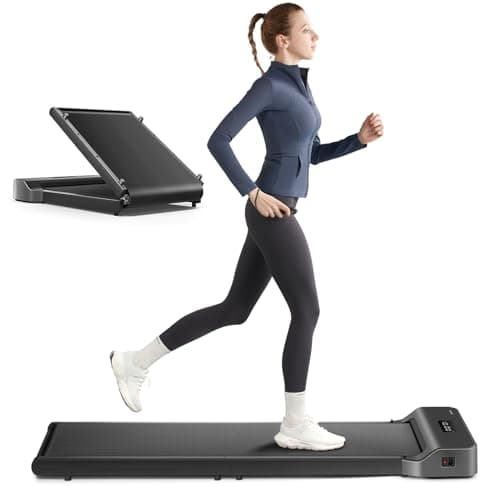
Our WalkingPad Z1 review: the 6km/h top speed, 121 x 40cm belt, 110kg limit, 23kg weight, 180 degree fold, noise claims and how it compares with the C2 and X21 in the UK.
Best Exercise is a participant in the Amazon EU Associates Programme, an affiliate advertising programme designed to provide a means for sites to earn advertising fees by advertising and linking to Amazon.co.uk. As an Amazon Associate we earn from qualifying purchases. This comes at no extra cost to you and never influences our independent reviews or rankings.