Rowing Machines
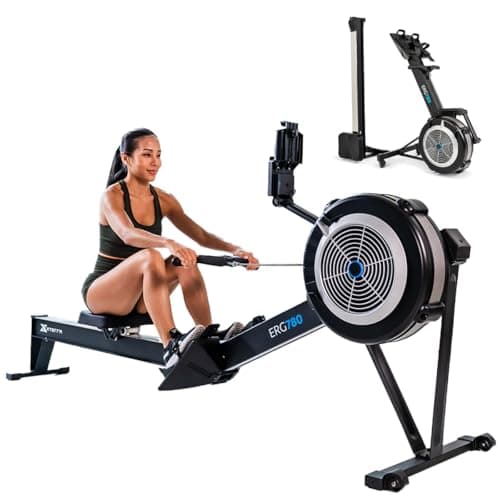
Xterra ERG780 Review: A Folding Air Rower at Half Concept2 Money
Our Xterra ERG780 air rower review covers the 10-level damper, Bluetooth FTMS app support, noise, monitor accuracy, folding storage and how it compares with a Concept2.

By Paul Kendrick, Cardio & Endurance Editor · Updated 26 June 2026
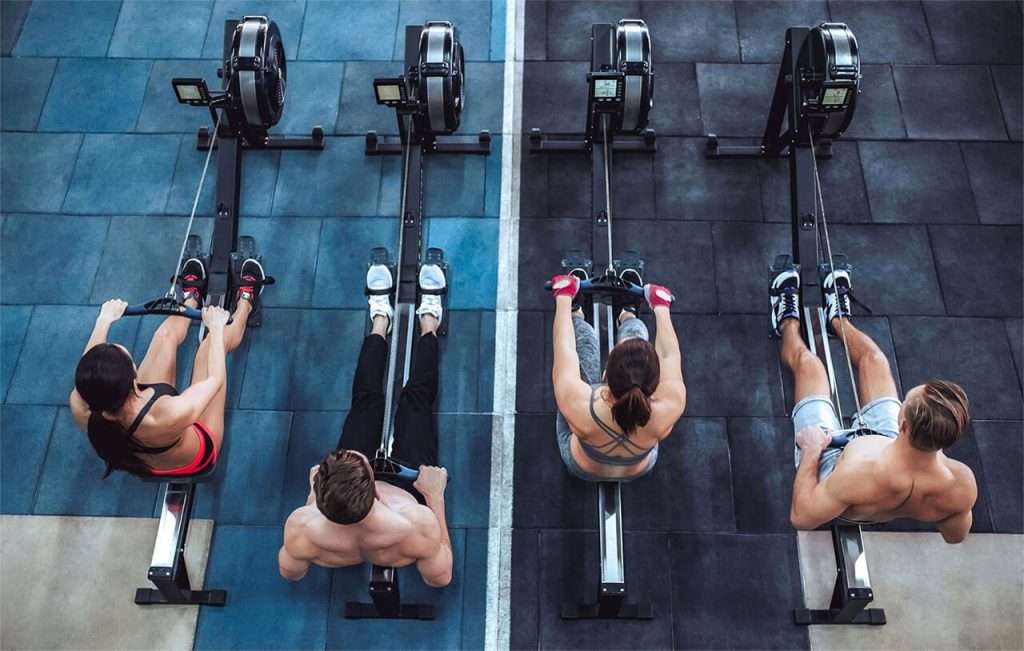
If you're wondering what type of rowing machine is best, the short answer is that it depends on your budget and goals, but air and magnetic rowers tend to offer the best all-round performance for home use. There are five main types of rowing machine on the market, and each varies in price, features and the kind of workout it delivers. Before you spend any of your hard-earned cash, it pays to know exactly what you're looking for.
We've done extensive research to break down each type so you can make an informed decision. The five main types of rowing machine are:
Each has its own advantages and disadvantages, and all of them can be used as home rowing machines very effectively. Let's look at each one in turn.


Elastic band rowing machines sit at the budget end of the market, alongside hydraulic rowers. If you're looking to keep your costs down, an elastic band or hydraulic machine is where you'll start.
They work by using resistance bands that increase the tension as you pull the handle towards you, much like stretching a strong elastic band. The further you pull, the harder it gets, which is what creates the workout. Because they rely on banded resistance, there are very few moving parts; the most complex component is usually the battery-operated LCD display.
Pros
Cons

Hydraulic rowing machines are still on the budget side, but they offer a few advantages over elastic band rowers. Crucially, hydraulic rowers usually deliver higher tension at the top of the stroke compared to the bottom, so you work more muscles as you move through the motion.
They also tend to have a more elaborate design, so you often get extra features such as an LCD screen, more resistance options and different workout programmes.
Pros
Cons

Magnetic rowing machines are a clear step up from the previous two types and are well suited to anyone with some fitness experience who wants more resistance and room to grow.
They work by using electromagnetic resistance to make the pull harder or easier. While they're typically pricier than elastic band and hydraulic rowers, they offer a big jump in quality, feel and difficulty, and they're still very reasonably priced, with some models starting from around £150.
Best balance of cost and quality
If you want a great home workout without paying air-rower prices, a magnetic rower is usually the sweet spot. The adjustable resistance lets you progressively overload as you get stronger.
Pros
Cons

Air rowing machines are the top tier of home rowing machines, and you'll find them in gyms and clubs as well as in homes. They usually pack in more features than magnetic rowers, including multiple tension levels, resistance curves for different workouts and even heart rate monitors built into the handlebars.
Air rowers are what most people picture when they think of a rowing machine. They use a flywheel that spins in the air as you pull. The harder you pull, the more air resistance is generated, and the harder the workout becomes.
If you want a home rowing machine that will last a long time and give you the biggest scope to improve without hitting the machine's upper limit, an air rower is the one to buy.
Pros
Cons

Water rowing machines are a newer development in the home market, having only really been widely available for ten years or so.
At the most basic level, water rowers use an adjustable amount of resistance to stop you simply going faster and faster as you pull, much like an air rower. The extra feature that makes them special is the water itself.
If you've never seen one in action, or heard one, they make a satisfying whooshing sound as the flywheel spins through the water. Most people love the noise, but it's worth watching a few videos online to make sure you like it before buying.
Pros
Cons
If you want a home rowing machine that will last a long time and give you the most room to improve without hitting the machine's upper limit, our recommendation is to invest in an air rower.
If you'd prefer something a little more budget-friendly, a magnetic rower is your best option. Starting from around £150 to £200, they're a big step up from hydraulic and elastic band machines and still give you a great workout at home.
If you want to spend as little as possible, an elastic band or hydraulic rower is for you. They're not quite as good on quality or rowing feel, but you'll still get the benefits of rowing at home, and they typically start from around £80.
We hope you found this guide useful. If you're still unsure what type of rowing machine is best for you, leave a comment below and one of our experts will be happy to help.
For most people, an air rower offers the best long-term performance and most closely mimics rowing on water. If you want a quieter, more affordable option, a magnetic rower is the best balance of cost and quality.
Elastic band and hydraulic rowers are the cheapest, often starting from around £80. They're a fine entry point, but a magnetic rower from around £150 to £200 is a big step up in quality and resistance.
Both use a flywheel and offer resistance that increases the harder you pull. An air rower spins the flywheel through air, while a water rower spins it through a tank of water, giving a quieter movement and a distinctive whooshing sound that feels closer to rowing on real water.
Our Xterra ERG780 air rower review covers the 10-level damper, Bluetooth FTMS app support, noise, monitor accuracy, folding storage and how it compares with a Concept2.
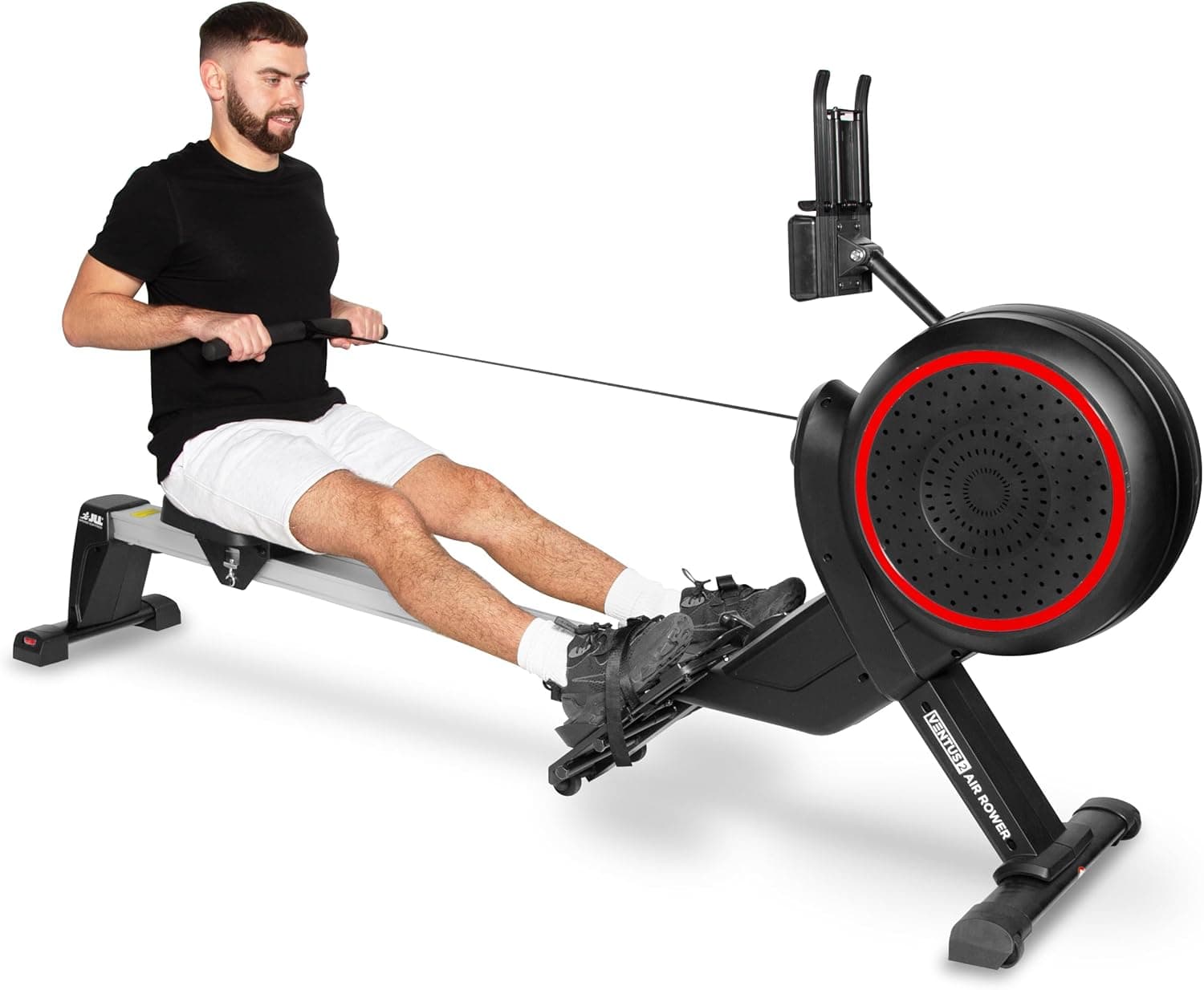
The best foldable rowing machines in the UK for 2026, compared on folded footprint, rail length and weight limit. Picks from JLL, DMASUN, YPOO, Viavito and MERACH for every budget.
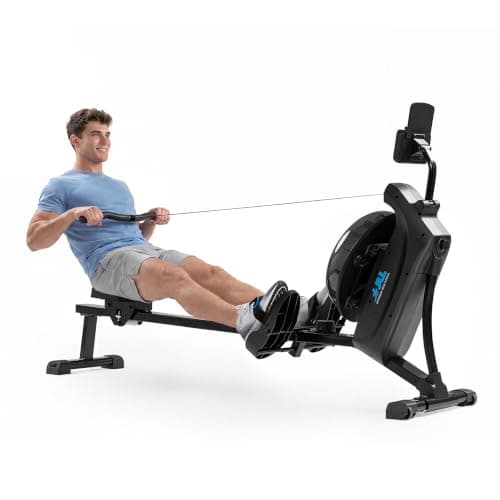
An honest JLL water rowing machine review of the dual resistance rower: the 60 degree tank, 16 magnetic levels, 130cm rail, 150kg capacity, SunnyFit app and who it suits.
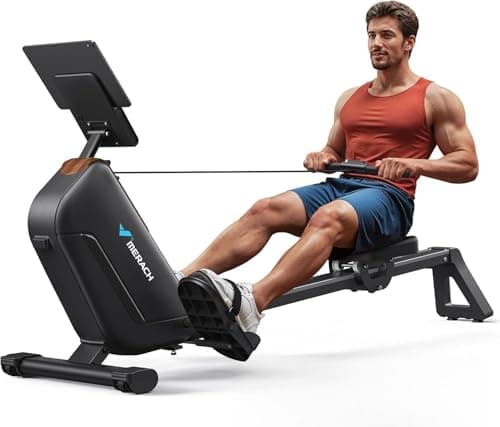
An honest MERACH R15 Pro review: 40kg peak electromagnetic resistance, 16 levels adjusted from the handlebar, a 130cm rail, 158kg capacity and who this £300 rower suits.
Best Exercise is a participant in the Amazon EU Associates Programme, an affiliate advertising programme designed to provide a means for sites to earn advertising fees by advertising and linking to Amazon.co.uk. As an Amazon Associate we earn from qualifying purchases. This comes at no extra cost to you and never influences our independent reviews or rankings.