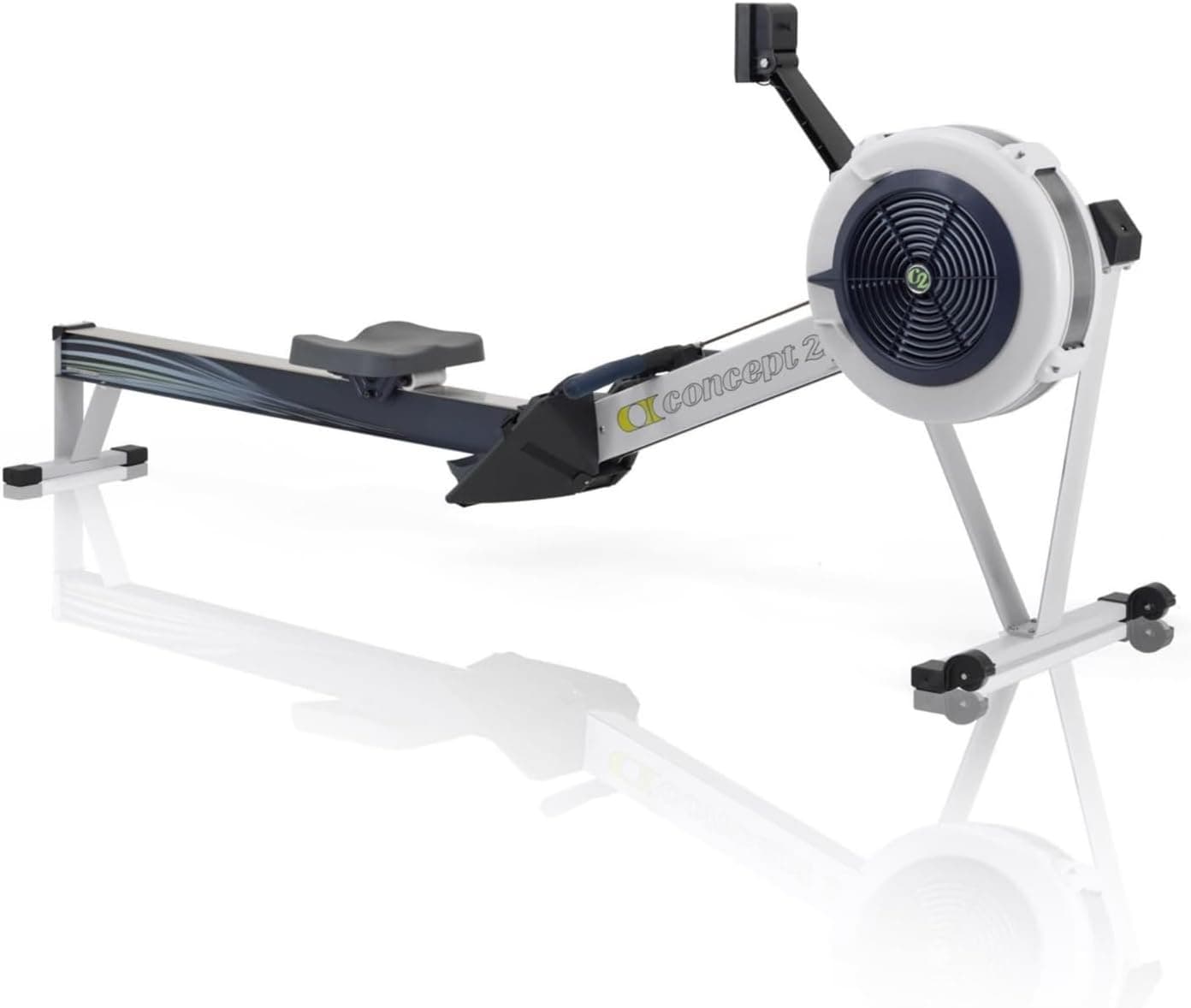
The Concept2 Model D, now sold as the RowErg, is the air rowing machine you see in almost every gym, CrossFit box and rowing club in the country, and it is the one serious rowers keep coming back to. It is a full-body air rower with a flywheel that gets harder the faster you pull, paired with the excellent PM5 performance monitor. It suits everyone from a complete beginner who wants one machine they will never outgrow to an experienced rower chasing split times. The headline verdict is simple: it is expensive, but it is as close to a buy-it-for-life rower as you can get, and almost nothing else competes on feel, data and durability.
How we review
We have not run our own long-term hands-on test of this exact unit. This review is built from extensive owner reviews on Amazon UK and rowing forums, established expert testing, and the manufacturer's published specs. We focus on the things buyers actually ask about: how it feels to row, how loud it is, how well it lasts and whether it earns its price.
What it is and who it's for
The Model D is an air resistance rower, which means the resistance comes from a fan flywheel spinning against the air. There are no motors and no electronics in the resistance itself, so the harder and faster you pull, the more it pushes back. That makes it endlessly scalable: the same machine works for a gentle recovery row and a flat-out 500m sprint, which is why it is the default choice for clubs and competition.
A damper lever on the side of the cage adjusts how much air reaches the flywheel, from 1 to 10. This is not really a resistance setting in the way people expect; it changes the feel of the stroke (lower feels like a sleek racing shell, higher feels like a heavier boat), while your actual effort is set by how hard you pull. Most rowers settle around a damper of 3 to 5 for steady work.
Pros
Smooth, scalable air resistance that suits every level
Brilliant PM5 monitor with accurate, comparable data
Exceptional build quality, commonly lasts 10+ years
Separates into two pieces for easy storage
Outstanding resale value if you ever sell it
Free ErgData app and online logbook, no subscription
Cons
Loud whooshing sound from the flywheel
Premium price compared with home-only rowers
Long footprint when set up for use
Plain, functional looks rather than a design piece
Build and feel
This is where the Model D justifies its reputation. The frame is aluminium and steel, the nickel-plated chain runs smoothly, and the whole thing feels planted and rigid even during hard pulls. Owners routinely report units running for ten years or more with little more than the odd chain oil and a wipe of the monorail. That longevity is a big part of the value: spread over a decade of use, the price per session is low.
The 244 cm monorail gives a long, comfortable slide, and the moulded seat sits at a low height, which most people find fine but very tall or less mobile users sometimes find a touch low to get up from (the taller Model E exists for that reason). The handle and ergonomic grip are comfortable enough for long sessions without tearing up your hands. The high maximum user weight means it suits a very wide range of body types.
Concept2 Model D (RowErg) key specs
Resistance
Air flywheel, damper 1 to 10
Monitor
PM5, Bluetooth and ANT+
Length
244 cm (96 in)
Seat height
Approx 35 cm (14 in)
Max user weight
227 kg / 35.7 st
Storage
Separates into two parts, no fold
Frame warranty
5 years (2 years on PM5)
The PM5 monitor
The PM5 is the part that sets Concept2 apart, and it is the reason the brand is the standard for racing. It shows pace per 500m, watts, stroke rate, distance, time and calories, and the numbers are accurate and comparable from one machine to the next, so a time you set on your rower means the same as one set in a gym. It runs on its own with batteries, so you do not need a phone, and it stores your workouts.
Connectivity is generous: Bluetooth and ANT+ let it pair with heart rate straps and apps, and the free ErgData app plus the online logbook track your history with no monthly fee. That last point matters. Plenty of rivals lock their best features behind a subscription, while Concept2 gives you everything for the price of the machine. The screen itself is not a glossy touchscreen, and it does not stream classes, so if you want a Peloton-style experience this is not it. It is a serious training tool rather than entertainment.
Noise and the honest downsides
The biggest practical drawback is noise. Air rowers are louder than magnetic or water rowers by design, and the Model D makes a clear whooshing sound as the flywheel spins, plus some chain noise. In a house this is no problem, but in a flat the bigger issue is often the seat rolling on the rail, which can transmit through the floor to a neighbour below. If silence is essential, a magnetic rower is a better fit, and we cover those in our guide below.
The other honest points are the price, which sits at a premium over home-focused rowers, and the long footprint when it is set up (you do get most of that space back by standing it upright). The looks are plain and functional rather than the wood-and-water style some buyers want in a living room. None of these are flaws in how it rows; they are trade-offs you accept to get the best rowing feel and data on the market.
Concept2 RowErg Review: Still The Gold Standard?
Value and the verdict
The Model D is not cheap, and there are perfectly good magnetic rowers for a fraction of the price. But almost no other piece of home cardio kit holds its value the way this one does, second-hand units sell for close to retail, and it is built to outlast several cheaper machines bought one after another. If you will row regularly and want a machine you will never need to upgrade, it is one of the easiest recommendations in home fitness.
If the price is a stretch, or noise rules out an air rower, compare it against the quieter and cheaper options in our best rowing machine UK guide, and browse the rest of our rowing machines reviews to find the right fit.
Frequently asked questions
Is the Concept2 Model D the same as the RowErg?
Yes. Concept2 renamed the Model D to the RowErg in 2021, but it is the same machine with the same flywheel, frame and PM5 monitor. Listings often still use the Model D name, so you may see both terms for the identical rower.
Is the Concept2 Model D too loud for a flat?
It is louder than a magnetic rower. The air flywheel makes a clear whooshing sound as you pull, and the seat rolling on the rail can transmit through the floor. For a detached house it is fine, but in a flat with neighbours below it can be an issue, especially early or late.
Does the Concept2 Model D fold for storage?
It does not fold, but it separates into two pieces in seconds using a quick-release framelock, so you can stand it upright in a corner. It rolls on its front castors when assembled. Stood up it takes up a fairly small footprint for such a long machine.
Is the Concept2 Model D worth the money?
For most people who will use it regularly, yes. It costs more than budget rowers but it is the machine used in gyms and competitions, it lasts for decades and it holds its resale value better than almost any other piece of home cardio kit.
What is the difference between the Concept2 Model D and Model E?
The Model E sits about 15 cm higher off the floor, which makes getting on and off easier, and it has a fixed monitor arm and a partly enclosed chain. The Model D is lower and a little cheaper. The rowing feel and the PM5 monitor are identical.
What an air rowing machine is, how fan resistance and the damper really work, why gyms use them, the downsides (noise, size) and what to look for before you buy.
What a magnetic rowing machine is, how eddy-current resistance works, the real pros and cons versus air and water, and what to check before you buy one.
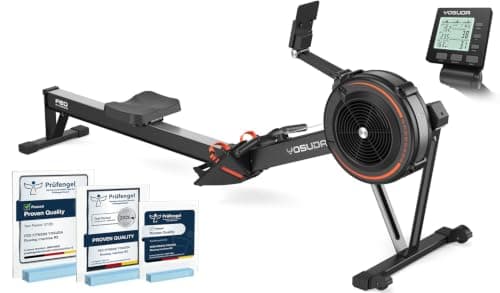
Our YOSUDA R2 air rowing machine review covers the 32-blade fan, 10-level damper, self-powered monitor, 158kg limit and how it compares with a Concept2.
Best Exercise is a participant in the Amazon EU Associates Programme, an affiliate advertising programme designed to provide a means for sites to earn advertising fees by advertising and linking to Amazon.co.uk. As an Amazon Associate we earn from qualifying purchases. This comes at no extra cost to you and never influences our independent reviews or rankings.