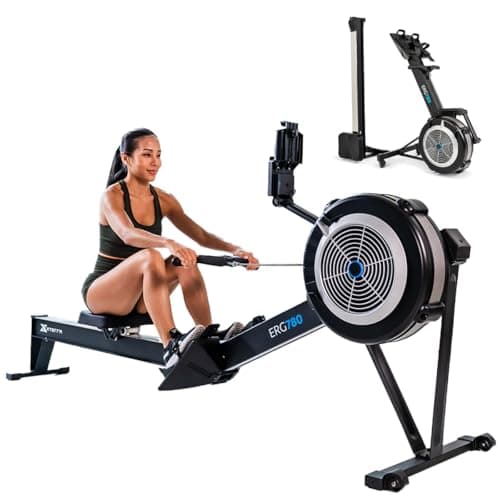
Rowing Machines
Xterra ERG780 Review: A Folding Air Rower at Half Concept2 Money
Our Xterra ERG780 air rower review covers the 10-level damper, Bluetooth FTMS app support, noise, monitor accuracy, folding storage and how it compares with a Concept2.

By Paul Kendrick, Cardio & Endurance Editor · Updated 27 July 2026
We may earn a commission from qualifying purchases made through links on this page, at no extra cost to you. This never affects our ratings.
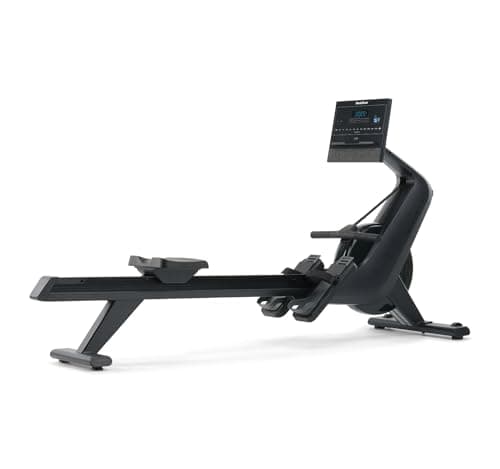
The NordicTrack RW300 is the entry point into NordicTrack's rowing range in the UK, sitting around £799 on Amazon and aimed squarely at people who want structured, guided cardio at home rather than a bare ergometer. It is a magnetic rower with a motor that changes the resistance for you, 26 digital levels, a 5 inch screen and deep hooks into iFIT, NordicTrack's class platform. Judge it as a piece of hardware and it is decent but unexceptional. Judge it as a coaching system with a rower attached, which is how it was designed, and it makes a lot more sense.
The core question with any NordicTrack machine is whether you will pay the subscription. Buy the RW300, skip iFIT, and you have spent £799 on a quiet magnetic rower whose closest rivals cost £400. Buy it and actually use the classes, and the automatic resistance changes turn every session into something you follow rather than something you have to design.
How we review
This review draws on NordicTrack's published UK specifications, verified owner reviews on Amazon UK, and hands-on coverage from established fitness outlets. We have not put this specific unit through a months-long endurance test of our own, so we report only findings that recur consistently across sources, including the complaints.
Someone building a home cardio habit from a standing start, who wants a coach in the machine and does not want to think about programming their own intervals. The RW300 handles that job well. It suits smaller households too, because silent magnetic resistance means you can row at 6am without waking anyone, which is not true of an air rower.
It is the wrong machine for a competitive rower or anyone who trains to split times, since the 5 inch console and NordicTrack's metrics do not replace a Concept2 PM5 monitor. If that is you, our best rowing machine UK guide covers the ergometers that do.
Magnetic resistance behaves differently from air. On a Concept2 or any fan rower, pulling harder makes the stroke harder, because the fan meets more air. On the RW300 the drag is set by a magnet and stays where you put it, so a level 12 stroke feels the same whether you are cruising or emptying yourself. Which one you prefer is largely a matter of what you have used before.
For structured training, the magnetic system has a real advantage: the resistance is repeatable. Level 14 today is level 14 next Tuesday, so you can compare sessions without worrying about damper settings or air temperature. It also makes the automatic changes possible, and watching the resistance climb by itself as a trainer calls for a push is the single most engaging thing about the machine.
The stroke itself is smooth, and the moulded seat is better than the flat plastic pads on cheaper rowers. Owners consistently praise the handle, which has enough grip texture to stay put with sweaty hands without shredding your palms. Six weeks of regular rowing produces meaningful cardiorespiratory adaptations even in previously untrained people (International Journal of Environmental Research and Public Health, 2023), and the RW300 makes those six weeks easy to actually complete.
| Resistance type | Motorised silent magnetic |
|---|---|
| Resistance levels | 26 digital, with SmartAdjust |
| Display | 5 in LCD with device shelf |
| Max user weight | 136 kg |
| Dimensions in use | 206.5 x 63 x 111.8 cm |
| Machine weight | 58.1 kg |
| App | iFIT, 1 month included |
| Data sync | Strava, Garmin Connect, Apple Health |
| Charging | USB-C on the shelf |
| Warranty | 2 years parts and labour, register within 28 days |
The 5 inch LCD is the RW300's weakest component and the reason NordicTrack built a device shelf into it. It shows time, distance, stroke rate, calories and resistance clearly enough, and there are shortcut buttons to jump resistance levels without scrolling. What it cannot do is show you a class, so the intended setup is your own tablet propped in front of you running iFIT while the small screen handles the numbers.
That works better than it sounds, and the USB-C port keeps the tablet alive. It also means the real screen quality depends on hardware you already own, which is arguably a sensible way to spend £799.
iFIT itself is the draw. Trainer-led rows filmed in real locations, structured interval sessions, and SmartAdjust changing the resistance so you follow rather than fiddle. NordicTrack quotes over 10,000 workouts across the platform, and it covers far more than rowing, so a household can share one subscription across running, strength and yoga. One month comes with the machine. After that you pay, and the honest calculation is whether an annual subscription plus £799 still looks like good value against a Concept2 with no subscription at all.
At 206.5cm long and 58.1kg, this is a substantial object. Front transport wheels let you tip it and roll it, but you need a room where two metres of floor can be given over to a rower most of the time. Assembly is straightforward and takes an hour or so; the awkward part is manoeuvring the boxed machine into the room in the first place.
The frame feels solid through hard strokes with no flex or rattle, and the wide pivoting pedals with adjustable straps fit a range of foot sizes. Where NordicTrack falls short is cover. Two years of parts and labour, conditional on registering within 28 days, is thin for this money. It is the single specification I would want improved before recommending the RW300 without qualification, because a rower is a ten-year purchase and the electronics are the part most likely to fail.
At £799, the RW300 costs roughly twice what a competent magnetic rower from Merach or JLL costs, and roughly the same as a used Concept2 Model D. You are paying for the motorised resistance, the iFIT integration and the brand. Against a Concept2 Model D, the RW300 loses on durability, resale value and data quality, and wins on quietness, guided coaching and the fact that a beginner is far more likely to keep using it.
That last point matters more than spec sheets suggest. The NHS recommends at least 150 minutes of moderate activity a week for adults (physical activity guidelines), and the machine you actually get on is worth more than the technically superior one gathering dust. If iFIT is what gets you rowing four times a week, the price is defensible. Full specifications are published on the official NordicTrack UK product page.
For alternatives across price points, see our best rowing machine UK guide and our budget rowing machine picks, or browse everything in the rowing machines section.
No. The rower works perfectly well in manual mode using its own 5 inch console, and you can set any of the 26 resistance levels by hand. But SmartAdjust, the trainer-led classes and the automatic resistance changes all live behind iFIT, and one month is included with the machine. Buying an RW300 and never subscribing means paying NordicTrack prices for a fairly ordinary magnetic rower.
Motorised silent magnetic resistance with 26 digital levels, changed from buttons on the console or automatically by iFIT. There is no air fan or water tank, so it is genuinely quiet, and the drag stays consistent whether you pull hard or gently. That consistency is a strength for structured intervals and a weakness if you want an air rower's build-your-own-resistance feel.
It measures roughly 206.5cm long, 63cm wide and 111.8cm tall in use, and weighs 58.1kg. That is over two metres of floor plus room behind you for the seat travel and your own arms. Front transport wheels make it possible to tip and roll the machine out of the way, but this is not a rower you tuck behind a sofa.
Yes, and it is arguably at its best there. The iFIT classes walk you through the stroke, SmartAdjust takes the guesswork out of picking a resistance level, and the ergonomic handle and moulded seat are comfortable enough for someone who is not used to 30 minutes of rowing. Experienced rowers chasing split times will find the 5 inch console limiting.
136kg, which is standard for a home rower at this price and below the 158kg you get on some premium machines. The frame feels stable well within that limit, but if you are close to the ceiling it is worth looking at a sturdier commercial-grade rower instead.
Two years on parts and labour, and only if you register the machine within 28 days of delivery. For an £800 machine that is short. Concept2 covers its rowers for considerably longer, and that gap is the strongest argument against the RW300 for anyone planning to keep a rower for a decade.
Our Xterra ERG780 air rower review covers the 10-level damper, Bluetooth FTMS app support, noise, monitor accuracy, folding storage and how it compares with a Concept2.
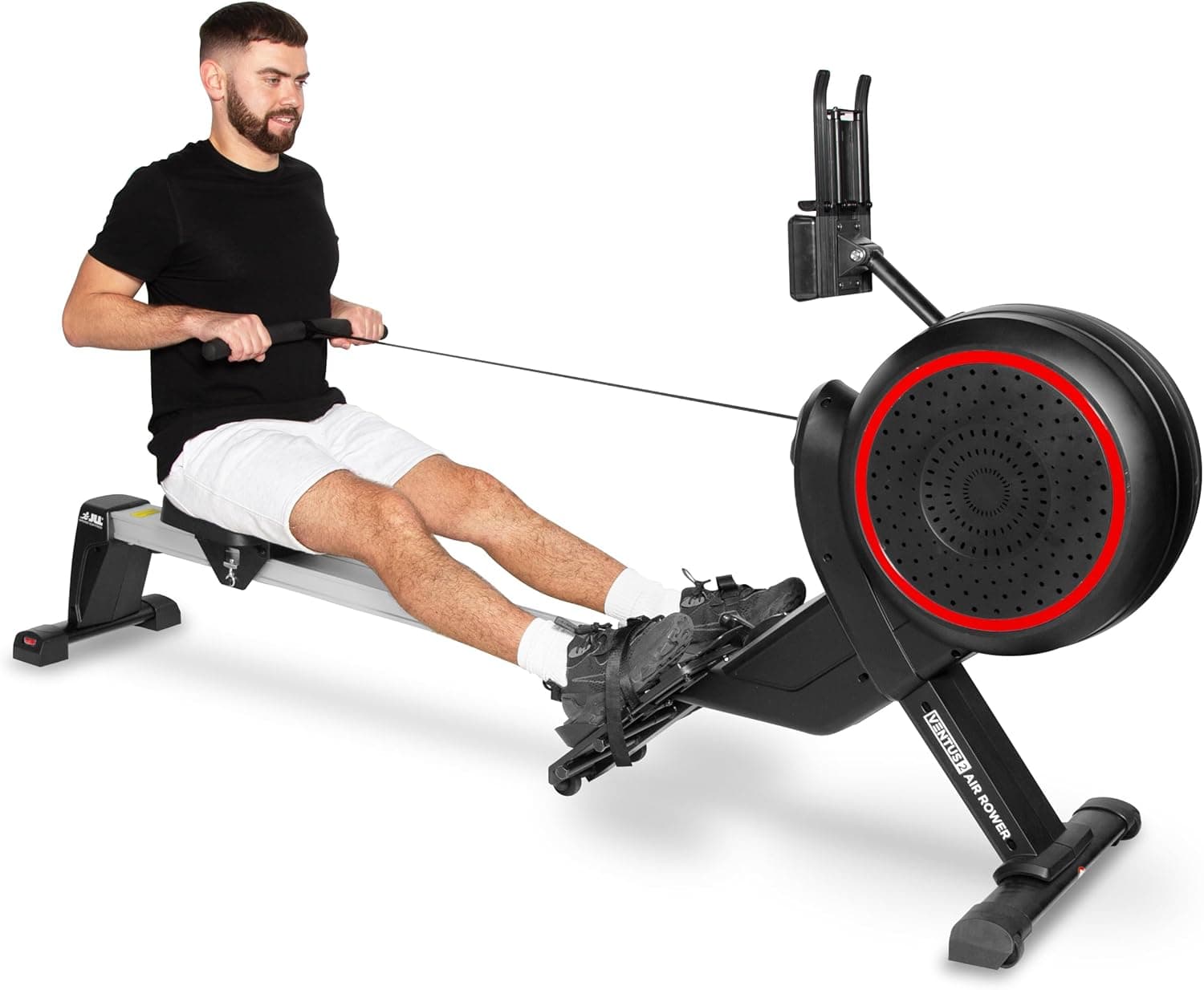
The best foldable rowing machines in the UK for 2026, compared on folded footprint, rail length and weight limit. Picks from JLL, DMASUN, YPOO, Viavito and MERACH for every budget.
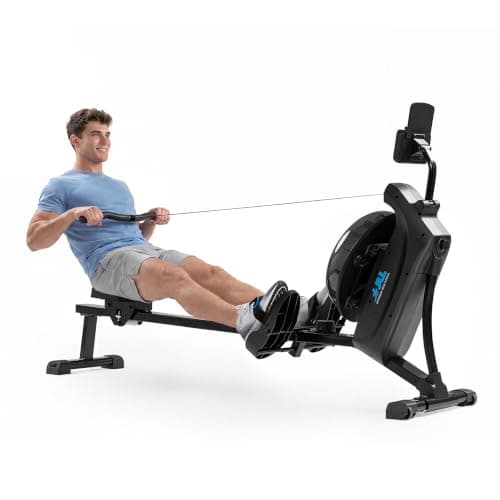
An honest JLL water rowing machine review of the dual resistance rower: the 60 degree tank, 16 magnetic levels, 130cm rail, 150kg capacity, SunnyFit app and who it suits.
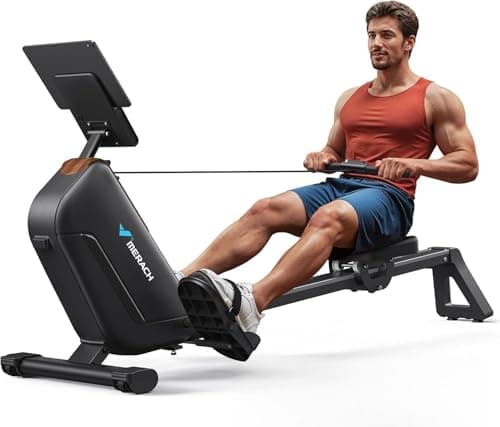
An honest MERACH R15 Pro review: 40kg peak electromagnetic resistance, 16 levels adjusted from the handlebar, a 130cm rail, 158kg capacity and who this £300 rower suits.
Best Exercise is a participant in the Amazon EU Associates Programme, an affiliate advertising programme designed to provide a means for sites to earn advertising fees by advertising and linking to Amazon.co.uk. As an Amazon Associate we earn from qualifying purchases. This comes at no extra cost to you and never influences our independent reviews or rankings.