Suunto vs Garmin: Which Sports Watch Brand Should You Buy in 2026?
By Paul Kendrick, Cardio & Endurance Editor · Updated 19 November 2026
Buy a Suunto if you want maps and long battery life without paying flagship money: every current Suunto, from the £217 Race S to the Vertical 2, ships with free offline maps and dual-band GPS, which Garmin keeps for watches costing £400 and up. Buy a Garmin if you want the smarter watch and the better coach. Garmin Connect's training analysis is deeper, and Garmin Pay and Spotify simply don't exist on Suunto. The Suunto Race S at around £217 is the value pick in this guide; the Forerunner 265 at around £255 is the one for runners who'd miss paying with their wrist.
The two brands disagree about what a sports watch is for. Suunto, a Finnish company with its roots in compasses and dive computers, thinks it's a navigation and endurance tool. Garmin thinks it's a training computer that also runs your day, and it prices the maps accordingly.
How we compared them
This guide uses Suunto's and Garmin's published specifications and manuals, our existing research-based reviews of each watch, and Amazon UK prices checked on 19 November 2026. We haven't worn these watches side by side for this piece, so battery figures are the makers' claims rather than our own measurements. Prices change often, so check the listing before you buy.
The price ladders side by side
Tier
Suunto (price)
Garmin (price)
Battery, best GPS mode (claimed)
Offline maps
Entry road running
Run 2 (around £265)
Forerunner 165 Music (around £185)
24 hours dual-band vs 19 hours
Suunto yes, Garmin no
Mid-range
Race S (around £217)
Forerunner 265 (around £255)
30 hours multi-band vs 20 hours
Suunto yes, Garmin no
Premium
Race 2 (around £406)
Forerunner 965 (around £400) or 970 (around £578)
55 hours multi-band vs 31 hours (965, GPS only) and 21 hours (970, multi-band)
Yes on all
Flagship outdoor
Vertical 2 (around £538 steel)
fenix 8 47mm AMOLED (around £485)
65 hours multi-band vs 47 hours
Yes on all
Two things jump out. Suunto's battery figures are higher at every tier, sometimes by more than double, and Suunto gives you maps on watches where Garmin gives you a breadcrumb line on a blank screen. The odd one out is the entry tier, where the Garmin is £80 cheaper, and the flagship tier, where the fenix 8 had dropped below the Vertical 2 when we checked.
Brand by brand: where each one wins
App and ecosystem
Garmin wins this, and it isn't close. Garmin Connect gives you Training Readiness on the 265 and above, HRV Status, Body Battery, daily suggested workouts that shift with your recovery, free Garmin Coach plans and the Connect IQ store of watch faces, data fields and apps. It's sprawling and takes a few weeks to learn, but the depth is real.
Suunto's app has improved a lot over the last few years, though it still trails. Suunto Coach and the training load views are included free, the heatmaps for route planning are genuinely useful, and Suunto lists 300 plus partner apps including Strava and TrainingPeaks. The complaints in our Race S review still apply: map downloads go country by country, and terms like CTL and ATL appear with no explanation for a newcomer.
Money matters here too. Garmin sells an optional Connect+ subscription, widely reported at £6.99 a month in the UK, for AI insights and some live features. The core metrics aren't behind it, but Suunto charges nothing beyond the watch.
Maps and navigation
This is Suunto's strongest card. The Race S, Race 2, Vertical 2 and Run 2 all get free offline maps with route navigation, and Suunto's Race S page lists breadcrumb guidance on top. The Race 2 and Vertical 2 add Climb Guidance, which breaks a route's ascents into individual climbs so you can pace the hill you're on rather than guess.
Garmin's mapping is excellent once you pay for it: full colour TopoActive maps, turn-by-turn prompts and round-trip routing that builds a loop of a chosen distance. But the Forerunner 165 and 265 don't have it. You need a 965, 970 or fenix to get a map under the line.
Battery
Suunto, comfortably. The gap is starkest in the high-accuracy modes people actually race in. Suunto rates the Race 2 at up to 55 hours in performance mode with multi-band GPS. Garmin's own Forerunner 970 manual gives that watch up to 21 hours in All + Multi-Band mode and 26 hours on GPS only, falling to 12 hours if you play music in multi-band. For a hilly ultra or a long weekend away, that's the difference between packing a cable and not.
Daily wear is closer. The Race 2 quotes 18 days with heart rate on, the 970 quotes 15, and always-on display settings cut both hard.
Training metrics
Garmin again. Training Readiness, Training Status, the race predictor and the Forerunner 970's Running Tolerance all feed a daily recommendation that's genuinely useful if you follow a plan. Suunto has training load, HRV recovery, a race time estimator and Suunto Coach, and the Run 2 adds a Marathon mode with live finish prediction, but the analysis is thinner and its training status readout is the part owners trust least.
Smartwatch features
No Suunto watch here does contactless payment, and none streams Spotify. The Run 2 stores music you load yourself; the Race S lists music controls for your phone. Every Garmin in this guide runs Garmin Pay and stores offline playlists from Spotify, Amazon Music or Deezer, and the fenix 8 adds a speaker and microphone for calls. If you want one device on your wrist and nothing in your pocket, that decides it.
Build
Broadly level, with Suunto giving you more metal for less. The Race S has a titanium bezel option, the Vertical 2 is rated to 100m and comes in steel or titanium, and Suunto's AMOLED panels (2,000 nits on the Run 2 and Vertical 2) hold their own against Garmin's. The fenix 8 is the toughest watch in this guide, with sealed metal buttons and a 40m dive rating.
Suunto Race S vs Garmin Forerunner 265
This is where most runners should be looking.
The Suunto Race S was around £217 on Amazon UK when we checked, with only one left in stock on that listing, so the price may not last. It's a 45mm AMOLED watch with multi-band GPS, free offline maps, up to 30 hours of GPS in performance mode and up to 9 days of daily use. We rated it 4.4 out of 5 and docked it for the app, not the hardware.
The Forerunner 265 was around £255. Garmin quotes up to 13 days of smartwatch battery and 20 hours of GPS, so it lasts longer between charges day to day and less long on a run. It has no maps. What it does have is Training Readiness, Garmin Pay, offline music and an app that tells you what to run tomorrow, which is why we rate it 4.5 and still call it the runner's watch to beat.
Our pick: the Race S if you run trails, travel or ride somewhere you might get lost, and it's cheaper too. The 265 if you run roads, want to be coached and like leaving the phone at home.
The Suunto Race 2 was around £406. It has a 1.5 inch AMOLED, up to 55 hours of multi-band GPS, up to 18 days of daily use, free maps with Climb Guidance and Suunto Coach included. The first-generation Race is still around too, and our Suunto Race review covers whether it's worth saving on.
The Forerunner 965 was almost exactly the same price at around £400. Garmin quotes 23 days of smartwatch battery and 31 hours of GPS-only tracking, with full colour maps, music and Garmin Pay. On paper the Race 2 wins on GPS endurance by a distance, while the 965 wins on everything around the run.
The Forerunner 970 costs around £578 and adds an LED torch, ECG, a sapphire lens and Running Tolerance. Garmin's manual gives it 15 days of smartwatch use and 21 hours in multi-band mode, which is well under half the Race 2's figure. That's a lot of money for features that matter less on a mountain than on a commute.
At this tier we'd buy the Race 2 for trail running, hiking and ultras, and the 965 rather than the 970 if you want Garmin. The 970's extras aren't worth £170 more to most runners.
Suunto Vertical 2 vs Garmin fenix 8
These are the flagships, and the gap narrows.
Suunto's Vertical 2 quotes up to 65 hours in performance mode with multi-band GPS, 20 days of daily use, a 1.5 inch LTPO AMOLED, an LED flashlight and 100m water resistance, according to its official product page. The steel version lists at around £538. Its Amazon UK listing was showing as currently unavailable when we checked, so you may need to buy direct.
The fenix 8 47mm AMOLED had fallen to around £485 on Amazon. Garmin quotes 16 days of smartwatch battery and up to 47 hours of GPS, and adds a speaker and microphone, a 40m dive rating, sealed metal buttons, Garmin Pay, music and the full Connect IQ store. It has a flashlight too.
The Vertical 2 wins on battery and costs more. The fenix 8 wins on almost everything else and, at its current price, is the better buy for most people. Pick the Suunto only if multi-day expeditions without a charger are the whole point.
Suunto Run 2 vs Garmin Forerunner 165
The original Suunto Run was a cheap, light watch with a dim screen and no maps. The Run 2 replaced it in September 2026, and it's the version to compare now.
At around £265, the Run 2 weighs 35g without its strap, has a 2,000 nit 1.32 inch AMOLED, dual-band GPS, free worldwide offline maps and onboard music. Suunto's Run 2 page quotes 24 hours of dual-band GPS and up to 10 days of training use. Check whether a listing is the 4GB or 64GB storage version, since maps and music share that space.
The Forerunner 165 Music was around £185, with single-band GPS only, 19 hours of GPS and 11 days of smartwatch battery. No maps. You do get Garmin Pay, Spotify playlists, HRV Status and Garmin's daily suggested workouts. The non-music Forerunner 165 is cheaper again.
For a first proper running watch, the 165 Music is the better value: £80 buys a lot of race entries. The Run 2 earns its premium if you'll use maps on holiday or in a new city, or if the brighter screen and dual-band tracking matter to you.
Who should buy which
Buy Suunto if you navigate on the watch, care more about hours of GPS than about apps, and don't want a subscription anywhere near your training. The Race S for most runners, the Race 2 for trails and ultras, the Vertical 2 for expeditions.
Buy Garmin if you want to be coached day to day, pay with your watch or listen to Spotify on the run. The Forerunner 265 is the sweet spot, the 965 is the best Garmin with maps at its current price, and the fenix 8 is the premium pick. Our best Garmin watch guide covers the rest of the range, and if you're also weighing a third brand, COROS vs Garmin runs the same comparison against COROS.
On hardware for the money, often yes. Every current Suunto in this guide comes with free offline maps and dual-band GPS, and the Race S does that for around £217, while the cheapest Garmin with maps is the Forerunner 965 at around £400. Garmin is better on software: Garmin Connect's training analysis is deeper, and Garmin Pay, Spotify and the Connect IQ store have no Suunto equivalent. Choose Suunto for navigation and battery per pound, Garmin for coaching and smart features.
Do Suunto watches have contactless payment?
No. None of the Suunto watches covered here (Race S, Race 2, Vertical 2 or Run 2) supports contactless payment. Garmin Pay is available on every Garmin in this comparison, from the Forerunner 165 Music up to the fenix 8.
What is the Suunto equivalent of the Garmin Forerunner 265?
The Suunto Race S. It cost around £217 on Amazon UK when we checked, against around £255 for the Forerunner 265. Suunto quotes up to 30 hours of multi-band GPS and 9 days of daily use; Garmin quotes 20 hours of GPS and 13 days for the 265. The Race S adds free offline maps, while the 265 adds Garmin Pay, music storage and Training Readiness.
Does Suunto charge a subscription like Garmin Connect+?
No. The Suunto app, Suunto Coach training guidance and the offline maps are free. Garmin Connect is also free for the core metrics, but Garmin sells an optional Connect+ plan, widely reported at £6.99 a month or £69.99 a year in the UK, for extras such as AI insights.
Is the Suunto Vertical 2 a good alternative to the Garmin fenix 8?
For long days outdoors, yes. Suunto quotes up to 65 hours of multi-band GPS for the Vertical 2, against up to 47 hours on the fenix 8 47mm AMOLED, and both have an LED flashlight and free maps. The fenix 8 adds a speaker and microphone for calls, a 40m dive rating, Garmin Pay and a far bigger app ecosystem, and at around £485 it was cheaper than the Vertical 2's £538 steel price when we checked.
WHOOP MG vs WHOOP 5.0 compared for UK buyers. The hardware is almost identical; MG adds an ECG, irregular rhythm alerts and blood pressure insights, but only on the dearer Life membership. Which one to get.
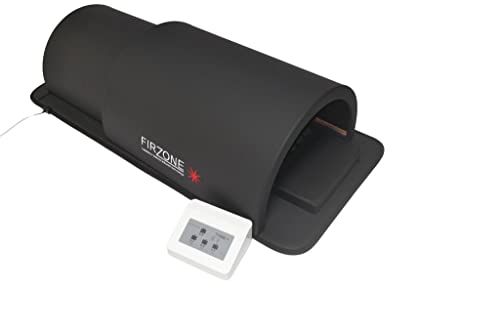
An honest Firzone ProZERO FZ-TD1 infrared sauna dome review covering the 1000W split-zone heating, heated mat, 178cm length and storage design, plus the tourmaline and zero EMF claims and how it compares with sauna tents and boxes.
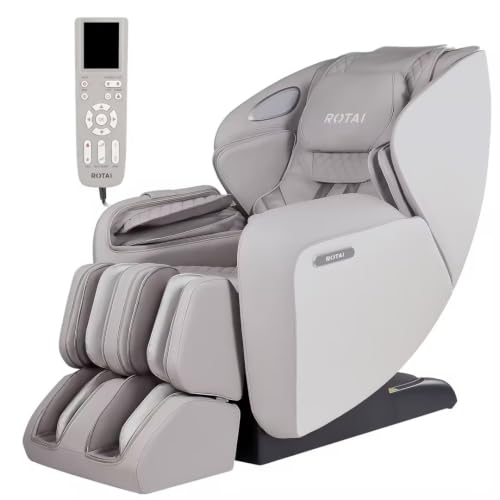
Our ROTAI RT6891 review: SL track, full body airbags, carbon fibre heat, two zero gravity positions and a big senior friendly remote, plus why £1,300 is hard to justify.
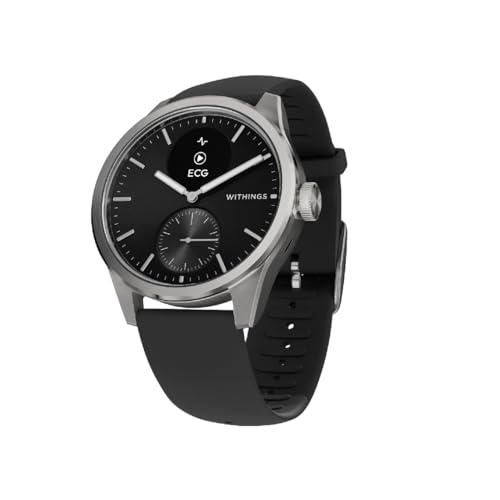
Withings ScanWatch 2 review: ECG and AF detection, SpO2, temperature, sleep and a month-long battery in a hybrid analogue case, plus the GPS, screen and Withings+ catches.
Best Exercise is a participant in the Amazon EU Associates Programme, an affiliate advertising programme designed to provide a means for sites to earn advertising fees by advertising and linking to Amazon.co.uk. As an Amazon Associate we earn from qualifying purchases. This comes at no extra cost to you and never influences our independent reviews or rankings.